

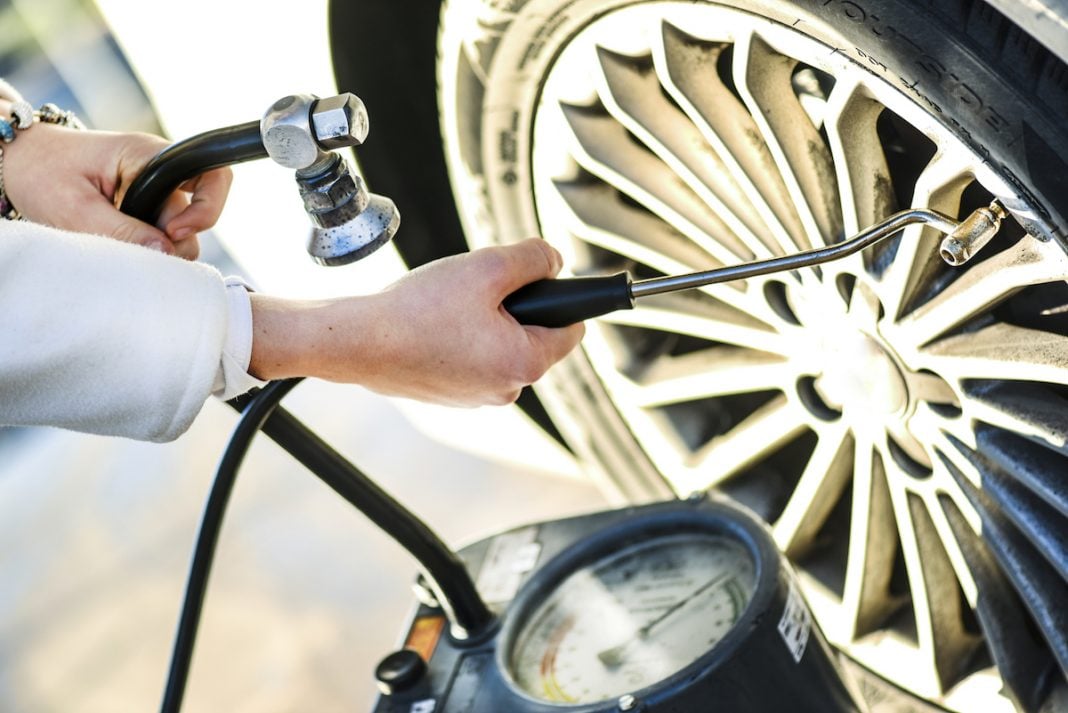
Nitrogen-filled tires used to be something you’d only see in Formula 1 racing. Teams used pure nitrogen to fill their tires because it apparently gave them a significant boost in both performance and reliability. Is that the case, though? Here, we’re looking at the difference between filling tires with nitrogen and filling them with regular air.
Related – How Do Tire Pressure Sensors Work — and Are They Actually Reliable?
What’s the Difference Between Nitrogen and Air-Filled Tires?
For years, nitrogen-filled tires were something you only heard about in Formula 1, where teams look for tiny performance advantages. Today, you can pay extra to fill your tires with nitrogen at some tire shops. But does it actually help?
For most drivers, nitrogen doesn’t deliver a big enough benefit to justify the cost. Regular air is inexpensive, readily available, and perfectly fine when tires are maintained properly.
The air we breathe is already about 78% nitrogen, so the difference comes down to the remaining ingredients: mainly oxygen and water vapour.
The Molecule Size Argument
Oxygen molecules are smaller than nitrogen, meaning they can slowly permeate the rubber in a tire. That’s why even a perfectly healthy tire loses a bit of pressure over time. Nitrogen molecules escape more slowly, so pressure stability is better.
You can see this for yourself by measuring the oxygen content of newer and older tires. The latter will always have less oxygen than newer tires, even without damage. Nitrogen-filled tires retain pressure far better because the molecules are too large to escape similarly.

Why Water Vapour Matters
Regular air contains small amounts of moisture. When tires heat up — especially under heavy loads or high speeds — the water vapour can expand unpredictably and change tire pressure. Nitrogen is dry, so pressure changes become more consistent. This is critical in racing, but far less dramatic in everyday driving.
Does Nitrogen Actually Help Regular Cars?
Independent tests, including TV programs like Fifth Gear, have compared air- vs nitrogen-filled tires at high temperatures. Surprisingly, the nitrogen-filled tire showed a slightly bigger pressure increase than regular air, likely because real-world nitrogen stations rarely deliver true 100% nitrogen. In other words, the theoretical advantage is real, but consumer results can vary.
Nitrogen can help with:
- slightly more stable pressure
- slightly longer pressure retention
- slightly less moisture inside the tire
But the differences are minor unless purity is guaranteed, which is hard to achieve outside pro motorsports.
Should You Pay Extra for Nitrogen Filling?
For most drivers, nitrogen doesn’t deliver a big enough benefit to justify the cost. Regular air is inexpensive, readily available, and perfectly fine when tires are maintained properly.
When Nitrogen Makes Sense
- High-performance driving
- Vehicles stored long-term
- Fluctuating extreme temperatures
- RVs, trailers, or specialty tires
When Air Is Just Fine
- Daily commuting
- Typical highway driving
- Seasonal tire swaps
- Anyone who regularly checks tire pressure
The biggest factor in tire life and performance isn’t nitrogen; it’s maintenance. Keep your tires properly inflated, rotate on schedule, and check pressures monthly. That alone delivers more benefit than any gas you fill them with.