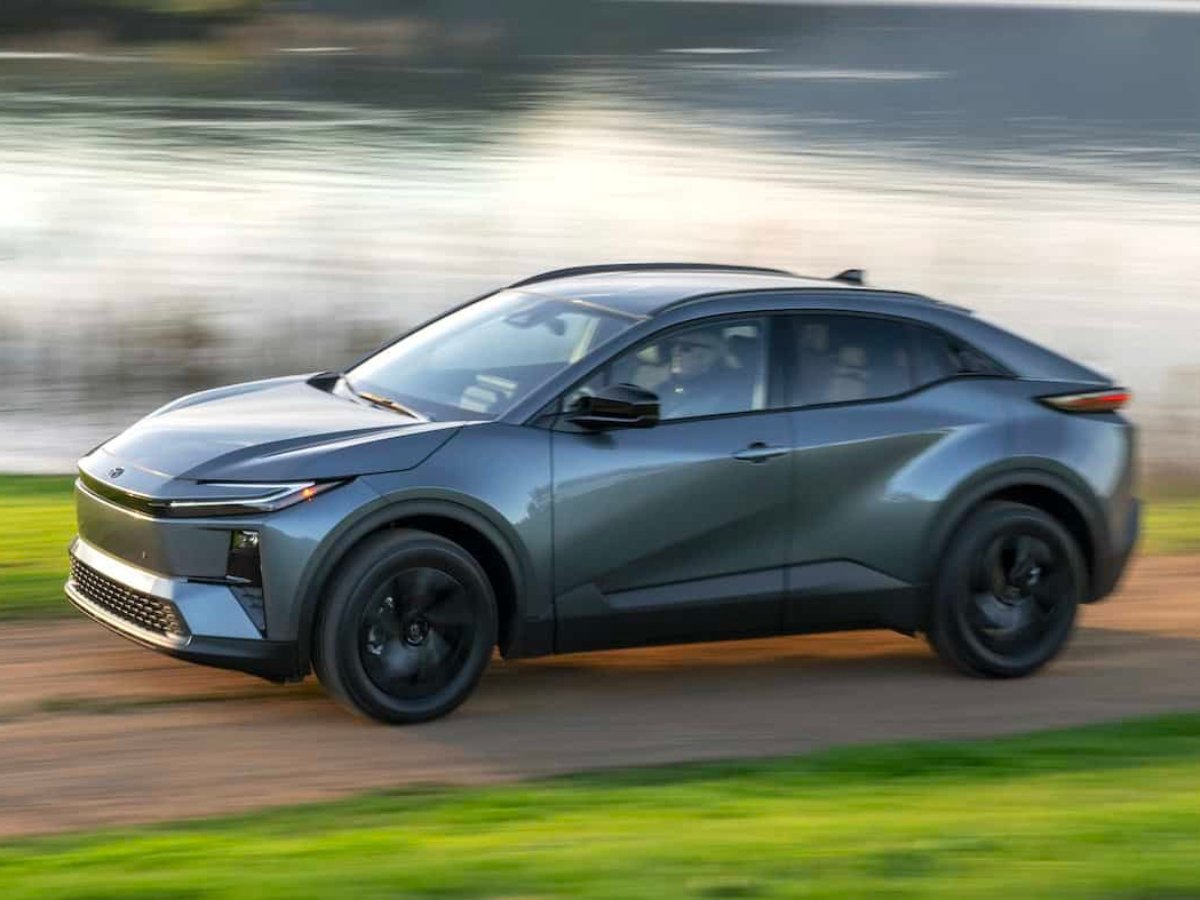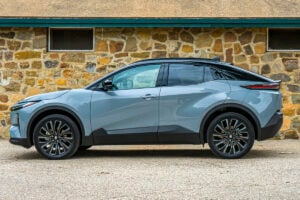

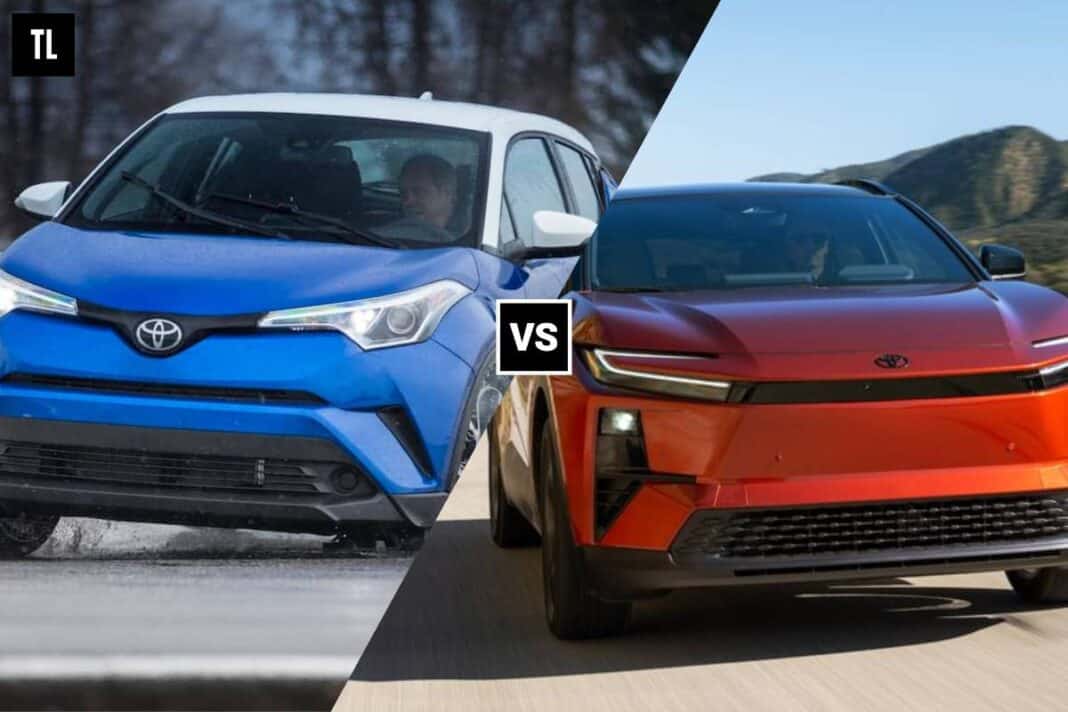
When we first got our hands on the 2018 Toyota C-HR, it felt like Toyota was experimenting. The styling was bold (almost defiant) with sharp creases, hidden rear door handles, and a coupe-like roofline that made it look quicker than it actually was. Back then, we asked a simple question: peculiar styling aside, how does it perform? The answer, in 2018, was measured.
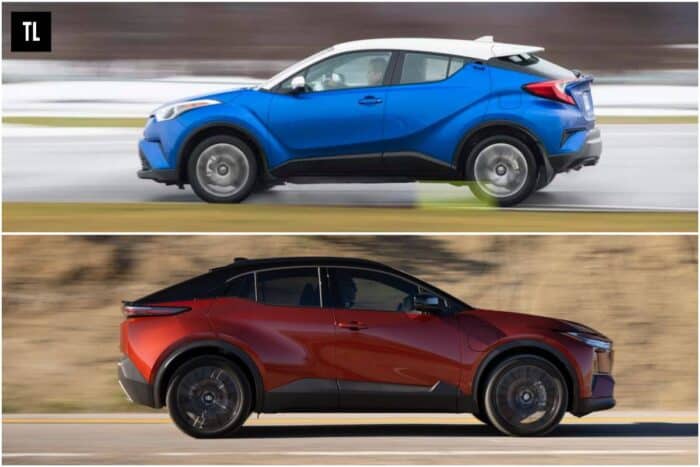
Under the hood sat a 2.0-litre four-cylinder making 144 horsepower and 139 lb-ft of torque, sent exclusively to the front wheels through a CVT. It wasn’t slow in an alarming way, just subdued. Acceleration required patience, and while the suspension tuning impressed us with its composure and ride quality, the powertrain never quite matched the car’s extroverted design. There was no AWD option, either (a curious omission in a segment where all-weather traction mattered to many buyers).
We praised its comfort and value. We questioned its urgency. And then, quietly, the C-HR disappeared after 2023. Well, now it’s back and it couldn’t be more different.
A Completely New Character
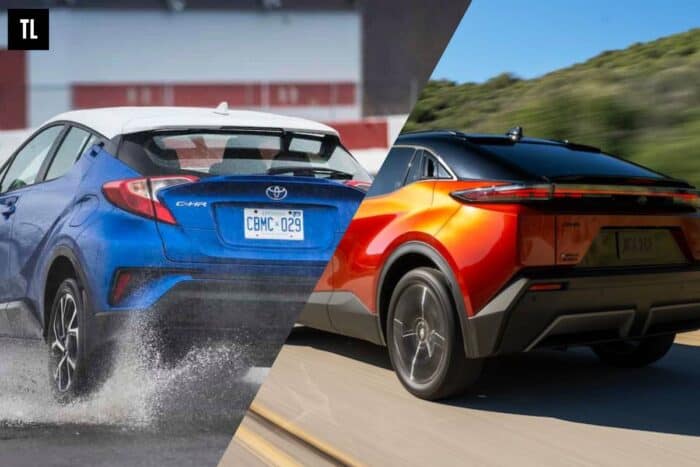
The 2026 Toyota C-HR returns not as a mild-mannered subcompact crossover, but as a 338-horsepower, dual-motor all-wheel-drive electric hatchback. Zero to 60 mph? Toyota estimates 4.9 seconds, exactly the same figure as the GR Corolla. That’s not a typo.
Instead of a 144-hp gas four-cylinder, the new C-HR runs a 74.7-kWh lithium-ion battery feeding front and rear motors for standard AWD. EPA-estimated range tops out at 287 miles on the SE trim (273 on the XSE with 20-inch wheels), and DC fast charging can take it from 10–80% in around 30 minutes under ideal conditions.
“Looking back at our 2018 hands-on review, we concluded that the C-HR was a strong value with standout looks, but we wished its performance lived up to the promise. Toyota appears to have listened, even if it took a full reset to get there.”
Where the old car promised excitement visually but delivered something closer to sensible commuting, the new one flips the script. On paper at least, it’s legitimately quick.
From Corolla Platform to e-TNGA
The 2018 model rode on a Corolla-based architecture and felt like it: car-like ride height, compact proportions, and cargo space more akin to a hatchback than a utility vehicle. It offered 19 cubic feet of cargo behind the rear seats.
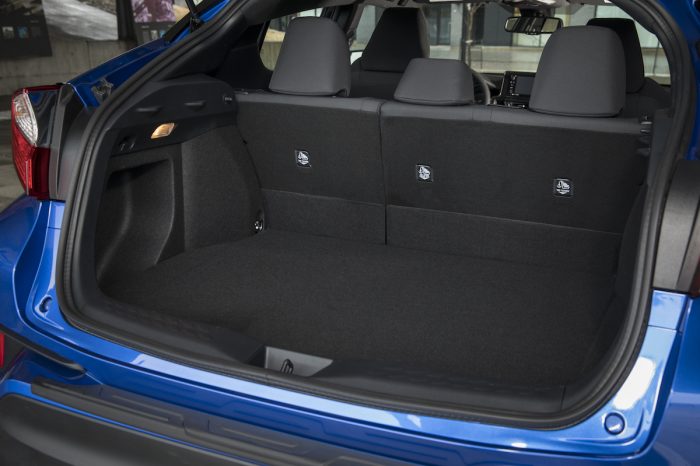
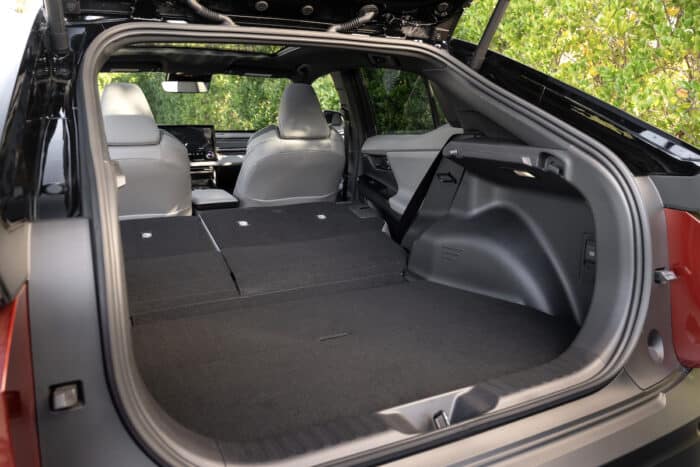
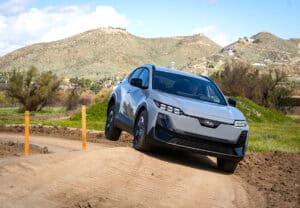
The 2026 version grows into its small SUV classification with up to 25.3 cubic feet behind the second row and 59.5 cubic feet with the seats folded. It’s still compact — 177.9 inches long with an 8.0-inch ground clearance — but now rides on Toyota’s dedicated e-TNGA electric platform. The battery sits under the floor, lowering the center of gravity and promising sharper handling than its predecessor ever managed.
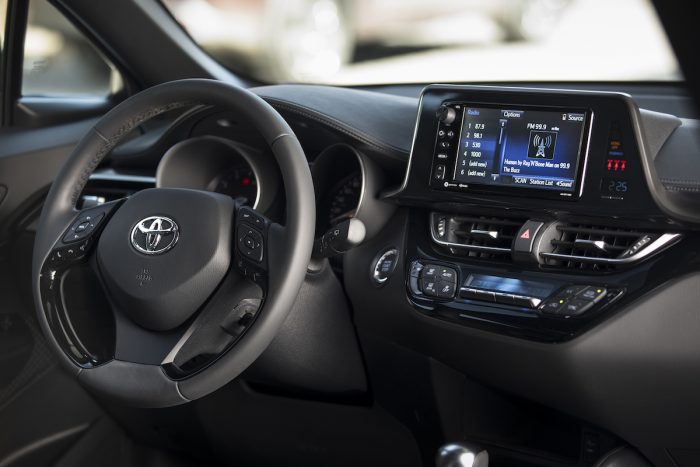
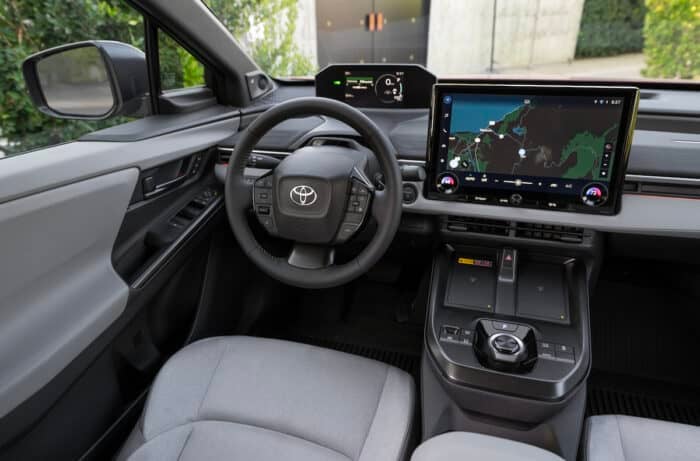
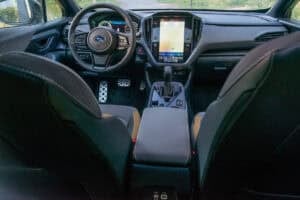
Even the interior evolution tells a story. The old car featured a 7-inch screen and analog gauges. The new one gets a 14-inch touchscreen, dual wireless phone chargers, a fully digital display, and a much more premium cabin environment. Heated seats and steering wheel are standard. AWD is standard. Performance is standard. That word, standard, carries weight here.
From Style Over Speed to Speed With Substance
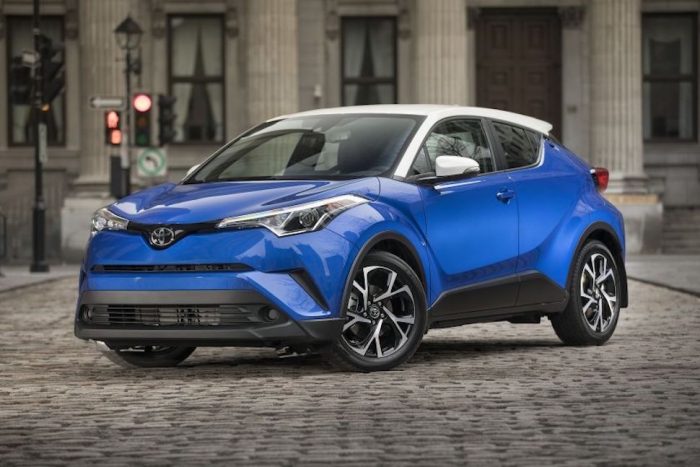
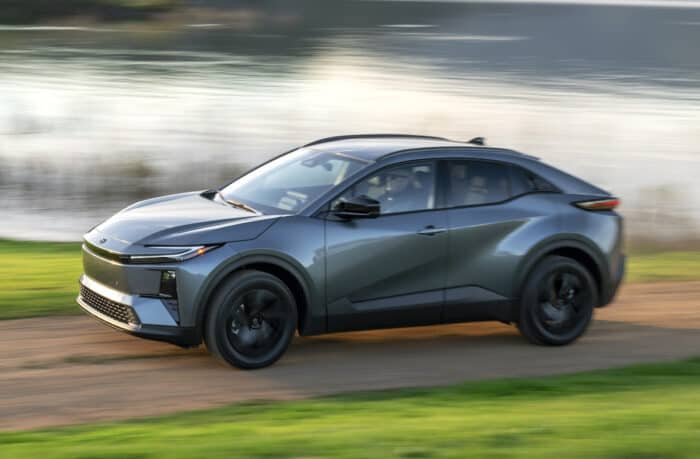
Looking back at our 2018 hands-on review, we concluded that the C-HR was a strong value with standout looks, but we wished its performance lived up to the promise. Toyota appears to have listened, even if it took a full reset to get there.
The new C-HR starts at $37,000, placing it directly in the conversation with the Tesla Model 3 and other compact EVs. But unlike the old model, which struggled to carve out a clear identity between hatchback and crossover, this one arrives with purpose. The original C-HR was interesting. The new one is intentional. And for the first time, the badge’s sharp styling is backed by numbers that demand attention.