
Earlier this year, we posted the first part of this all-weather tire review. As some of you may know, winter tires are mandatory in Quebec, where this test is being held. In fact, tires with a snowflake symbol are the only type of tires allowed in La Belle Province, which includes year-round alternatives, all-weather tires, and, in some cases, all-terrain tires.
Fortunately, the month of December was the theater of pretty much every winter condition possible by Mother Nature. Cold mornings on dry pavement, snowy and slippery conditions, a short ice storm, and more snow made driving difficult for users of the road in Quebec, including the family’s compact wagon from Volkswagen. Our own family car benefits from the excellent 4Motion all-wheel drive system, but for better performance and grip, winter tires are probably the best option for the enthusiast who enjoys a slight drift occasionally, or simply someone driving a lot daily.
Related – Winter tire reviews and guides
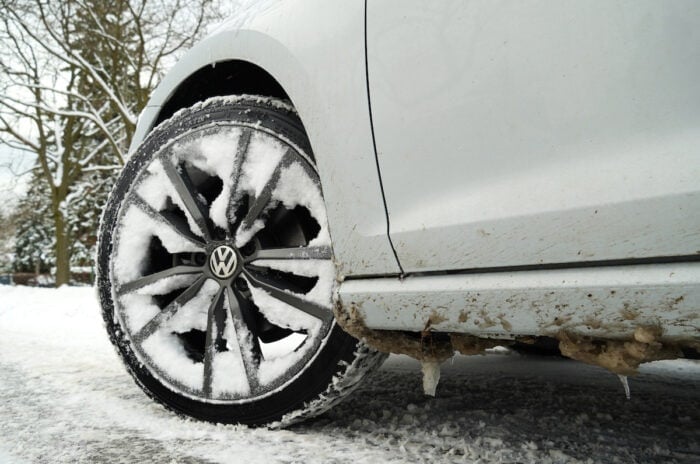
Quick Specs: Goodyear Assurance WeatherReady 2
- Estimated Pricing (per tire): USD $150–$225; CAD $200–$275
- Type: All-weather touring tire
- Available Sizes: 16″ to 22″
- Tread Design: V-shaped directional pattern
- 3PMSF Certified: Yes (Three-Peak Mountain Snowflake)
- Warranty: Up to 70,000 miles (varies by size)
So far, these all-year-round tires have performed quite well, though at times I felt the car could handle better in a curve or on wet tarmac. The mission of this car is strictly utilitarian, and even if the Golf MK7 platform could handle high-speed runs, it remains a transportation tool for everything the family needs. But it also needs to perform well when the situation deteriorates.
Balancing Winter Performance With Year-Round Practicality
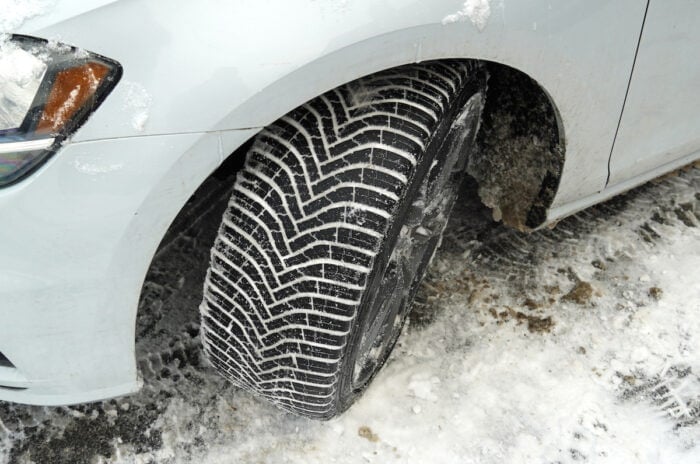
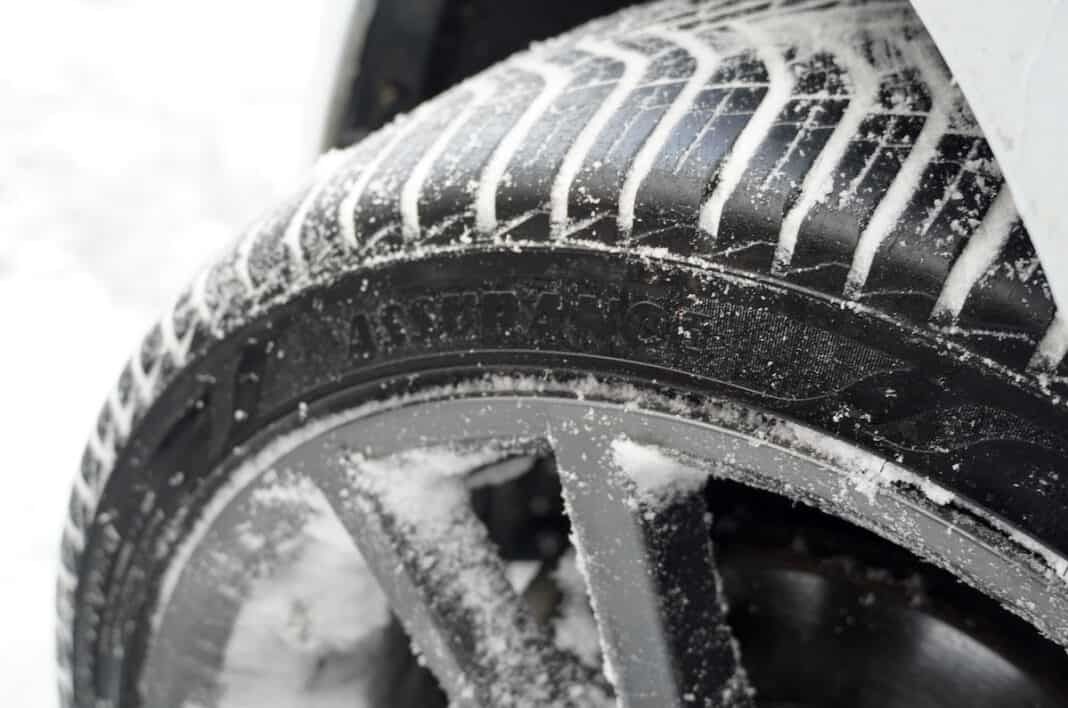
When Goodyear launched the Assurance WeatherReady 2 (here’s one of our other reviews), it promised an all-weather tire capable of bridging the gap between a winter-rated tread and year-round convenience. For this second, much colder part of the test, we took the WeatherReady 2 on a longer road trip with twisty roads, as well as daily shorter trips to work or the grocery store.
What we learned from this winter part of the test drive is that this Assurance WeatherReady 2 from Goodyear can do the job, as we say in this part of the continent. But if you’re looking for better traction, a true winter tire will perform better as temperatures drop. Several times, when we tried to stop at an intersection, the car couldn’t stop as efficiently as a winter tire would in the same situation. A winter tire would have bitten much sooner, that’s for sure.
I would still prefer to mount winter tires on the family car, but for a secondary car, this all-weather tire from Goodyear could very well do the trick to save a few bucks…
The “bite” isn’t as aggressive as the one you get from a winter tire, especially on icy portions of the road. The same applies to snow-packed sections, where the Assurance WeatherReady 2 showed its limits.
Winter Traction, Composure, and Ride Quality

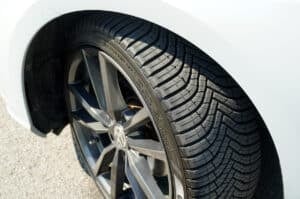
But, it’s not all bad, as we discovered during this longer tire test. At highway speeds on ice patches, the tire maintained composure and predictability. While not matching a dedicated winter tire in sheer grip, the WeatherReady 2’s compound remained pliable (but not as much as a winter tire), resisting the typical hardening that afflicts many all-seasons below -5°C. The tread’s biting edges and zig-zag siping contributed to confidence in slow, controlled acceleration and cornering as well.
On freshly fallen, loosely packed snow, we found the WeatherReady 2’s traction to be satisfactory. Launching from a stop in typical “city snow” conditions was predictable, with controlled forward momentum that didn’t trigger excessive wheel spin, but again, winter soles are just better in this situation. On compacted snow and thin ice films, braking distances were noticeably longer than winter rubber. Steering inputs remained stable, and understeer was progressive rather than abrupt.
Ride comfort and noise remain well controlled in cold temperatures
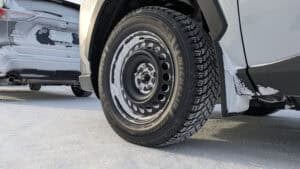
In deep cold, the WeatherReady 2’s sidewalls stayed compliant. There was no harshness or vibration transmitted through the steering wheel. On the contrary, ride quality was surprisingly refined for an all-weather vehicle, especially on rough secondary roads. Let’s not forget that these all-weather tires were mounted on 18-inch wheels (and not the smaller 16-inch steel wheels usually installed on the car for winter driving) for better road feel.
It’s also worth mentioning that at highway speeds, noise levels were modestly higher than those of all-seasons optimized solely for summer dry/wet grip, but still acceptable. The tread pattern produces a subtle hum on open stretches, yet this never became intrusive. In cold weather, this was a welcome balance between confident bite and cabin quiet. In fact, some winter tires are just louder than this on dry patches of road.
Takeaway: What Is the Goodyear WeatherReady 2’s Purpose?
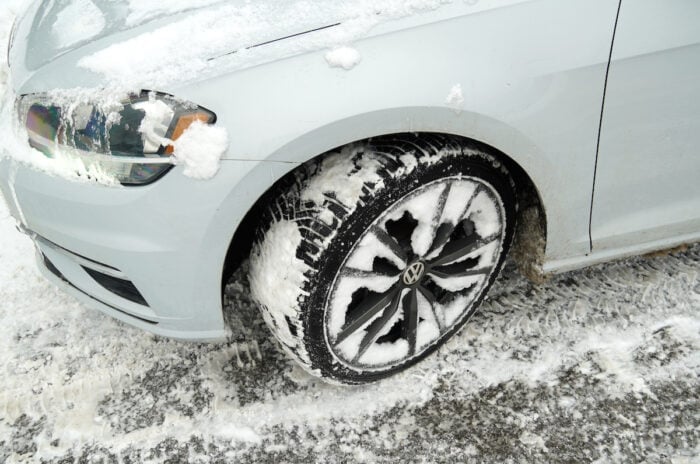
The WeatherReady 2 is not a pure winter-dedicated tire, and it shouldn’t be judged as one. What it offers is a tire that punches well above standard all-season tires in cold, snowy, and icy conditions, while still providing competent dry and wet handling, a refined ride quality, and long-term durability.
If it were my car, I would still prefer to mount winter tires on the family car, but for a secondary car, this all-weather tire from Goodyear could very well do the trick to save a few bucks, and also to avoid the tire change rush twice a year in Quebec (in the spring and in the fall).