

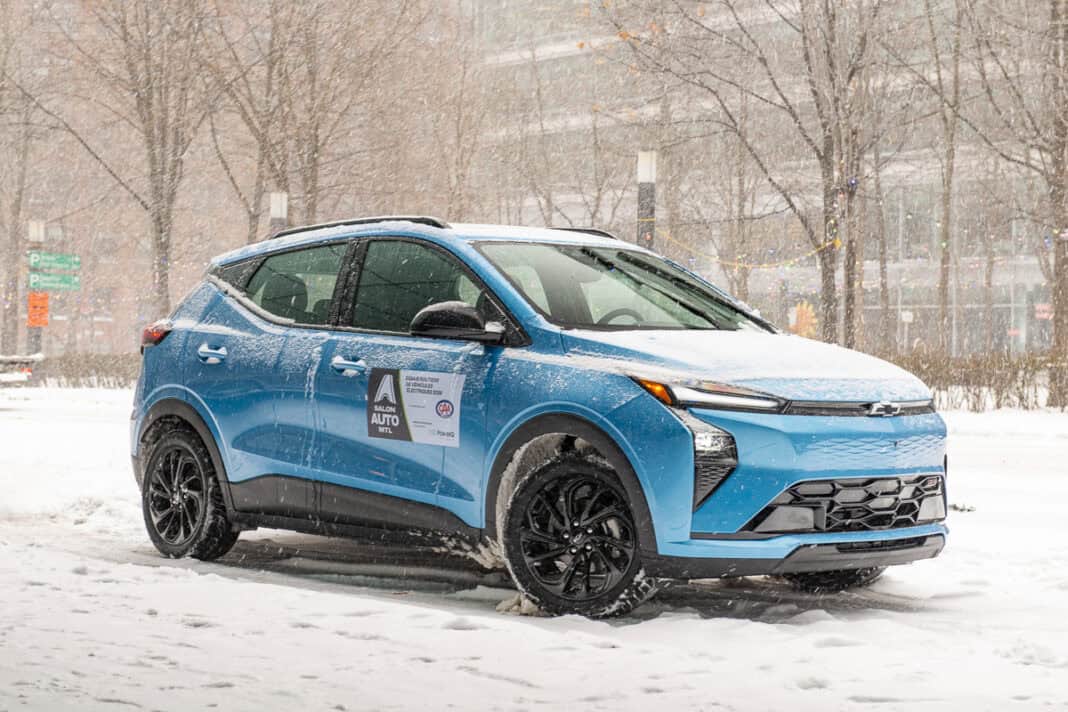
Following a four-year hiatus, the Bolt is back. Chevrolet’s subcompact EV returns with significantly improved charging capability and range, a more refined cabin with smarter storage solutions, stylish hatchback proportions, and a price point that won’t break the bank. But during that hiatus, a whole slew of competitors entered the race — small, all-electric crossovers like the Hyundai Kona EV, Kia Niro EV, Volvo EX30, and even its slightly larger Chevrolet Equinox EV sibling, each bringing their A game. So the question is: can the new Bolt really compete in a landscape now filled with polished, stylish little BEV haulers?
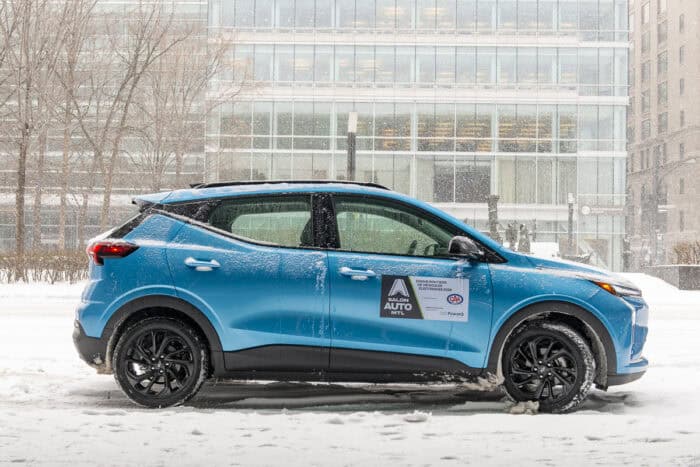
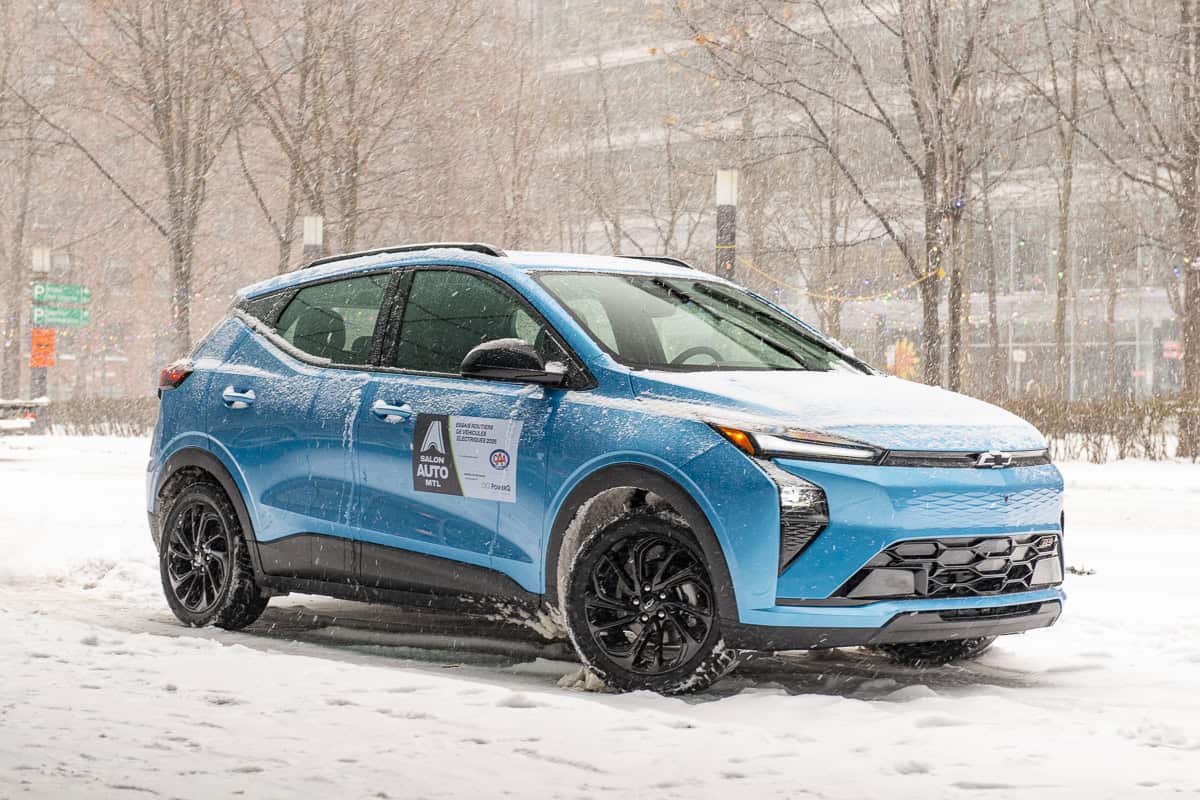
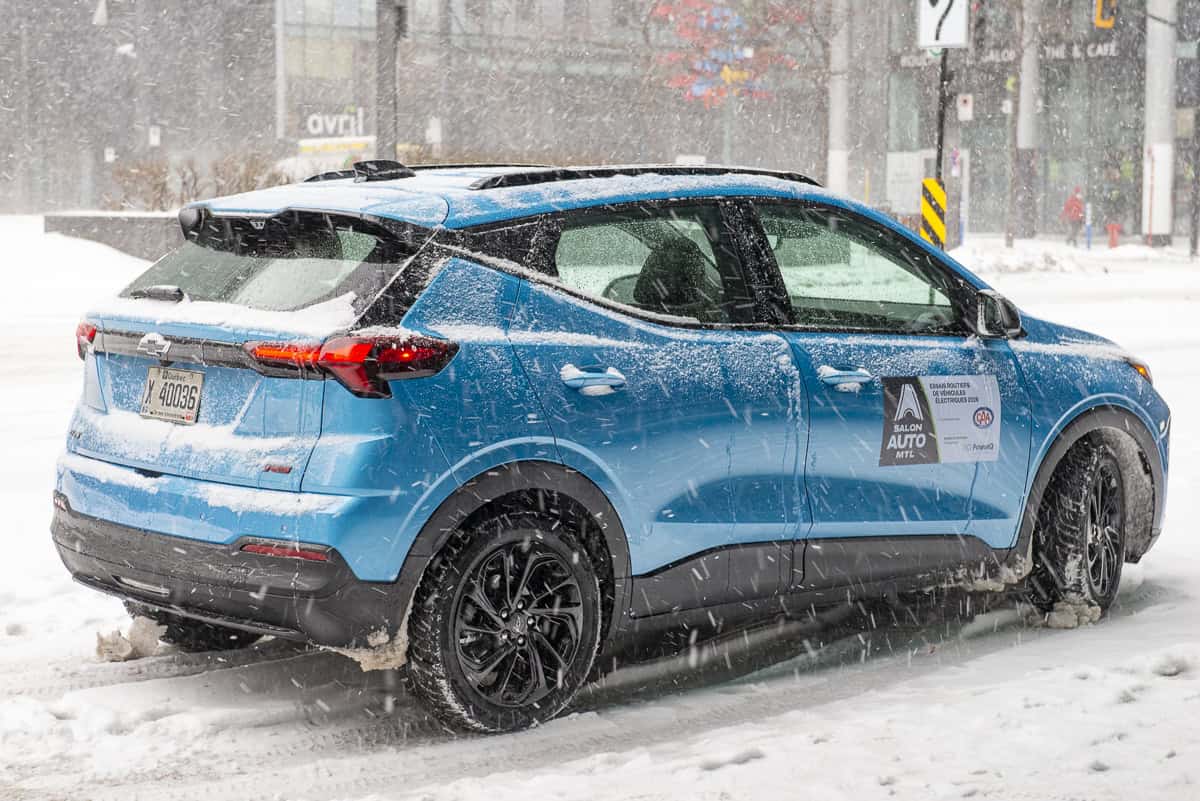
I took the next-gen 2027 Bolt for a quick spin through Montreal’s snowy downtown streets — just enough time to get a feel for it, particularly the cabin comfort and features. I also had a quick chat with the 2027 Bolt’s Chief Engineer, Jeremy Short, who shared his thoughts on what makes this model better. Ultimately, EV shoppers will buy what works for them, especially when it comes to styling and day-to-day usability. But Chevrolet’s take on the redesigned Bolt feels well judged, with updates that focus on what consumers actually care about.
Related – Chevrolet SUV Models Up Close: Smallest to Biggest
From Early EV Adoption to Mainstream Customers
When the original Bolt launched in 2017, it was about accessibility and early EV adoption. Despite its very EV-first design and modest interior, it offered an impressive 238 miles of range — genuinely ahead of its time. Today, we’re well past that phase, and Chevrolet knows it. I wanted to know which problems Jeremy and his team focused most on solving with the new-generation Bolt for today’s buyer.

“Just in general, when the first Bolt came out, we went for early adopters; we learned a lot about how they used the vehicle,” Jeremy explains. By 2022, the focus shifted toward mainstream customers. But today, the 2027 Bolt is positioned as more than just a commuter car. The 2020 model made our list of the best hatchbacks.
“Now it’s a complete road-trip vehicle,” Jeremy continues, “with access to a charging network that’s doubled since then, thanks to infrastructure growth.”
The new Bolt leans heavily on GM’s growing EV experience. Being the 10th GM EV to use the X76 drive unit works in the Bolt’s favour. It means the hardware is well proven, not experimental — a maturity that shows up in better efficiency, a wider competitive range, and lower costs, especially appealing to first-time EV buyers.
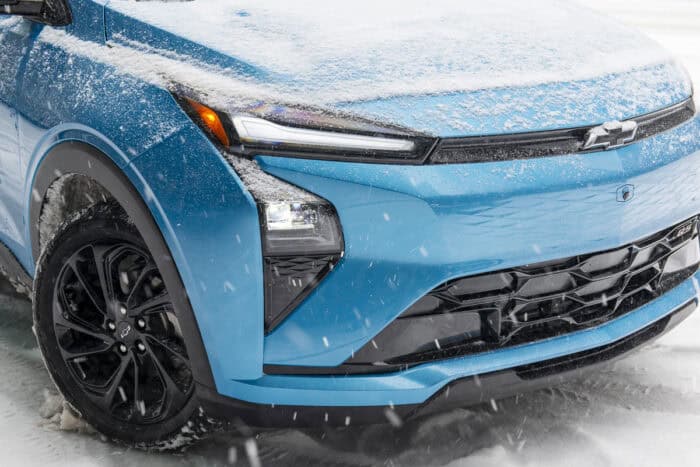
The Specs: 2027 Bolt Charging & Range
- Charges up to 2.5 times faster than the outgoing Bolt
- 150 kW DC fast-charging capability
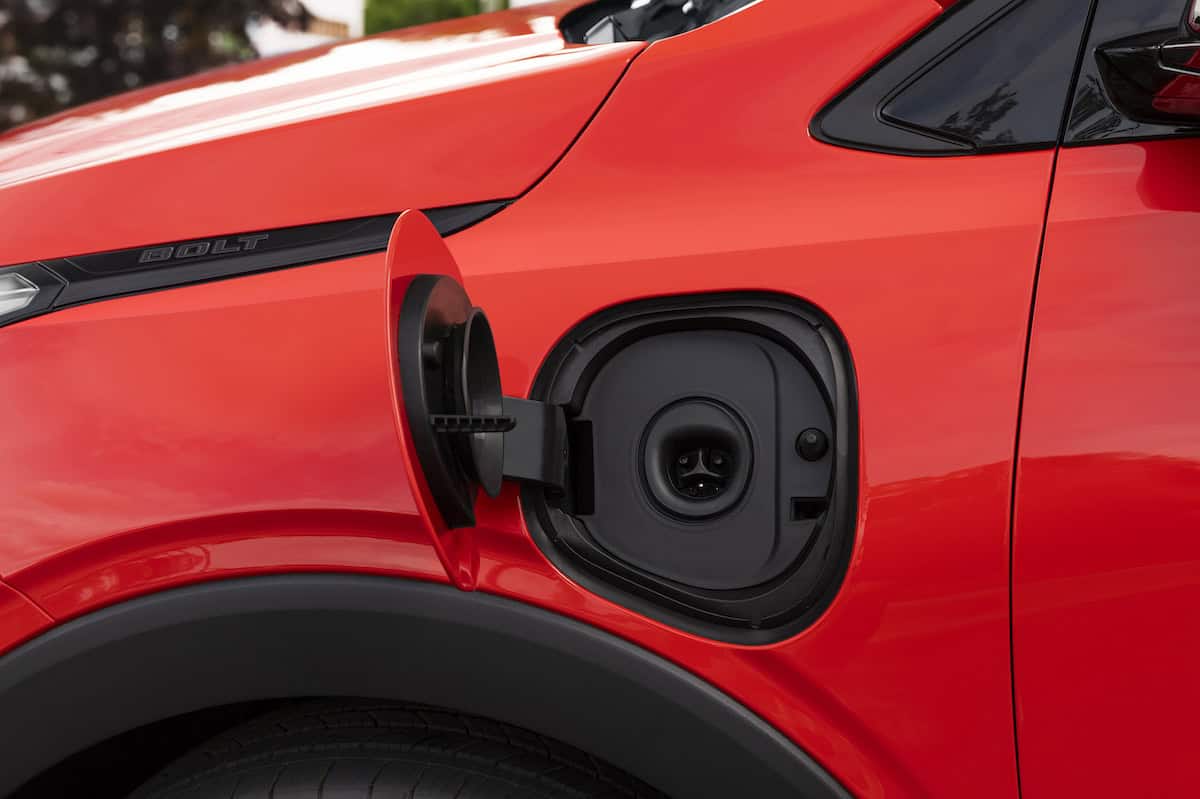
- Native Tesla (NACS) DC port: the first Chevy to offer it, unlocking access to nearly 18,000 Tesla Superchargers across North America
Beyond the Electric Specs: An Interior for Daily Life
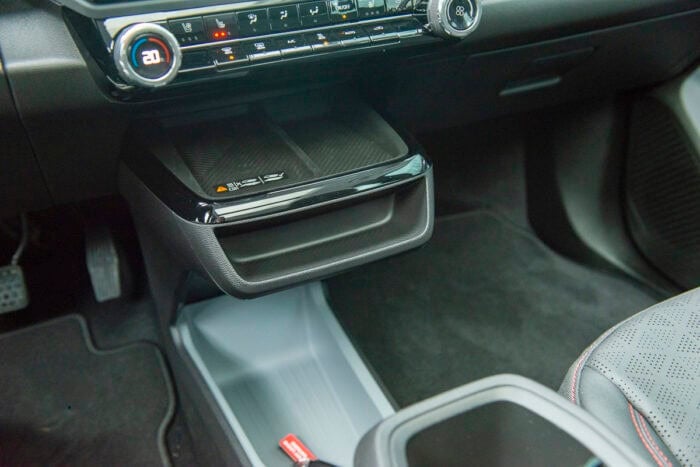
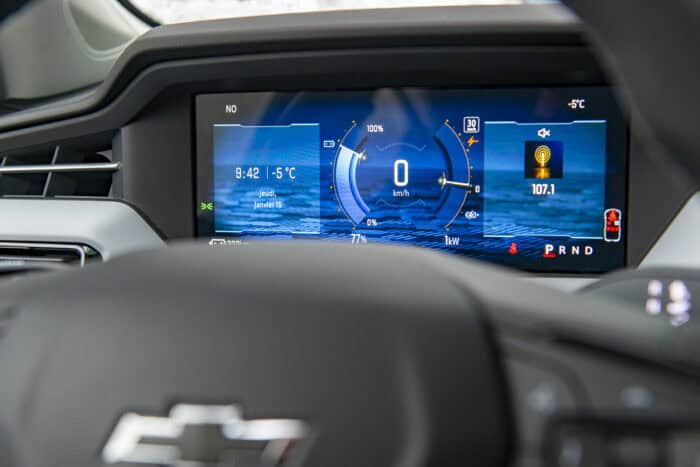
The reality is that many EV buyers are now less concerned with headline range figures and more focused on how a vehicle fits into daily life. Charging speeds continue to improve year after year, and usable range keeps climbing across the industry. So what actually sets the new Bolt apart?
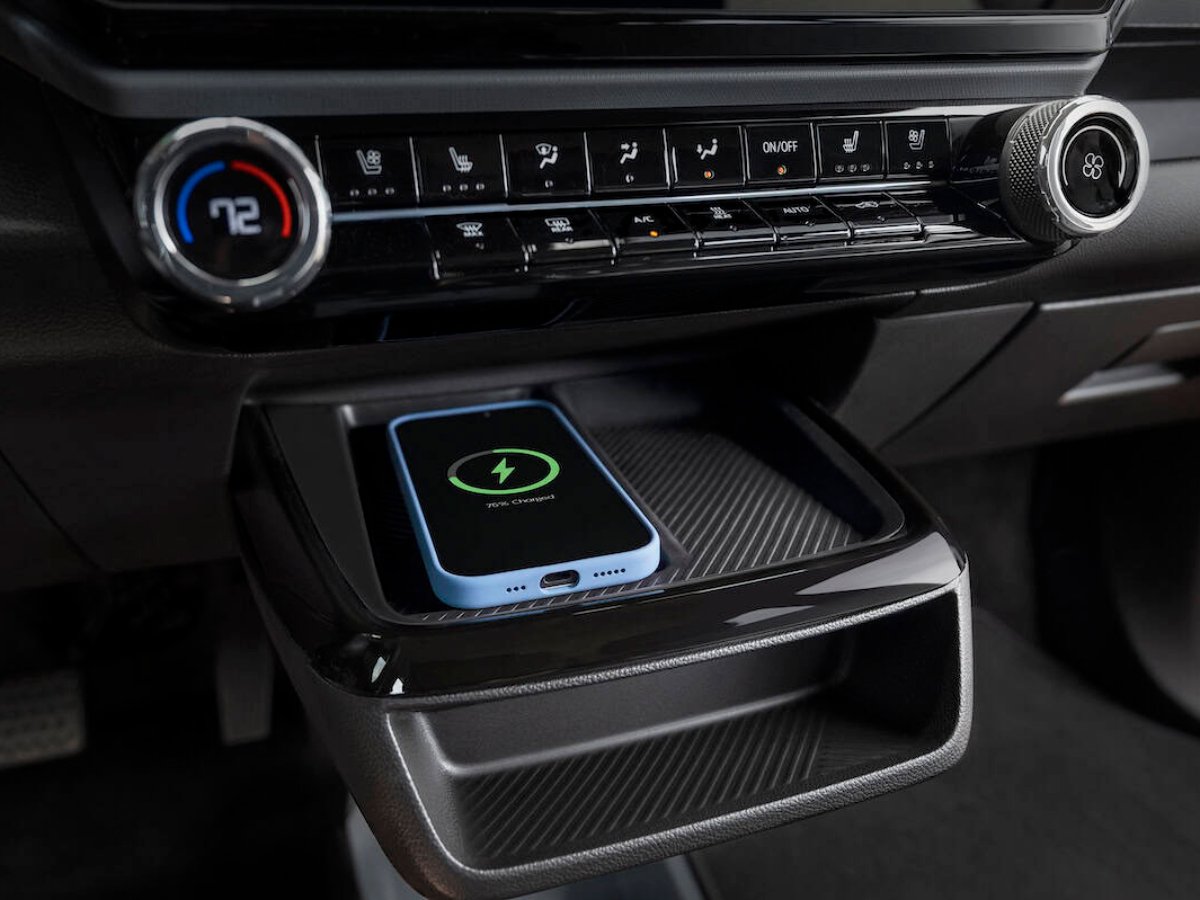
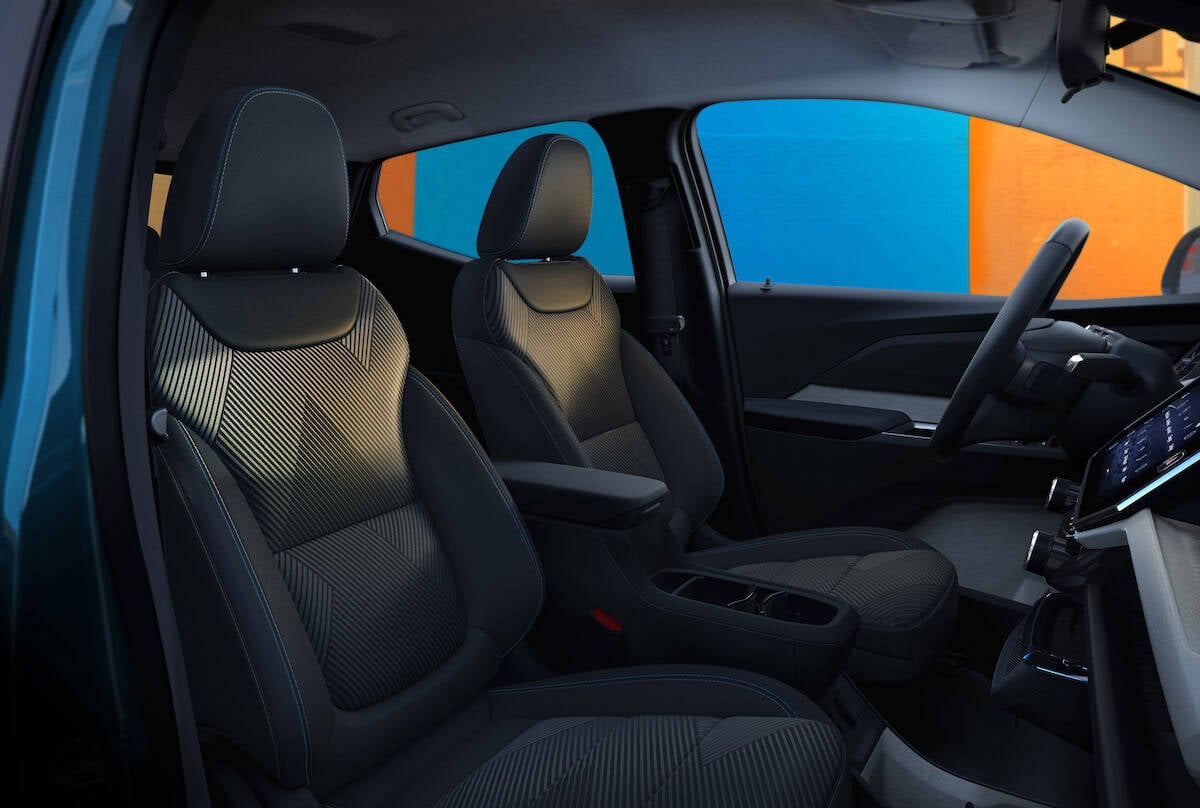
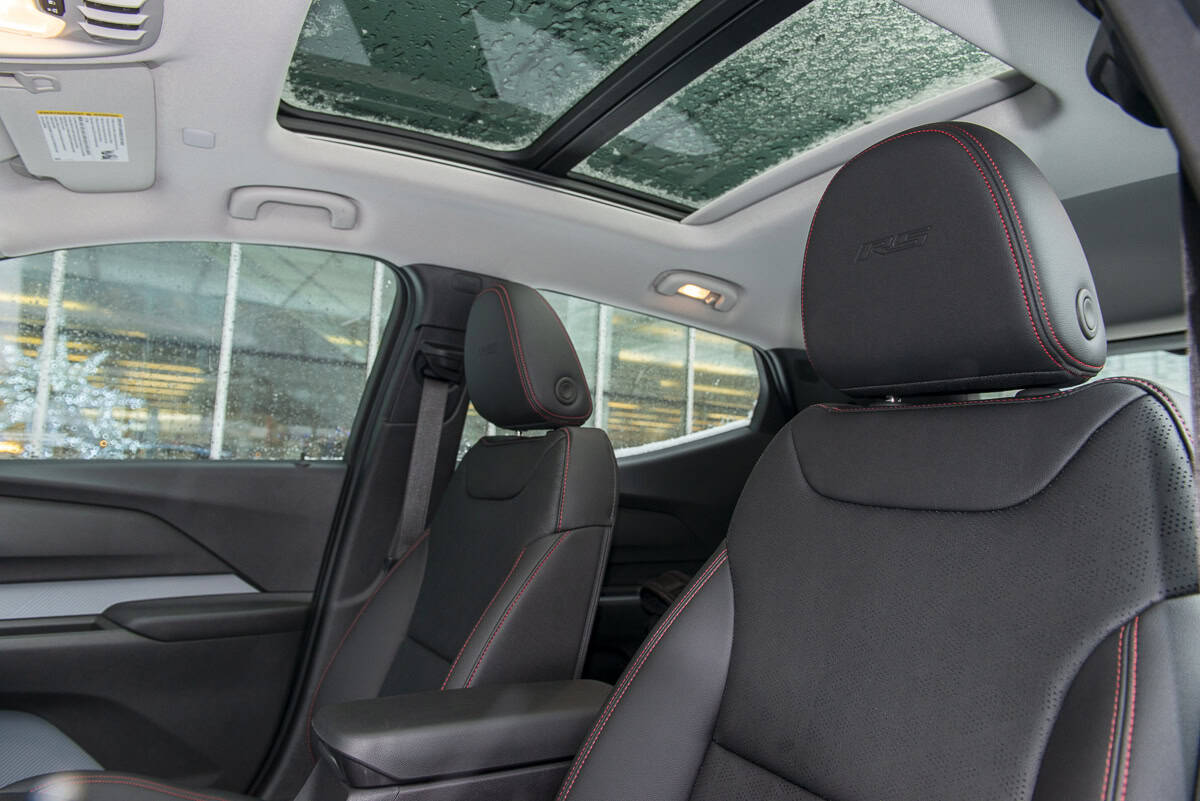
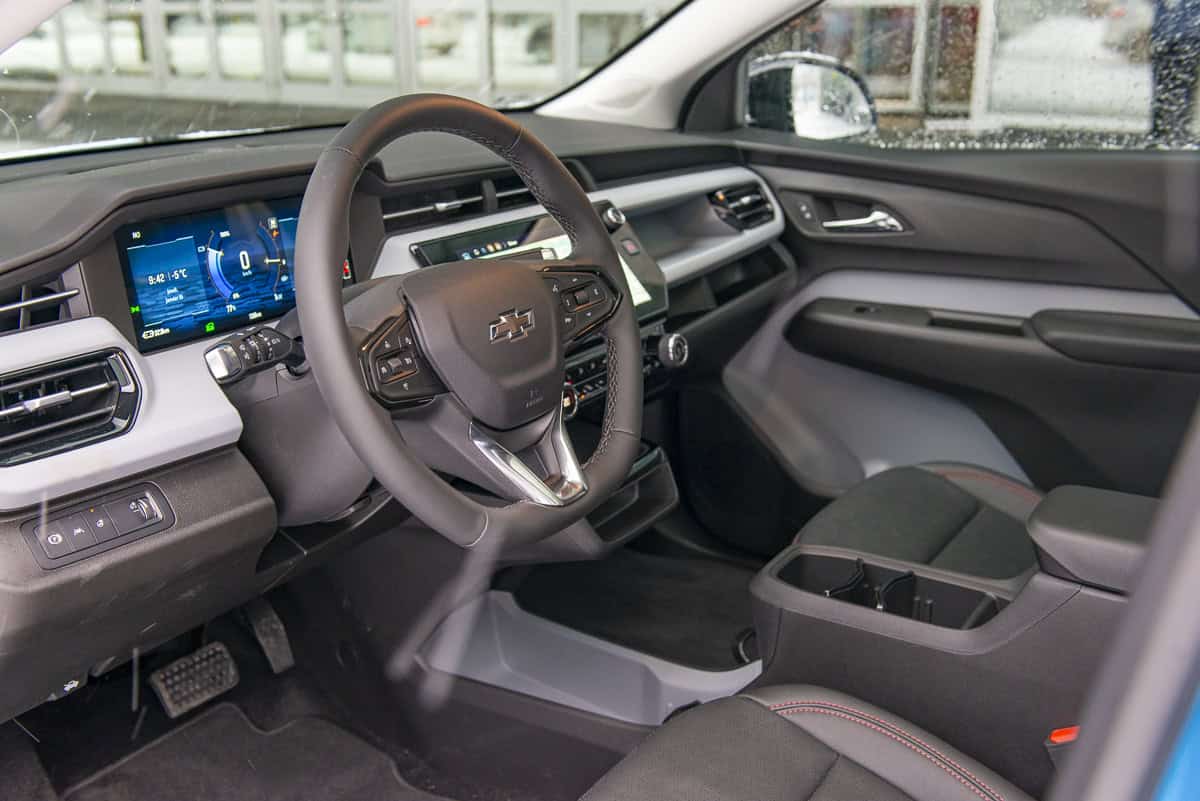
Chevrolet’s design team clearly focused on the cabin. Specifically, maximizing usable interior volume. During my drive, that sense of openness was immediately apparent: generous storage areas, a clean centre stack with three cupholders, and impressively large door pockets. A nice touch is the new 11.3-inch touchscreen, angled toward the driver so it feels integrated rather than like a tablet stuck onto the dash. Overall, the cabin feels spacious and practical, with thoughtful places to stash everyday stuff.
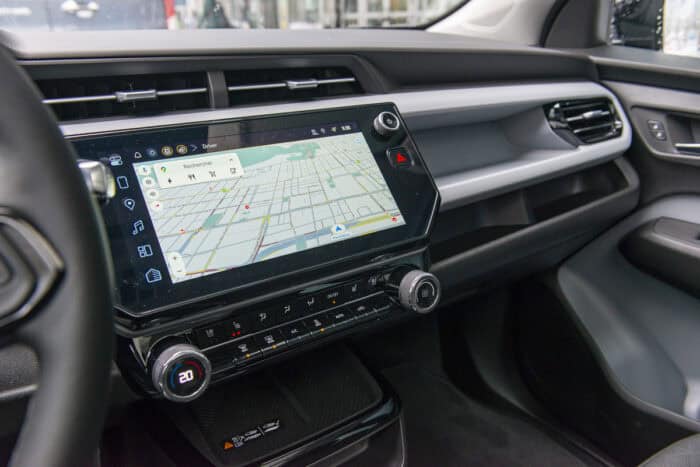
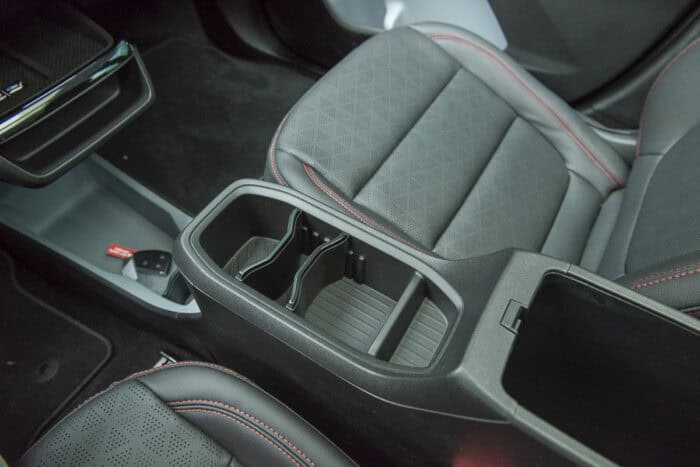
As Jeremy puts it, “There’s just a lot of space in there. We want customers to do more than drive to work and back — we want them to make the space their own, from the volume to the quality.”
That ties directly into the Bolt’s road-trip aspirations. “Sometimes you get a lot of volume but not a lot of usable space,” he adds. “On longer drives, you really notice the difference.”
Bolt RS Steps It Up
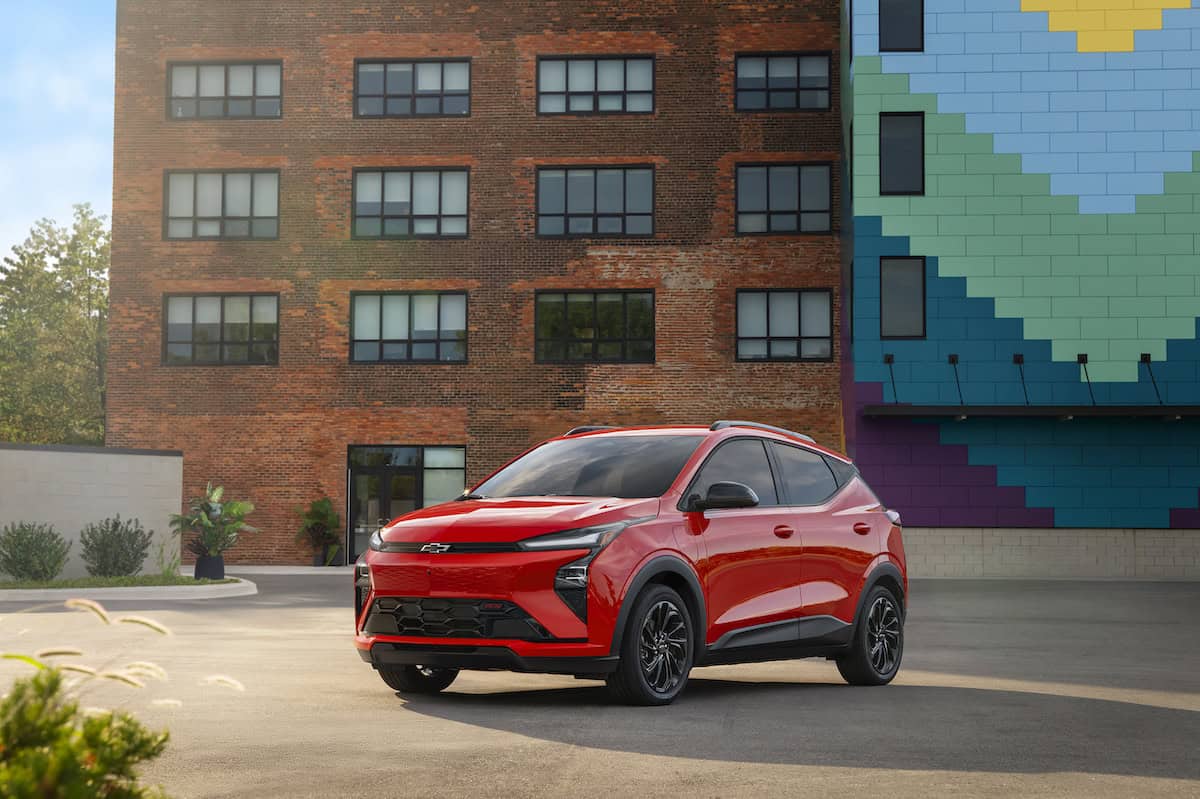
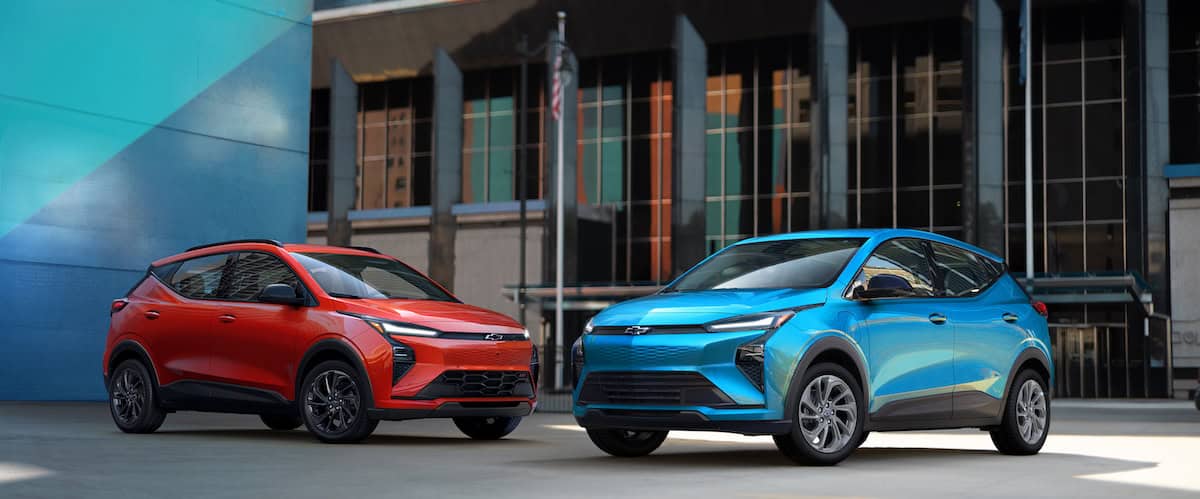
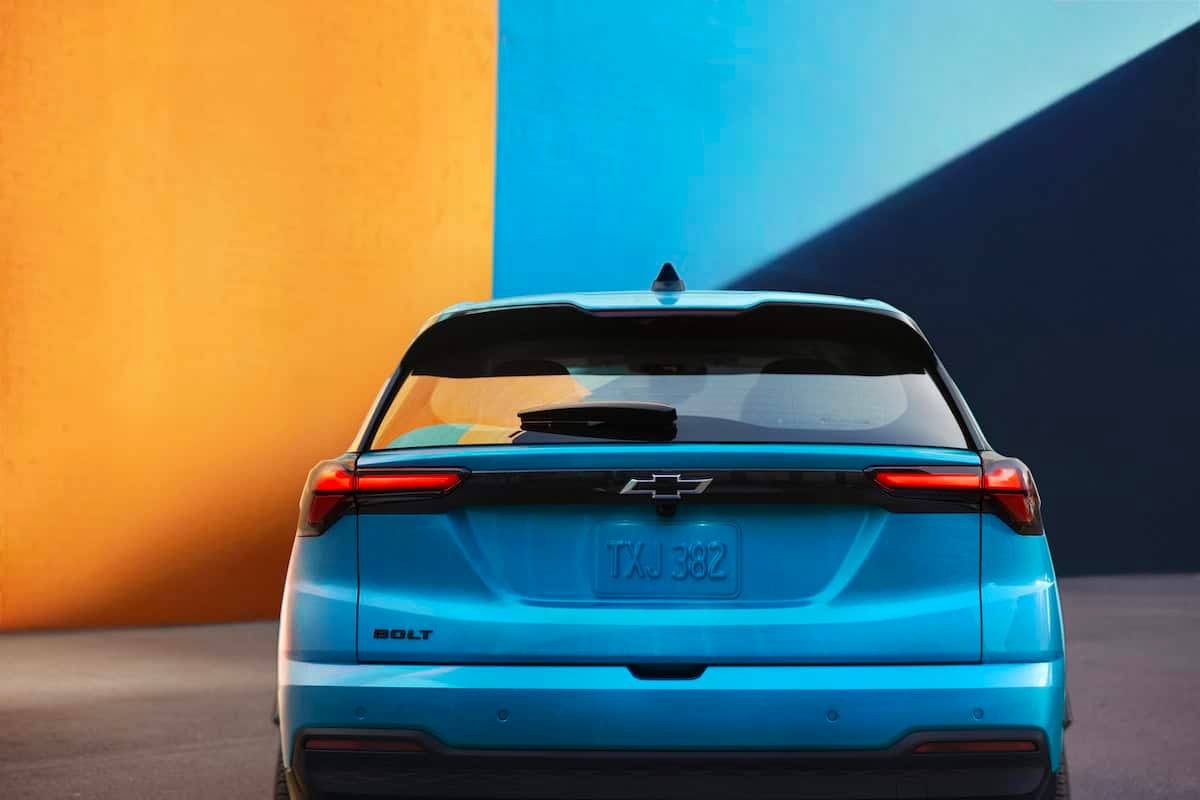
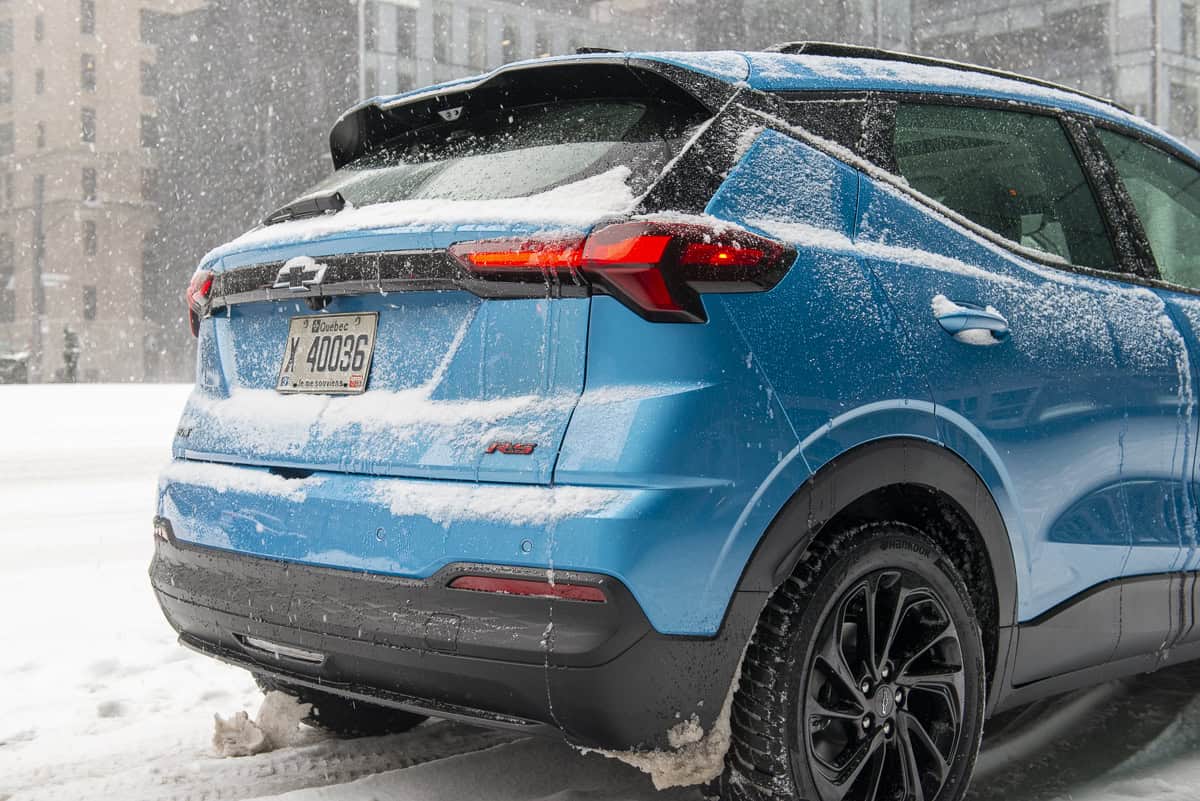
The top-trim Bolt RS, seen here, improves interior materials over the LS entry-level model and offers an optional Atomic Yellow exterior paired with red interior accent stitching. It’s the sportier of the two trims, adding unique grille badging along with high-gloss black wheels and roof rails. Otherwise, RS and LS models share the same performance specs.
Takeaway















The original Bolt was a genuine game-changer — a strong early effort by Chevrolet as one of the first truly long-range, mass-produced electric vehicles. But today’s buyers likely won’t remember that. And when the Bolt exited the market, the subcompact EV space didn’t slow down; it became more crowded and far more competitive.
That said, Chevrolet has brought the Bolt back with meaningful updates. Not just improved range and Tesla-compatible charging, but a redesigned interior with ample space, clever storage, and modern tech like Google built-in infotainment. The exterior design is clean and contemporary as well, something Chevy has been getting right lately.
The 2027 Bolt is available now, starting at just under $30,000 USD and just under $40,000 CAD, reinforcing its position as one of the most accessible EVs on the market.