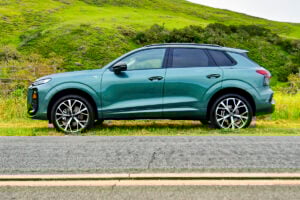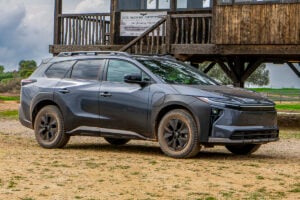

We talked about how the mid-range XSE will likely be the volume-selling 2026 RAV4, hitting that sweet spot for buyers (the extra tech, cosmetic upgrades, etc.). We also reviewed the Woodlands trim: the more adventurous new RAV4 with burlier tires and other upgrades.
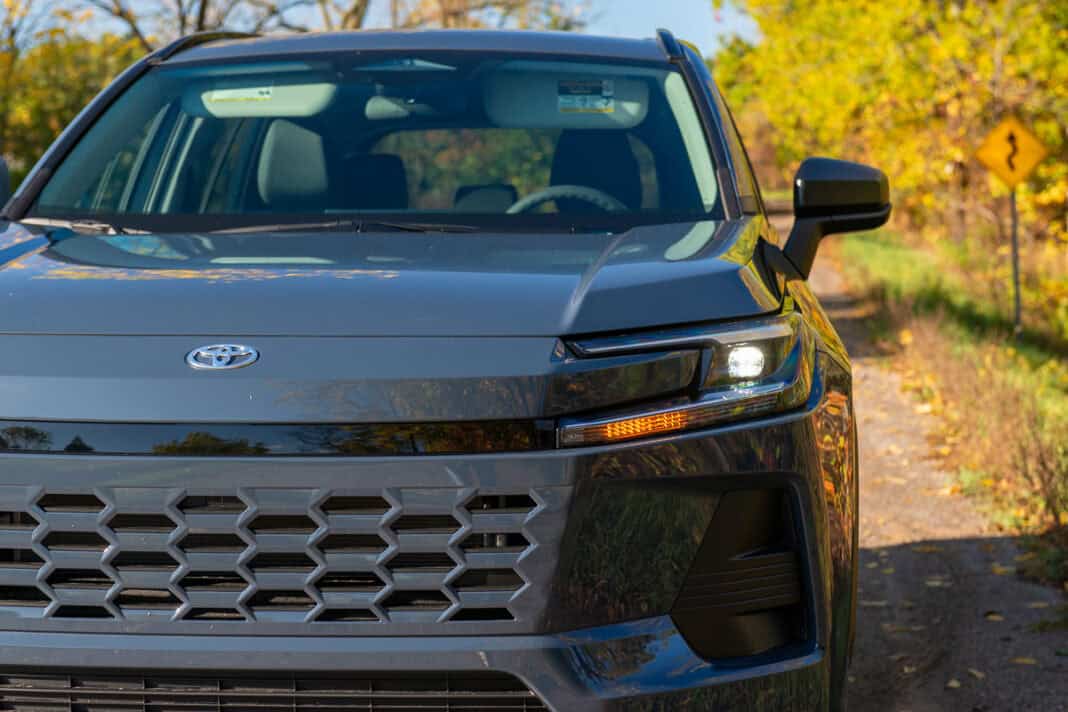
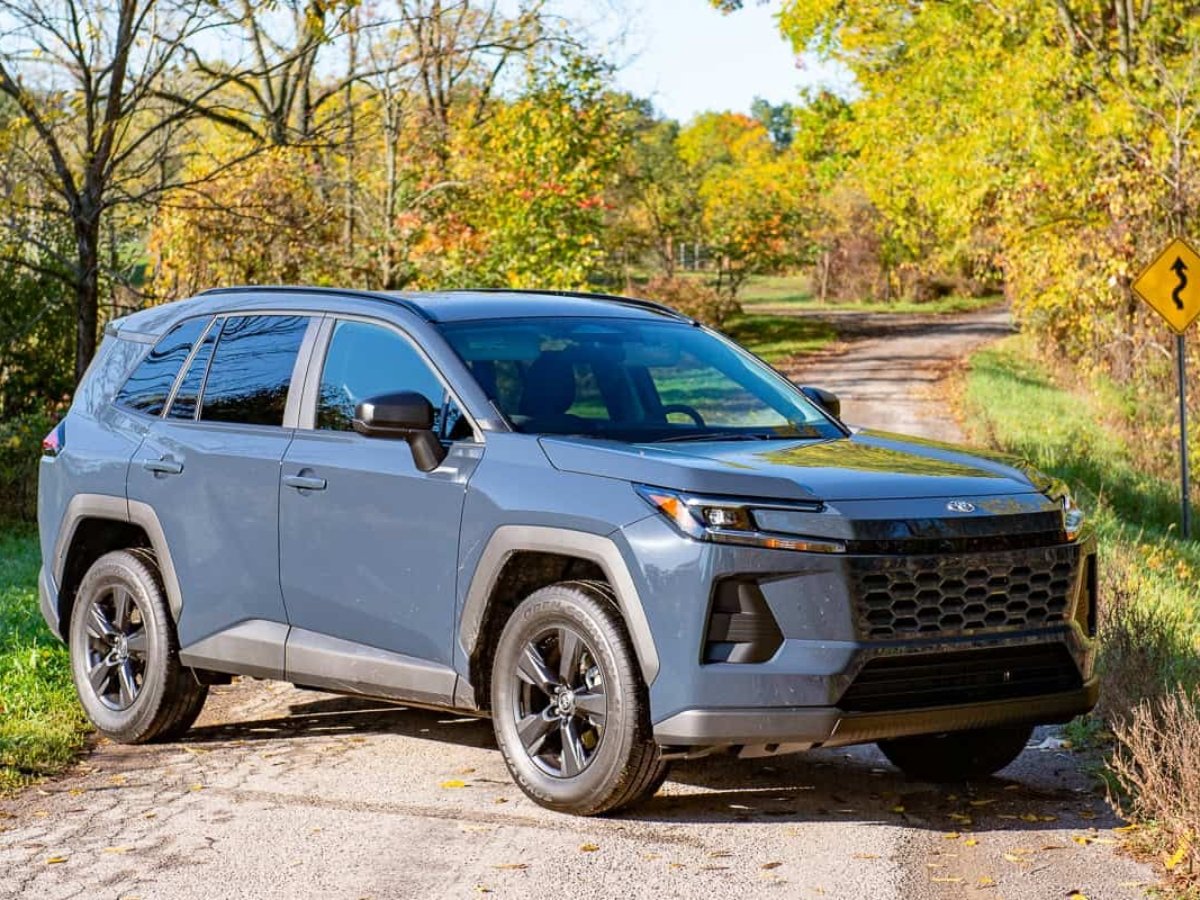
But really, people buy this compact SUV for its value-based, reliability factor. They don’t want to break the bank on the extras. Not all consumers, but in our view, most of them. With the 2026 redesign, Toyota has made the entry-level LE even more enticing. We took it for a spin, and while it’s certainly missing the spicier add-ons we enjoyed in the XSE, it’s a no-frills version that checks the boxes. The boxes that matter most.
Related – Toyota RAV4 reviews and news
1. Same Engine and Reliability as the Higher Trims
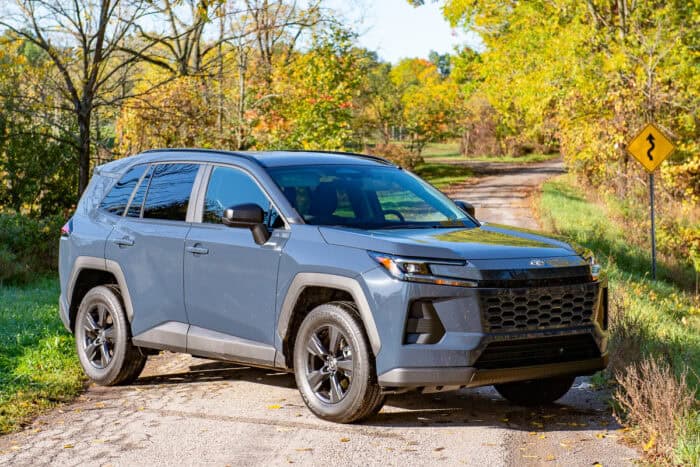
Toyota doesn’t penalize you for choosing the entry-level RAV4. The base 2026 RAV4 uses the exact same 2.5-liter naturally aspirated four-cylinder that powers the XLE, XSE, and most non-hybrid trims above it. That means identical horsepower, identical torque, and the same long-term durability that Toyota’s reputation is built on.
There’s no detuned version, no scaled-back internals, and no sneaky downsizing. Just the same proven powertrain that makes the RAV4 one of the most trusted SUVs on the road. For everyday driving, the base model performs virtually the same as its more expensive siblings.
2. Full Toyota Safety Sense Standard

One of the smartest reasons to consider the base RAV4 is that Toyota doesn’t gatekeep safety tech behind expensive trims. Toyota Safety Sense comes standard, giving even entry-level buyers adaptive cruise control, lane keeping assist, automatic high beams, and pre-collision braking with pedestrian detection.
These are the same core safety features you’ll find on the pricier XSE and Limited models. For families, new drivers, or anyone who values peace of mind, the base trim delivers the same protective features as the rest of the lineup. You’re not sacrificing active safety, and that alone makes the LE a strong value. Also, every 2026 RAV4, including the base LE, gets Toyota’s new 12.3-inch digital gauge cluster. Nice.
3. Same Cargo Space and Everyday Usability
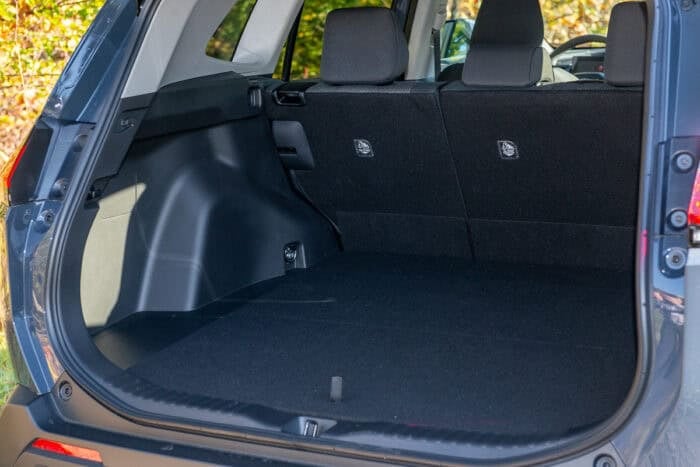
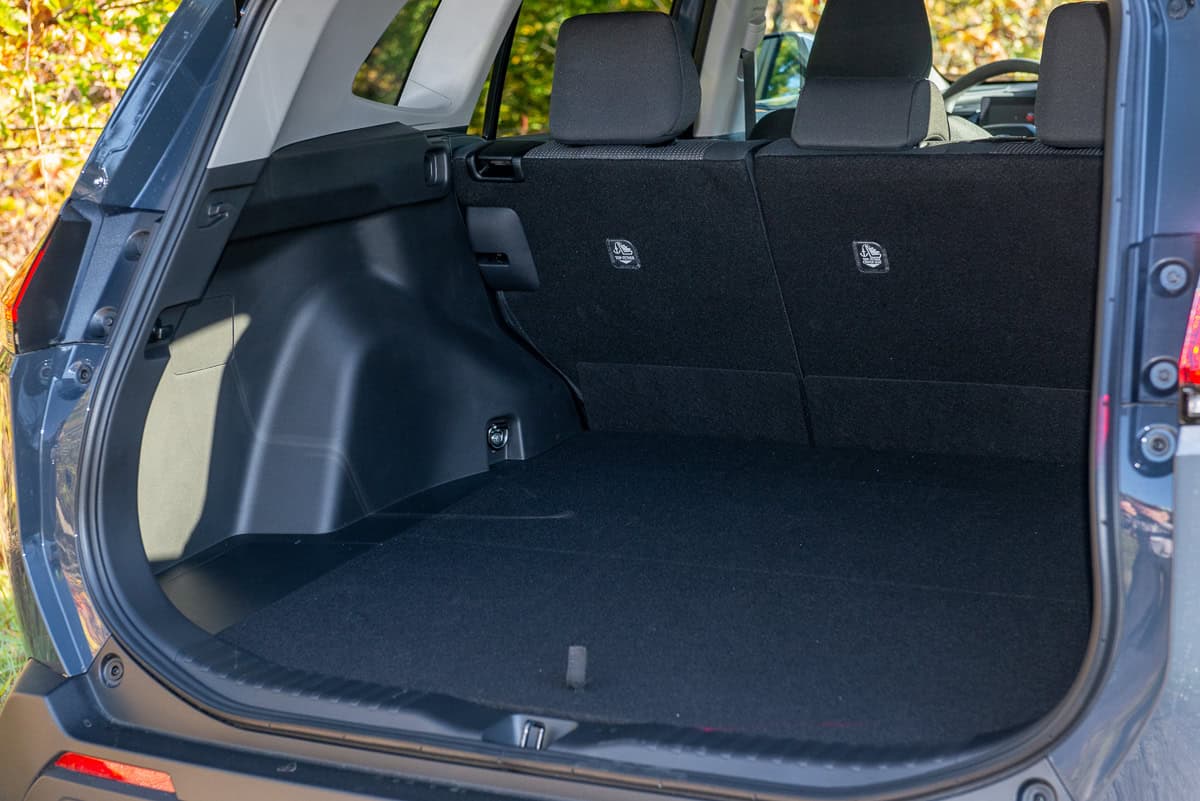
Space is where the RAV4 really earns loyalty, and the base LE gives you the full experience. You get the same cargo volume, the same wide liftgate opening, the same fold-flat rear seats, and the same practical cabin layout found on higher trims. And it’s all been increased for 2026 compared to the outgoing model.
- Cargo space (behind rear seats): ~37.6 cu ft
- Max cargo space (seats folded): ~69.8 cu ft
The everyday strengths of the RAV4 (visibility, seating position, maneuverability, and ease of use) don’t change as the price goes up. Whether you’re loading hockey gear, road-tripping with kids, or tackling Costco runs, the LE is every bit as capable as a Limited or XSE. The RAV4’s core utility isn’t tied to its price tag.
4. AWD Availability Even at the Entry Level
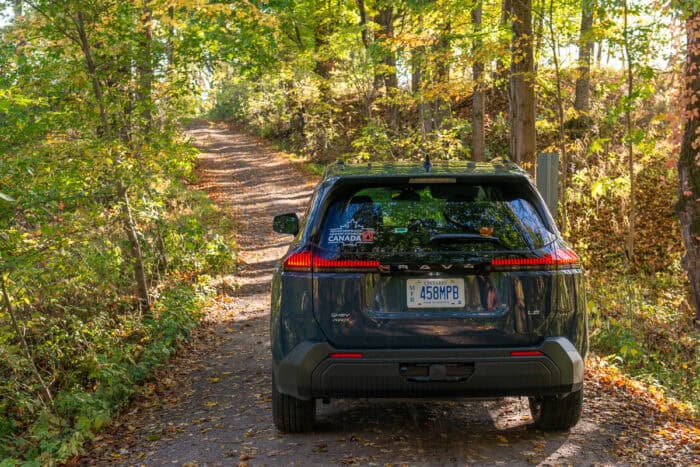
In both the U.S. and Canada, buyers can equip the base RAV4 LE with all-wheel drive, making it a legitimate year-round choice for harsh climates. Front-wheel drive remains standard, but the option for AWD gives shoppers flexibility without forcing them into a pricier trim. This is especially important for winter driving, gravel roads, or cottage-country weekends where extra traction matters.
Rivals don’t step up
Several compact SUV rivals, including the Honda CR-V, Hyundai Tucson, Kia Sportage, and Ford Escape, reserve AWD for mid-tier trims or as a pricey upgrade. Toyota lets you add it right at the entry level, which makes the LE a smarter choice for buyers who prioritize traction over tech.
| Model | Base Trim | AWD on Base? | Notes |
|---|---|---|---|
| Honda CR-V | LX | Optional | AWD is available but adds cost, even on base trims |
| Hyundai Tucson | SE / Essential | No | AWD typically begins on SEL / Preferred and above |
| Kia Sportage | LX | No (market-dependent) | AWD usually requires a specific AWD configuration or higher trim |
| Nissan Rogue | S | Optional | AWD is offered, but pricing and packaging often push buyers up trims |
| Ford Escape | Active | Optional | AWD available as an upgrade or on higher trims |
| Mazda CX-5 | Base / GX | Sometimes | AWD is standard in some markets, optional in others |
5. Lower Cost to Own: Tires, Insurance, Maintenance
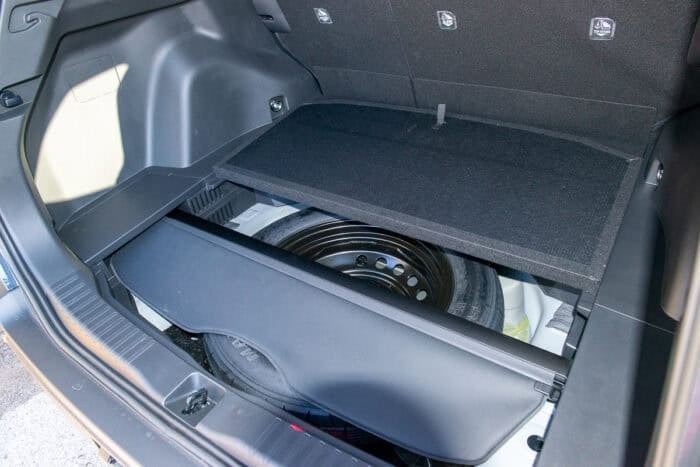
One underrated advantage of choosing the base RAV4 is how much money it saves you over the long run. Smaller wheels mean cheaper tire replacements, especially winter sets. Insurance premiums often come in lower compared to feature-heavy trims. And with fewer complex systems and fewer high-end electronics, maintenance tends to stay predictable and straightforward. (Of course, check with your insurance provider to get the firm numbers here.)
You’re also not paying for premium materials, larger screens, or luxury features you may not use daily. The LE delivers all the essential RAV4 strengths (reliability, efficiency, safety, and usability) while keeping ownership costs pleasantly manageable year after year.
Takeaway




We all love the finer things in life. But sometimes, just sometimes, the extra frills aren’t necessary, especially when it comes to the bulletproof powertrain, sufficient cargo space, no-compromise safety tech, the option for additional capability, and more affordable running costs. There’s a reason the RAV4 has been going strong for decades, now in its sixth generation. If you don’t need the extras and can’t break the bank, go for the newly designed RAV4 LE.
2026 Toyota RAV4 Price
2026 Toyota RAV4 Hybrid Pricing (US)
US pricing shown reflects manufacturer MSRPs at launch.
| Trim | FWD (USD) | AWD (USD) |
|---|---|---|
| LE | $31,900 | $33,300 |
| SE | $34,700 | $36,100 |
| XLE Premium | $36,100 | $37,500 |
| Woodland | N/A | $39,900 |
| XSE | N/A | $41,300 |
| Limited | N/A | $43,300 |
2026 Toyota RAV4 Plug-in Hybrid (PHEV) Pricing (US)
PHEV models are expected to arrive in spring 2026. Final pricing for all grades will be confirmed closer to launch.
| Trim | Starting MSRP (USD) |
|---|---|
| SE Plug-in Hybrid | $44,815 |
| XSE Plug-in Hybrid | $48,685 |
| GR Sport Plug-in Hybrid | TBD |
2026 Toyota RAV4 Pricing (Canada)
| Trim (AWD) | Starting MSRP (CAD) | Estimated Vehicle Price* (CAD) |
|---|---|---|
| LE AWD | $37,500 | $41,158 |
| XLE AWD | $41,300 | $44,958 |
| XLE Premium AWD | $43,800 | $47,458 |
| Woodland AWD | $47,000 | $50,658 |
| XSE AWD | $50,900 | $54,558 |
| XSE Technology AWD | $52,450 | $56,108 |
| Limited AWD | $52,000 | $55,658 |
*Estimated vehicle price includes freight, PDI, and applicable fees; taxes not included.