
For years, a friend of mine debated between buying a new hot hatch or muscle car. Then he realized something: for roughly the same money, he could step into a three-year-old Porsche Cayman. Two weeks later, he did. He’s not alone. Thanks to depreciation, used luxury cars often cost no more than a brand-new mainstream vehicle. But while the purchase price may be comparable, ownership is not.
Here’s what to understand before committing to a pre-owned luxury vehicle.
Luxury Vehicle Depreciation Works to Your Benefit

Luxury cars tend to scare off many used-car buyers, mainly because they can be expensive to maintain once the warranty has expired. But there are ways to get behind the wheel without breaking the bank.
The first ace up your sleeve is depreciation, the rate at which a vehicle loses value after it goes home with its first owner. The difference between the new car selling price and what it’s worth after a given period of time is a vehicle’s resale value. The rate of depreciation varies from model to model based on a number of factors, including the brand’s reputation for durability, the vehicle’s desirability, and the incentives that were/are available on the same car brand new.
If desirability alone dictated resale value, then most luxury cars and trucks would depreciate very little, but there are factors that affect premium vehicles that are less common in the rest of the marketplace.
Steady Supply as Upscale Vehicles are Leased and Returned
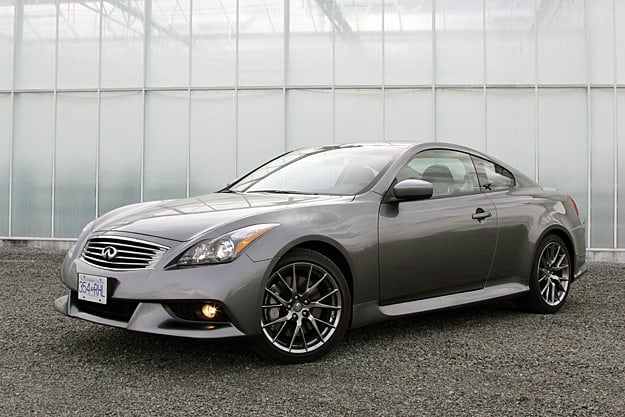
For one, many upscale vehicles are leased, meaning there’s a steady flow of used models as vehicles are turned in at the end of those leases. That makes for a healthy pool of popular vehicles like the BMW 3 Series, Mercedes-Benz C-Class, and Infiniti G35/G37/Q50. Demand for these cars is relatively high, but so is supply, which helps dampen resale values somewhat. Higher-end luxury cars, like the BMW 7 Series, Lexus LS, and Benz S-Class, lose value more rapidly, largely because few used buyers are willing to risk the big repair bills that come once these big, complicated cars are out of warranty.
Value and Volume

When this article was originally written in the mid-2010s, the used luxury market illustrated depreciation in dramatic fashion. Data from the Canadian Black Book at the time showed just how quickly premium vehicles could lose value within their first three years.
For example, a 2011 BMW 328i that carried an MSRP of roughly $41,500 was valued at just over $20,600 after three years — roughly half its original price. Meanwhile, a similarly aged Honda Accord retained a higher percentage of its value despite its lower starting MSRP.
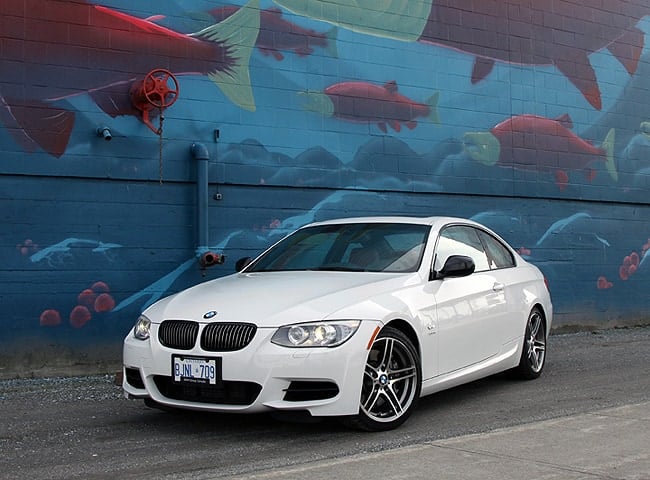
At the very top of the market, the effect was even more pronounced. A 2011 Mercedes-Benz S550 that originally sold for over $120,000 could be found three years later for nearly half that amount.
Market conditions change, but the principle remains: luxury vehicles often depreciate faster than their mainstream counterparts, creating opportunity for second owners willing to accept higher ownership costs.
Budget for Ownership, Not Just Purchase Price
Luxury vehicles often include advanced suspension systems, turbocharged engines, complex infotainment technology, and premium materials. These features enhance comfort and performance, but they can also increase long-term costs.
Air suspension components, adaptive dampers, performance brakes, and large-diameter tires are more expensive to service than their mainstream equivalents. Even routine maintenance, such as brake jobs or sensor replacements, can cost significantly more.
Before buying, research typical ownership costs and determine whether an independent specialist in your area services the brand you’re considering. The savings over dealership labor rates can be substantial.
Take advantage of reliability issues with high-end vehicles and Certified Pre-Owned (CPO) programs
As with any car, reliability is also a factor in whether a used luxury vehicle is a worthwhile choice. The unfortunate truth is that many upscale cars aren’t as dependable as more affordable vehicles. Some of that has to do with the complicated nature of some features common in upscale cars.
Most manufacturers, luxury and otherwise, offer CPO programs now, but they’re most useful for luxury buyers, particularly for the extra warranty coverage.
My friend bought his Cayman through Porsche’s certified pre-owned (CPO) program, through which used cars are subject to a mechanical inspection, and those deemed eligible are sold with manufacturer-backed extended warranty coverage. In Porsche’s case, this adds two years and 80,000 km to what’s left of the factory warranty; cars whose factory coverage has expired get a two-year warranty valid for up to 160,000 total kilometers.
Most manufacturers, luxury and otherwise, offer CPO programs now, but they’re most useful for luxury buyers, particularly for the extra warranty coverage. Many upscale cars are considerably more complicated than those sold by non-luxury brands, and the high-tech components and systems built into them are expensive to repair and maintain. Plus, parts and labour are usually more expensive, and repair procedures specialized.
Certified Pre-Owned programs often carry a price premium, but the added warranty coverage can provide valuable peace of mind. In the luxury segment, where repair costs can escalate quickly, factory-backed coverage may justify the higher upfront cost.
Takeaway
Buying a used luxury car can be a smart way to experience premium performance and comfort for far less than the original sticker price. The key is understanding what you’re stepping into. Depreciation creates opportunity. Careful research protects you from surprises. When those two align, a used luxury vehicle can make far more sense than buying new.