

Winter tires aren’t all built the same. And if you drive in areas with freezing rain, hard-packed snow, or black ice, the difference between studded, studdable, and studless winter tires can be huge. Each serves a different purpose, and choosing the wrong type can hurt traction, safety, and even cost you a fine in places where studs are restricted.
This guide breaks down what studdable winter tires are, how they differ from studded and studless versions, where they work best, and the pros and cons of using metal studs on winter roads.
Studded vs Studdable vs Studless Winter Tires: Key Differences
Before diving into pros and cons, here’s the simple breakdown:
| Tire Type | How It Works | Best For | Downsides |
|---|---|---|---|
| Studded | Metal studs permanently installed from the factory | Extreme ice, freezing rain, mountain passes | Loud, worse on dry roads, illegal in many regions |
| Studdable | Standard winter tire molded to accept optional metal studs | Freeze–thaw climates, mixed conditions, flexibility | Must install/remove studs seasonally; noisy with studs |
| Studless | Advanced rubber compounds + aggressive siping for snow/ice | Urban winter driving, deep snow, slush | Not as effective as studs on pure ice |
Studdable tires are essentially the middle ground — a winter tire that can be run as normal, or upgraded with studs when conditions truly demand it.
What Exactly Are Studdable Winter Tires?
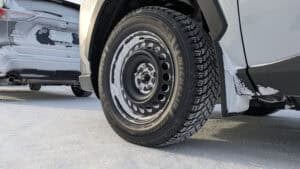
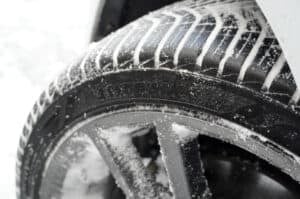
Studdable winter tires use the same cold-weather rubber compound and aggressive tread design found on studless winter tires, but they’re molded with pre-drilled pinholes that can accept metal studs. Manufacturers design studdables to work effectively in wet ice, sleet, freezing rain, and transitional weather, where roads swing between frozen and wet. This gives you two ways to use them:
- Without studs: behaves like a standard winter tire
- With studs installed: gains added bite on ice and hard-packed snow
Where Studded Tires Are Legal (U.S. & Canada)
Studded tires are regulated, and laws vary widely:
- Fully Allowed (seasonal): Alaska, Colorado, Idaho, Montana, Oregon, Washington, Wyoming, Vermont, New Hampshire, Utah, many northern states
- Restricted / limited to certain months: New York, Pennsylvania, Minnesota, Wisconsin, Michigan, Massachusetts, Ohio, Maryland
- Mostly Prohibited: Florida, Texas, Louisiana, Alabama, Mississippi, and several southern states
Canada: Seasonal use allowed in BC, Alberta, Saskatchewan, Manitoba, Quebec, Newfoundland, New Brunswick. Dates vary by province. Always check local regulations before installing studs — fines can be steep.
When Studs Actually Help (Real Driving Scenarios)
Metal studs give you a real advantage when driving on:
- Black ice after freezing rain
- Polished, hard-packed snow on mountain passes
- Rural or unmaintained roads that freeze solid at night
- Wind-polished ice on open prairies
- Freeze–thaw cycles where surfaces repeatedly refreeze
In these conditions, studs act like tiny anchors that dig through surface ice and improve stopping distance and cornering stability.
When Studs Can Make Traction Worse
Studs aren’t ideal for every winter environment. They can reduce performance when:
- Roads are wet, not frozen
- Pavement is bare or mostly dry
- Temperatures hover just above freezing
- You’re doing long highway drives
- You need maximum braking grip on dry asphalt
Studs reduce contact between the tire and road, increasing stopping distances and road noise — especially on dry pavement.
Pros of Studdable Winter Tires
1.Flexibility you don’t get with studded or studless tires
You choose when (or if) to install studs.
Run them without studs most of the winter, then add studs if conditions worsen.
2. Better traction on pure ice when studs are installed
Studs dig into frozen surfaces that even premium studless tires struggle on.
3. Legal workaround in many regions
In areas where factory-studded tires are banned, studdable winter tires can be run safely without studs.
4. Modern winter compounds still perform well without studs
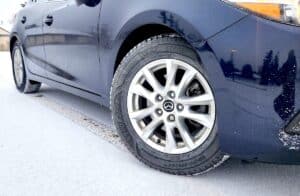
Today’s studless-derived rubber compounds remain soft and grippy even without the metal anchors installed.
Cons of Studdable Winter Tires
1. Studs require seasonal installation and removal
You must add studs before winter and remove them once roads dry out.
2. Road noise increases significantly with studs
Expect a metallic clicking sound at low speeds and a humming at highway speeds.
3. Studs wear down faster on bare pavement
Running studs on dry asphalt reduces performance and damages road surfaces.
4. Not ideal on wet, slushy, or mixed conditions
In these cases, modern studless tires usually perform better.
How to Use Studdable Tires Properly
To get the most out of studdable winter tires:
- Install studs before the season starts — don’t insert studs into worn tread
- Break them in over the first 300–500 km of gentle driving
- Always install studs in sets of four
- Remove studs before warmer weather to avoid excessive wear
- Avoid long dry-road highway trips with studs installed
Takeaway: Are Studded or Studdable Tires Worth It?
Choose studdable (or studded) winter tires if you:
- Regularly encounter ice, freezing rain, or hard-packed snow
- Drive rural highways, mountain passes, or unmaintained winter roads
- Want the option to run studs only during the worst parts of winter
- Live in a region where studs are legal or seasonally allowed
Skip them if you:
- Drive mostly in the city
- See more slush and snow than ice
- Prioritize ride quietness and comfort
- Live somewhere studs are not permitted
For most drivers in urban winter climates, premium studless tires are still the best overall choice.
But if ice is a real concern, studdable tires offer a smart middle ground — the winter versatility most all-seasons can’t touch.