
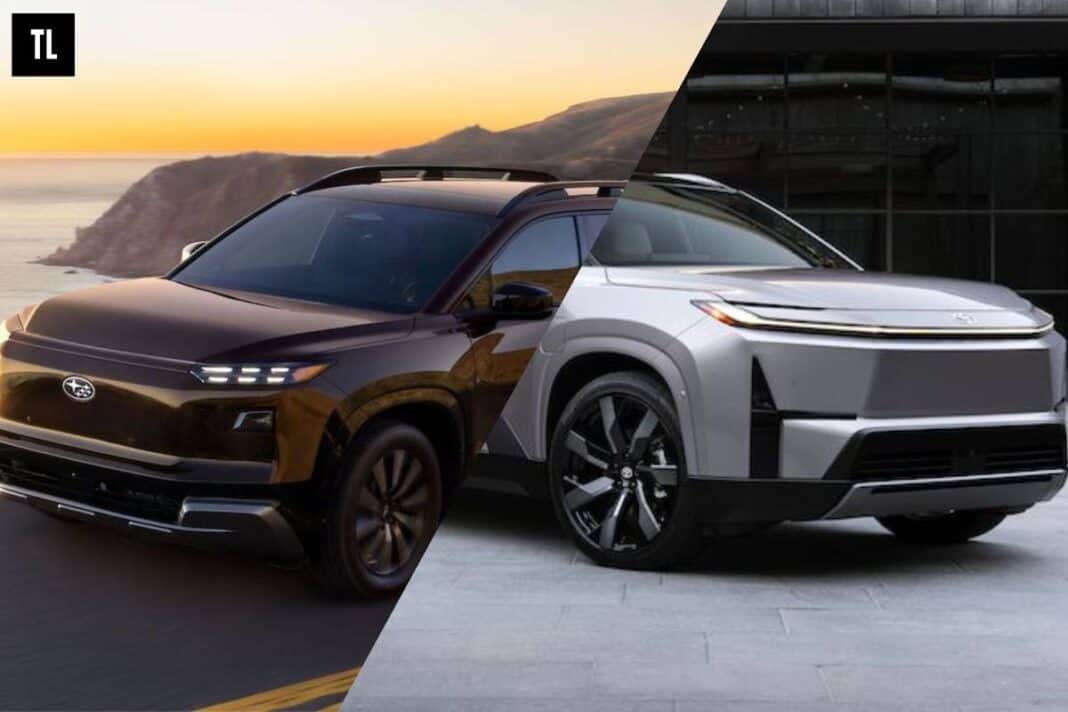
It’s not every day you get two three-row electric SUVs that are this closely related and yet feel so intentionally different. On paper, the new 2027 Subaru Getaway and Toyota’s Highlander EV share plenty: platform, battery strategy, and general sizing. But spend even a few minutes looking at the specs and you start to see a clear divergence in philosophy.
Two Different Philosophies
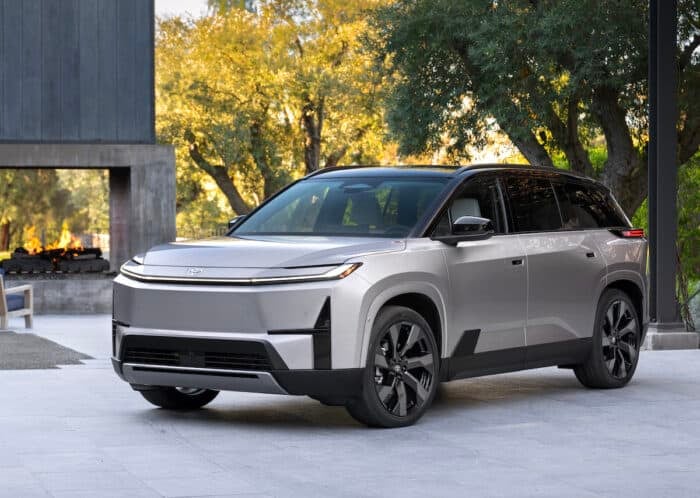
Toyota, as expected, plays it straight. The Highlander EV fits neatly into the brand’s long-standing approach: offer choice, keep things approachable, and don’t scare off the core buyer. That means multiple configurations, including a front-wheel-drive base model with 221 horsepower and a smaller 77-kWh battery, stepping up to 338 horsepower and available all-wheel drive with the larger pack. Range tops out around 320 miles, depending on configuration, and everything about it feels designed to meet buyers where they are. Subaru, on the other hand, didn’t just tweak the formula. It kind of ignored it.
Subaru Goes All In on Power
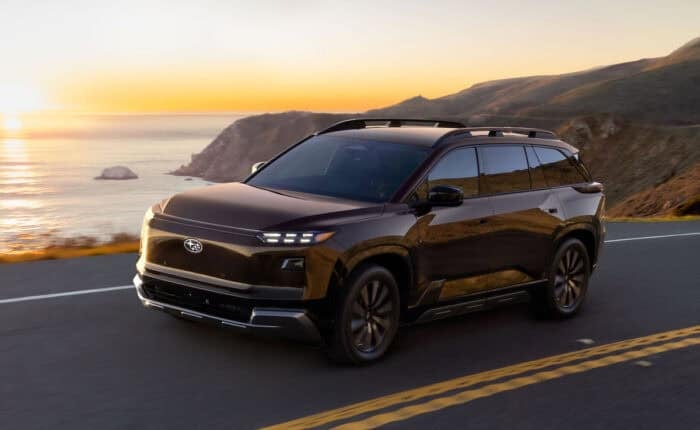
Every Getaway comes standard with dual motors, Symmetrical All-Wheel Drive, and a combined 420 horsepower. There’s no slower, entry-level version (at least not at launch), no front-drive compromise, and no attempt to soften the pitch. This thing does 0–60 in under five seconds, which is a slightly absurd stat for a three-row family SUV, but also very on-brand for Subaru in a different way. Where Toyota is hedging, Subaru is leaning in.
Specs: Where Subaru Pulls Ahead
| Spec | Subaru Getaway vs Toyota Highlander EV |
|---|---|
| Power | 420 hp (Getaway) vs 338 hp (Highlander EV AWD) |
| 0–60 mph | Under 5 seconds (Getaway) vs ~5+ seconds (Highlander EV est.) |
| Drivetrain | Standard AWD (Getaway) vs FWD or AWD (Highlander EV) |
| Base Power | 420 hp (Getaway) vs 221 hp (Highlander EV base FWD) |
| Battery (Max) | 95.8 kWh (both) |
| Range (Max) | 300+ miles (Getaway est.) vs up to 320 miles (Highlander EV) |
| Towing | 3,500 lb (Getaway) vs TBD |
Similar Space, Different Execution
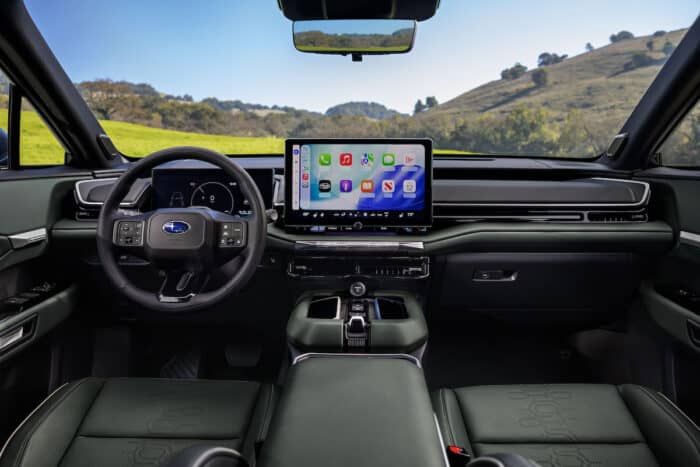
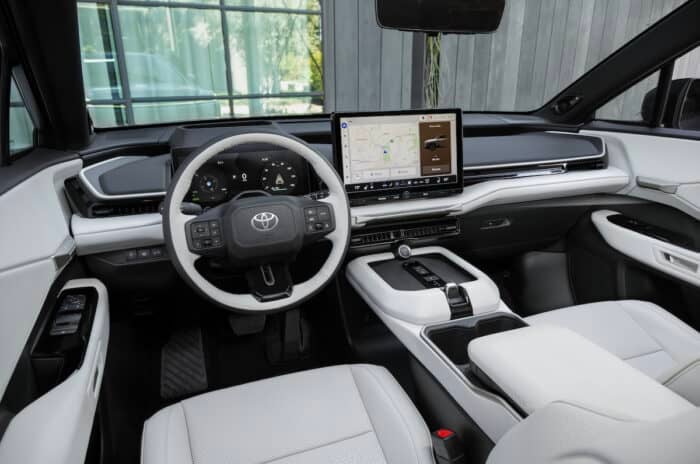
That difference carries through to how the two are positioned. The Highlander EV feels like a natural extension of Toyota’s hybrid-first strategy—measured, scalable, and built to slot into existing production and pricing structures. The Getaway, meanwhile, feels more like a statement piece. It’s bigger than the outgoing Ascent, more powerful than anything Subaru has ever sold, and clearly aimed at buyers who want their family hauler to have a bit of edge.
Interestingly, both brands land in roughly the same place when it comes to usability. Interior space is generous across the board, with seating for up to seven, similar battery sizes at the top end (both around 95 kWh), and comparable cargo space behind the second row.
What Buyers Will Actually Care About
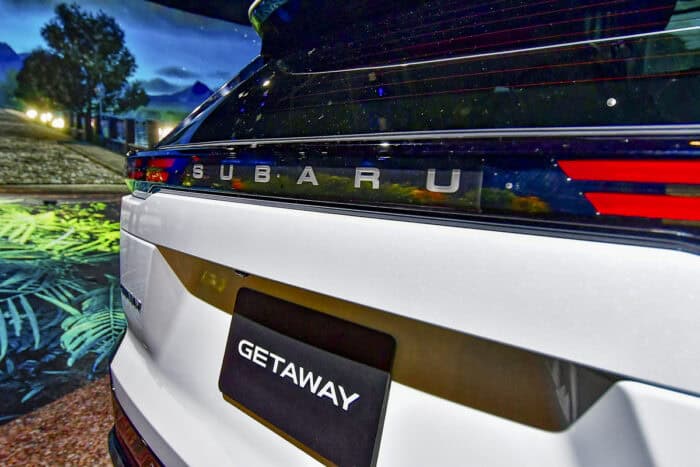
Where things get more nuanced is in how buyers will actually shop these. Toyota gives you flexibility: front- or all-wheel drive, multiple battery sizes, and likely a wider price spread. That’s going to matter, especially in a segment where cost is still one of the biggest barriers to entry. Subaru simplifies things, but in doing so, it also raises the floor—more power, more capability, and likely a higher starting price to match.
Takeaway: Which One Should You Choose?
So which one is “better”? It depends on what you want. If you’re looking for a familiar, easy transition into EV ownership with the backing of Toyota’s methodical approach, the Highlander EV makes a lot of sense. But if you want something that feels a little more distinctive (faster, more capable, and arguably more interesting), the Getaway stands out immediately. Same roots, same segment. Two very different takes on what a family EV should be.