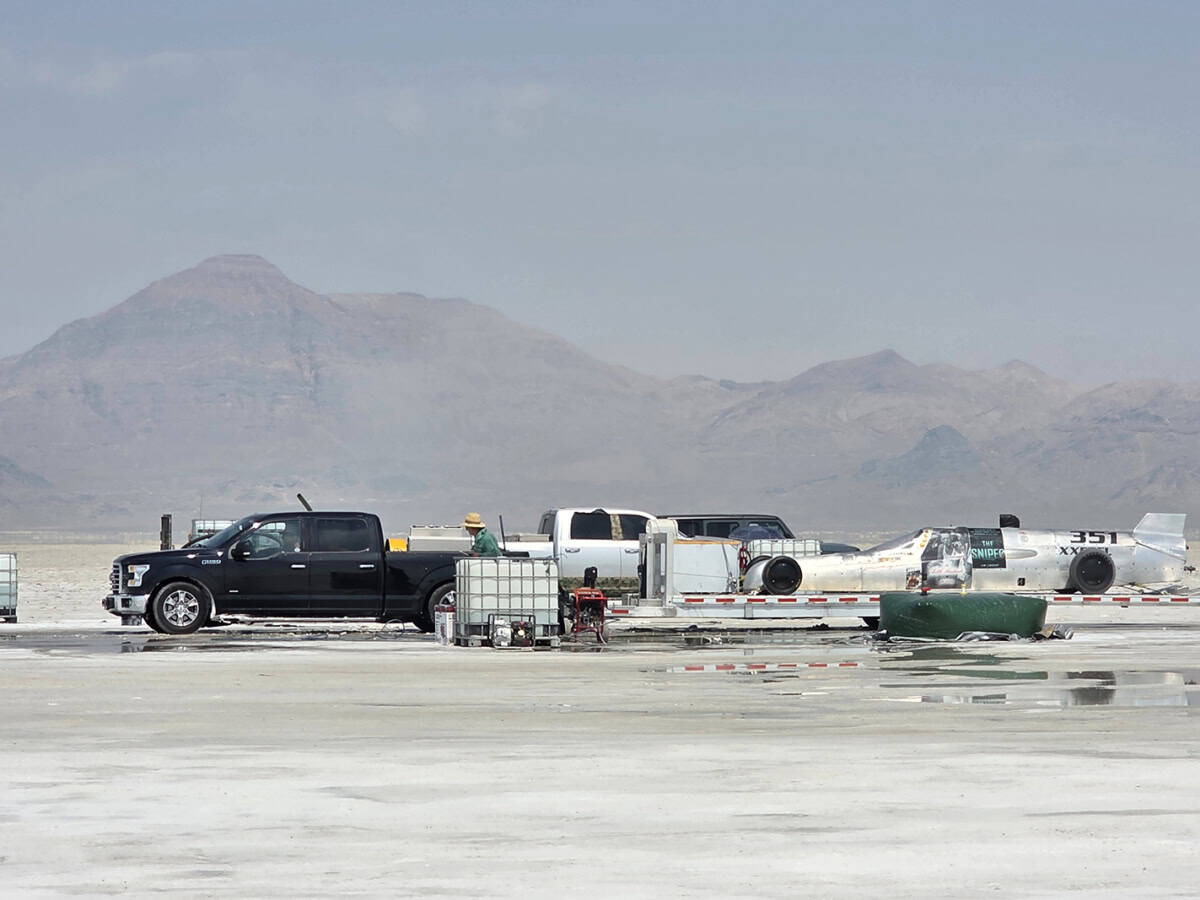


There’s nothing more invigorating than the sensation of speed. As a child, we seek it out by riding our bicycles and skateboards down the biggest hills we can find, carving up the slopes on skis and snowboards, or ripping through the trails on a quad or mini-bike. As we get older and our pockets get deeper, we continue to find ways to satiate our thirst for speed. Some of us buy fast cars, boats, and motorcycles, while others pursue extreme sports activities or try their hand at racing. One thing is certain: speed is addictive, and it provides us with a means to test our mettle and feel alive.
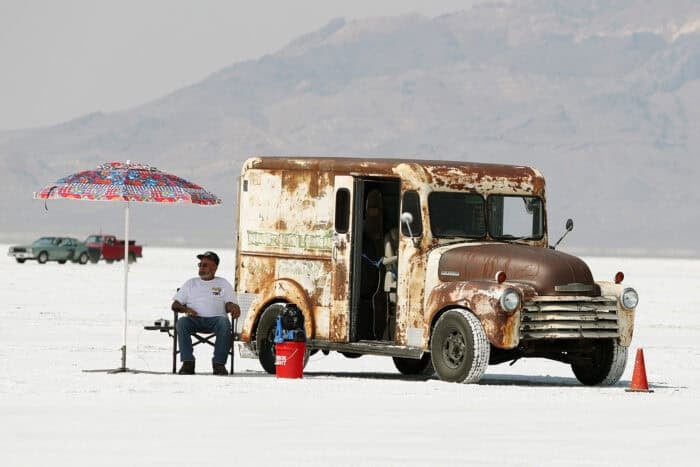
For some individuals, this quest will eventually lead them to Utah’s Bonneville Salt Flats, an ultra-flat 40,000-acre deposit of coarse salt that was formed when ancient Lake Bonneville evaporated, which becomes a temporary racetrack several times each year. It is here that land-speed racing was born, a discipline in which competitors attempt to travel as quickly as possible over measured sections of the Bonneville salt. More speed records have been set on this surface than anywhere else on the planet, so there are few places as closely associated with speed as Bonneville.
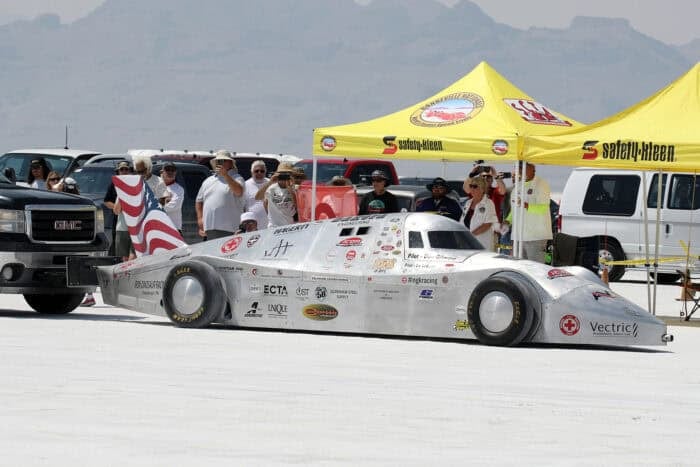
Speed Week, the largest event, takes place here annually early in August, and hundreds of racers, engineers, mechanics, and spectators gather in this unforgiving environment as they have for the better part of a century. The event is organized by the Southern California Timing Association (SCTA) in cooperation with Bonneville Nationals Inc. (BNI). Together, these organizations coordinate every aspect of the event, including overseeing the competition, preparing the track surface, performing technical inspections, monitoring timing, establishing safety procedures, and certifying records.
Related – Art, Horsepower, and Hope: Inside One Man’s Extraordinary Collection
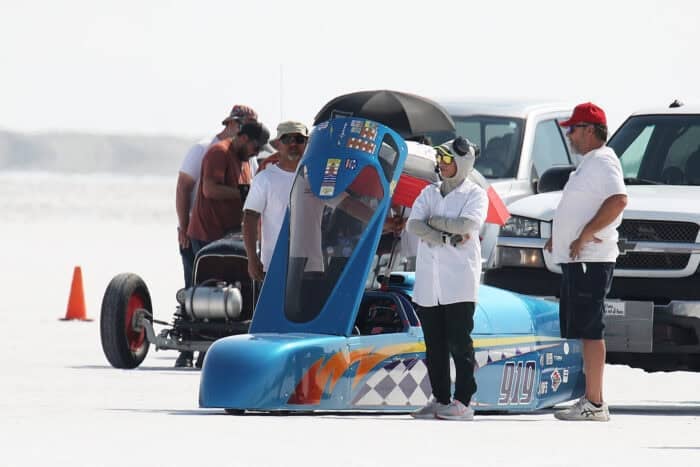
At the heart of Speed Week are the competitors – the people willing to spend enormous amounts of time and resources building, modifying, and refining their vehicles for what amounts to just a few moments of competition on the salt. This diverse group of individuals competes in all manner of vehicles to test their physical and mental limits, driven by determination and courage as they hope to put their names in the record books.
The Pull of Bonneville
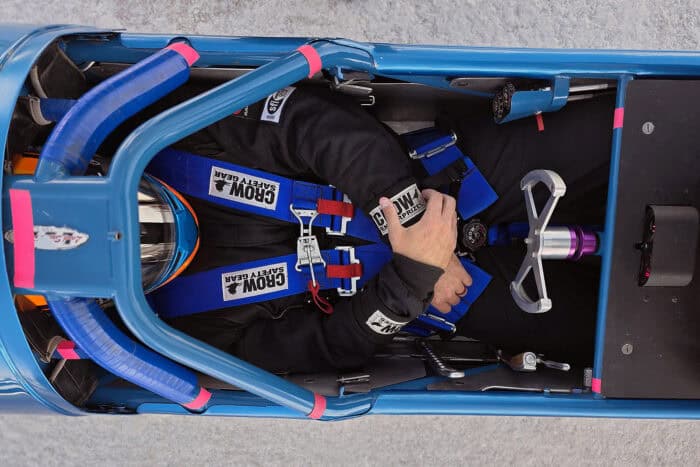
When I was a young boy, I remember reading about the pioneers of the sport and becoming enchanted by the exploits of Brits Sir Malcolm Campbell and Major Henry Segrave as they battled to best each other in pursuit of triple-digit milestones, piloting streamliners named Blue Bird and Golden Arrow. American icons Art Arfons and Craig Breedlove brought jet power to the salt with the Green Monster and Spirit of America, respectively, changing the game forever and pushing the extremes to new levels. I knew that one day I would make my way to this Mecca of speed, and 2026 seemed like a good year, as Andy Green, the world’s fastest man, was returning to Bonneville after 20 years to attempt to set a new record for Hydrogen-powered vehicles.
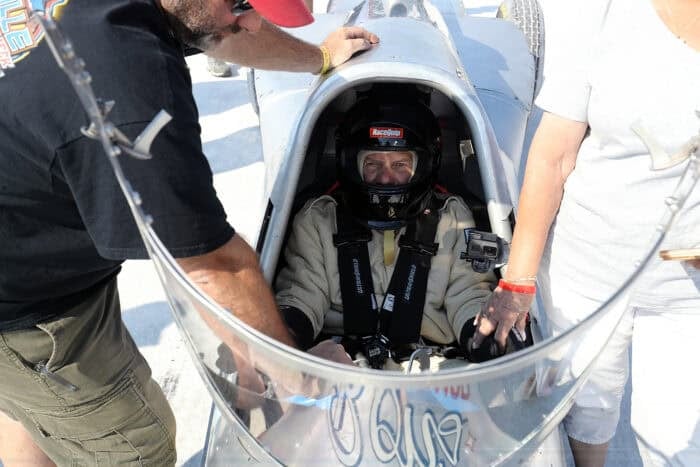
If successful, this would be the retired RAF fighter pilot’s third overall land speed record as he holds the fastest speed ever of 763.035 mph (1,227.986 km/h) in a jet-powered vehicle (ThrustSSC), and 350.092 mph (563.418 km/h) in a diesel-powered streamliner backed by tractor manufacturer JCB (DieselMax). JCB is also behind this year’s venture, and having a top-tier operation like the one they have assembled to run HydroMax brings a lot more attention to this year’s event.
“A trip to Bonneville should be on everyone’s bucket list, as there is no place as otherworldly and welcoming at the same time.”
I’ve covered major motorsport events as a photographer for years, and most tracks and sanctioning bodies operate similarly: timing is everything, and track activities must occur within the tight windows available, usually based on broadcast schedules. Bonneville is free of the confines of a television deal and instead produces a live stream on YouTube of all the action from the staging lanes and starting area. It feels much more low-key as there is little advertising and a very small media presence. The pit area feels like a campground as teams mix and mingle and fans make the rounds peeking into the small city of temporary garages. No big hoopla, just enthusiasts supporting each other as they follow their dreams.
Related – Electric Vibes: Formula-E Racing Series Hits the Streets of Montreal
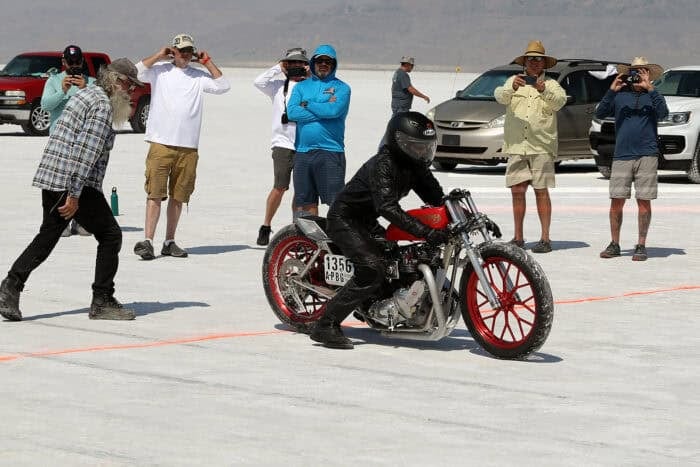
There are a number of things that make land-speed racing at Bonneville unique. Firstly, almost anyone can participate, as long as they hold a valid driver’s license, are medically cleared, and the vehicle they have selected or built is deemed safe to operate. As a result, there is an incredible variety of machinery running on the salt, including traditional hot rods and roadsters, as well as motorcycles, trucks, belly tankers, streamliners, and even electric and alternative-fuel platforms. Low-budget family garage builds compete on the same track as million-dollar aerodynamic marvels often supported by big corporate backers.
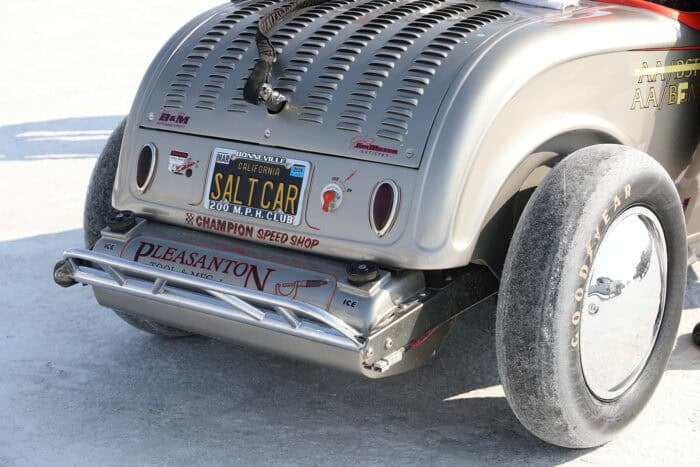
Unlike traditional motorsport activities, the schedule is rather wide-open. After set-up and inspection, drivers must attend a meeting to discuss all procedures and safety protocols, and then the track opens for a full day of runs. Early morning activities begin with record-return runs, followed by qualifying and test runs throughout the day. Cooler temperatures and less wind in the mornings usually favour faster times. The condition of the salt is better in the morning as well, as the intense heat typical of the region causes moisture to be drawn to the surface later in the day, making the salt sticky and, for some wheels, slippery.
Related – American Motorsports: Visiting the World of Speed Museum In Oregon
Out on the Salt
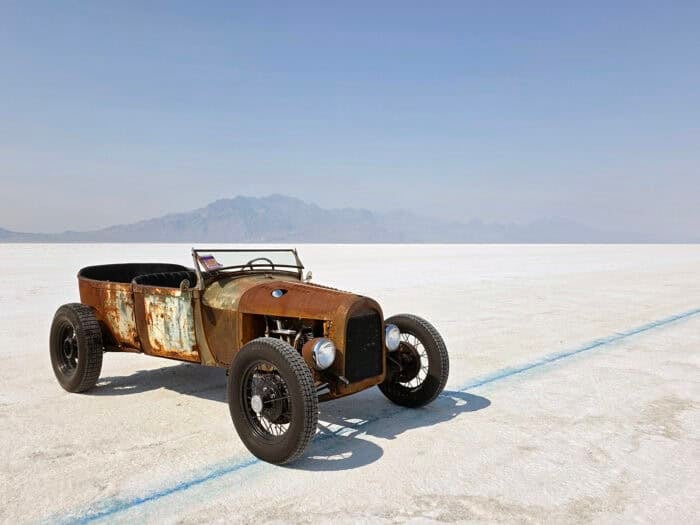
Organizers prepare up to four temporary tracks, of varying lengths, usually between five and eight miles long. These are freshly measured, graded, and marked onto the salt crust and have been designed to allow the wide variety of cars, drivers and experience levels to co-exist and get comfortable. The tracks are very wide, feature distance markers every quarter mile, and offer a number of exit roads for push and support vehicles to clear the racing line efficiently. The shorter tracks are timed for the first three miles, while the long ones record speeds up to the five-mile mark.
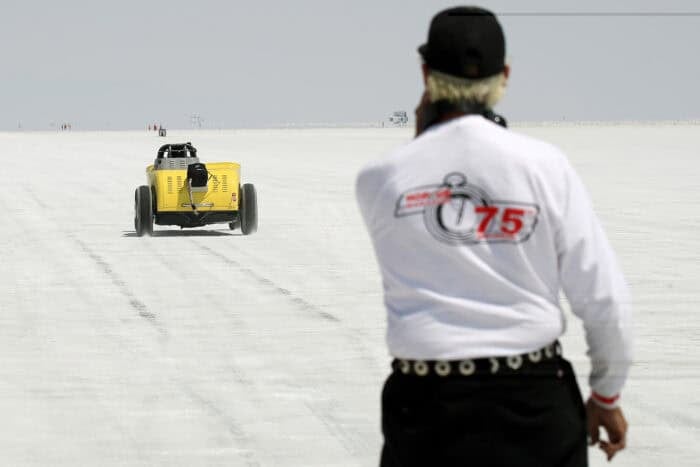
There is no official limit as to how many times you can run, as you are free to line up and run whenever a lane becomes open. Spectators tend to wander around the staging area to see the cars and racers up close, and the sidelines leading to the starting line are popular hangouts for dedicated enthusiasts and car spotters.
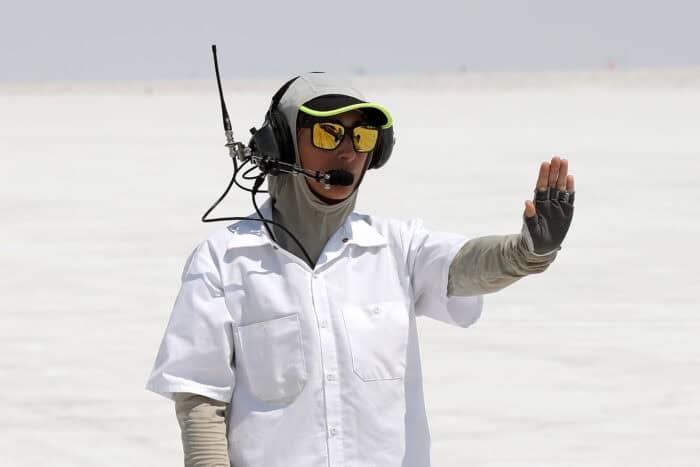

Where you run depends on what your ultimate speed goal is, the limits of your equipment, and what license you are able to attain. Each rookie driver must attend an orientation session and complete an initial speed-restricted run under the watchful eye of officials that requires the driver to demonstrate vehicle control while traveling between 125 and 150 miles per hour. If successful, drivers are then free to step up through graduated licensing tiers of pre-determined speed windows before being allowed to qualify for an Unlimited license, which permits runs beyond the 300 miles-per-hour threshold.
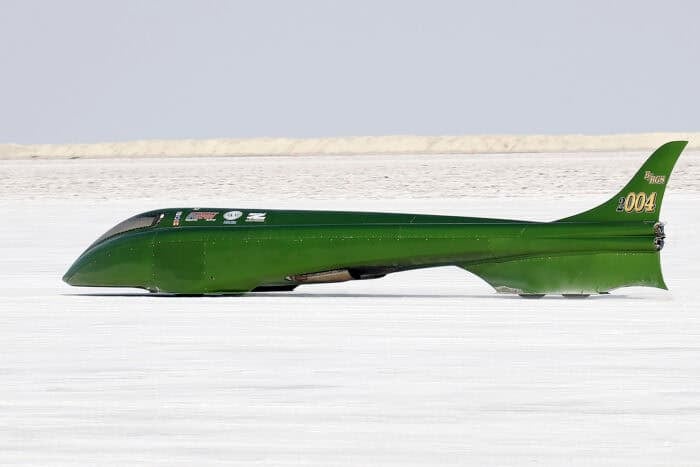
Unlike circuit racing, there are no corners to negotiate or opponents to bang wheels with as the driver and machine run alone against the clock. The objective is simple: accelerate to an outrageous speed while maintaining wheel-spin and control over an irregular surface through a timed section of track. If you manage to best a record during qualifying you will be directed to the official impound area where your vehicle will be secured over night and you will be required to complete a return run to back up the speed the following morning. The average of the two numbers becomes your official time.
More Than Horsepower
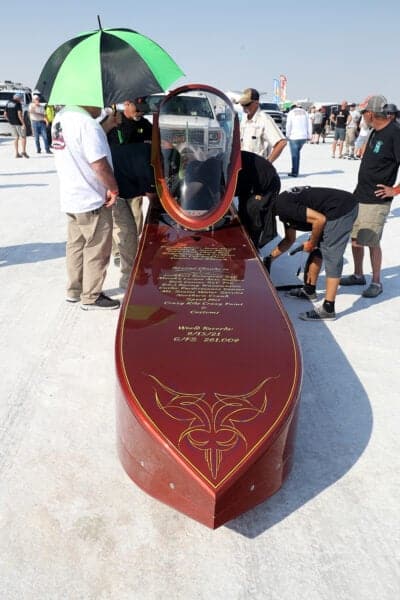
It quickly becomes apparent that success in land speed racing is never as simple as possessing the most powerful engine or lightest car, but instead requires consideration of a long list of factors such as aerodynamics, gearing, tire compounds, suspension settings, and driver experience. The veteran participants will also consider factors outside their control such as salt surface conditions, air temperature, and surface temperature and wind conditions. Luck also plays a huge role in a successful run at Bonneville.
Another oddity unique to land speed racing is the need for a push vehicle. Many competitors have set their cars up with gearing that is best for achieving maximum velocity rather than a fast launch, so having a truck push them away at the start helps preserve the clutch and reduce wheel-spin.
Related – Chat With F1 Champ and Area 27 Track Designer Jacques Villeneuve
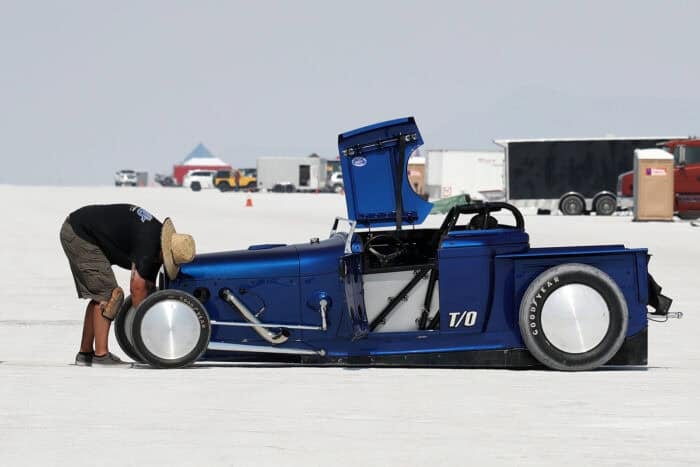
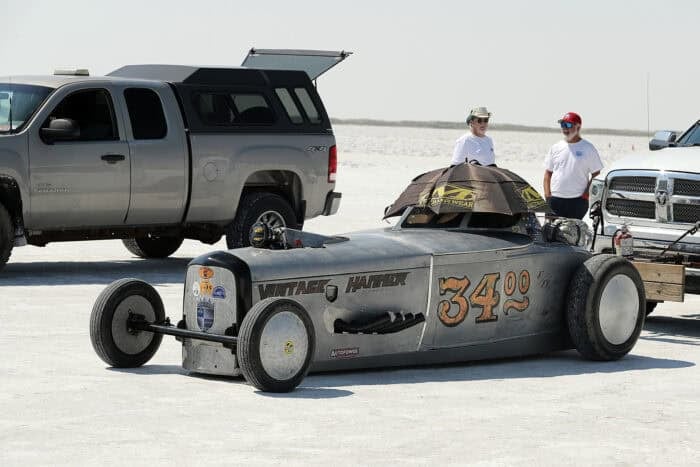
A trip to Bonneville should be on everyone’s bucket list, as there is no place as otherworldly and welcoming at the same time. There are plenty of rooms and services available 10-miles to the east in West Wendover, Nevada, and spectators can buy a pass at the gate for $25.00 which allows you to drive out to the track and get up close with some of the fastest vehicles and bravest souls on the planet. Should you wish to stay a little longer, a week-long pass is $60.00.
Bring plenty of water, sunscreen, sunglasses and a proper sun hat, as the combination of high elevation (4,236-feet) and high temperatures can be unforgiving. But the risk comes with the reward of witnessing one of the most special challenges in the motorsport world as a parade of men, women, and amazing machines launch into the desolate landscape in pursuit of their dreams.