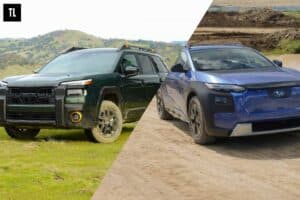

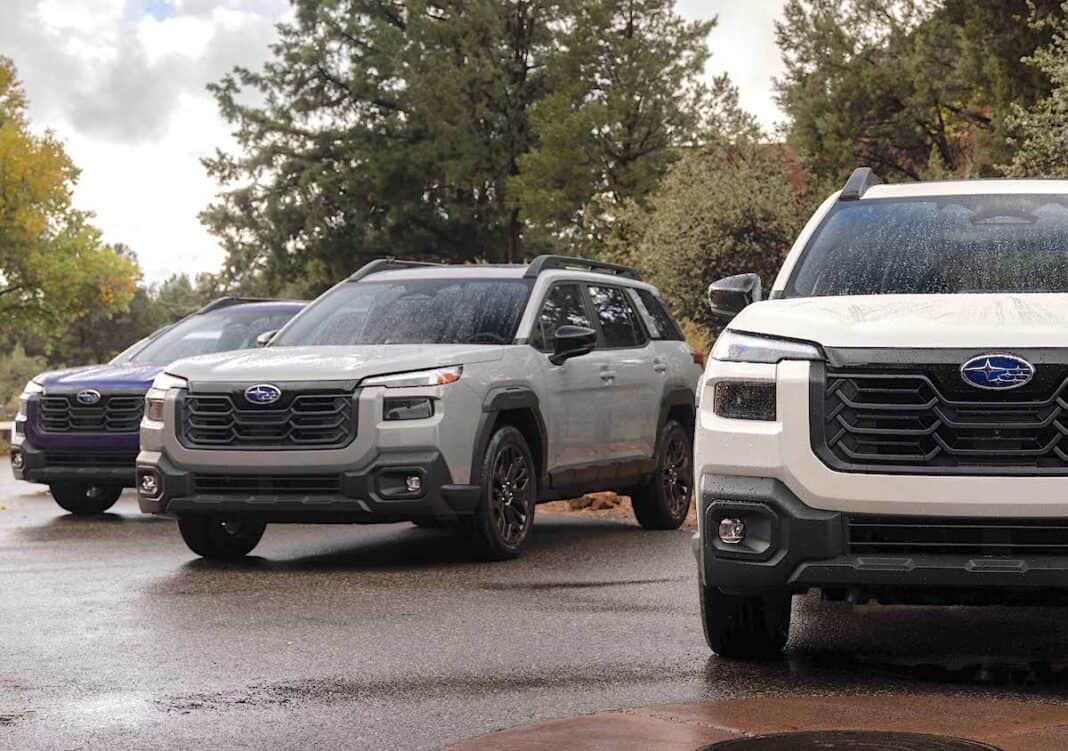
The Subaru Outback has never been the flashiest utility vehicle in the segment, but its honesty, capability and real-world practicality have earned it a fiercely loyal following. For 2026, Subaru sticks with its winning formula: rugged wagon looks (but not the wagon we’re familiar with), standard all-wheel drive, generous ground clearance, and a cabin built for families who use their vehicle year-round.
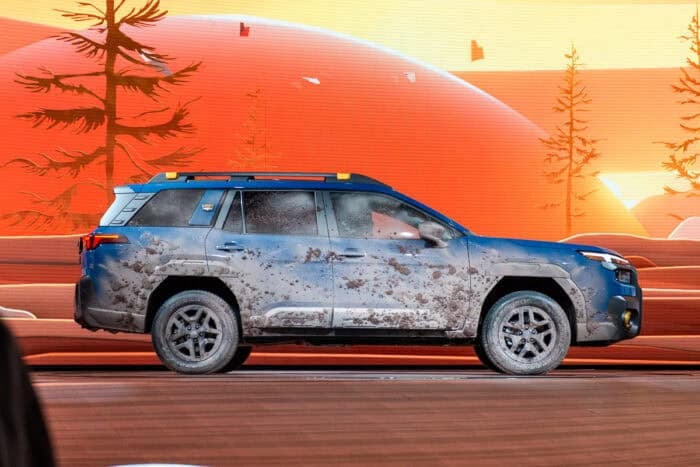
Still, even Subaru faithful admit the Outback is reaching a point where incremental updates aren’t hiding the fact that competitors are pushing harder on refinement, tech, and electrification. The Outback remains a value-rich utilitarian vehicle, but it also risks falling behind a new wave of more polished and efficient crossovers.
So, how does the 2026 Outback hold up? Here’s our take.
Performance and Driving Impressions: Just Go For the Turbo
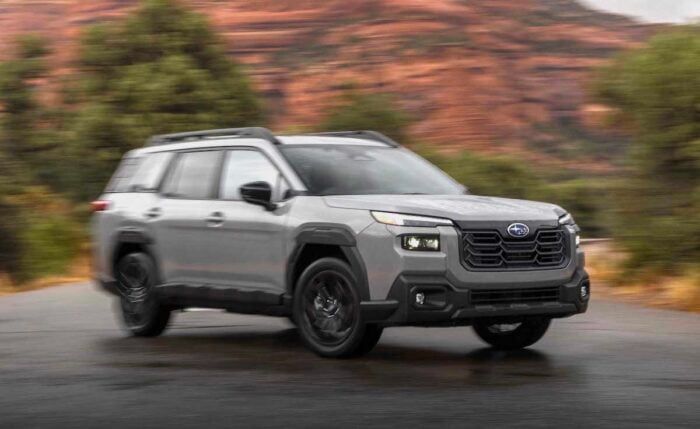
Subaru continues to offer two flat-four engines: a naturally aspirated 2.5-litre boxer delivering 180 hp and 178 ft-lb of torque and a punchier 2.4-litre turbocharged boxer with 260 hp and 277 ft-lb of torque. Neither engine is new, and the familiar CVT returns once again, as with the outgoing Outback. The base engine delivers adequate power; at least that is what we assume, since there was no base model on hand at the launch, but the new Outback is heavier, so we are not expecting super quick acceleration times.
With the competition racing ahead in refinement and electrification, the Outback’s charm now competes with its age.
In the US, three trims are equipped with the base engine (Premium, Limited and Touring), while the turbo engine is part of Limited XT, Touring XT and Wilderness. In Canada, only the base trim (Touring) is equipped with the 2.5-liter engine, while the 2.4-liter turbocharged is bolted on the Limited XT, Wilderness and Premier XT.
| Spec | 2.5L NA Flat-Four | 2.4L Turbo Flat-Four |
|---|---|---|
| Horsepower | 180 hp | 260 hp |
| Torque | 178 lb-ft | 277 lb-ft |
| Transmission | CVT | CVT |
| Availability | Base trims (U.S.: Premium, Limited, Touring; Canada: Touring) | XT & Wilderness trims (U.S.: Limited XT, Touring XT, Wilderness; Canada: Limited XT, Wilderness, Premier XT) |
Related – Subaru SUV Models Up Close: Smallest to Biggest
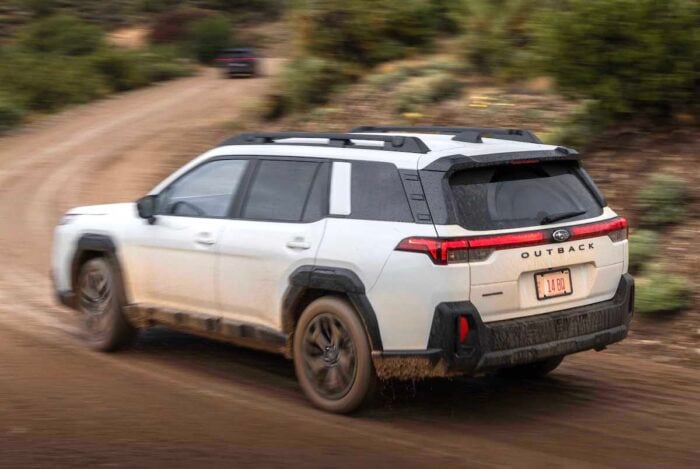
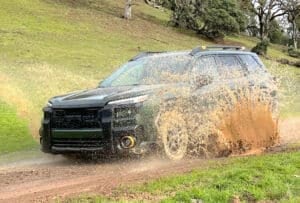
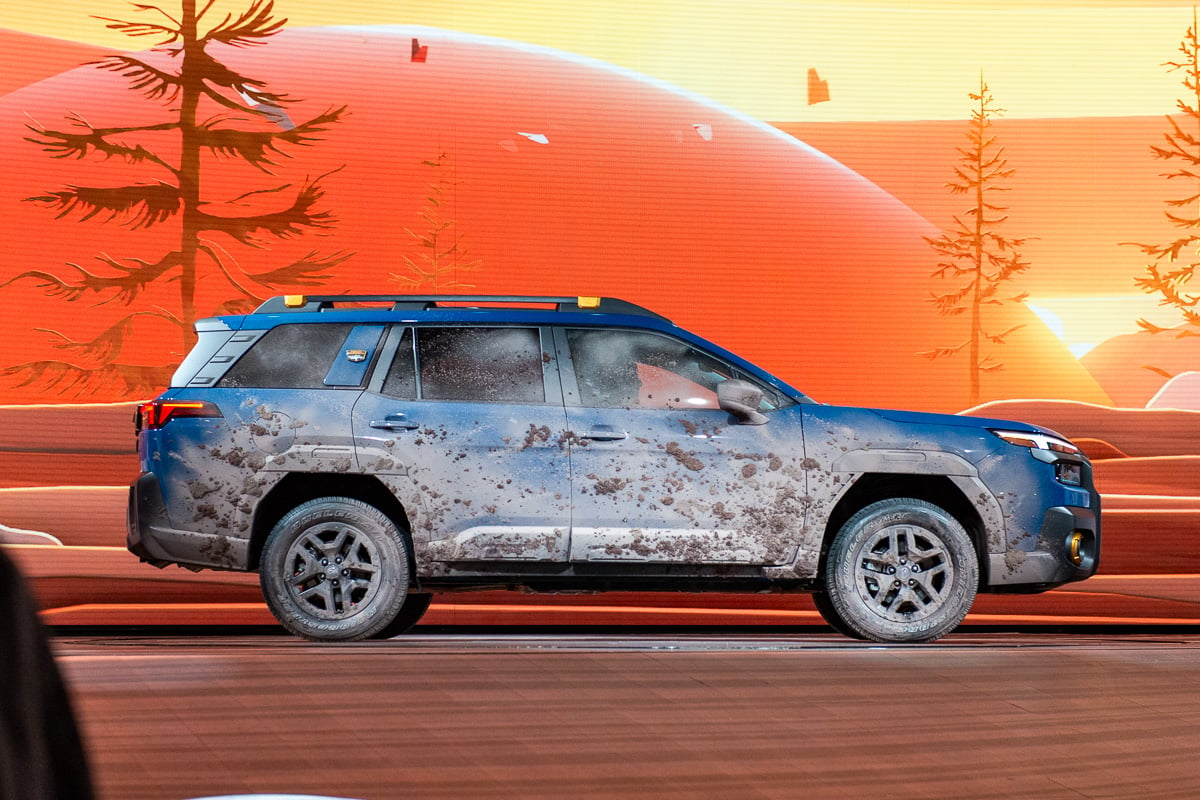
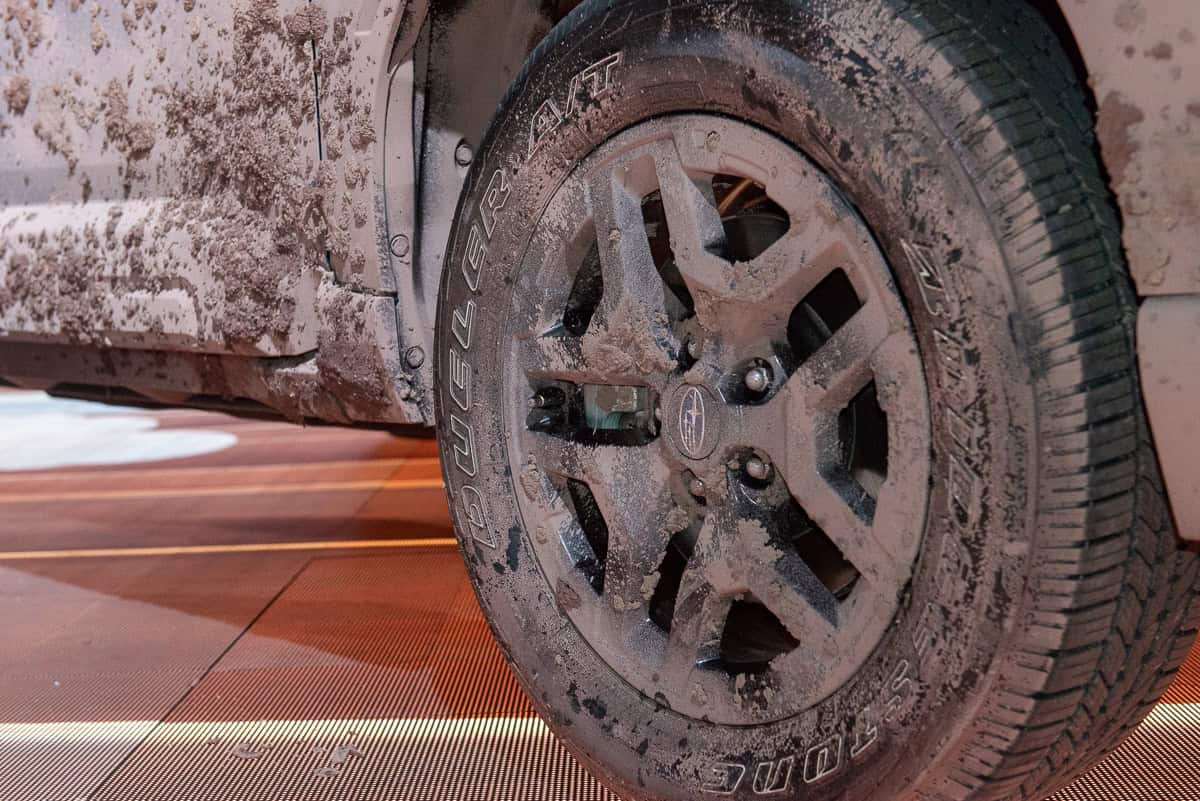
Opting for the turbo engine is the better move for drivers who want a livelier response. It pairs well with Subaru’s always-on AWD, giving the Outback a predictable, secure feel in all four seasons. Grip is exceptional, and the ride quality remains one of the Outback’s strongest attributes. We got our money’s worth in Arizona when Mother Nature sent us more rain than the state could take in three days. Some gravel roads were very slippery, but the Outback showed once again why families love this high-riding wagon. Off-road, it can accomplish some great things.
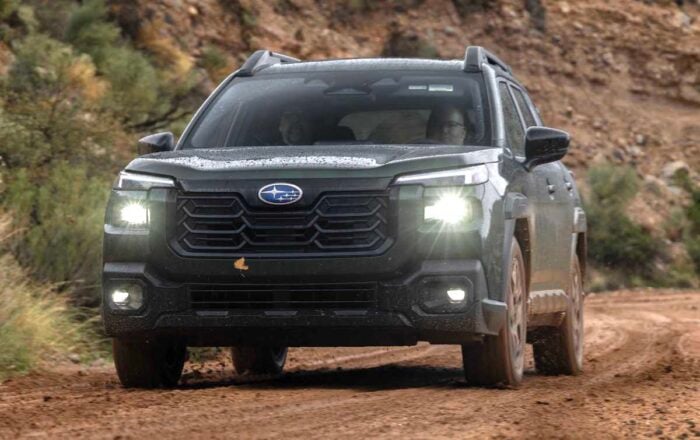
However, steering feedback remains vague, and the Outback still leans more than some competitors through sharper corners. Fuel economy also no longer impresses—particularly when compared with newer hybrid rivals that now dominate the segment. Will we see a hybrid version of the Outback someday? Like the new 2026 Crostress Hybrid and Forester Hybrid? It’s worth asking, but don’t hold your breath, since Subaru is one of the most conservative brands in the industry.
Interior: Much Better
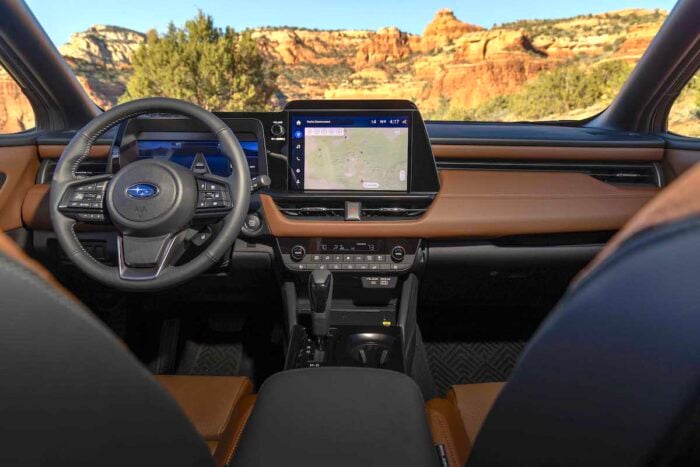
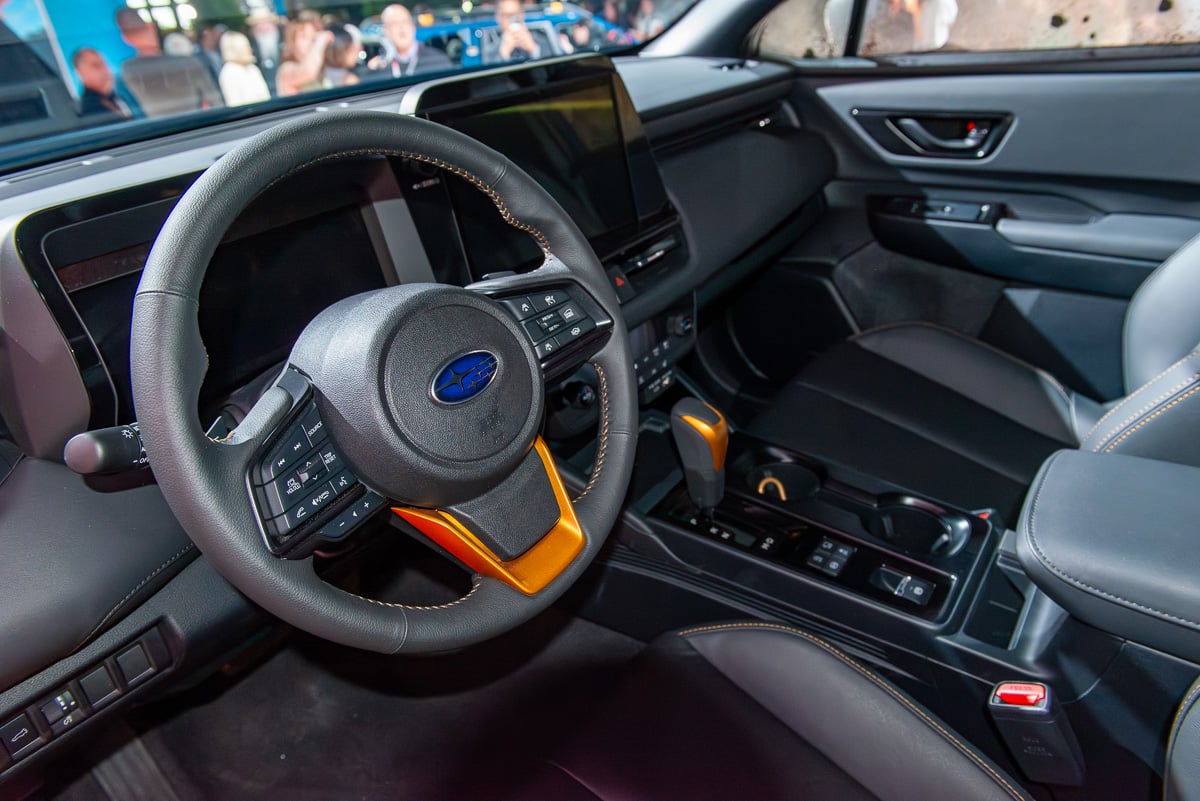
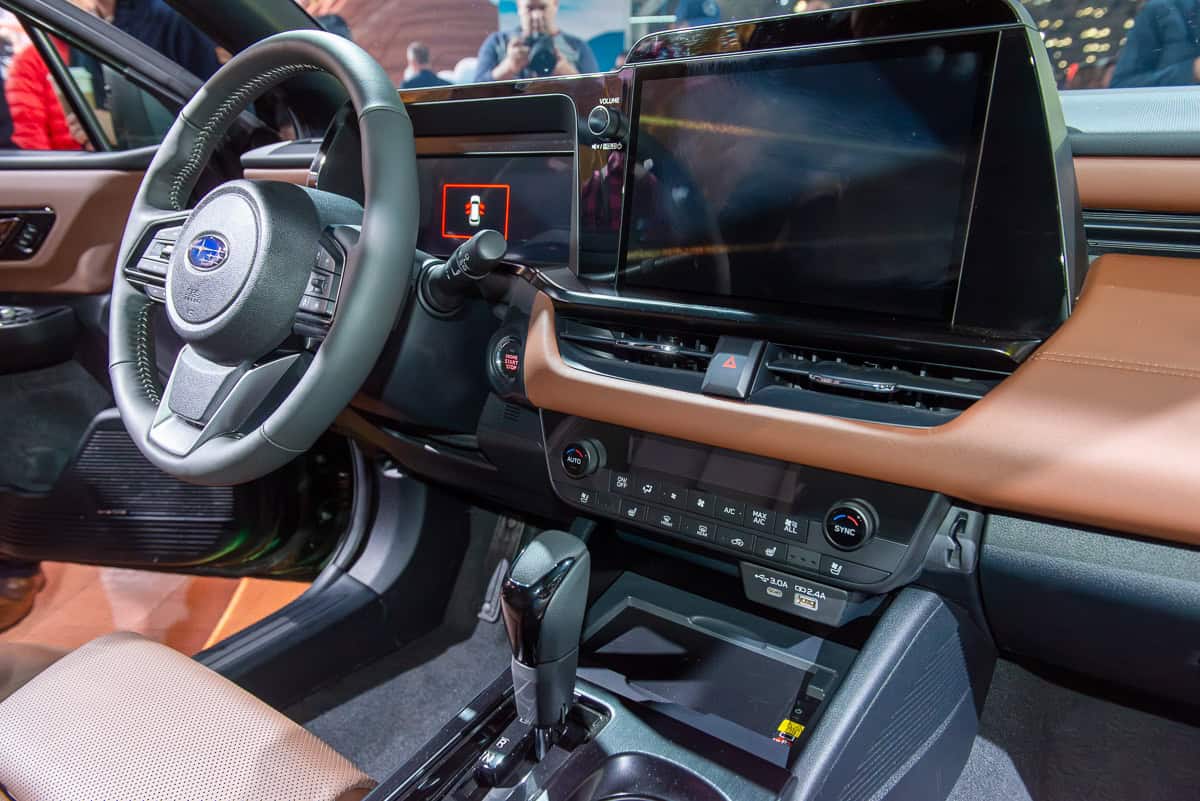
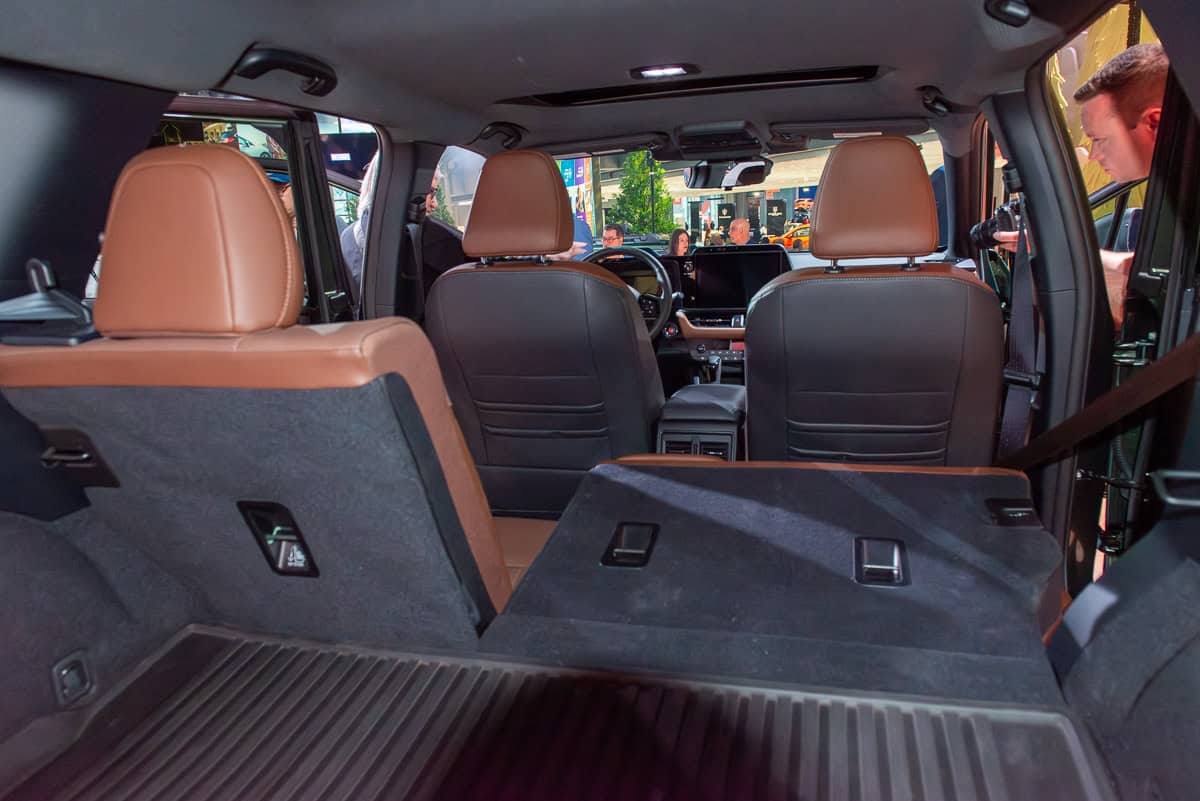
Step inside, and the new Outback changes strike a balance between rugged simplicity and modern convenience. The seats are supportive, visibility is excellent, and the driving position remains one of the best in the category. Subaru’s tall windows and thin pillars make it easy to maneuver despite the Outback’s wagon-SUV proportions.
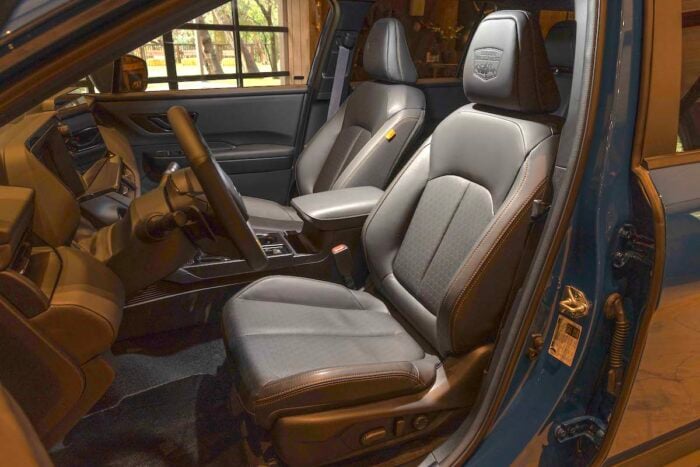
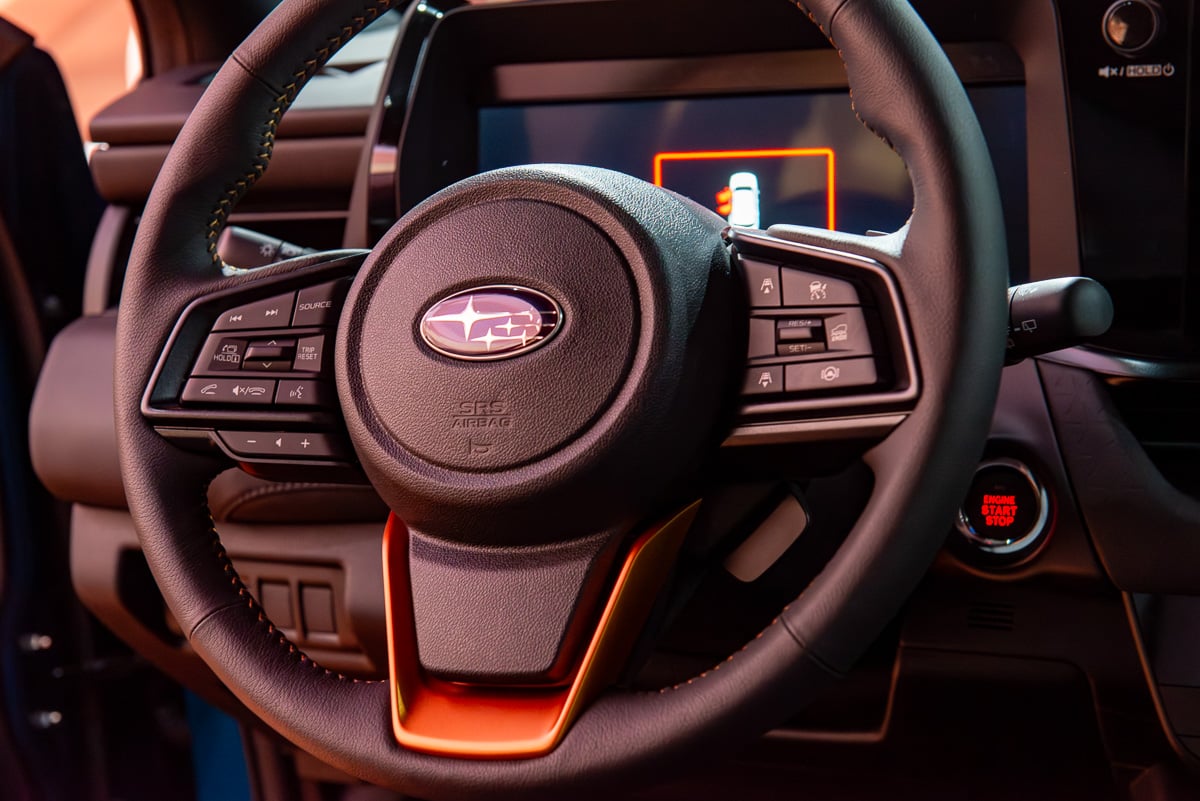
Subaru’s design team also fixed one of the biggest flaws of the previous generation model: the infotainment screen. It is now quicker and oriented towards the driver for easier navigation through the apps. Plus, HVAC buttons are back, meaning that Subaru listens to its most loyal fans. Materials are durable rather than luxurious—appropriate for the Outback’s mission, but some plastics feel outdated next to the more upscale cabins from Honda, Mazda, or Hyundai.
Practicality is still where the Outback shines. Cargo capacity is generous, rear-seat legroom is ample, and the low liftover height makes loading gear easy.
Takeaway
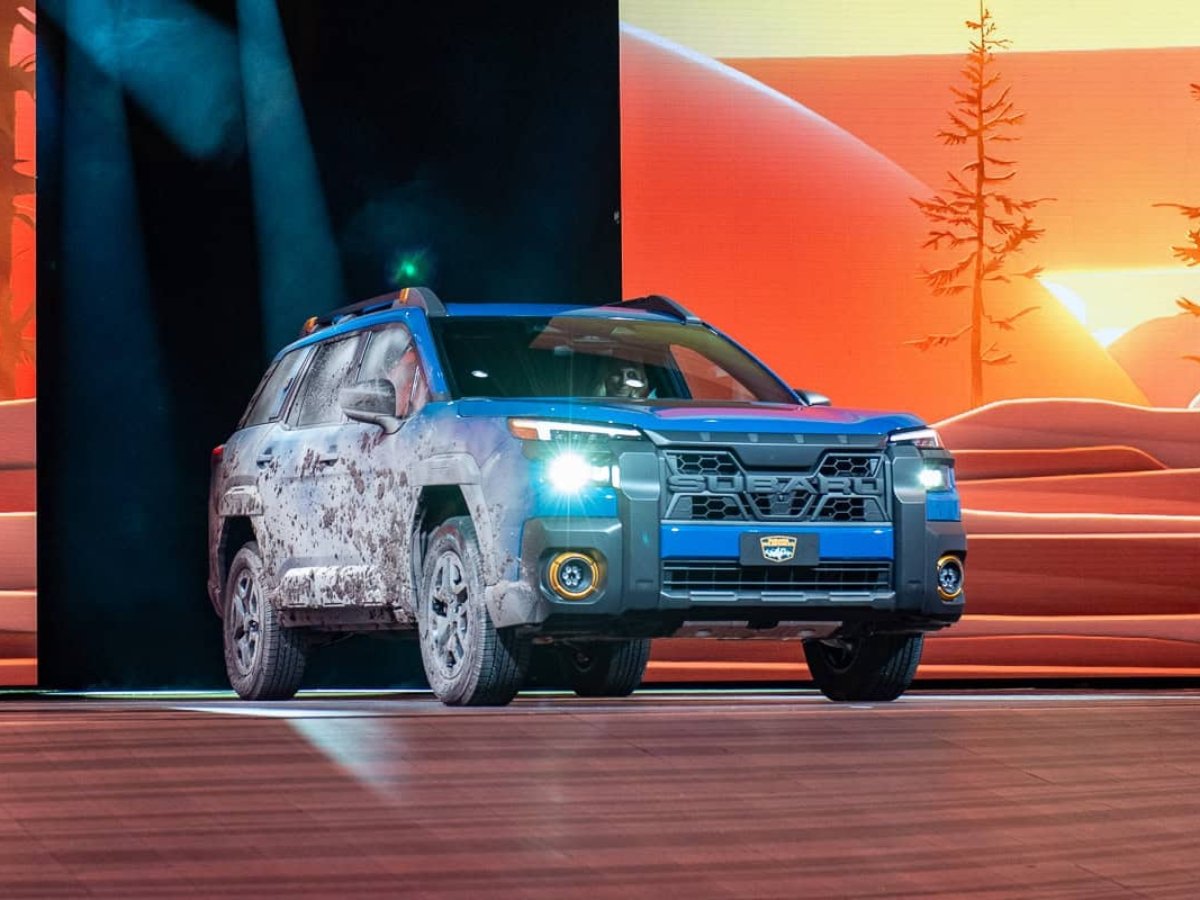

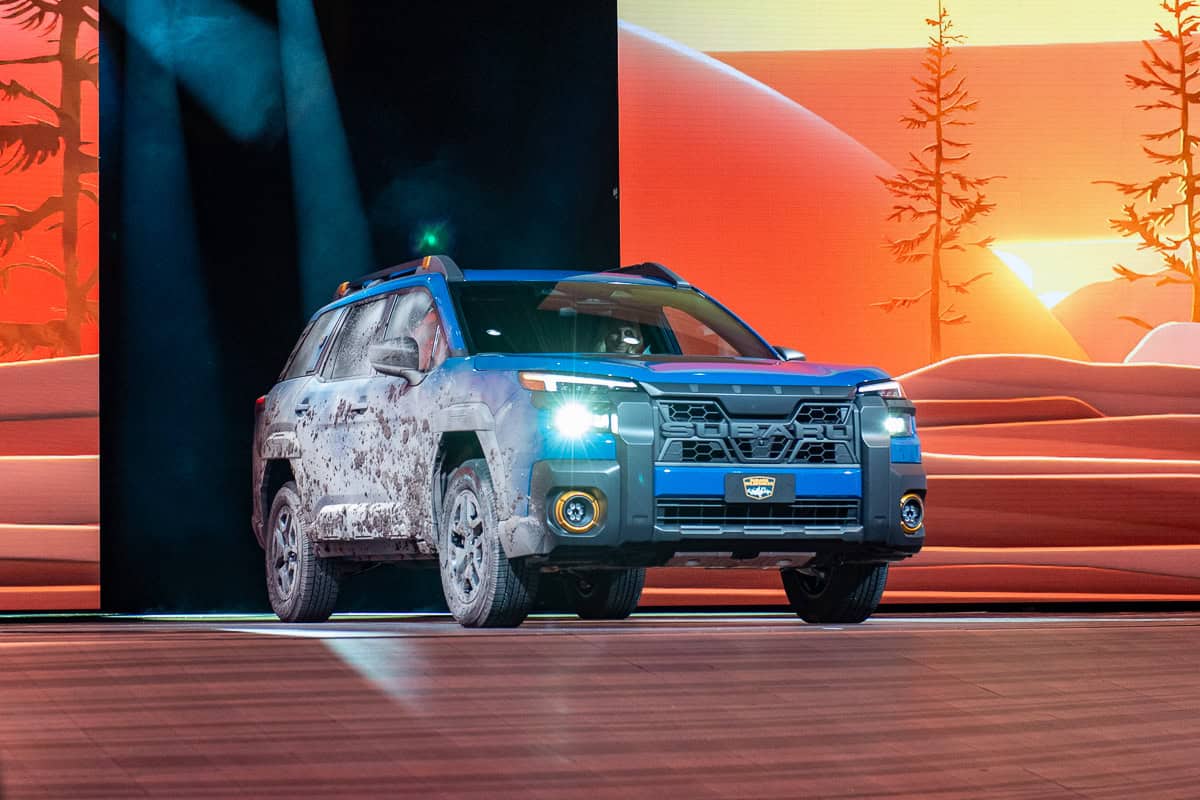
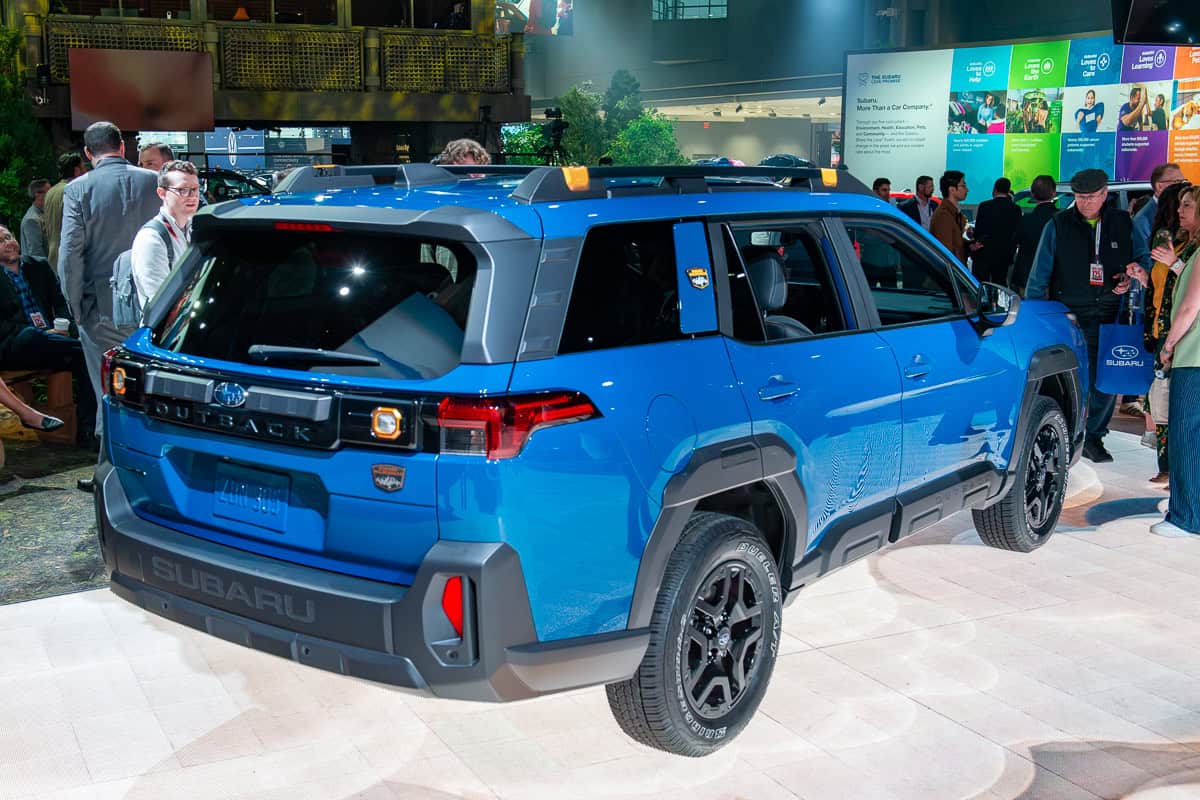
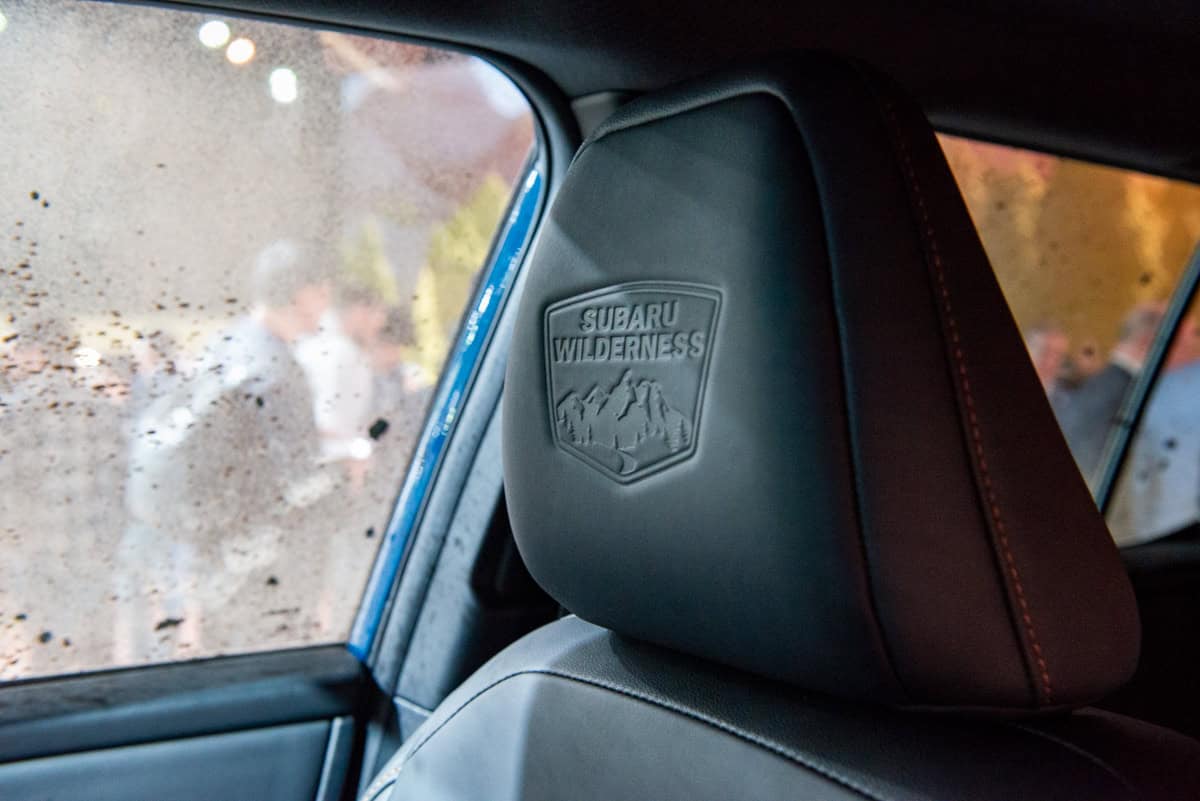
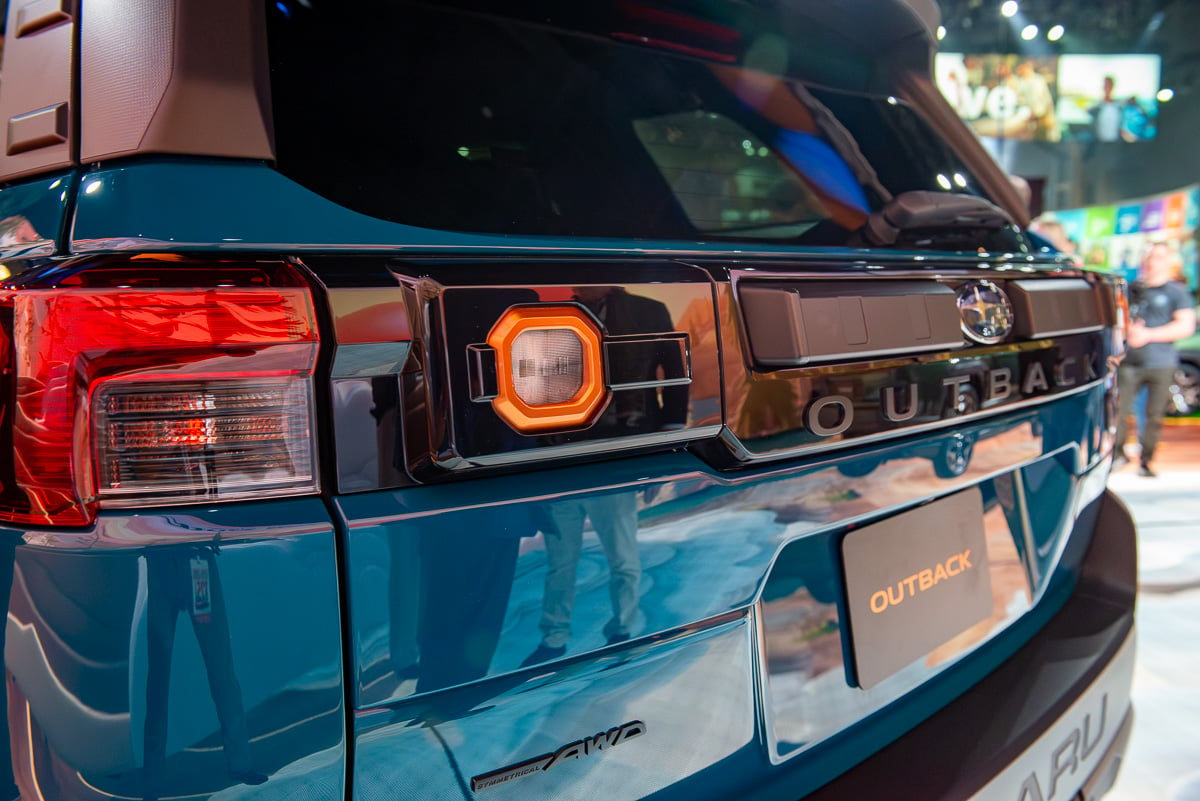
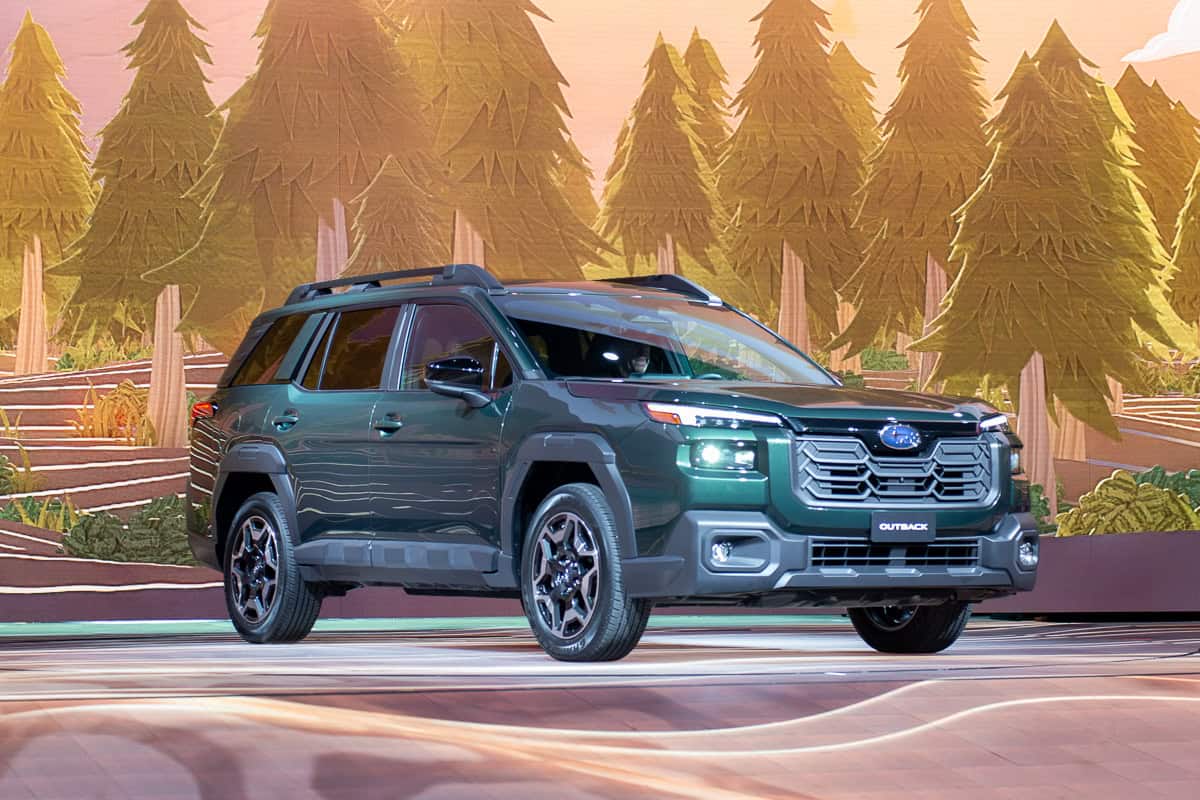
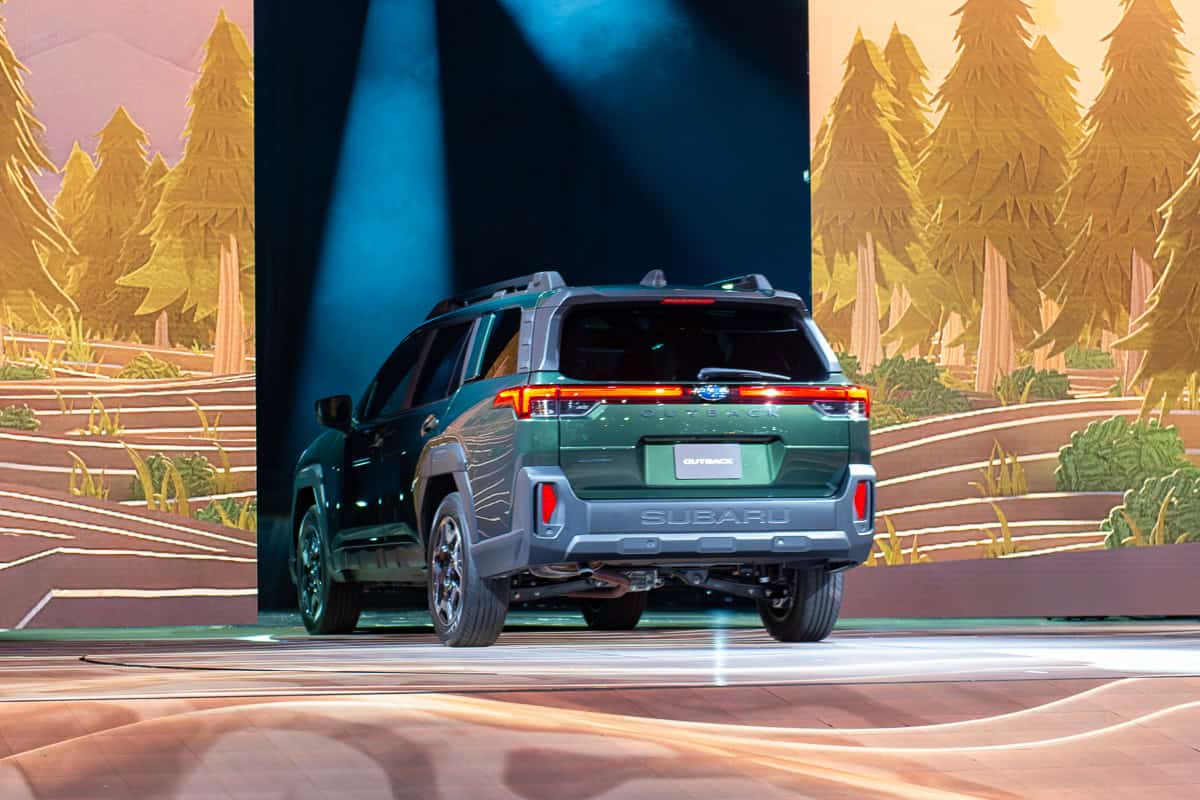
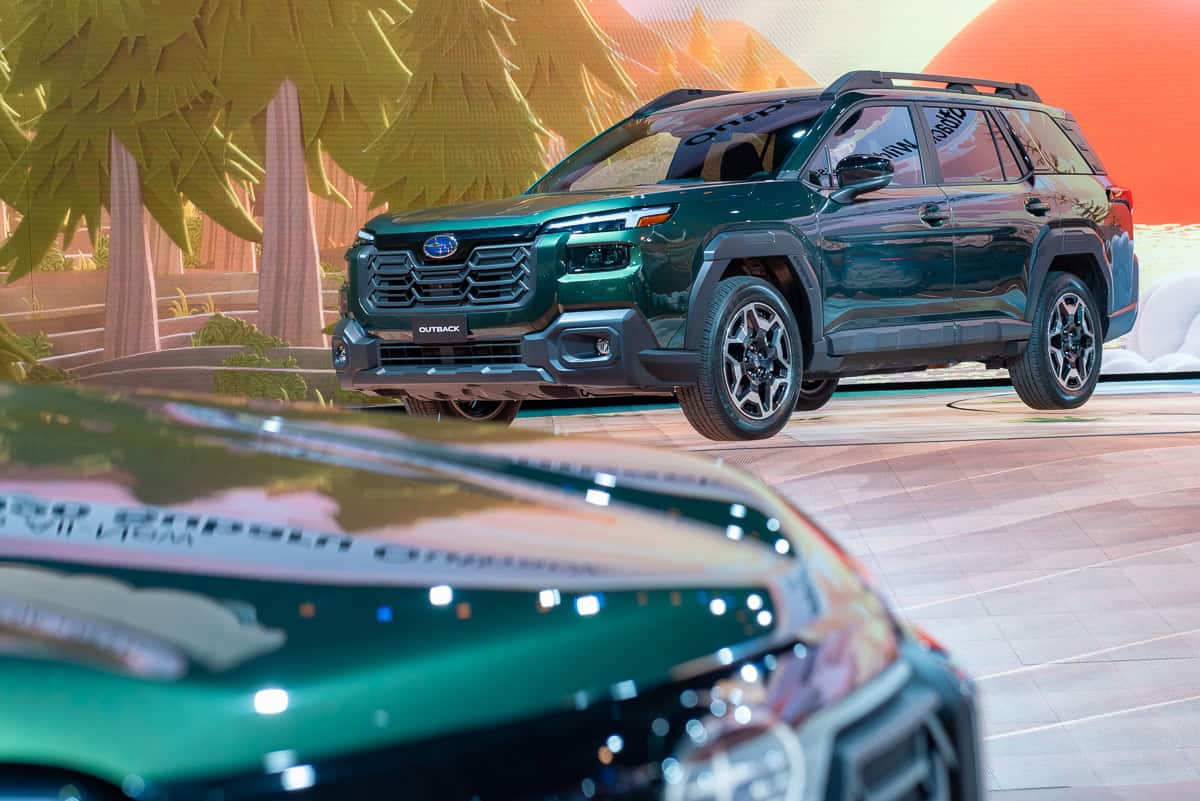
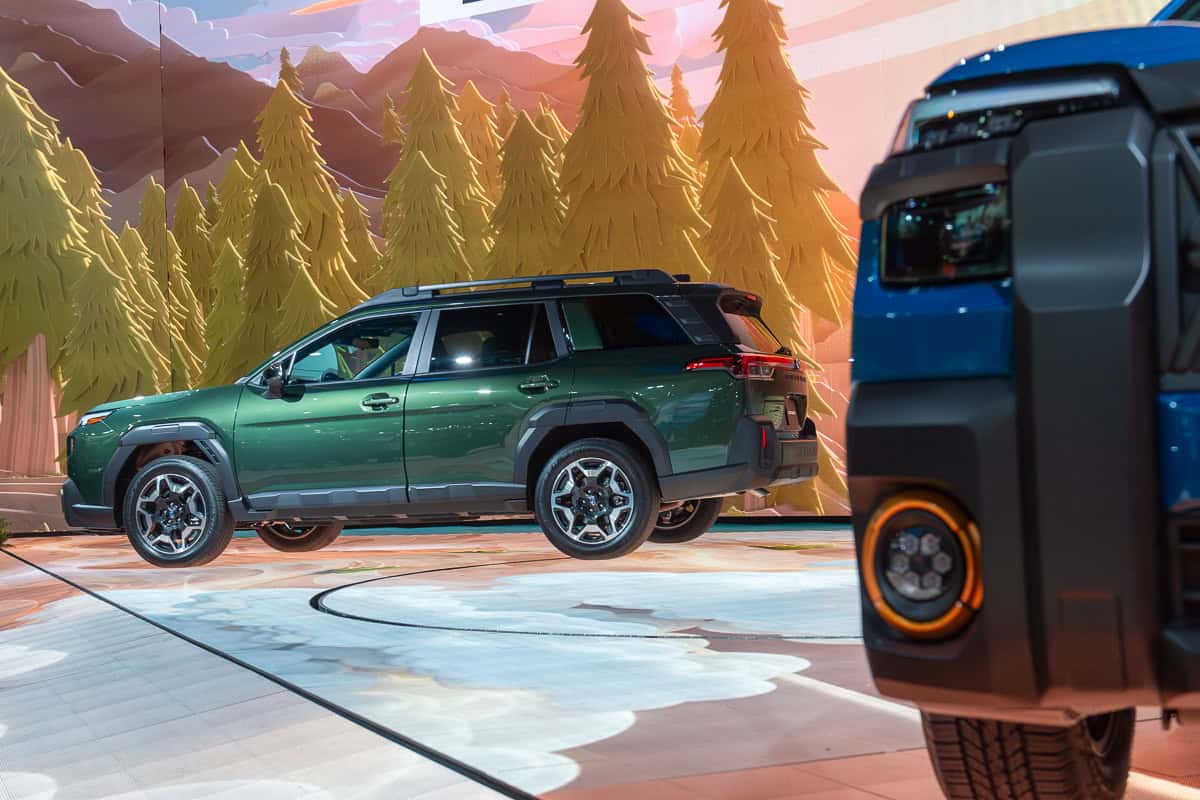
The 2026 Subaru Outback remains one of the most capable and confidence-inspiring crossover wagons on the market. It’s built for real life, harsh climates, and drivers who value all-weather traction over cutting-edge tech. But while its personality remains unique, the Outback now faces serious pressure from hybrid rivals offering better fuel economy and more modern interiors.
For many—especially those living in snow-belt regions—the Outback is still a smart, pragmatic choice. But Subaru will need a more comprehensive update soon if it wants to keep pace with a segment that is evolving faster than this iconic model.
Pros
- Exceptional all-weather traction with standard AWD
- Comfortable ride and predictable handling
- Spacious cabin and highly usable cargo area
- Turbo engine option adds the needed power
Cons
- Aging powertrains and no hybrid option
- CVT remains loud under heavy throttle
- Some interior materials feel cheap
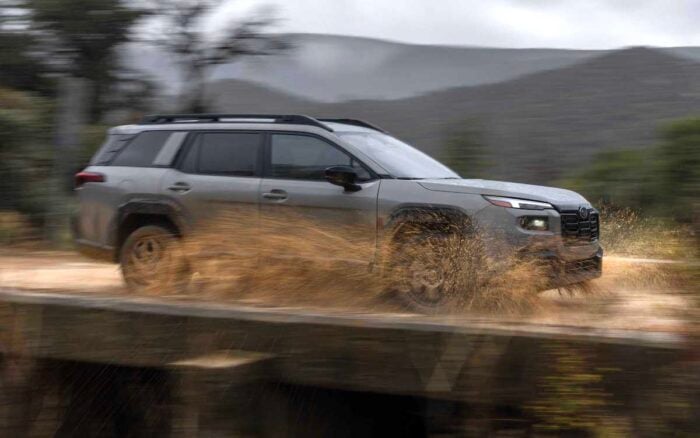
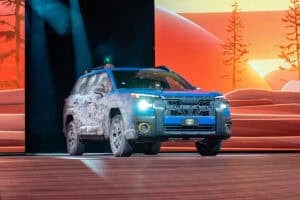
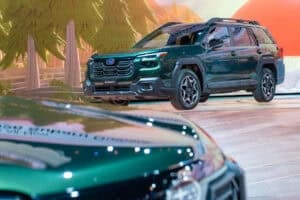
The 2026 Subaru Outback continues to deliver what long-time fans expect: comfort, capability, and real-world usefulness. But with the competition racing ahead in refinement and electrification, the Outback’s charm now competes with its age. It is also worth noting that the design is completely different from the previous generations. Subaru responded that its customers want a more rugged approach, and that is what Subaru delivered.
2026 Subaru Outback: Trim & Engine Availability
U.S. Models
| Trim | 2.5L NA Flat-Four | 2.4L Turbo Flat-Four |
|---|---|---|
| Premium | O | — |
| Limited | O | — |
| Touring | O | — |
| Limited XT | — | O |
| Touring XT | — | O |
| Wilderness | — | O |
Canada Models
| Trim | 2.5L NA Flat-Four | 2.4L Turbo Flat-Four |
|---|---|---|
| Touring | O | — |
| Limited XT | — | O |
| Wilderness | — | O |
| Premier XT | — | O |