
Pros:
- Smooth and composed ride
- Strong EV performance and range
- Spacious, tech-forward cabin
Cons:
- Minimal storage solutions
- Overreliance on touchscreen controls
- Some interior design choices feel awkward
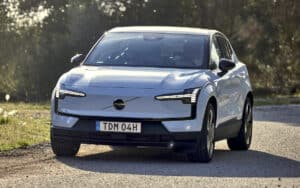
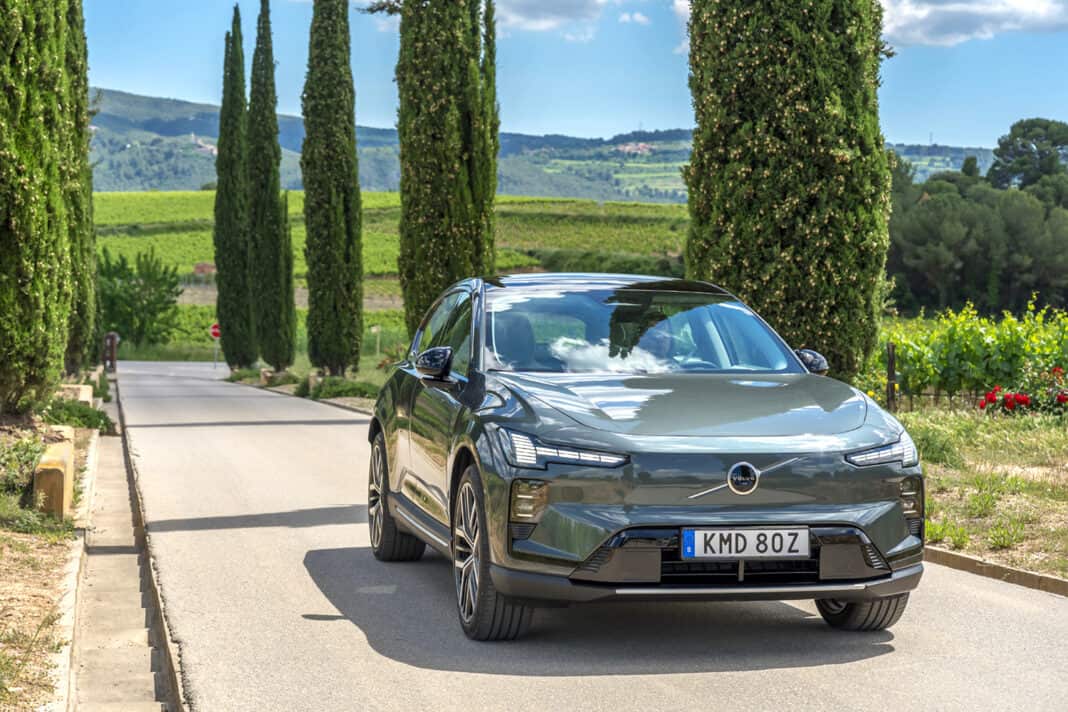
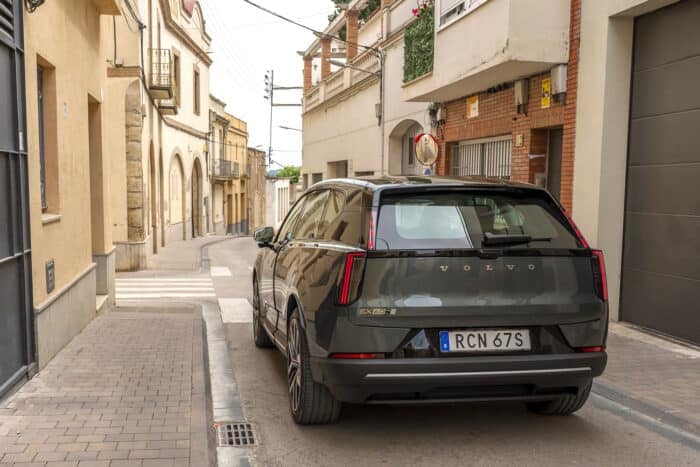
The Volvo EX60 is a mid-size electric SUV that not only pays homage to the XC60 but also kicks off a new platform for the Swedish brand’s future vehicles. Driving it through the winding streets of Barcelona and out to the Catalonian countryside reveals that this isn’t just about the foundational technology powering the wheels but also the brains behind the whole operation.
Performance And Driving Impressions
- Powertrains: Single-motor RWD (P6), dual-motor AWD (P10/P12)
- 0–60 mph: As quick as 3.8 seconds (P12 AWD)
- Driving Modes: Standard, Performance, Off-Road
- Drivetrain: Available AWD
- Estimated Range: Up to 640 km / 400 mi (P12 AWD)
Out on the road, the EX60 drives exactly as Volvo’s reputation would suggest — smooth, composed, and precise. I got time with both the single-motor P6 — only coming to the U.S. — and the P10 AWD coming later this year to Canada and the U.S. The P6 lacks the Performance mode found in the P10, which is why the latter can hit 60mph (100 km/h) in 4.4 seconds. While I never got to try it myself, the P12 AWD drops that to just 3.8 seconds.
“Being an EV is one thing, but it’s important to recognize that computerization is a strong element to what Volvo is doing here. Purists might bristle at that but it’s also what makes the EX60 adaptable over time.”
The square steering wheel feels a bit odd at first, though Volvo designed it specifically to increase clearance above the rim and improve visibility to the recessed driver display. The Bowers & Wilkins sound system is excellent, and the driving modes — Standard, Performance, and Off-Road — each deliver distinct character. Performance fills in for a traditional sport mode, while Off-Road uses the adaptive suspension and AWD system to raise ground clearance and hand throttle-lift braking duties over to the car, letting you navigate rough terrain without touching the brake pedal.
Related – Volvo EX60 Signals a Structural Shift in How the Brand Builds Cars
A Smooth Drive With Plenty of Performance
Despite the unique wheel, the EX60 handles nicely with effective one-pedal driving to boot. All driving settings sit in the 15-inch infotainment screen, along with essentially all other granular options and controls.
Pilot Assist works more as an enhanced highway cruise control than a true hands-free system; you keep a hand on the wheel at all times. Apart from holding speed and keeping the car centred in a lane, it can also assist with changing lanes when you signal and start turning the wheel. Unfortunately, the system isn’t all that useful in stop-and-go traffic because it can’t engage from a full stop.
Interior
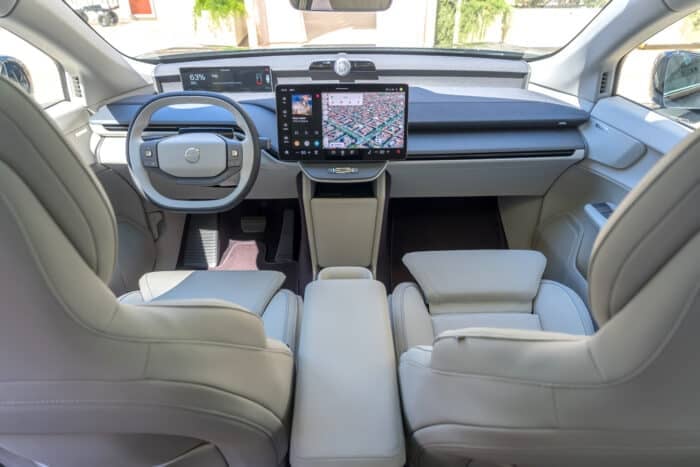
The ultra-wideband phone key means there’s no physical fob to carry, and multiple driver profiles handle personalized seating, mirror, and steering wheel positions for households sharing the vehicle. There’s no special spot for the phone inside the vehicle, you just have to have it inside.
“The adaptive seat belt is also one of those things that feels a bit off at first because of the built-in sensors but I’d be personally glad it’s there.”
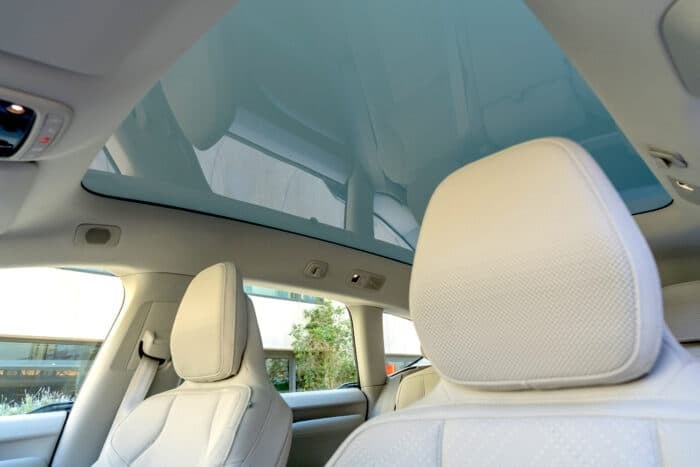
The cabin feels spacious and comfortable all around, so there’s no “bad seat” inside given how much Volvo shaved off the chassis and body to make that possible. Even trunk space feels roomy, especially when dropping the rear seats.
The centre console is going to be divisive, though. More an armrest, storage is limited to the same slide-out cup holders the EX90 offers. There’s also no glove compartment facing the front passenger. So, with no centre console nor glove compartment storage, everything moves to the compartment at the bottom under the dash.
Gemini AI Brings a New Layer to the Cabin
Both the front and back have the same 18W and 60W USB-C charging ports, so anyone inside can use the latter to charge a laptop or tablet.
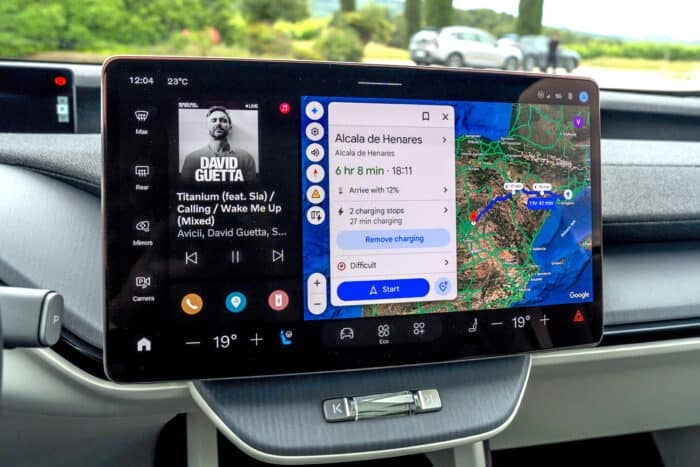
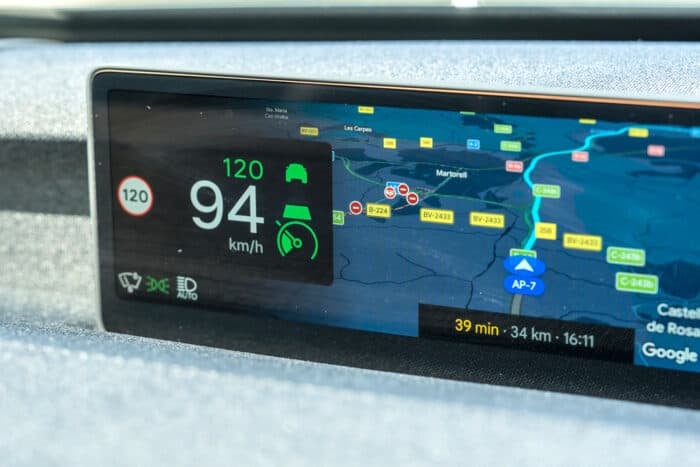
Then there’s Google Gemini as the onboard AI handling navigation, audio, climate control, driving range, battery diagnostics, and access to the user manual by voice. The most polarizing quirk is that Gemini cuts off the moment anyone taps the screen — a deliberate, yet frustrating safety decision that happens even when a passenger is the one doing the tapping.
On the horizon is video playback support (restricted to when parked or charging), camera-integrated maps for immersive navigation guidance, and the possibility of contextual awareness. Asking “Can I park here?” is a good example. None of that was available to test, but the direction is compelling.
Related – After 65 Years, Volvo Is Rethinking the Seat Belt
Styling
While I can see the outer door handles also being divisive, I’m personally not crazy about the inner door lacking a proper handle. Instead, it’s a slit that, while rigid, doesn’t feel like a solid handle traditionally has. Maybe it’s something that takes time to accept but it wasn’t my favourite styling choice.
The driver and passenger seats can move up/down or forward/back but the lower portion doesn’t tilt in case you want more of a race car driver situation. It didn’t bother me but I imagine some drivers might care if comfort is a factor. The adaptive seat belt is also one of those things that feels a bit off at first because of the built-in sensors but I’d be personally glad it’s there.
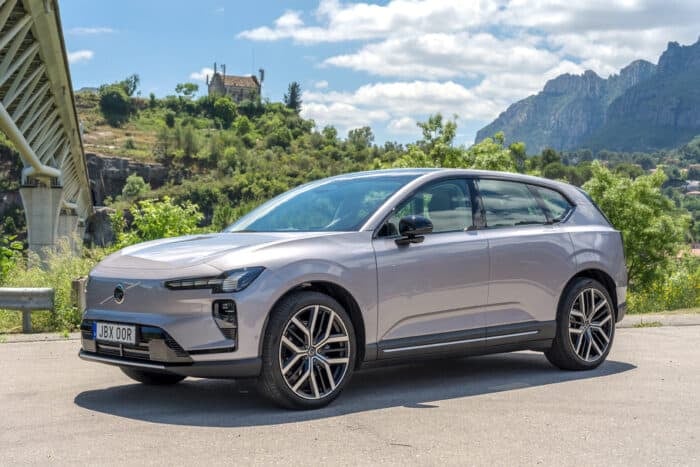
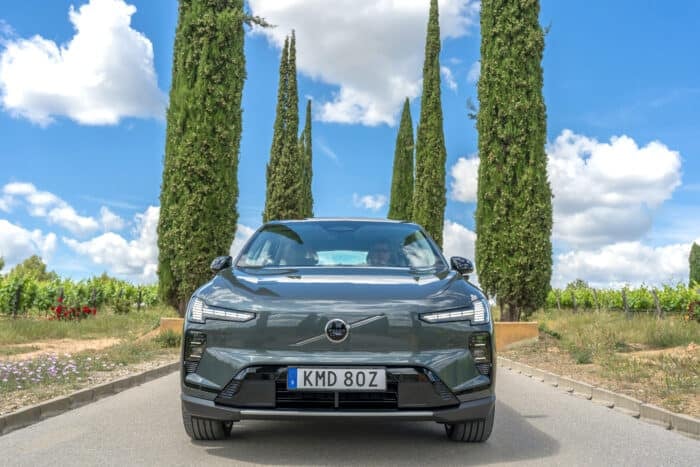
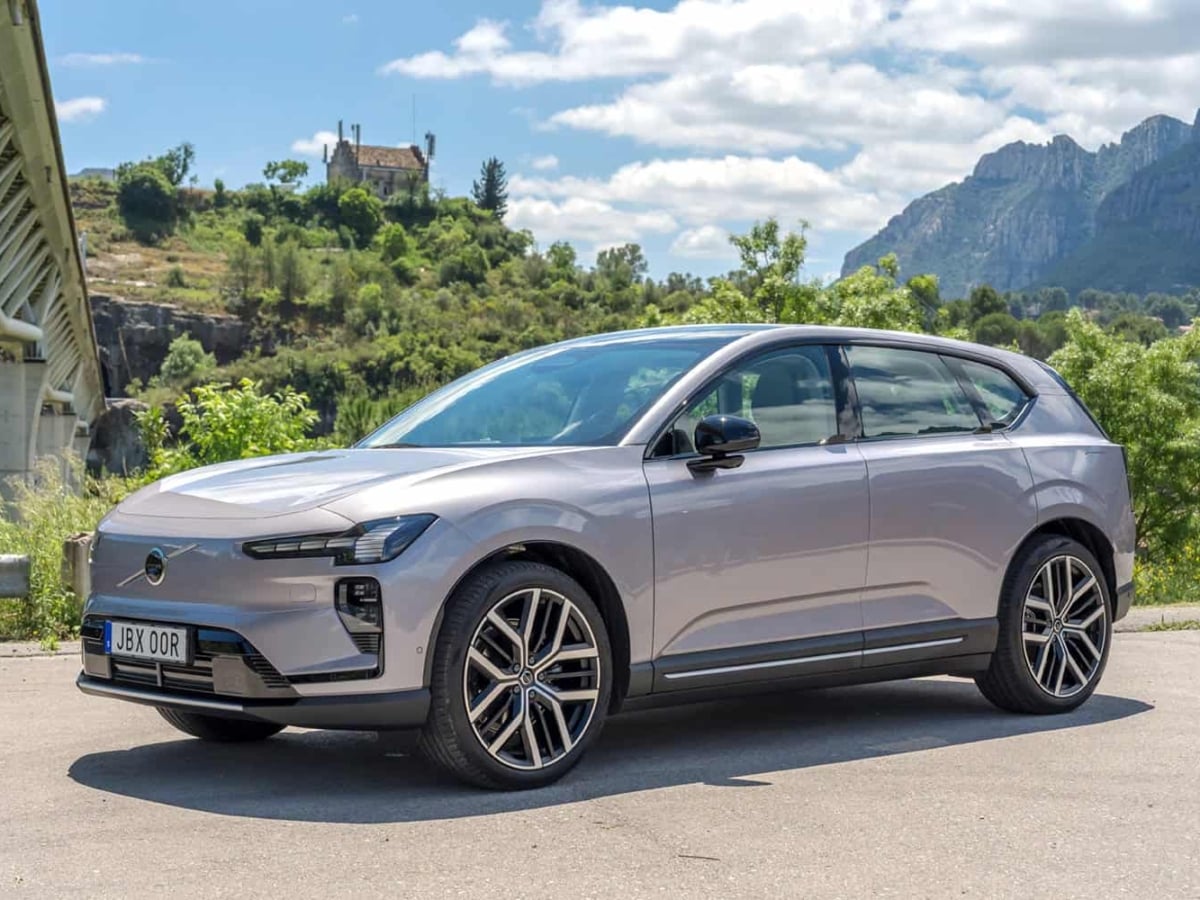
Apart from that, Scandinavian minimalism is in full effect with the EX60, both in maintaining really clean lines on the outside and reducing “stuff” on the inside for a roomier ride that matches with the smooth drivetrain. No question, this premium mid-size SUV is made for both city driving and long road trips.
Takeaway


Pros
- Smooth and composed ride
- Strong EV performance and range
- Spacious, tech-forward cabin
Cons
- Minimal storage solutions
- Overreliance on touchscreen controls
- Some interior design choices feel awkward
The Volvo EX60 isn’t just a vehicle, it’s a rolling connected device. An Nvidia chip is the brains behind it all, so over-the-air updates will impact how it drives and what features it offers or improves over the years. Being an EV is one thing, but it’s important to recognize that computerization is a strong element to what Volvo is doing here. Purists might bristle at that but it’s also what makes the EX60 adaptable over time.
Fortunately, it drives with power and efficiency, making Volvo’s 514 km (307 mi) range claim for the P10 AWD easier for me to believe after driving it for a few hours. The P12 can go up to 400 mi (640 km), so long drives shouldn’t come with requisite anxiety — even in colder climates.
Since trim upgrades have more to do with features, comfort, and technology than actual driving performance, it ultimately comes down to how much luxury you want to feel in the cabin. Either way, you can expect a smooth ride the whole way through.