
Pros:
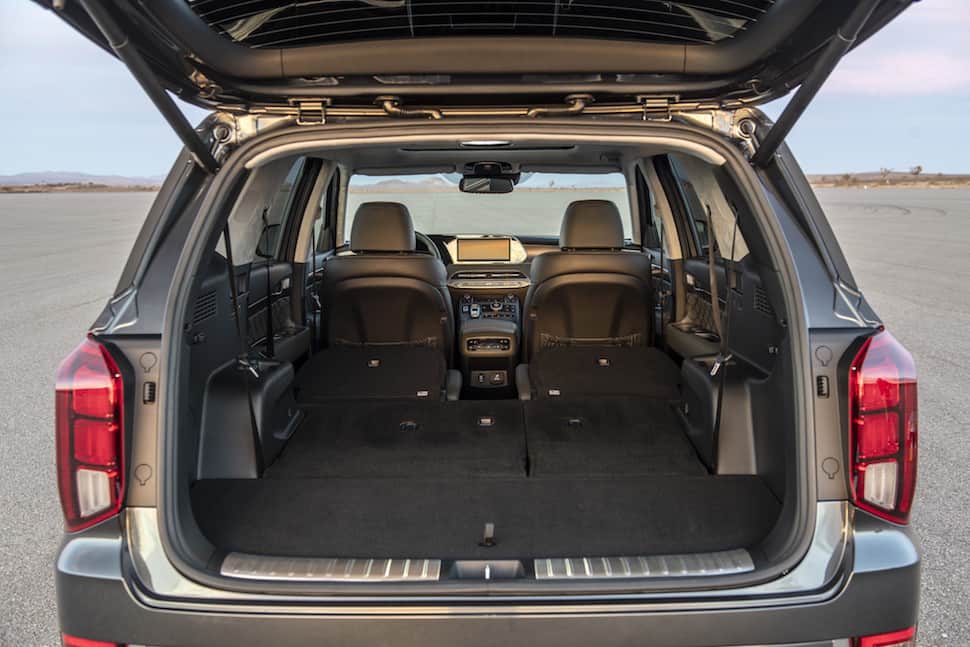
- Spacious, well-designed three-row interior
- Strong value with premium features and tech
- Smooth, refined V6 with confident ride quality
Cons:
- Fuel economy is average for the segment
- Not particularly engaging to drive
- Styling may feel too conservative for some
Coeur d’Alene, ID – Remember the Pony? You have to be of a certain age to remember Hyundai’s inauspicious entry into the North American market three decades ago with its primitive hatchback.
Yet, since then, Korea’s dominant automaker has consistently raised the bar with the determination of a salmon swimming upstream to spawn. And, now, the near-full-size Palisade SUV has moved the bar again.
The Palisade and its twin, the Kia Telluride, step into a busy and competitive category, going head-to-head with the likes of the Chevrolet Traverse, Ford Explorer, Honda Pilot, Nissan Pathfinder, Subaru Ascent, and Toyota Highlander. The Palisade one-ups all of them virtually.
Related – Hyundai Palisade Vs. Kia Telluride: A Clash of Comfort and Style
Hyundai’s Biggest SUV Yet (and a Serious Step Forward)
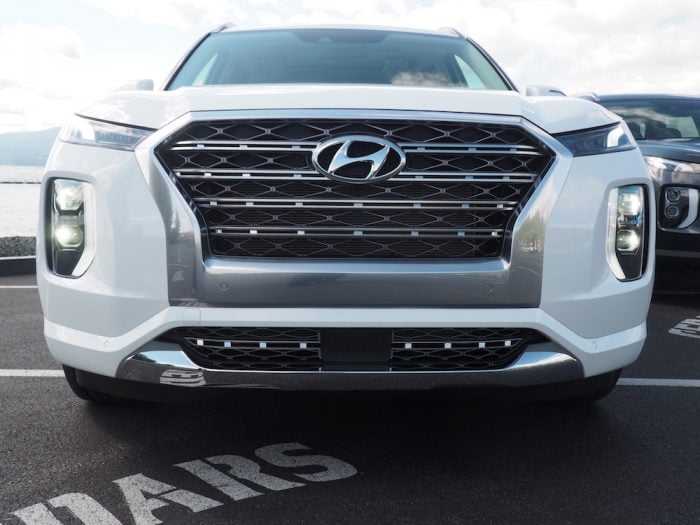
The Palisade replaces – actually outgrows – the company’s previous big SUV, the mid-sized Santa Fe XL. It is 7.6 cm longer, nine cm wider, six cm taller, and has a 10 cm-long wheelbase. It also represents a great leap forward in SUV luxury and refinement for the Korean automaker – advancements that put it right into the hunt with its competition.
The Cabin Is Where the Palisade Really Shines

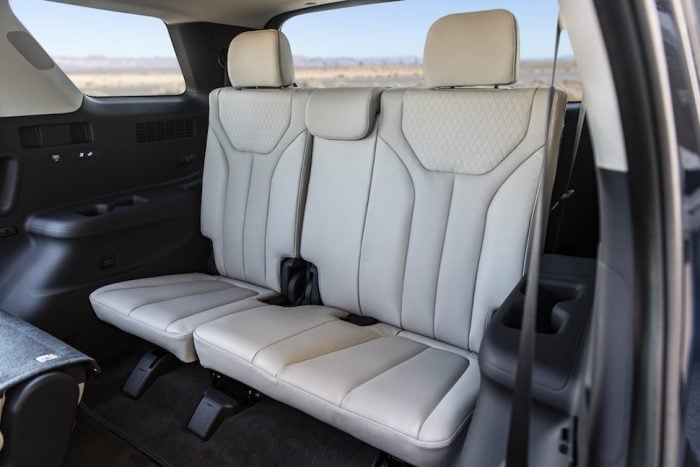
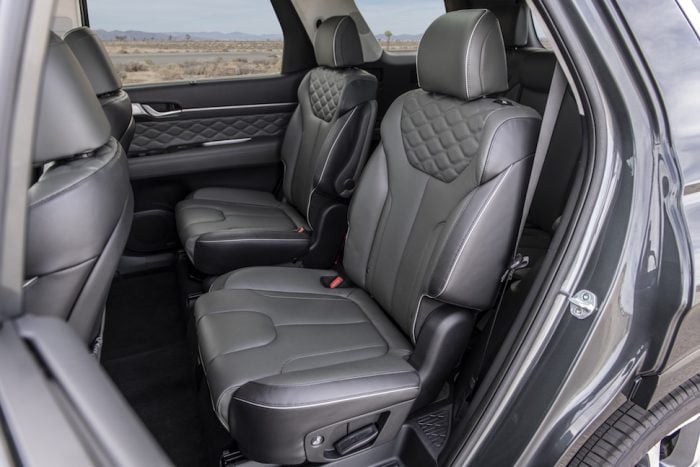
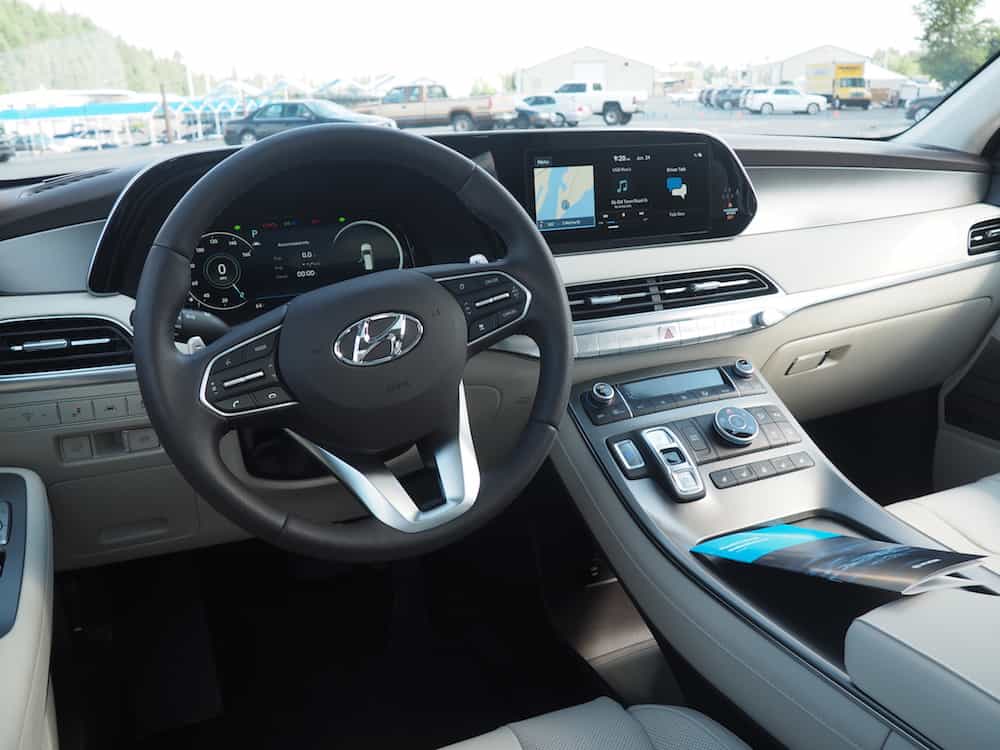
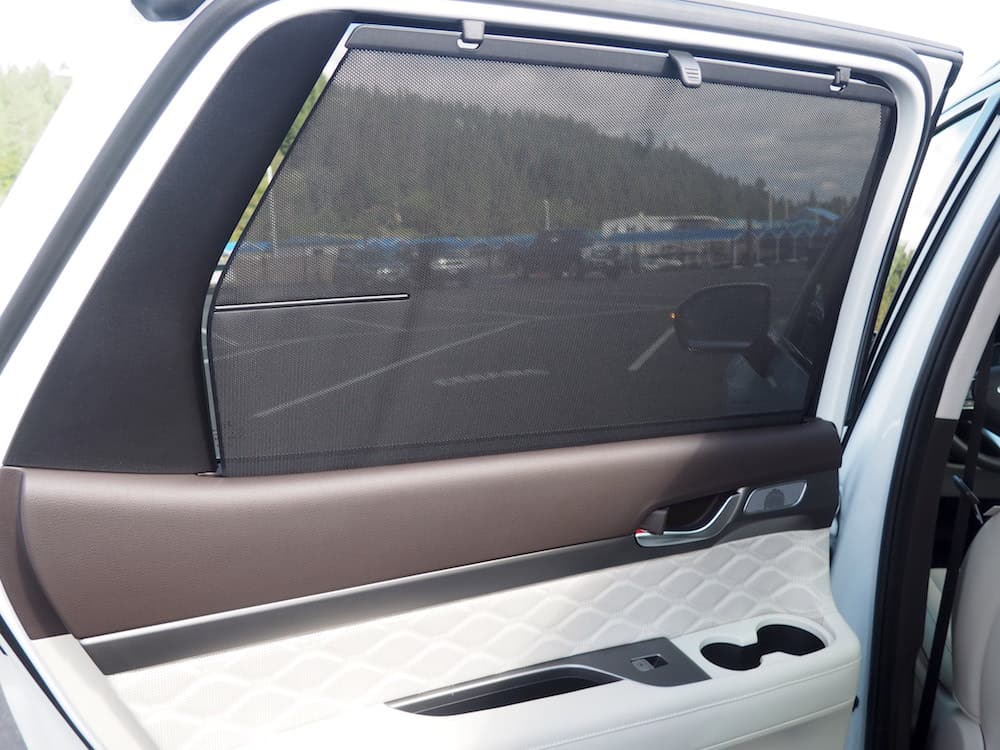
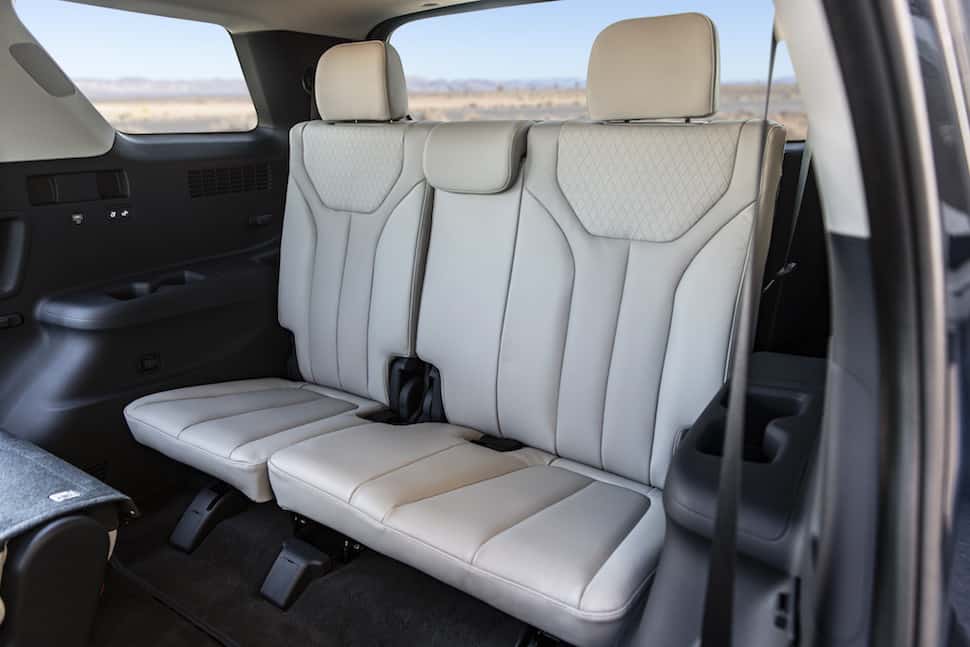
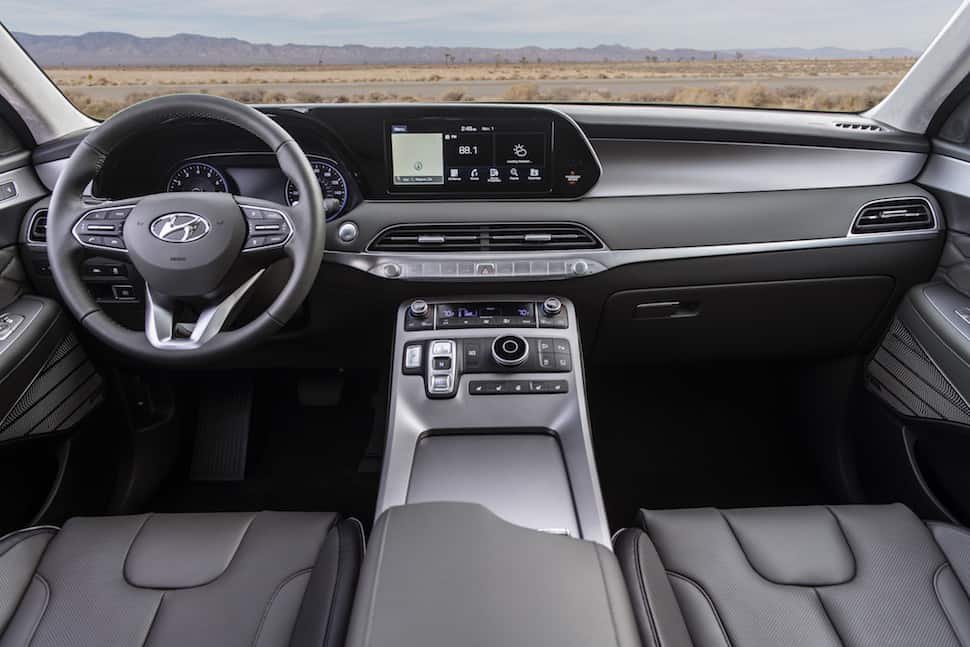
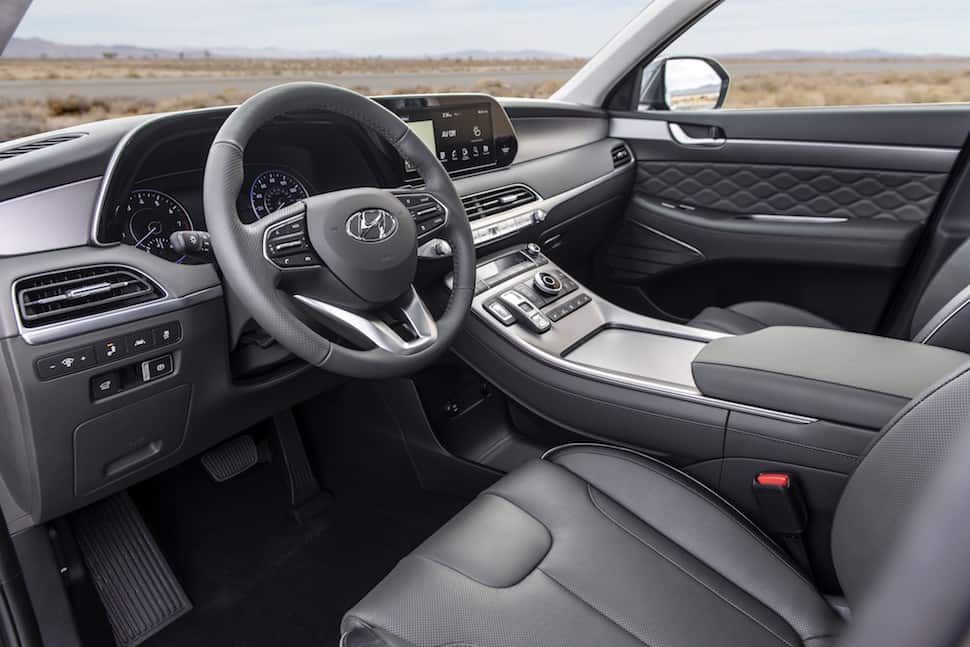
With a slightly boxy exterior, it is the interior that is the star of this show. The features, big and small, include: 16 cup holders spread over three rows of seats, seven USB ports (curiously none USB-C), wireless charging and individual rear-seat climate control. The rear speakers can be switched off quickly with a one-button quiet mode, and the Driver Talk in-car intercom system amplifies the driver’s voice through the audio system to reach kids in the third row.
Seating arrangement
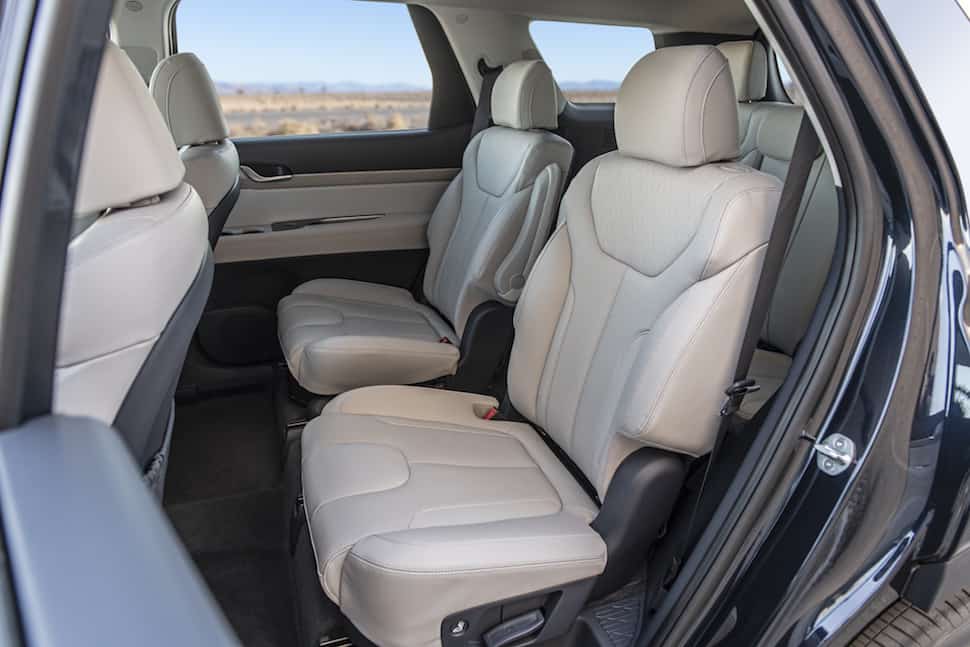
Seating is second only to FCA’s high-end Pacificas for convenience. The rear bench is power-folding. Mid-row seats can be dropped from the back with a touch of a button, or total capacity can be dropped to seven if you choose second-row ventilated captain’s chairs.

Technology and control setup
Controls up front are clean and easy to use. A push-button gear changer eliminates the traditional shift lever, opening up room in the front. The use of quality materials adds to the near-luxury feel. The centre console features a 26-cm touchscreen multimedia panel, and the 31-cm gauge display is digital on higher trim levels. A head-up display is available as an option.
Plenty of Power for a Family Hauler

Under the hood, the Palisade is powered by its proven 3.8-litre V-6 engine, making 291 horsepower and 262 pounds-feet of torque. Hyundai claims it has the most horsepower of any three-row SUV in its class. Paired with a smooth-as-silk eight-speed automatic, it can tow up to 2,000 kilograms – the equivalent of a big trailer or a mid-sized boat.
Fuel economy
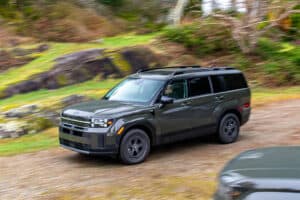
The use of the Atkinson cycle and stop/start technology enables the Palisade to deliver a real-world fuel economy of 11 litres/100 km driving hilly, twisty roads in the forests near Coeur d’Alene, Idaho, where the automaker revealed the Palisade to journalists. All-wheel drive, of course, is standard in all but the base model.
Related – 2026 Hyundai Palisade Hybrid Review
A Bold Look Backed by Real Safety Tech
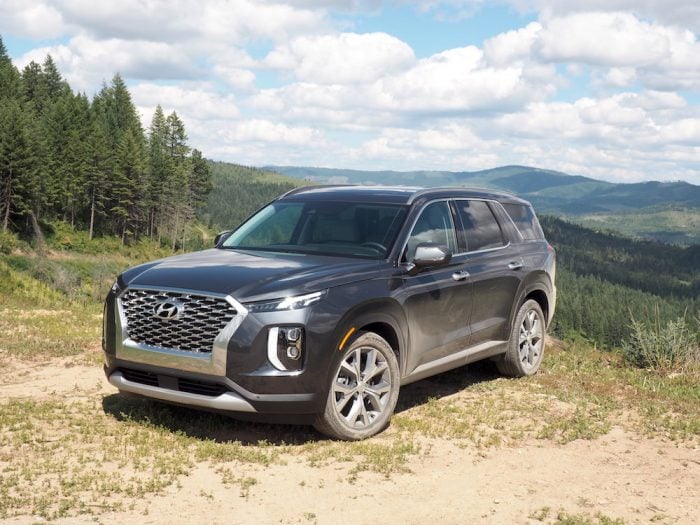
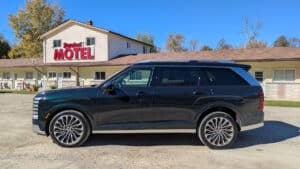
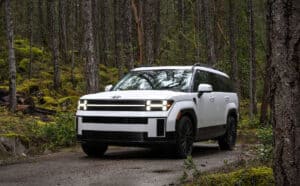
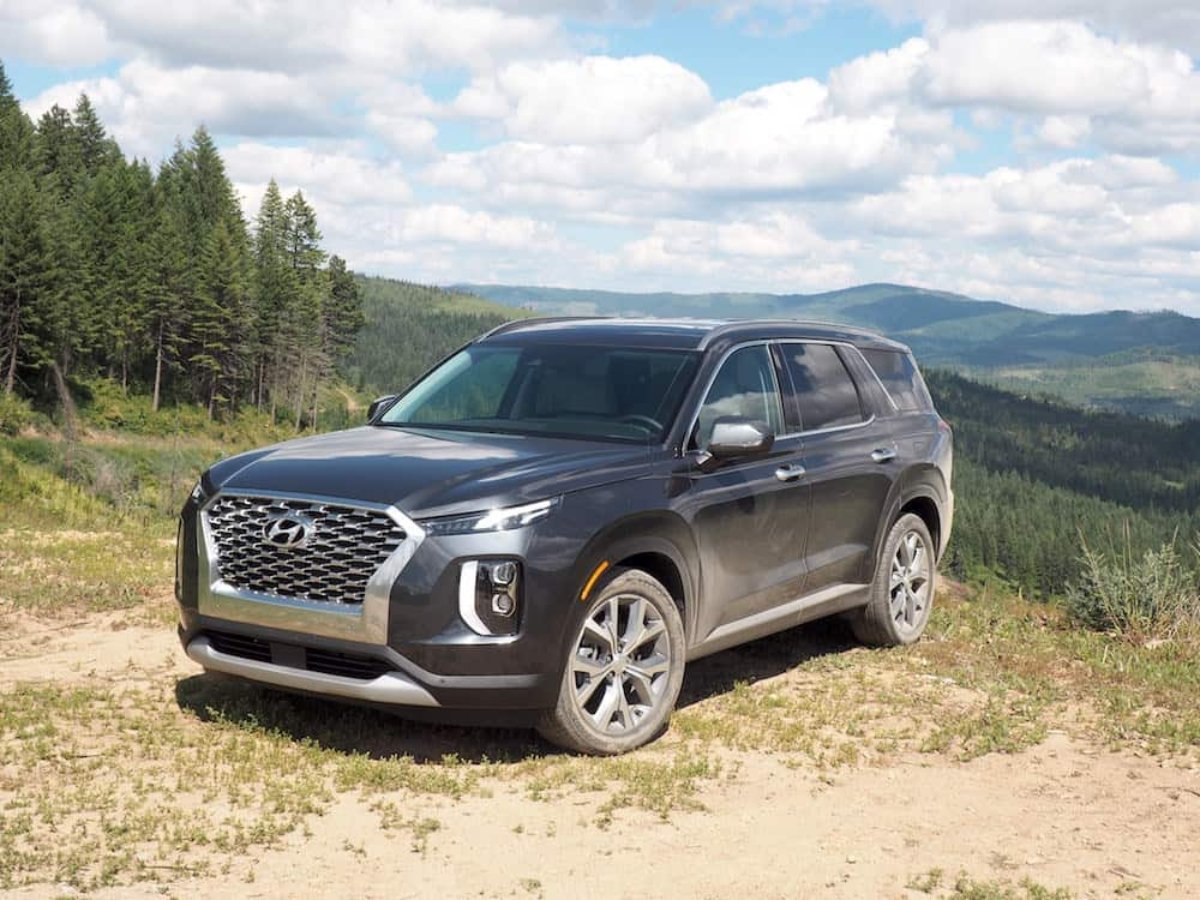
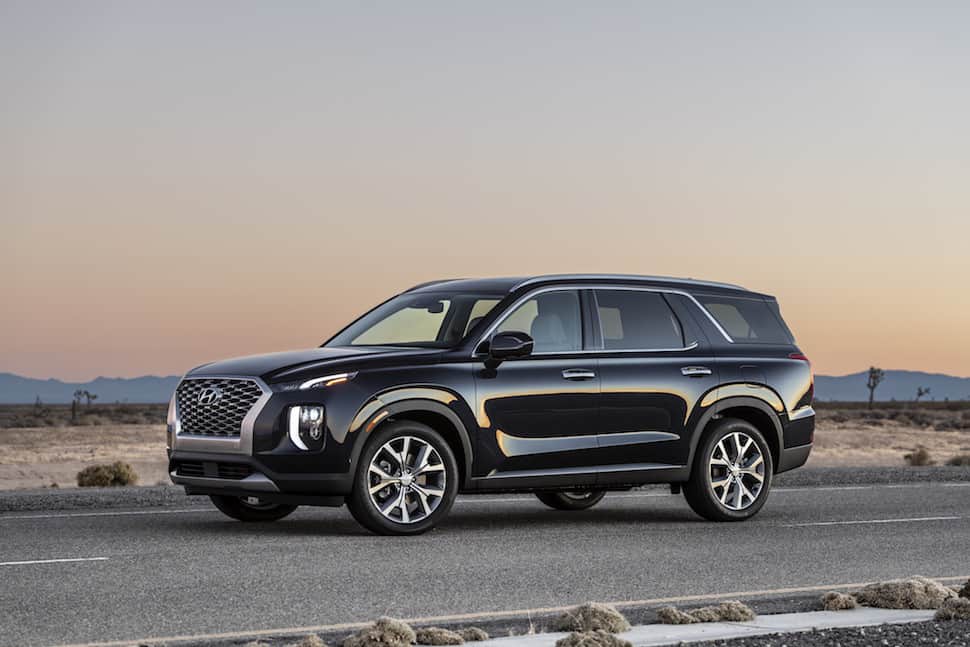
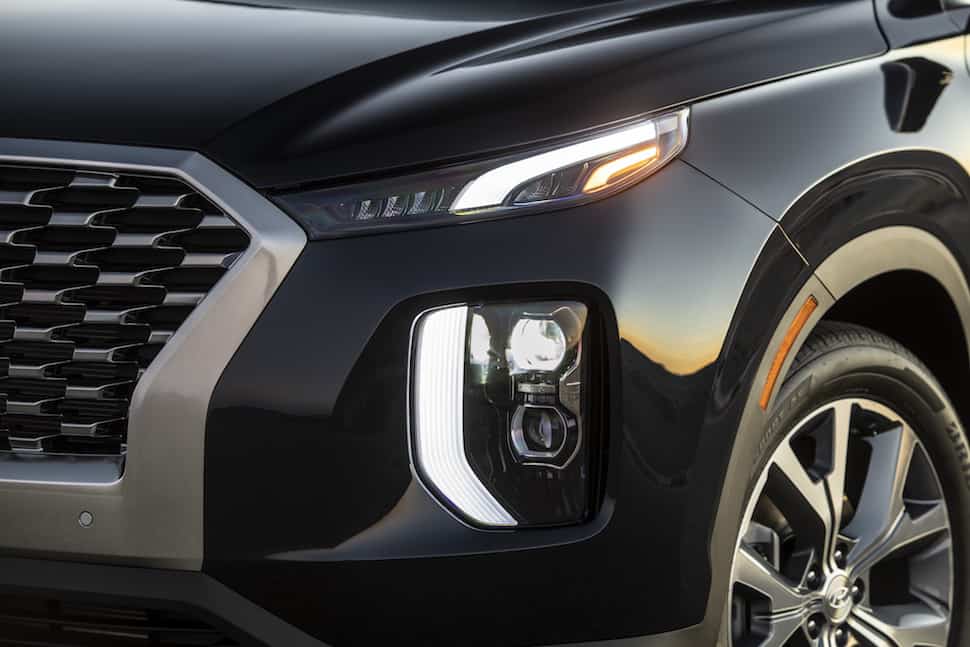
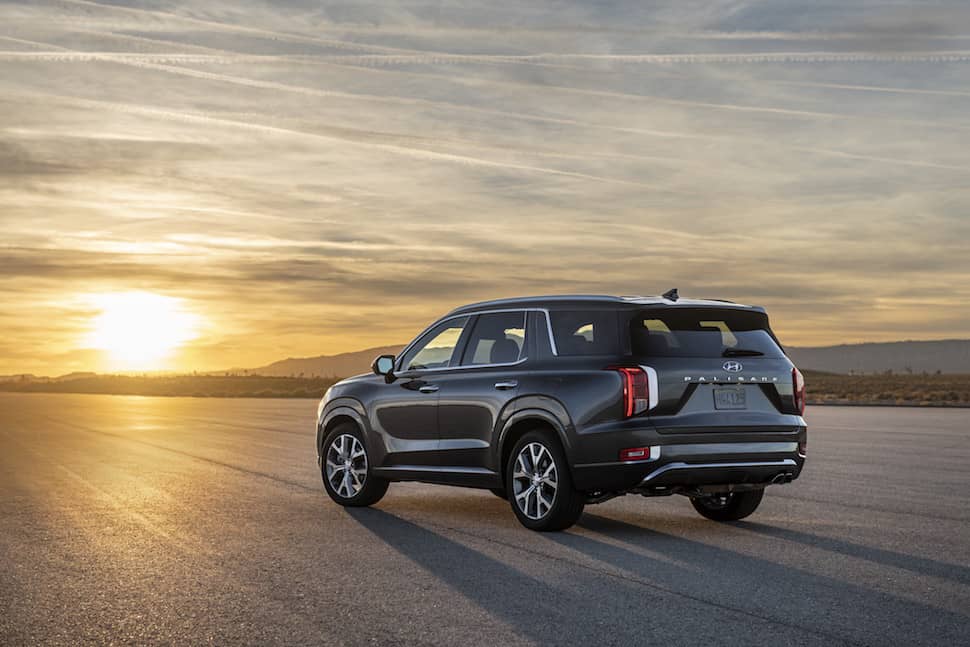
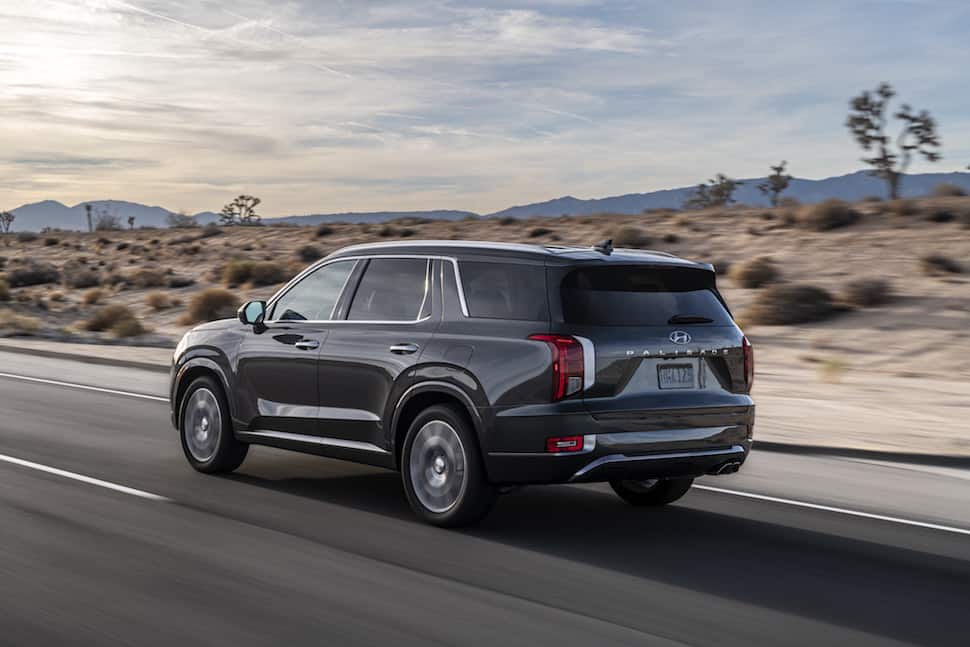
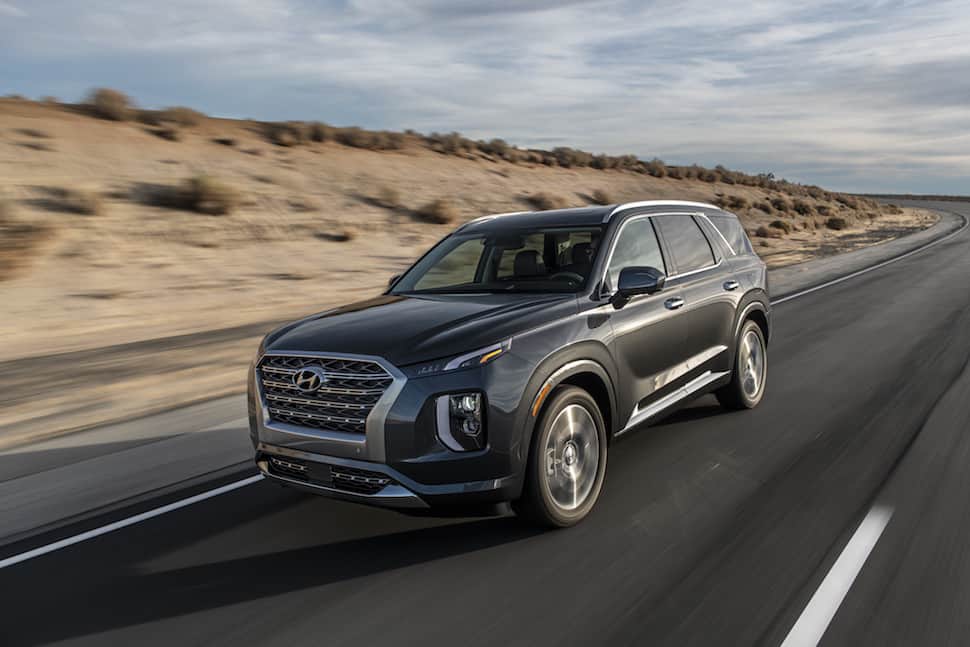
Outside, the Palisade’s sharp contours and squared-off shape represent a styling departure for the brand. If you favour a conservative look, you might find it subdued and dignified; others might find it a bit boxy.
The Palisade incorporates advanced safety systems, including forward collision warning, automatic emergency braking with pedestrian detection, blind spot warning, and rear cross-traffic alert with automatic braking. It also has Hyundai’s Safe Exit Assist, which uses radar to detect cars approaching from the rear, preventing the doors from opening until the car has passed.
Hyundai uses a lot of high-strength steel in this vehicle, which reduces weight while increasing chassis stiffness. For the driver, the elimination of body flex makes it feel very sure-footed during manoeuvres.
It also offers driver-assist technology, including adaptive cruise control and lane-keep assist. A novel innovation on higher-end models is a camera that provides an image of the side of the vehicle when you signal a lane change.
Takeaway











Pros
- Spacious, well-designed three-row interior
- Strong value with premium features and tech
- Smooth, refined V6 with confident ride quality
Cons
- Fuel economy is average for the segment
- Not particularly engaging to drive
- Styling may feel too conservative for some
The Palisade combines convenience and safety features, generous interior space, ample power and respectable fuel economy. It joins its twin – the Kia Telluride – which is built on the same chassis and uses the same powertrain, though it is manufactured in the U.S. (the Palisade is built in Korea).
I’ve driven the Telluride and found its driving dynamics virtually identical to the Palisade. For consumers, choosing between the two will be a matter of personal preference on features and styling details. The vehicles are not as cheap as that old Pony, but they are so vastly superior, it’s hard to believe they come from the same company. And they provide great value for the features offered.