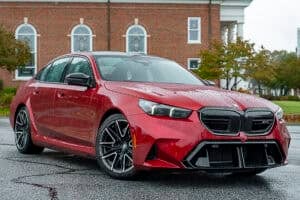

SUVs dominate winter-driving conversations, mostly because they look tougher, sit higher, and promise security through sheer size. But in real-world snow and ice, physics doesn’t care about appearances. In many situations, a well-equipped sedan can outperform a comparable SUV, delivering better stability, braking, and confidence when conditions get ugly. Here’s why the low-slung long-roof still earns respect when the weather turns.
Related – These 7 AWD Sport Sedans Will Crush Winter
Lower Center of Gravity = Better Control on Icy Roads
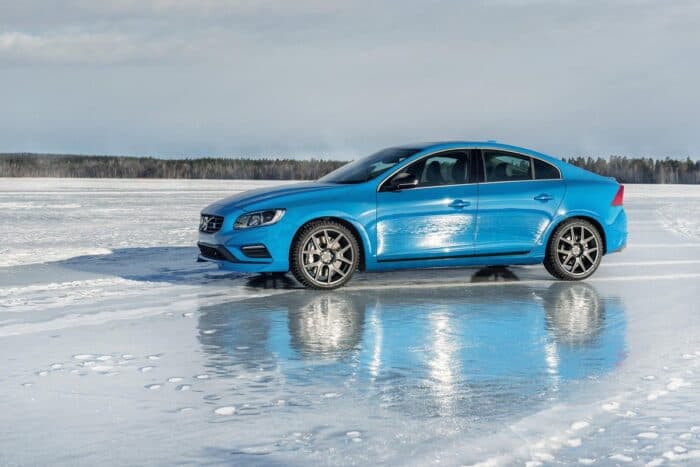
SUVs ride higher by design, which helps with visibility and ground clearance but comes with a trade-off: more body roll and less stability during sudden inputs. A sedan’s lower center of gravity keeps weight planted closer to the pavement, improving:
- Predictability during quick lane changes
- Stability in high winds
- Traction when surfaces are slick
- Confidence when descending snow-covered hills
In winter, stability matters more than stature, and sedans naturally have the advantage.
Weight Distribution Favors Winter Grip
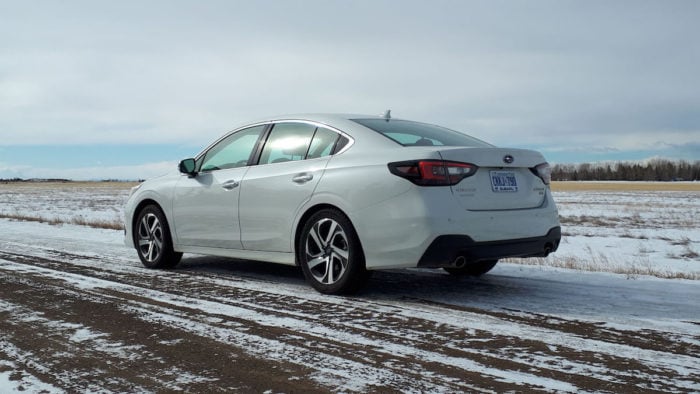
Many sedans (especially AWD ones) are engineered with more balanced weight distribution than crossovers that share platforms with compact cars. Better balance means:
- More even weight on all four tires
- Less understeer on slippery turns
- More consistent traction under throttle
Some performance-oriented sedans (Subaru Legacy, Audi A4/A6, Volvo S60 AWD, etc.) send power rearward more aggressively than many “AWD” crossovers, which default to FWD until slip occurs. The result? A sedan designed for grip often puts power down more cleanly than a tall FWD-biased SUV.
Tires Matter More Than Vehicle Type

One of the biggest winter-driving myths is that AWD or a taller SUV automatically solves traction problems. In reality:
- Winter tires over AWD
- Winter tires over ground clearance
- Winter tires over the weight
A sedan on proper winter rubber will outperform many SUVs running all-seasons — especially when braking or cornering. Crossovers might get you moving, but stopping and steering on ice separates the capable from the overconfident. If you take one thing from this guide: A sedan + winter tires is a winter weapon.
Related – Winter Tires (reviews)
Better Braking Performance on Snow and Ice
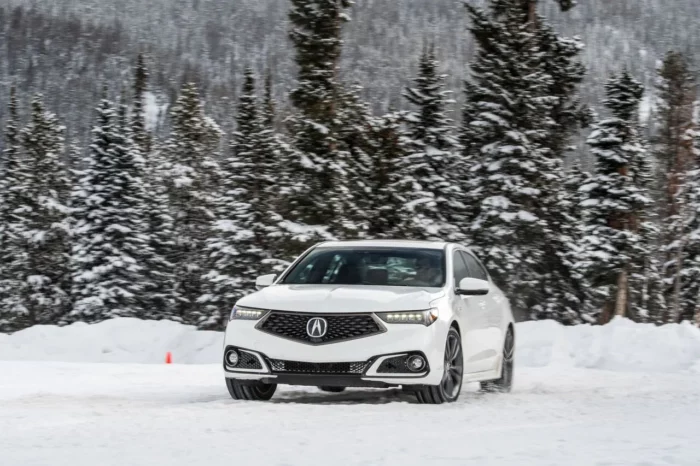
Momentum works against taller, heavier vehicles. SUVs typically require:
- Longer stopping distances
- More careful pedal modulation
- Earlier braking points on icy highways
Sedans, being lighter and lower, can scrub speed more efficiently. On slick surfaces, that small difference often becomes a significant advantage, especially in panic stops or downhill braking zones.
Many SUVs Are Not Built for Deep Snow Anyway
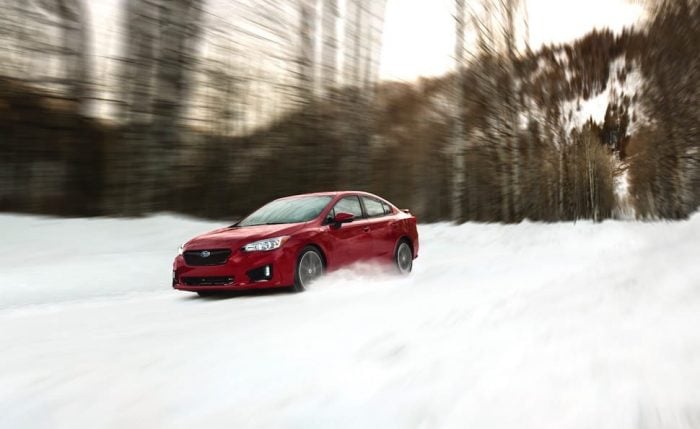
The SUV badge doesn’t mean the vehicle is winter-ready. Many popular crossovers:
- Lack true torque-vectoring AWD
- Use FWD-biased systems that engage only after slip
- Have street-focused tires
- Don’t offer meaningful ground clearance
- Prioritize efficiency over traction
In other words, they’re styled like off-roaders but behave like tall hatchbacks in the cold. Meanwhile, AWD sedans (even modest ones) typically apply power more intelligently and predictably.
When SUVs Still Hold the Edge
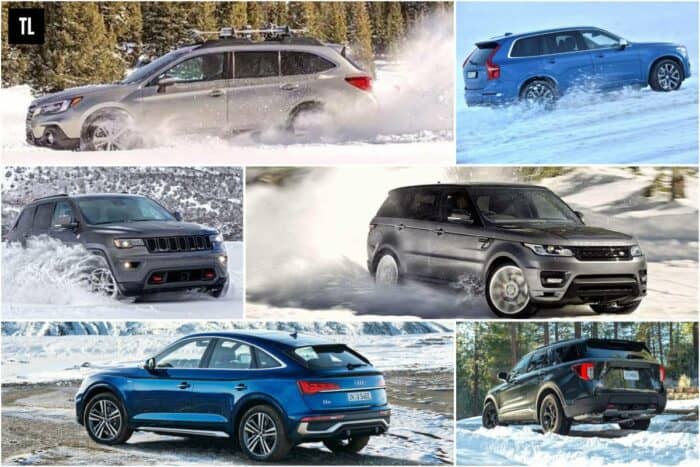
This isn’t a takedown of SUVs. Here’s our look at the SUVs that conquer winter. They absolutely excel in:
- Deep snow (sometimes)
- Poorly maintained rural roads
- Steep driveways
- Situations where clearance matters
But for everyday winter driving (highways, city streets, packed snow, light ice), the sedan’s design fundamentals play in its favor.
Takeaway
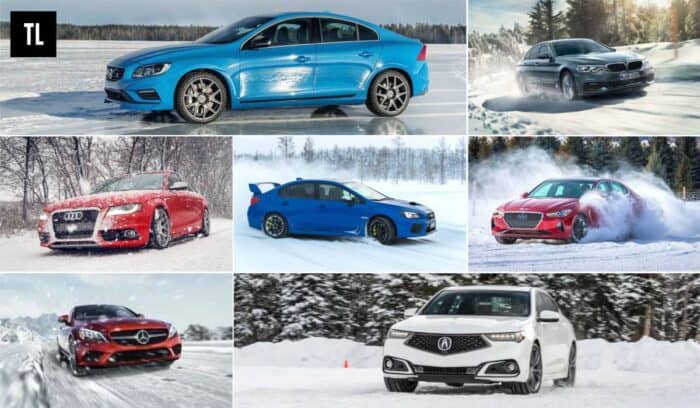
SUVs may rule the market, but winter doesn’t automatically crown them superior. A sedan’s lower center of gravity, balanced weight, and cleaner power delivery often make it the more confidence-inspiring choice on slippery roads. Add a quality set of winter tires, and many sedans punch above their weight. Sometimes outperforming the crossovers parked beside them. If you’re shopping for a winter-capable daily driver, don’t overlook the long-roof underdog. Physics is on its side.