
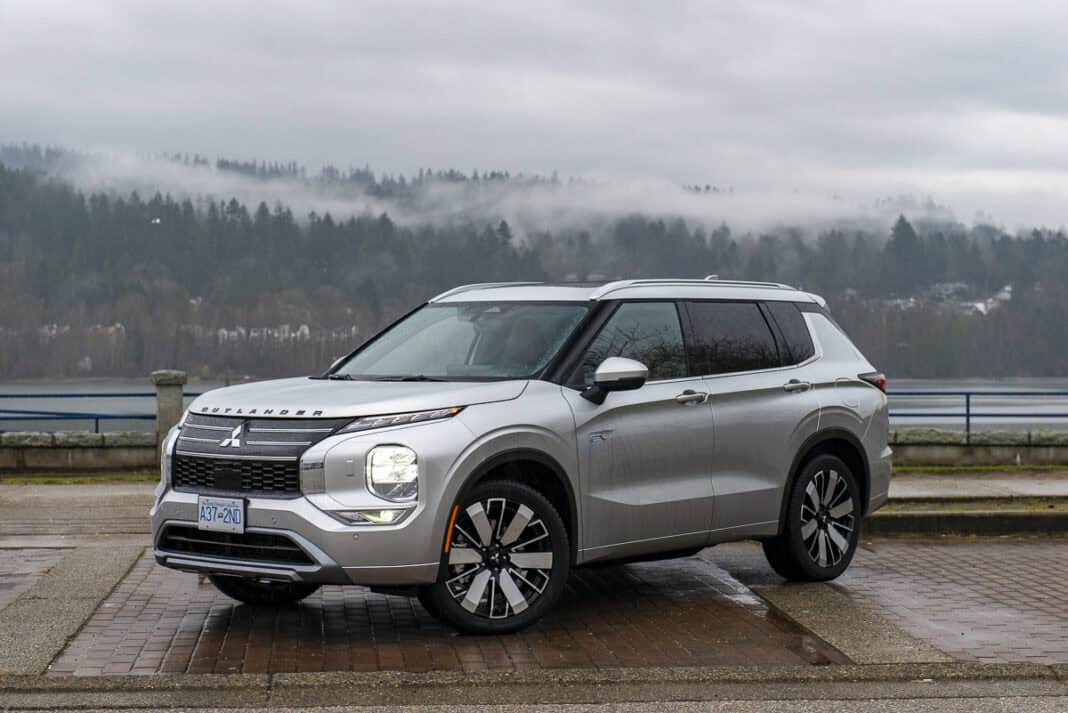
The plug-in hybrid space is getting crowded, but the 2026 Mitsubishi Outlander PHEV still has a bit of a head start. For 2026, Mitsubishi continues to refine it with almost surgical precision, making smaller, intentional changes rather than big, sweeping updates. A larger 22.7-kWh battery (up from 20 kWh), more power at 297 horsepower, and a new battery cooling system headline the updates, all aimed at improving electric range and overall usability. On paper, it’s a meaningful step forward.
After spending time with it at a recent first drive event, the takeaway is familiar: this is still one of the most usable PHEVs out there (and still the top-selling PHEV SUV sold globally). But now, it feels a little more complete; less like a compromise, more like something you’d actually choose. There’s a lot riding on Mitsu’s flagship vehicle. Did they get it right here?
Related – 2023 Mitsubishi Outlander PHEV First Drive Review
Driving Impressions: More Refined Where It Matters
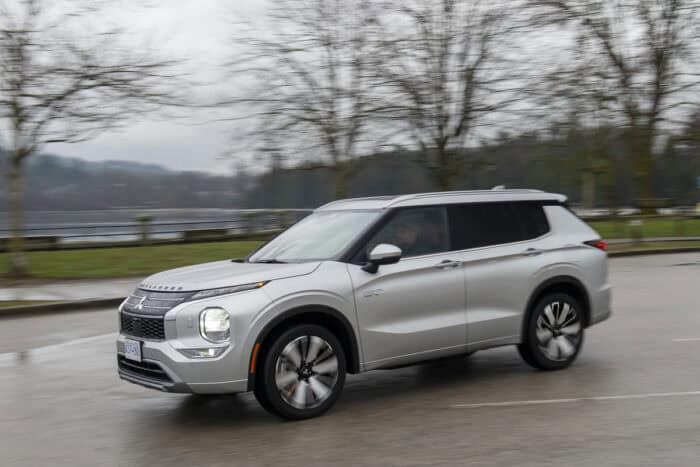
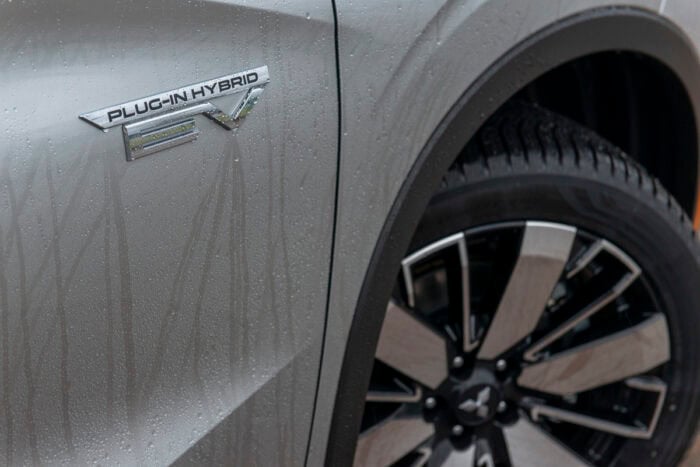
For 2026, Mitsubishi retuned the steering and suspension, aiming for better composure and confidence behind the wheel. Combined with the updated battery and increased system output, this plug-in hybrid family hauler is meant to feel smoother, quieter, and more cohesive overall.
“More short trips can be done without using gas, and the hybrid system fades further into the background. It’s still one of the easiest PHEVs to just get in and drive without overthinking it.”
That comes through pretty clearly. Around town through the downtown streets of Vancouver, British Columbia, it leans heavily into EV driving, and that’s where it feels most natural: quiet, smooth, and easygoing. The transitions between electric and gas power are better integrated than before, even if you’re still aware of the engine under load. It’s not quick, but it feels more sorted, less like a system juggling priorities and more like a drivetrain doing its job in the background.
Related – 2019 Mitsubishi Outlander PHEV Review
Powertrain and Efficiency: A More Usable Hybrid
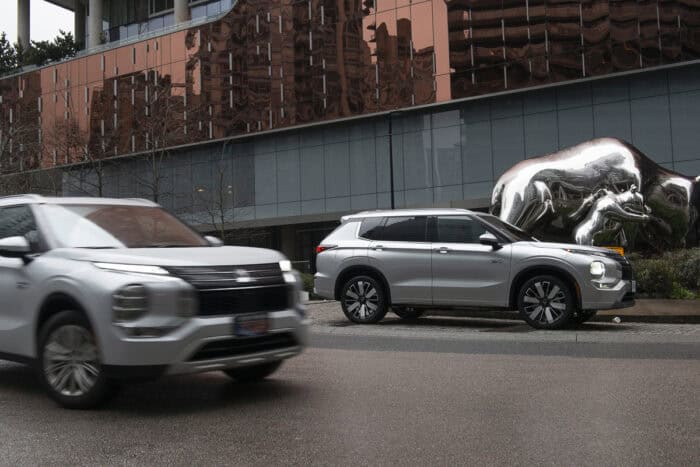
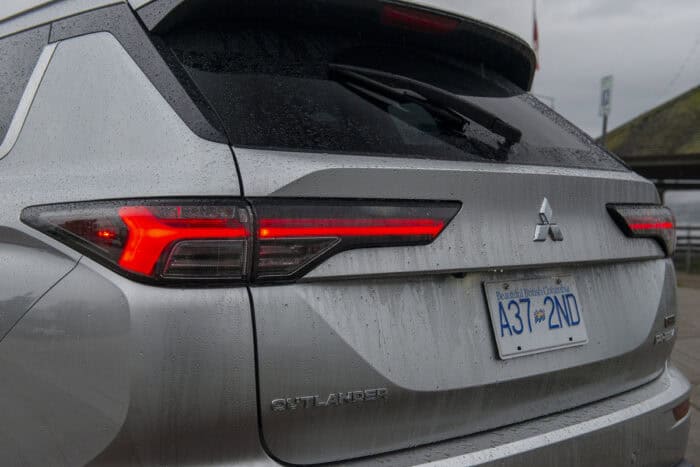
- Powertrain: 2.4L 4-cylinder + dual electric motors (PHEV)
- Total Output: 297 hp
- Battery: 22.7 kWh lithium-ion
- Electric Range: Up to ~45 miles (72 km)
- Drivetrain: Super All-Wheel Control (AWD, standard)
- Charging: Level 1 / Level 2 + DC fast charging (CHAdeMO)
- Transmission: Single-speed (EV-based system)
The bigger battery now delivers up to 45 miles of all-electric range, up from 38 miles, while also contributing to the jump in total system output. A new cooling system helps manage performance and efficiency across a wider range of driving conditions, allowing the Outlander PHEV to operate in EV mode more often.
“To say the Outlander PHEV is important to Mitsubishi is an understatement. It carries a lot of weight for the brand, and getting it wrong would be hard to recover from.”
In practice, that’s what you notice most. You spend more time driving on electricity, and less time thinking about how the system works. It still follows the same philosophy, not chasing EV-level numbers, but delivering a consistent, predictable experience. You plug it in, drive it, and let it figure things out. That simplicity is a big part of its appeal. And, no suspect EV stations to sort out for those long road trips.
Related – First Drive: 2018 Mitsubishi Outlander PHEV Review
Interior and Comfort: Meaningful, Not Flashy Updates
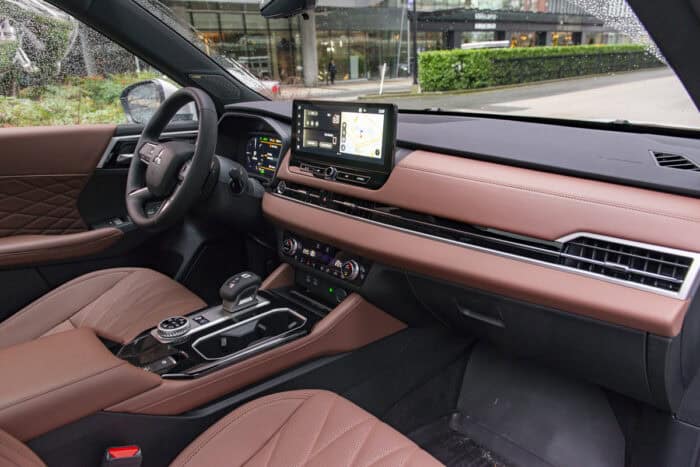
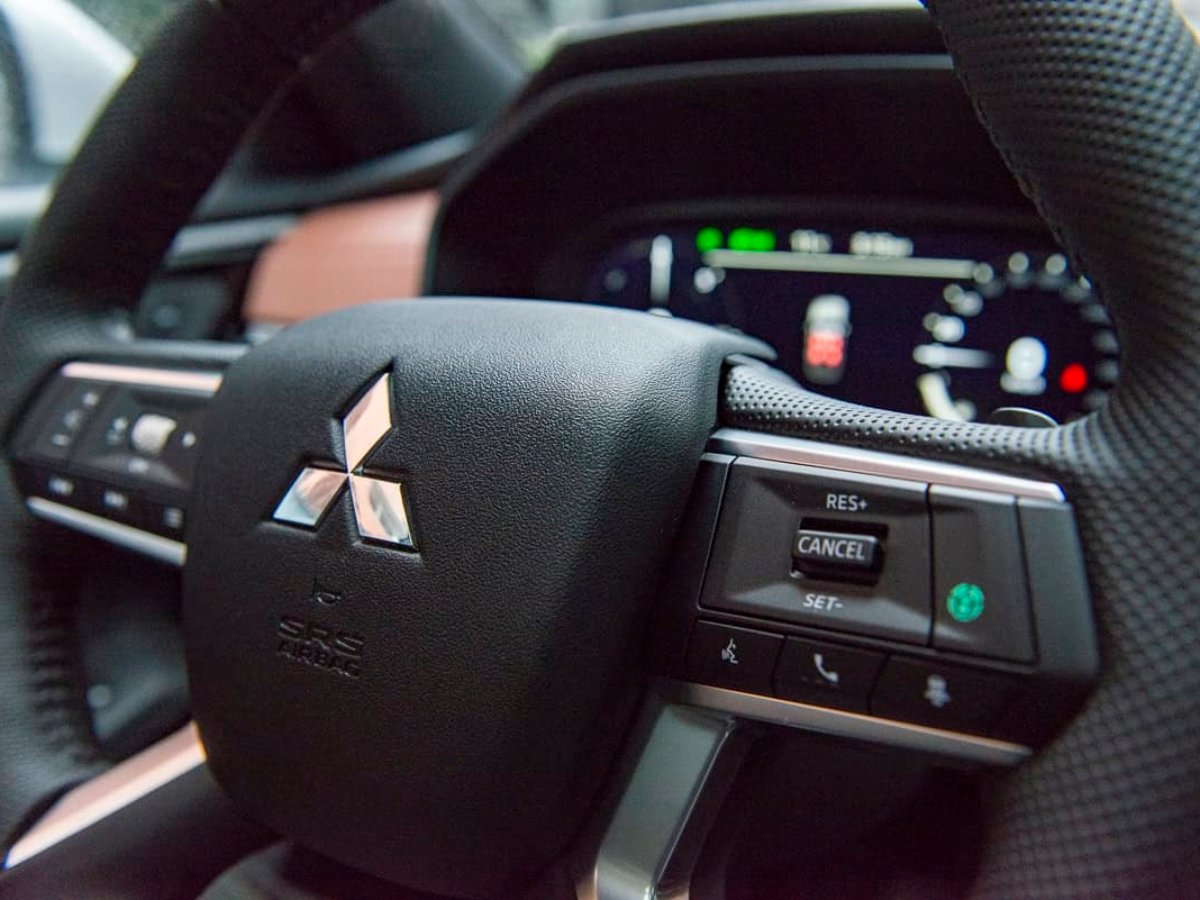
Inside, the updates are more noticeable than you might expect. The refreshed interior, carried over and expanded from the latest 2025 gas Outlander, brings improved materials, revised controls, and small usability tweaks like repositioned cupholders and a larger center console. There’s also the addition of Yamaha-developed audio systems introduced in the 2025 gas model update, which stand out as a more premium touch than you’d expect in this segment.
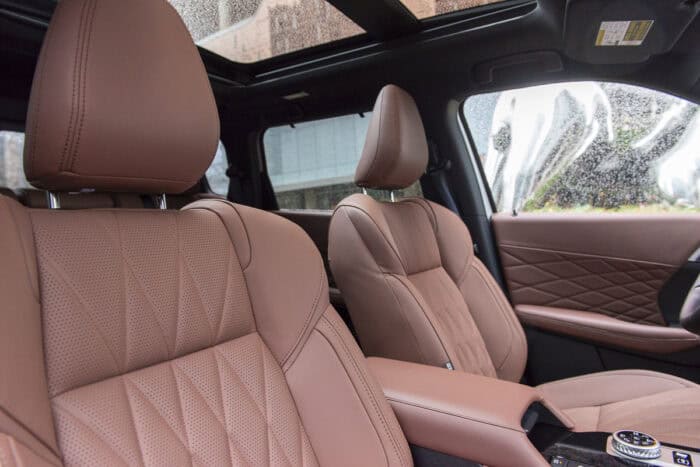
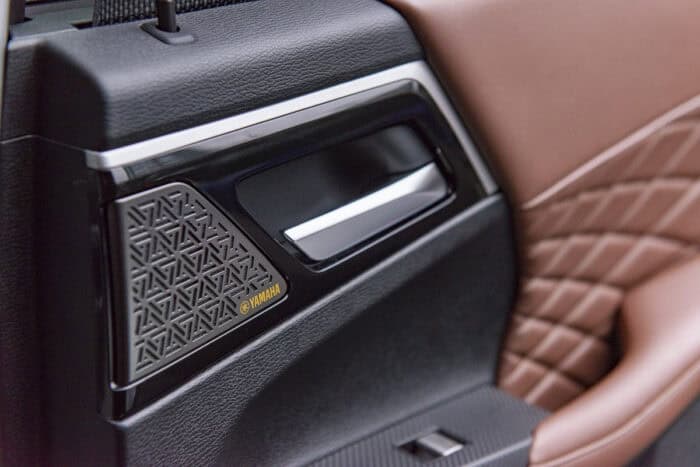
In the top SEL trim you see here (GT in Canada), it leans even further in that direction. Quilted leather, heated and ventilated seats, and the upgraded audio system give it a more upscale feel than the badge might suggest. It’s not quite luxury, but pretty damn close.
It still leans toward comfort over flash. The cabin is quiet, especially in EV mode, and everything feels straightforward to use. It’s not trying to wow you with tech gimmicks, but it also doesn’t feel behind the curve. If anything, it strikes a nice balance between modern and familiar, which suits the Outlander’s overall character.
What It’s Like to Live With
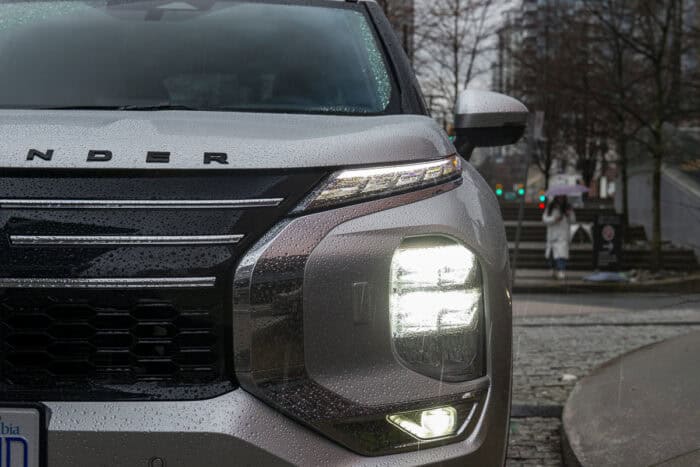
With more EV range and a more refined system, the Outlander PHEV leans even harder into everyday usability. More short trips can be done without using gas, and the hybrid system fades further into the background. It’s still one of the easiest PHEVs to just get in and drive without overthinking it.
That’s really where it continues to make the most sense. You get EV-like driving during the week, gas-powered flexibility when you need it, and the added confidence of Mitsubishi’s Super All-Wheel Control system when conditions get rough. It’s not exciting, but it doesn’t need to be. It’s built around real-world use, and it shows.
Related – 2014 Mitsubishi Outlander First Drive Review
Takeaway
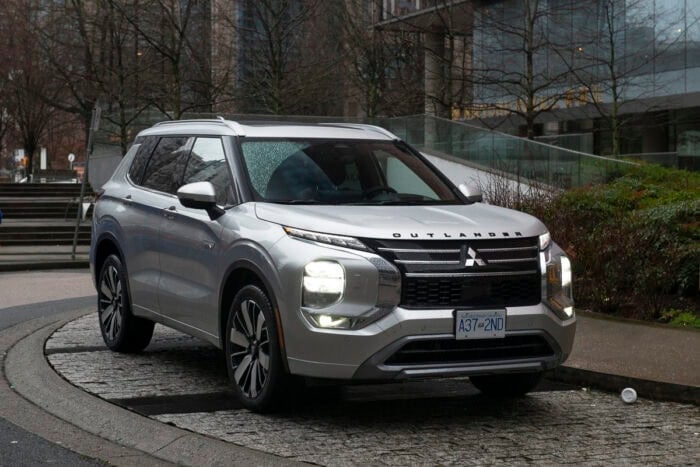
Pros
- Hybrid system finally feels complete
- Standard AWD with real capability
- Comfortable, quietly upscale interior (especially in GT trim)
Cons
- Not particularly engaging to drive
- Gas engine is still noticeable under load
- Third row remains tight
To say the Outlander PHEV is important to Mitsubishi is an understatement. It carries a lot of weight for the brand, and getting it wrong would be hard to recover from. That’s what makes these updates matter. More range, more power, and a smoother, better-integrated system don’t change the formula, but they do make it feel more complete. It’s still not exciting, and it’s not trying to be. But as a practical, no-fuss plug-in hybrid that fits into everyday life, it continues to make a strong case for itself.
2026 Mitsubishi Outlander PHEV Photos and Specs


| Spec | Metric |
|---|---|
| Powertrain | 2.4L 4-cylinder + dual electric motors (PHEV) |
| Total System Output | 297 horsepower |
| Battery | 22.7 kWh lithium-ion |
| Electric Range | Up to 45 miles (72 km) |
| Total Driving Range | Approx. 420 miles (676 km) |
| Drivetrain | Super All-Wheel Control (AWD, standard) |
| Transmission | Single-speed automatic |
| Charging | Level 1, Level 2, DC Fast Charging (CHAdeMO) |
| Seating Capacity | 7 passengers |
| Drive Modes | Normal, Eco, Power, Snow, Gravel, Mud, Tarmac |