

Growing up in Spokane, Washington, in a family of mechanics, Sydney Sweeney didn’t just learn how cars work. She learned that working on them doesn’t have to be intimidating. Long before her rise through Euphoria and The White Lotus, turning a wrench was simply part of daily life. That foundation has quietly shaped how she approaches cars today, not as untouchable objects, but as machines meant to be understood.

Earlier this year, Sweeney launched an Auto 101 series aimed at demystifying basic vehicle maintenance. The videos walk through simple, practical tasks — checking tire pressure, jump-starting a battery, understanding fluids — with one clear goal: helping more people, especially women, feel confident taking care of their own vehicles. It’s a refreshingly grounded approach in a car culture that often overcomplicates the basics.

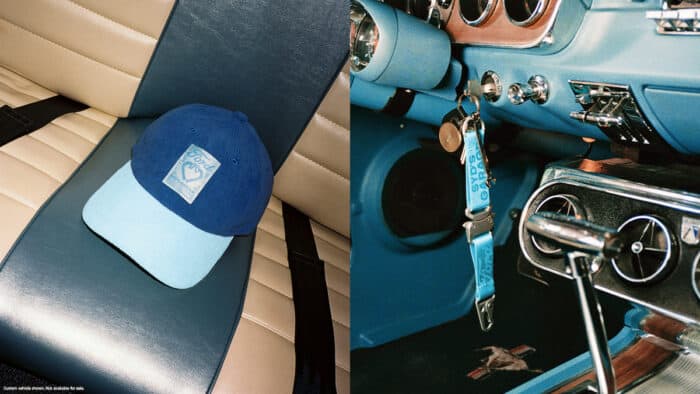
That philosophy is rooted in experience. Inspired by her own 1965 Mustang, Sweeney has been vocal about learning by doing, even when that means making mistakes along the way. Rather than positioning herself as an expert, she frames car maintenance as a skill anyone can build with the right guidance and encouragement.

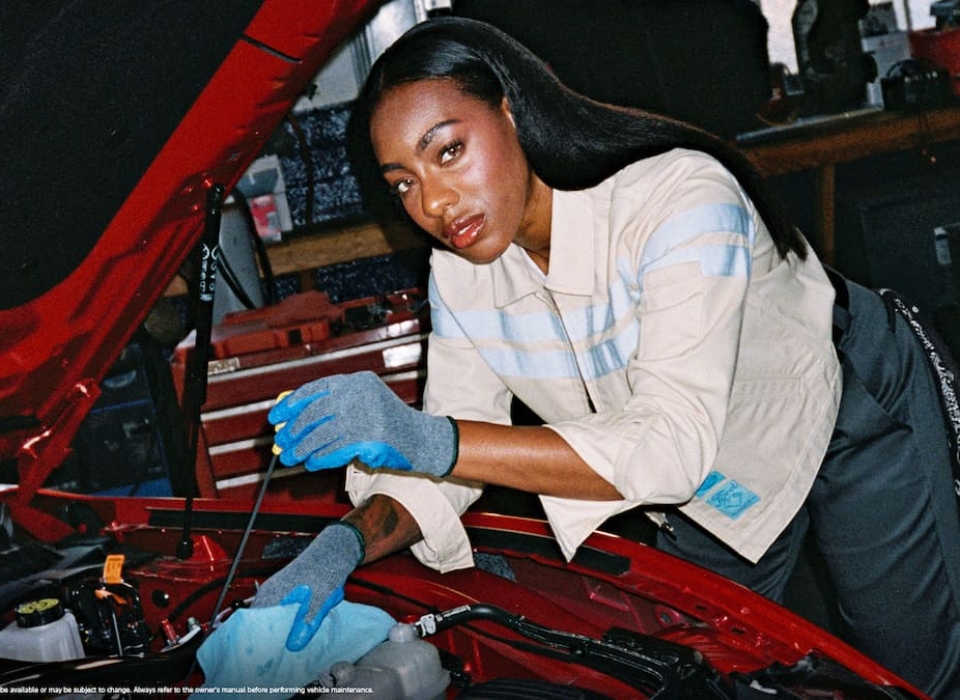
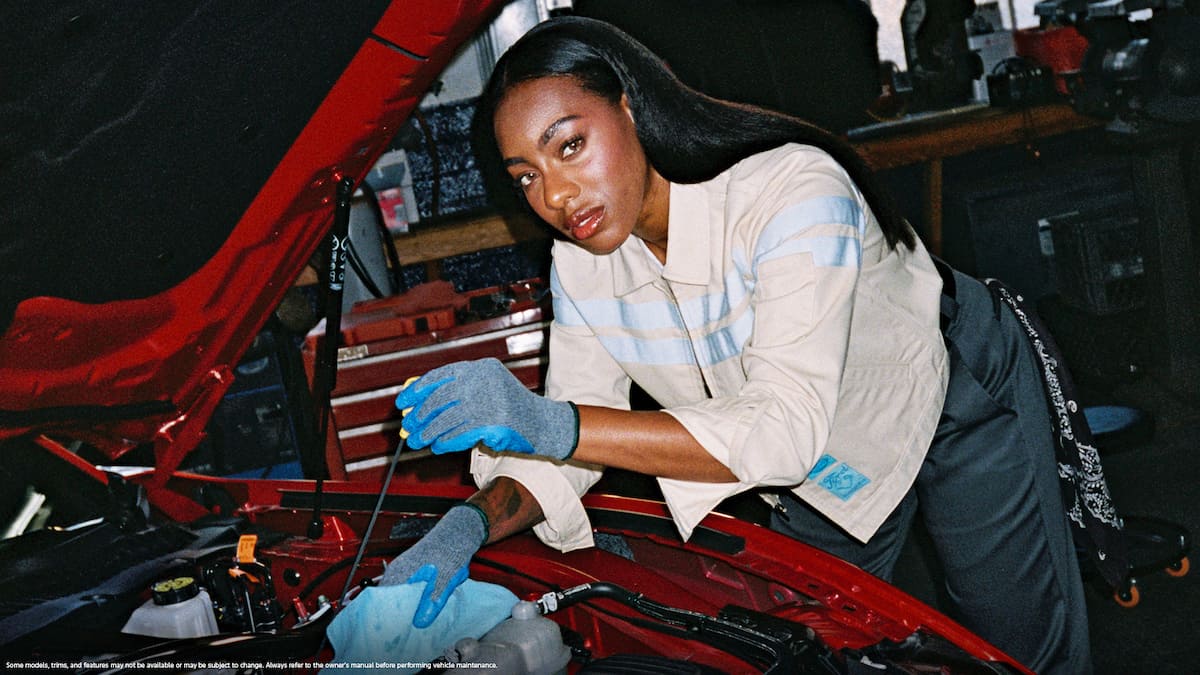
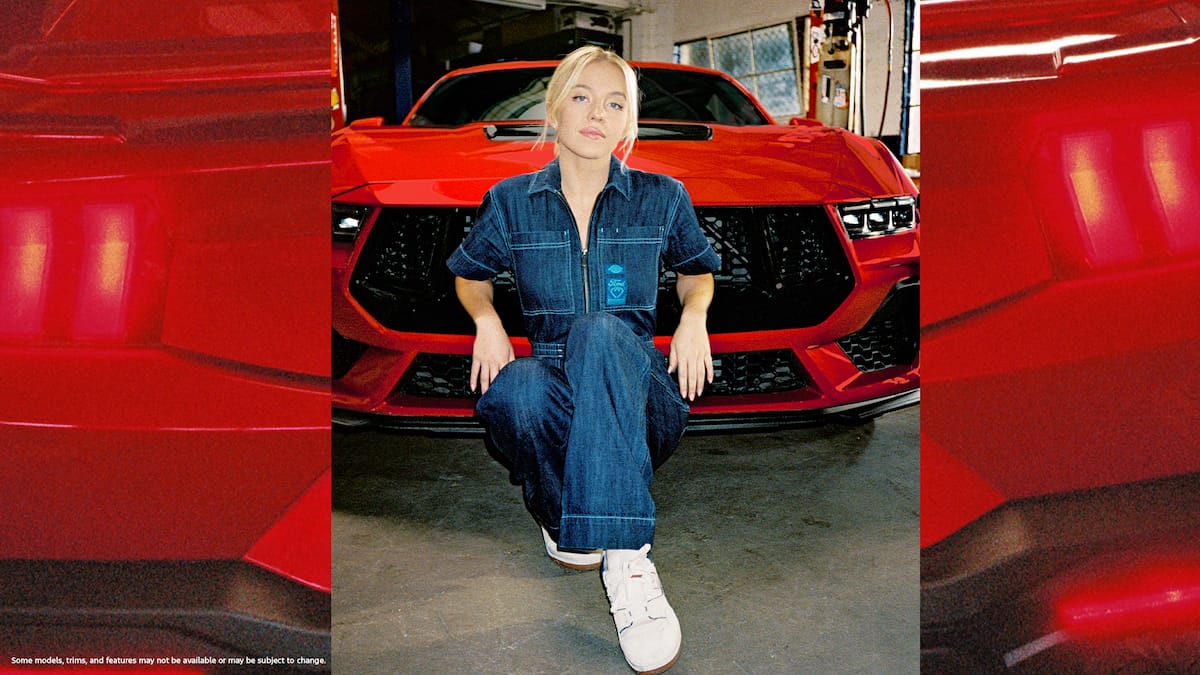
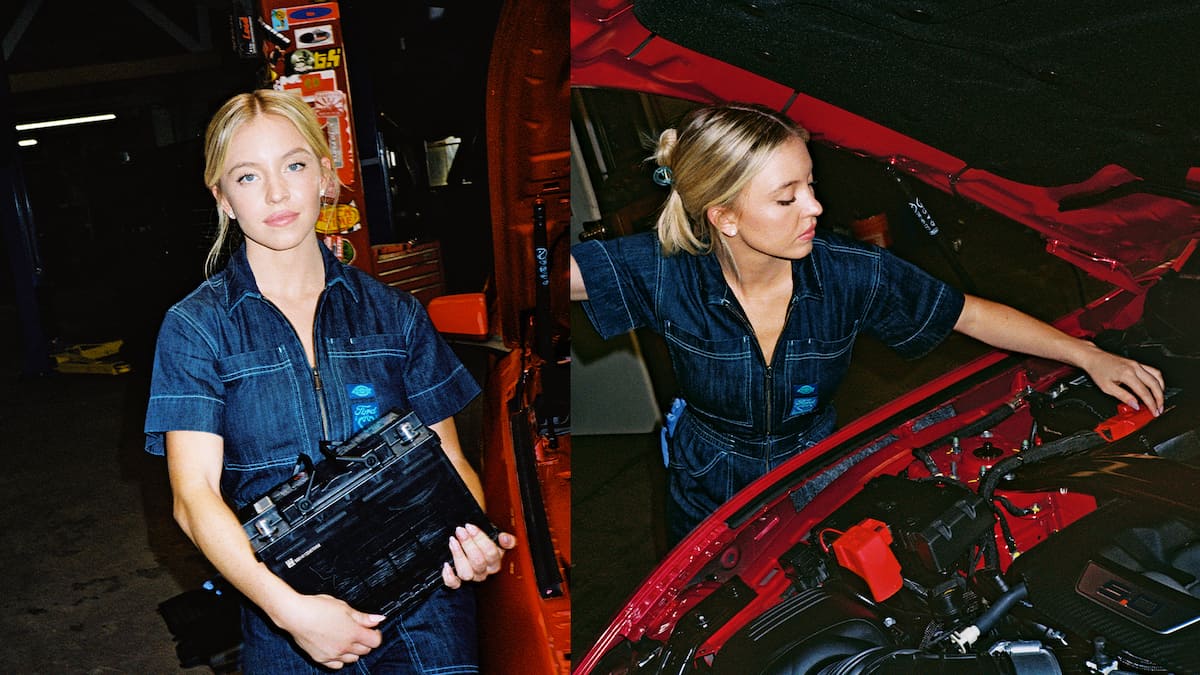
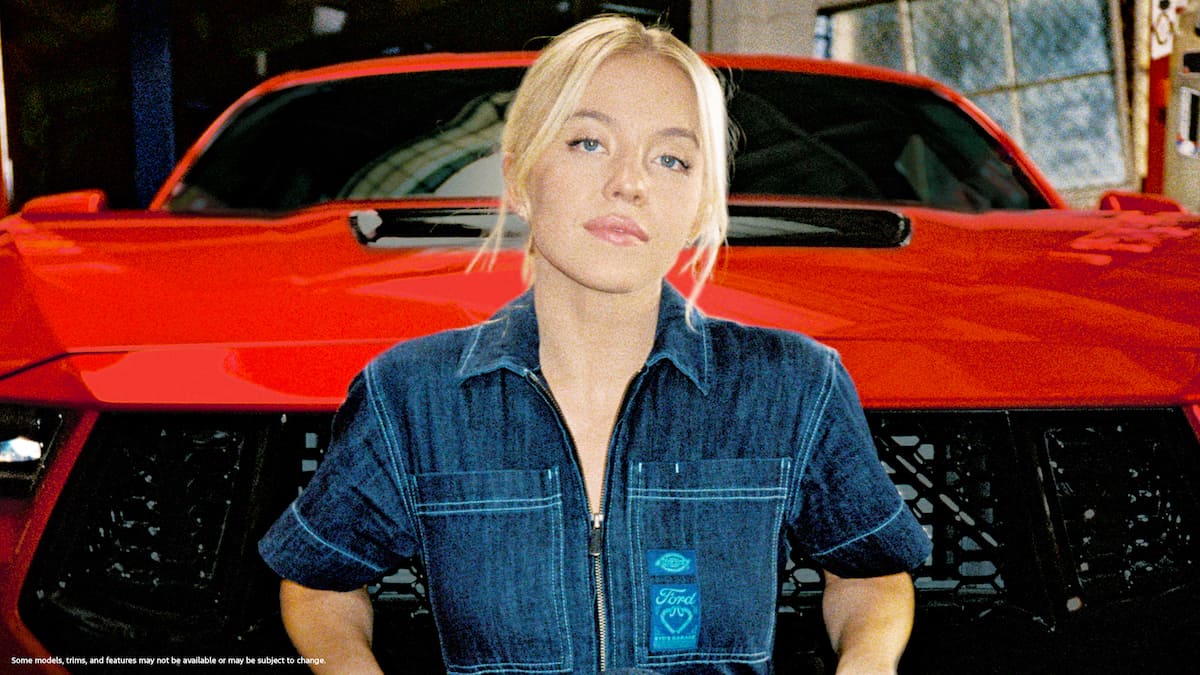
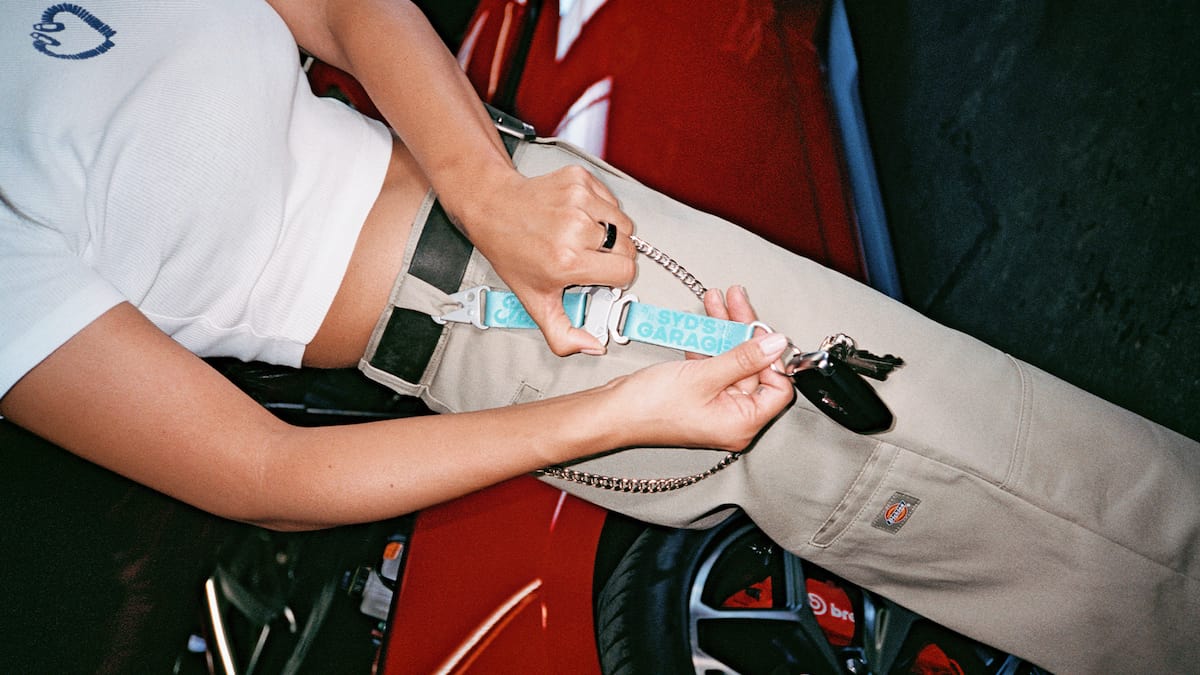
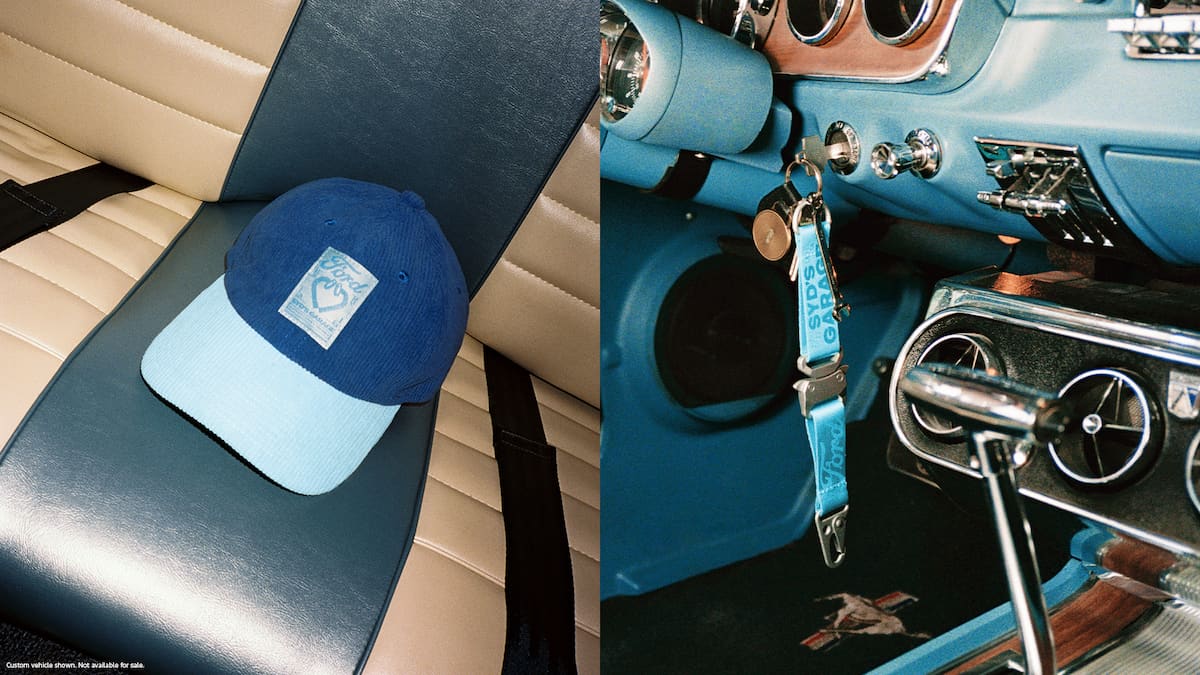
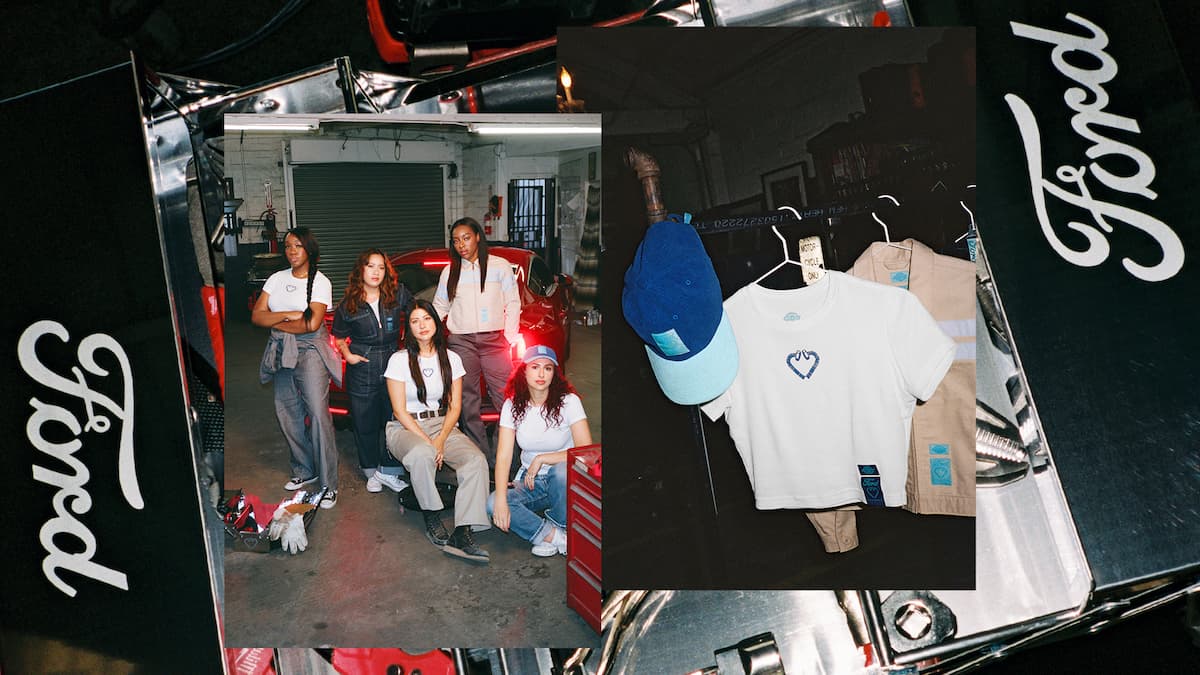
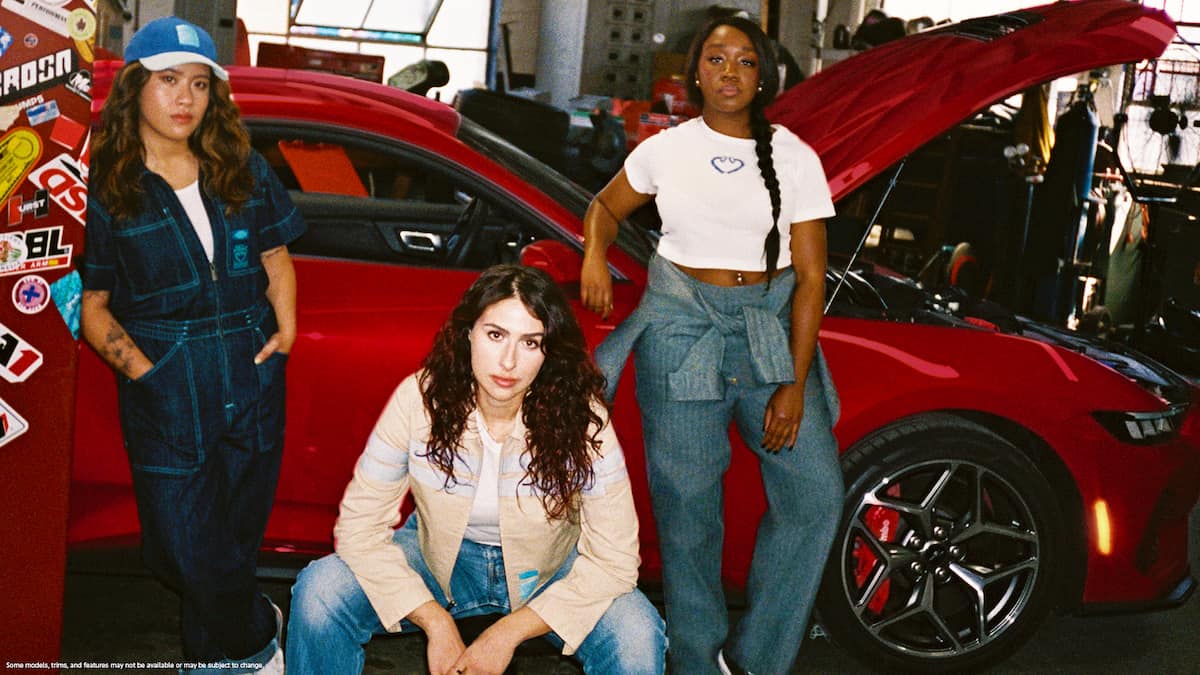
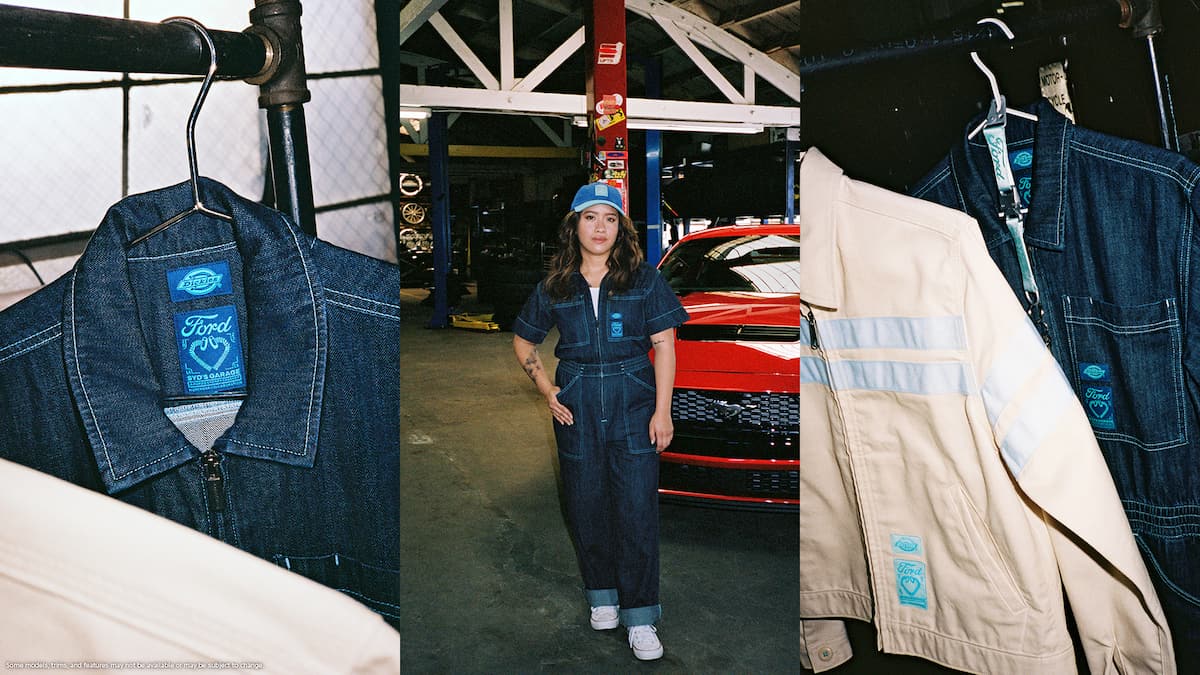
That mindset carries into her recent collaboration with Ford and Dickies, not as a fashion-forward stunt, but as an extension of her hands-on message. Instead of traditional models, the campaign features real auto-restoration enthusiasts, highlighting women who actively work on their own vehicles. The emphasis isn’t on the clothes themselves, but on what they represent: accessibility, practicality, and time spent in the garage learning something new.
“I was thrilled that Ford wanted to use auto enthusiasts to model the clothing and create content that teaches people how to do basic maintenance tasks on their vehicles,” Sweeney explains. “Being able to take my car into my own hands has been so empowering for me — and I hope this can inspire others who may have never considered working on their vehicle themselves to give it a try.”
Beyond the visuals, the project includes step-by-step guidance on essential maintenance tasks, reinforcing the idea that car ownership doesn’t need to be passive. By pairing approachable instruction with real people and real vehicles, the message stays focused on confidence rather than credentials.
At a time when automotive culture often skews toward extremes (think high-performance builds, high-cost restorations, or influencer spectacle), Sweeney’s approach feels intentionally small and human. It’s about opening the door, not raising the bar. And in doing so, she’s helping shift the conversation around who car culture is for, one basic skill at a time.