
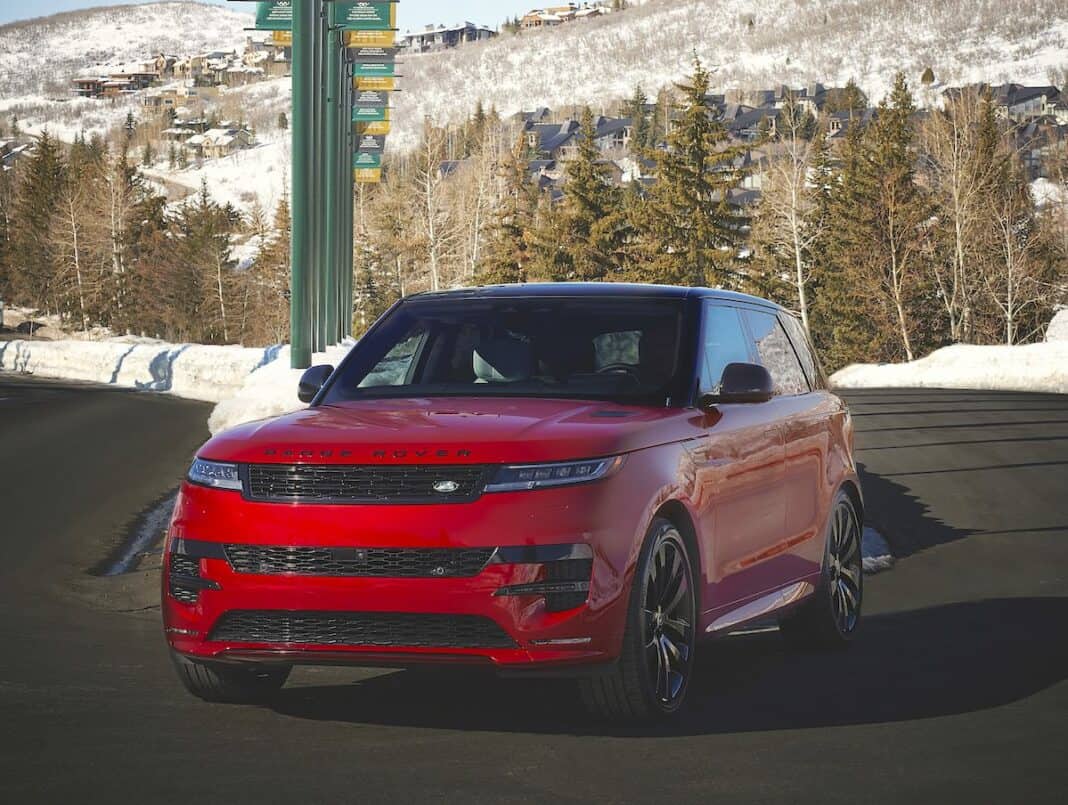
You know all about the Range Rover Sport. It’s the designated high-performer on pavement from a brand that’s become famous for its off-road street cred. When the first Range Rover Sport hit the tarmac almost 20 years ago, it was more of an anomaly. There weren’t so many ultra-fast SUVs on the planet because, let’s face facts, they don’t really make sense from a mobility perspective.
“The Range Rover Sport delivers exceptional capability and refinement, but it’s not likely to match the long-term, low-maintenance reputation of rivals like the Lexus RX.”
Yet here we are, in the year 2023, looking at the third generation of the Range Rover Sport, which attempts to balance high performance with some semblance of eco-consciousness. Not convinced? Well, the model line-up now includes a range (pun intended) of electrified options, with an all-electric version coming in 2024.
What’s New for the 2023 Range Rover Sport

Until that point arrives, there are four different Range Rover Sports: two mild-hybrids, one plug-in hybrid and one throwback all-gasoline twin-turbocharged V8. (There’s no word yet on which version will be replaced by the EV or if the fleet will offer five different models.) Yours truly had two chances to drive the third-gen RR Sport and came away surprised at how different one model is from the next.
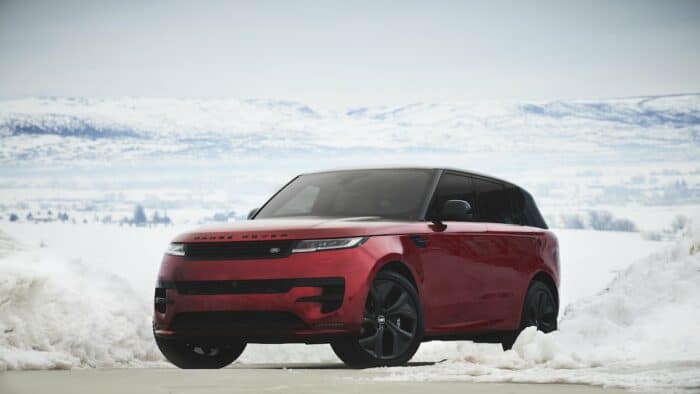
In and around Madrid last September, we had the chance to pilot the twin-turbo V8 and a Euro-spec version of the plug-in hybrid (PHEV) on bone-dry pavement. Then, this past February, we headed to Utah to get behind the wheel of the Range Rover Sport P400 MHEV (mild hybrid) in the mother of all snowstorms. As expected, the Range Rover Sport is extremely capable in all weather conditions. In fact, it made our list of the 7 best SUVs for conquering snow.
Performance and Driving Impressions

| Model | Key Specs |
|---|---|
| P400 (MHEV) | 3.0L turbo inline-6 (mild hybrid) / 395 hp / 406 lb-ft • ~5.7 sec 0–100 km/h |
| P440e (PHEV) | 3.0L turbo inline-6 + electric motor / 434 hp / 619 lb-ft / ~4.5 sec 0–100 km/h |
| P530 (V8) | 4.4L twin-turbo V8 / 523 hp / 553 lb-ft / ~4.3 sec 0–100 km/h |
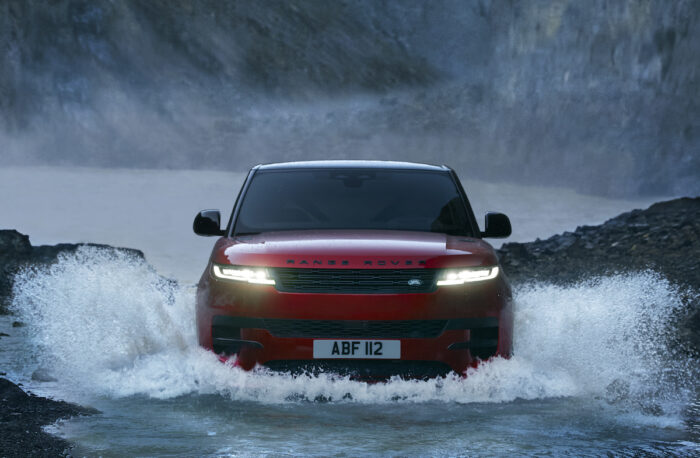
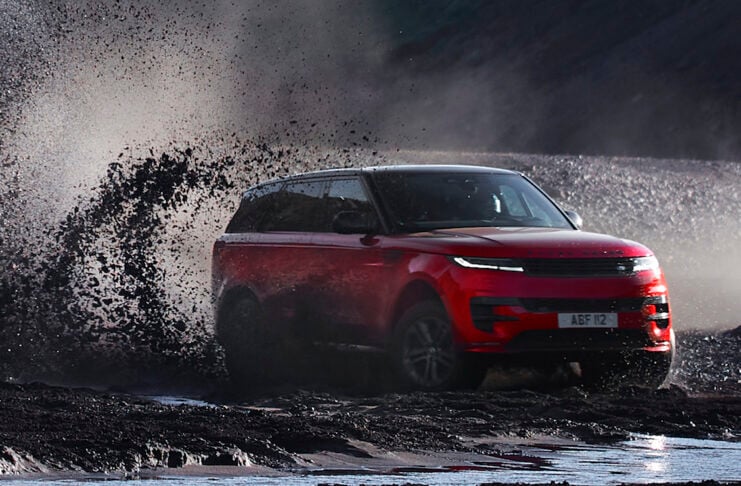
In Spain, we tackled some mild off-road trails; these proved no challenge at all for the vehicle’s Terrain Response system.
This tech boosts the inherent capabilities of Land Rover’s legendary 4-wheel system with a series of driver-selectable modes. You can knock yourself out by picking settings for sand, snow and the like—but the automatic mode is so smart, you can just leave it there, shut up and drive.
Equally, when we accelerated into the heart of a category 5 snowstorm outside Park City, the only challenge was visibility. There were no concerns about a lack of grip as we powered along the freeway across a series of mountain passes.

V8 Performance (P530)
In terms of on-road performance, the P530 is the Range Rover Sport that really lives up to its name. The new twin-turbo V8 generates five more horsepower than the outgoing engine (it’s now set at 523 hp), but also has 70 additional lb-ft of torque, ringing in at 533 total.
For a bit more power and panache, there’s also the 2022 Sport SVR Ultimate Edition – a special edition 575-hp model gaining a retuned V8, 22-inch gloss black wheels, and new solid glass flake colours.
On tighter roads, the truth be told, the plug-in hybrid felt just as engaging as the P530.
With the launch control system engaged, this version of the RR Sport reaches 100 km/h in just under 4.5 seconds—quick for a big SUV, no doubt. (Sidebar: The P530 has proven so popular in Canada, it’s sold out for this year and is no longer listed on the Jaguar Land Rover Canada website.)
Plug-in Hybrid Performance (P440e)
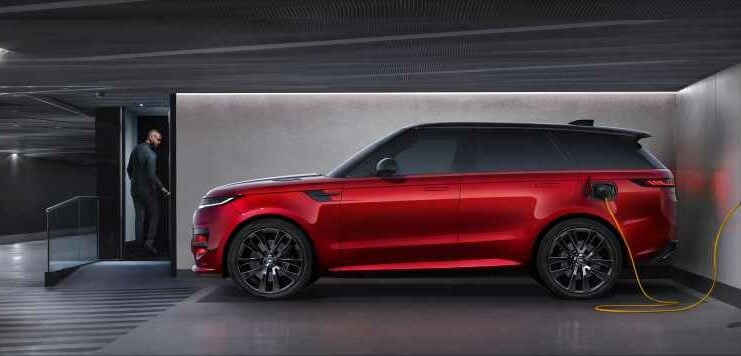
The PHEV, on the other hand, brings less horsepower to the table, but more torque. In North America, the PHEV is called the P440e Electric Hybrid. The powertrain consists of a turbocharged 3.0L 6-cylinder, a 105-kW electric motor and a 31.8-kWh battery pack. All told, this version delivers 434 horsepower and a whopping 619 lb-ft of torque.
The P440e is about a second slower to the mythical 0-60 or 100 km/h mark than the P530 and it’s also a shade slower than the two mild-hybrid versions. But in powering around the extra-urban roads in Spain, it proved responsive from everywhere in the rev range.
On tighter roads, the truth be told, the plug-in hybrid felt just as engaging as the P530. Both versions feature all-wheel steering to help with handling and an air suspension system to soak up imperfections in the road.
Interior, Technology and Comfort
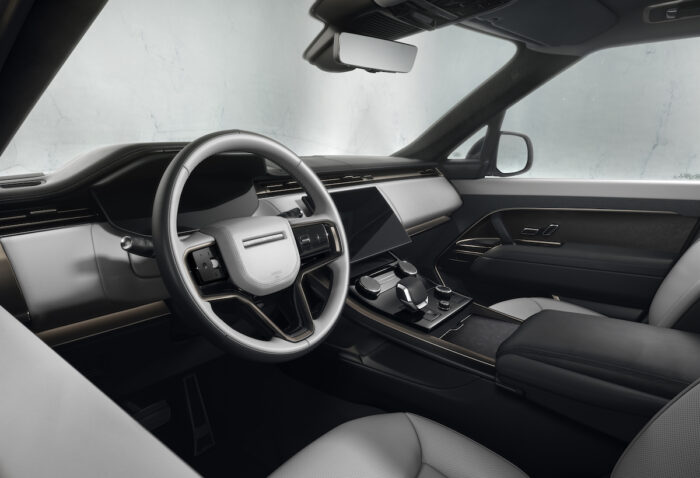
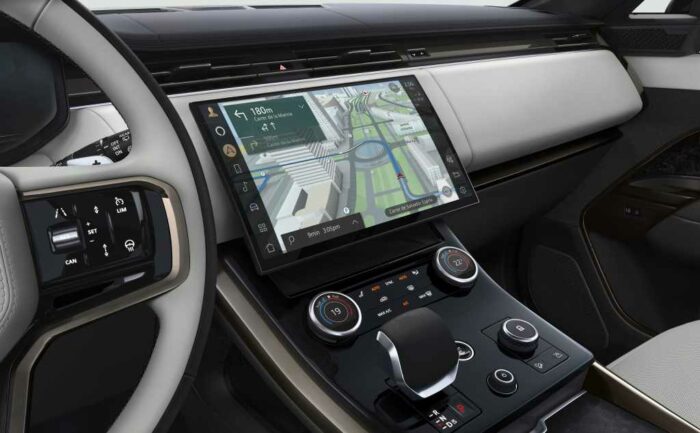
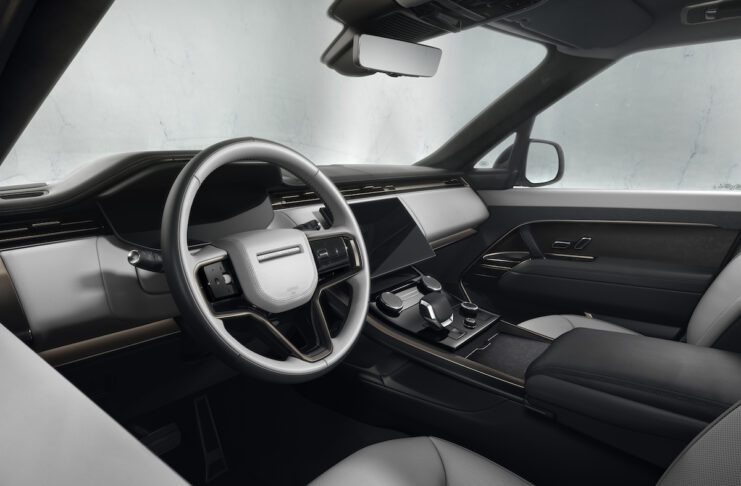
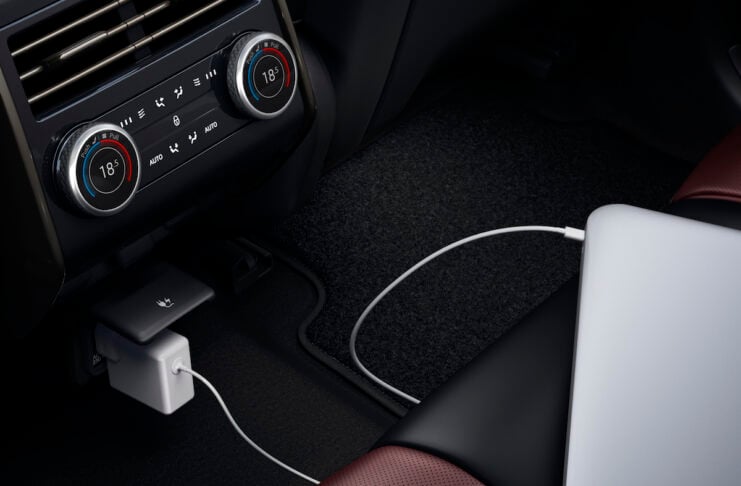
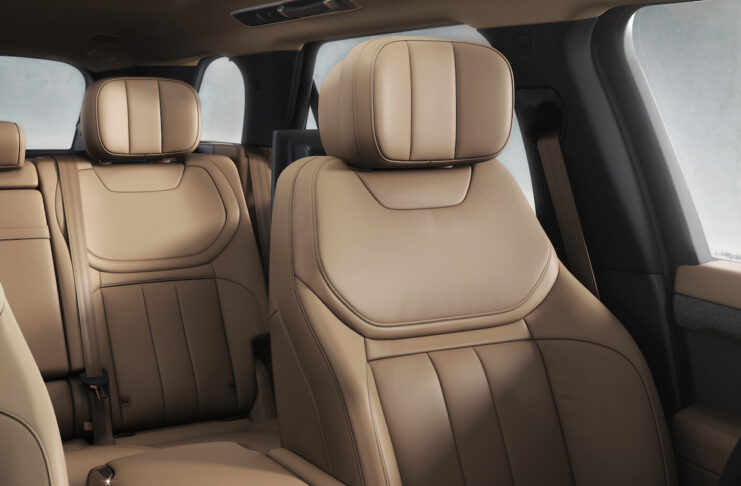
All Range Rover Sports are authentic luxury vehicles equipped with the expected comfort, convenience, and technology features. Highlights include active noise cancellation, 22-way adjustable heated/cooled/massaged front seats, and an air-purification system that monitors and compensates for CO2 in the cabin.
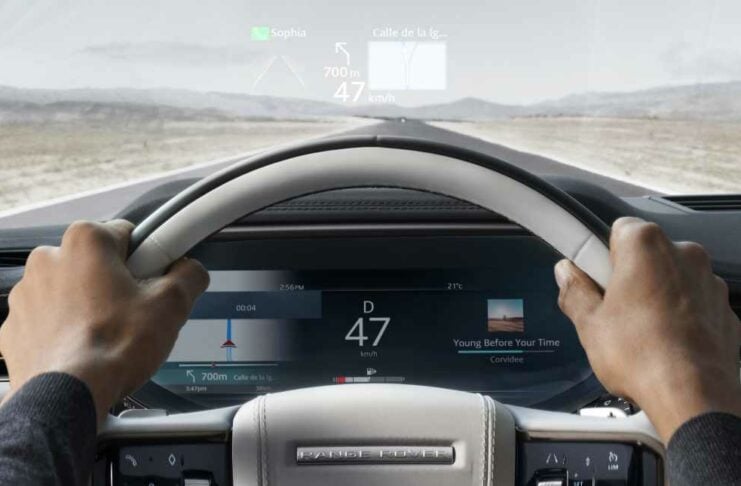
The curved centre touchscreen, centre console and digital instrument panel combine to create a slick impression. The controls for various functions are not hyper-intuitive, but once you grow accustomed to them, they start to make more sense.
Takeaway

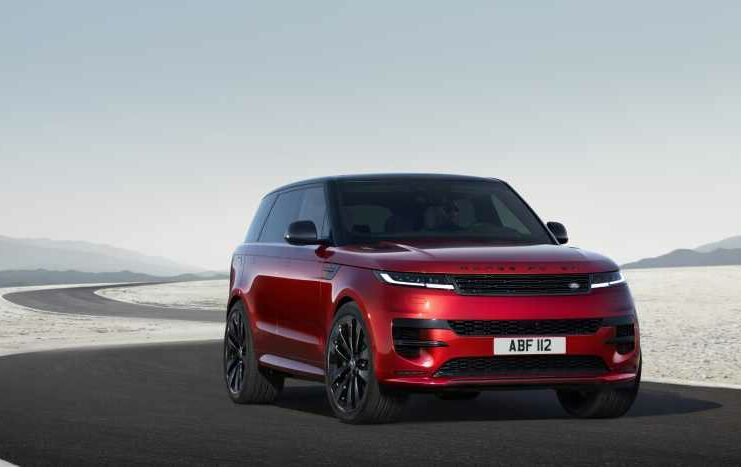
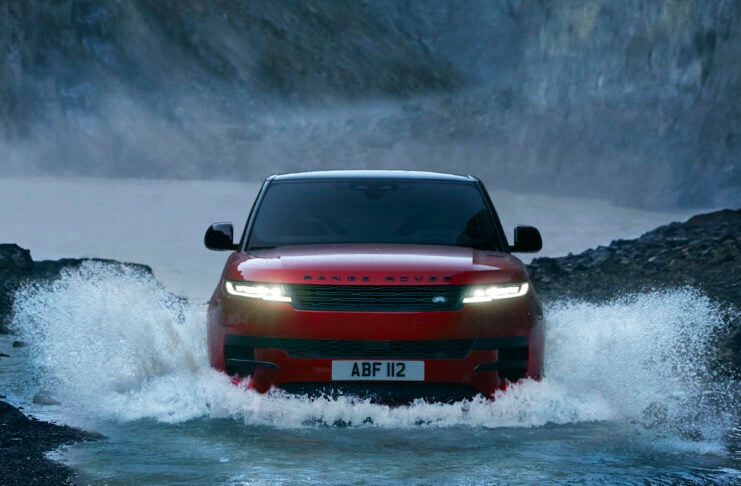
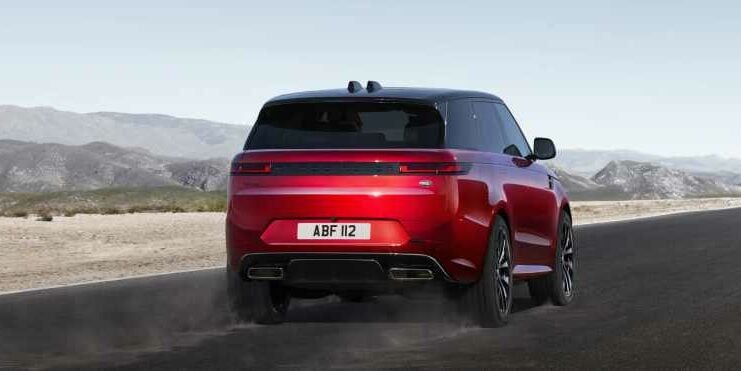

All things considered, the 2023 Range Rover Sport is a sweet upgrade from the outgoing second-generation model. The PHEV is an inspired addition to the line-up, and the P530 is a barnstormer, but the high-performance SUV segment is more competitive than ever. The most interesting model, though, is the forthcoming all-electric RR Sport—it will be fascinating to see how mcc the brand pushes the performance envelope with this one.
The 2023 Range Rover Sport is priced from $83,000 US and $101,750 CAD. Shopping for a 2023 model? Check out more of our 2023 SUVs worth waiting for.
Is the 2023 Range Rover Sport Reliable?
As a fully redesigned model, the 2023 Range Rover Sport builds on Land Rover’s updated platform and improved electronics architecture, which aim to address some of the reliability concerns seen in earlier generations. The core powertrains—particularly the 3.0L inline-six and BMW-sourced twin-turbo V8—are proven units, but as with many luxury SUVs packed with advanced tech, long-term reliability can vary depending on usage and maintenance.
For buyers, it’s less about outright durability and more about ownership expectations. The Range Rover Sport delivers exceptional capability and refinement, but it’s not likely to match the long-term, low-maintenance reputation of rivals like the Lexus RX. Regular servicing, warranty coverage, and avoiding heavily optioned or first-year quirks will go a long way in ensuring a smooth ownership experience.