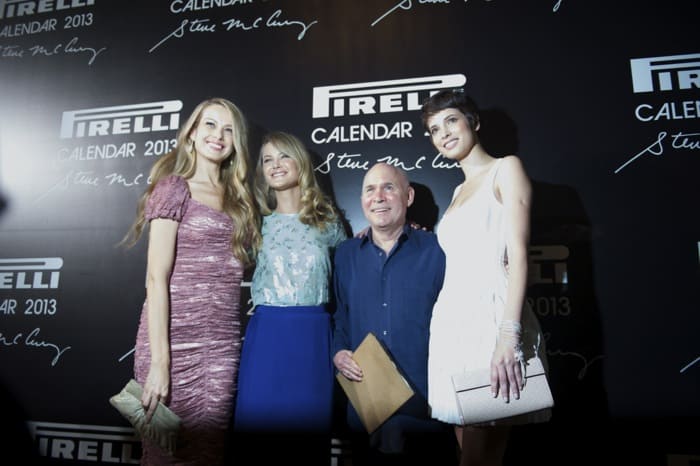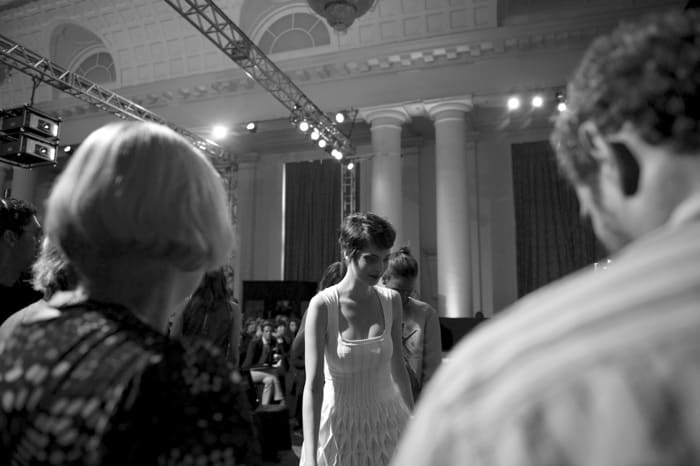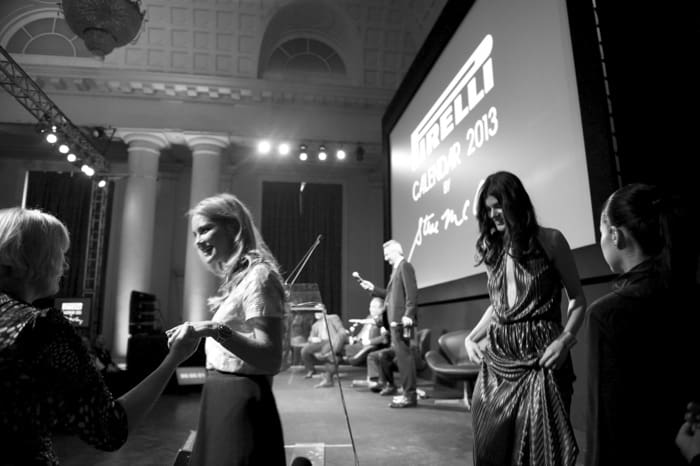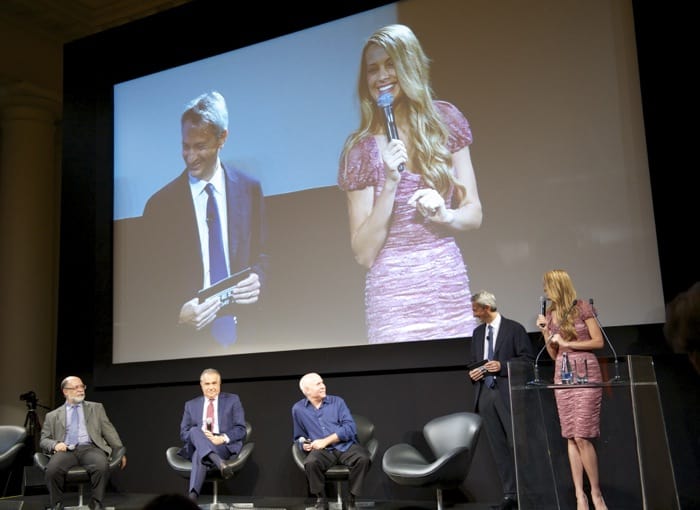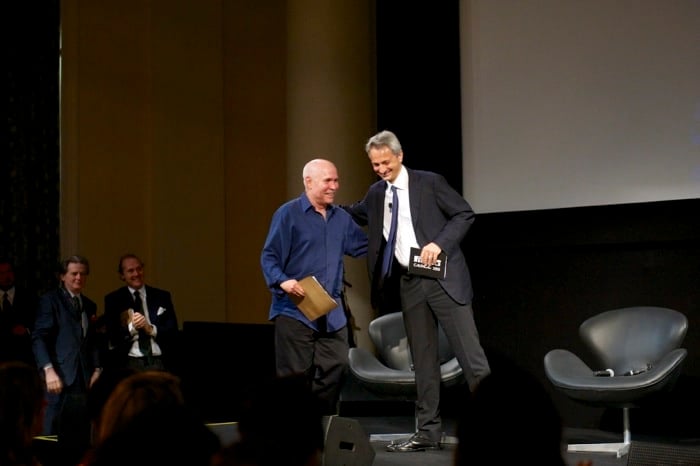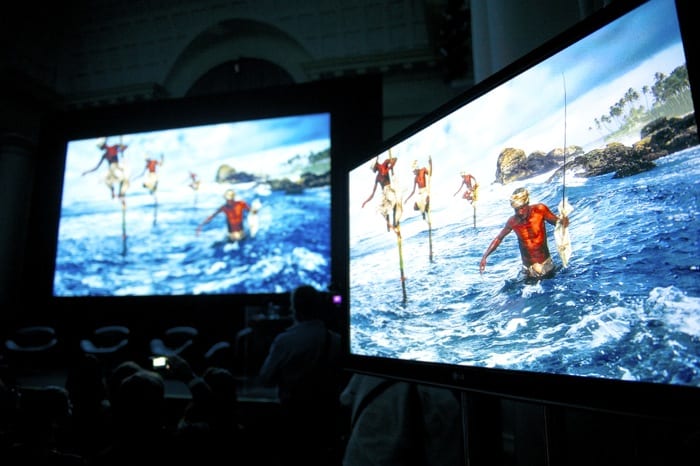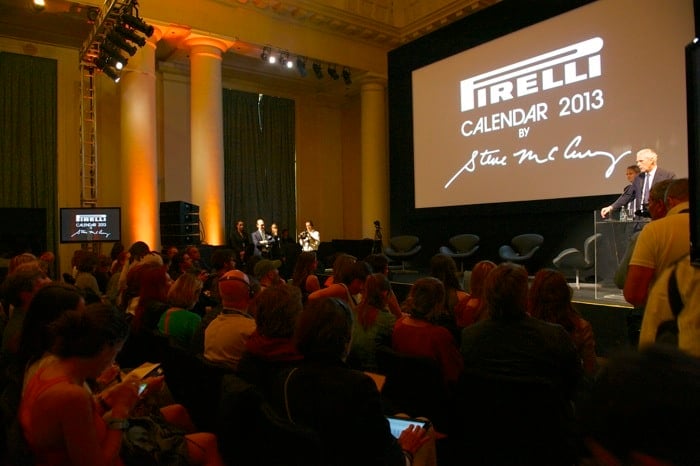

Rio de Janeiro was an unexpected, but fitting, stage for the unveiling of the Pirelli 2013 Calendar, especially given how different this edition was meant to be. For its 40th edition, Pirelli tapped Steve McCurry, the legendary photographer best known for Afghan Girl, to rethink what the calendar could represent. Long associated with high-glamour, nudity, and fashion-world excess, the Pirelli Calendar took a deliberate turn in 2013—away from spectacle and toward storytelling.
Related – Pirelli Opens the Curtain on Its Most Famous Calendar
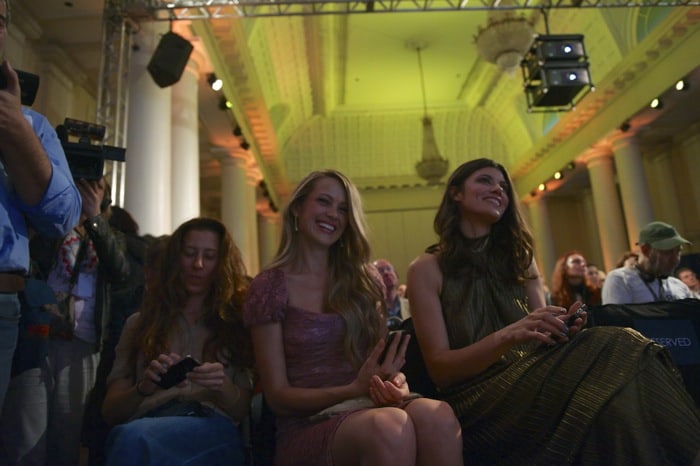
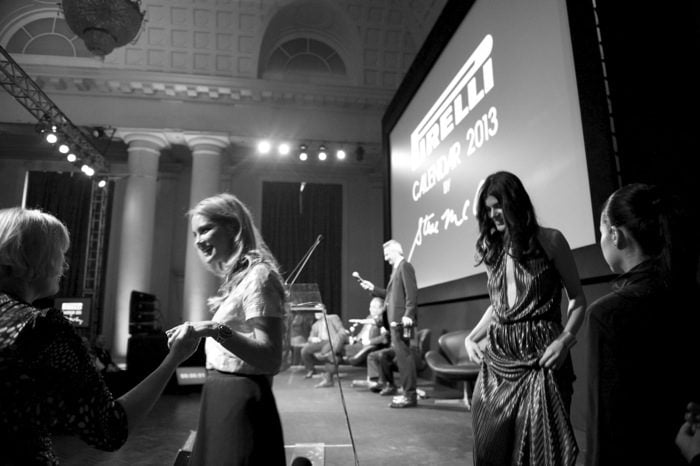
McCurry’s approach was rooted in portraiture and place. Rather than focusing on nudity or provocation, he photographed a group of women known not just for their beauty, but for their work, activism, and influence beyond the camera. All were clothed. All were photographed within real environments. And all were placed within the visual rhythm of Rio itself.

“I wanted to photograph a mix of everyday people combined with a very special group of women known not only for their talent and beauty, but also their charitable work and contributions to their communities,” McCurry explains. “I would say I am a street photographer doing ‘found situations.’ You can photograph nudes anywhere. But these models are clothed, and each of them has her own charity. They are purposeful and idealistic people. So I wanted to photograph them in a special place, and Rio was perfect for this.”
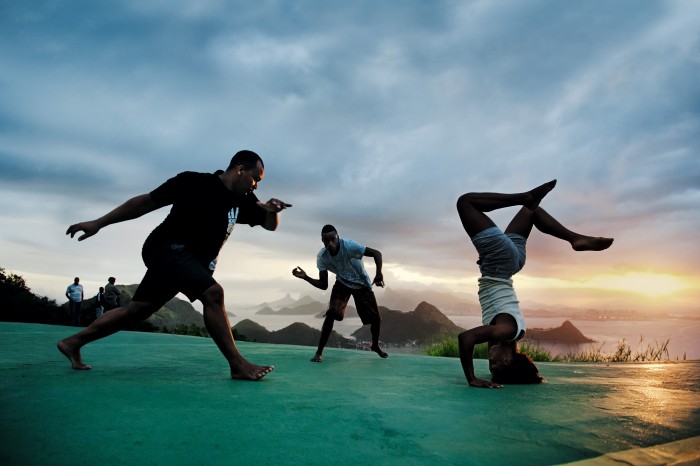
Rio, photographed here for the third time in the calendar’s history, plays more than a backdrop. Across the 34 images—23 portraits and additional scenes of daily life—the city’s color, texture, and contradictions are woven directly into the work. Graffiti, murals, streets, and neighborhoods sit alongside portraits, grounding the calendar in reality rather than fantasy.
Seeing the work presented in Rio added another layer of context. This wasn’t a fashion production chasing trends—it felt more like a cultural document, one that reflected Pirelli’s willingness to let the calendar evolve rather than repeat itself. The result was one of the calendar’s most human editions to date: restrained, intentional, and quietly confident—proof that the Pirelli Calendar didn’t need to shout to remain relevant.