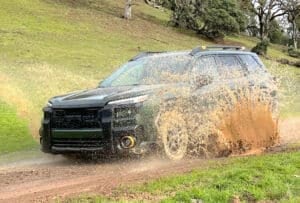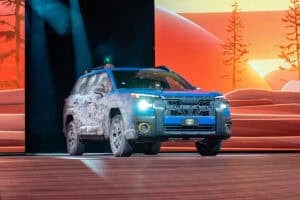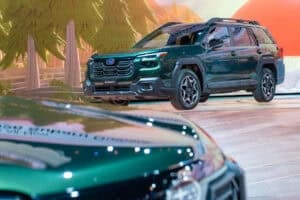

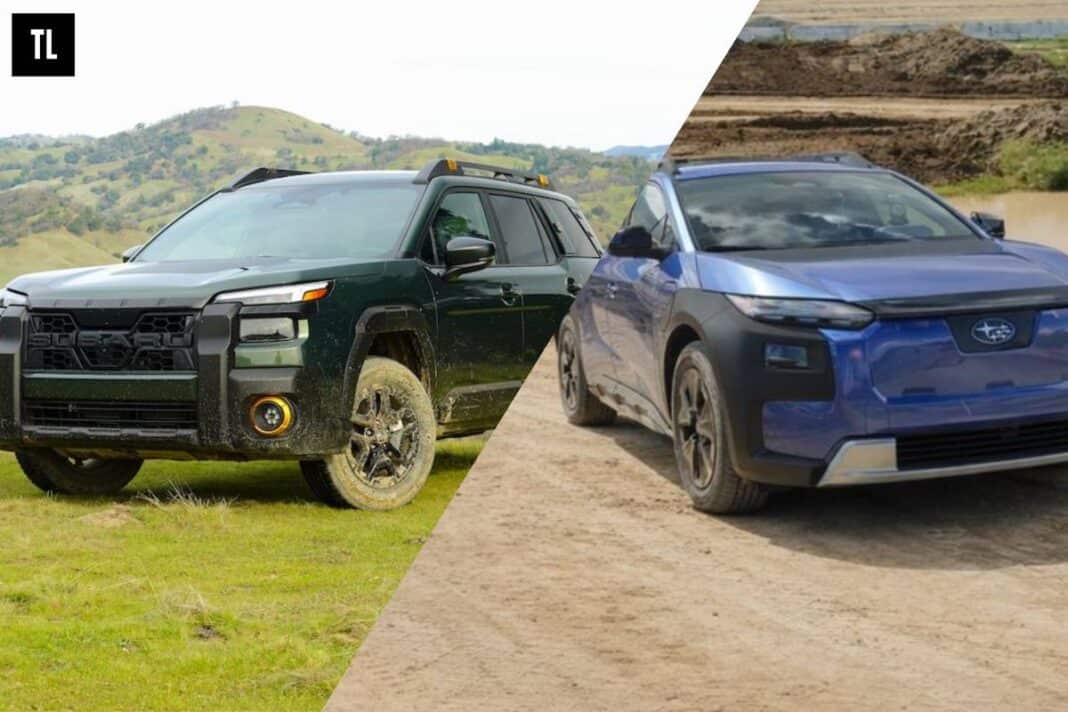
This is a tougher one, comparing a proven, gas-powered SUV against a new-age, all-electric wagon forging a different path. But both keep adventure and durability as key ingredients. For decades, the Subaru Outback has been the safe answer. The default for snow-belt families, ski weekends, gravel roads, and drivers who value confidence over flash. Standard all-wheel drive, usable ground clearance, and a cabin built for real life have made it one of Subaru’s most trusted nameplates. The next-generation 2026 model doesn’t rewrite that formula. None of that really changes with the next-generation 2026 Outback. But there’s a new player.
The 2026 Subaru Trailseeker EV enters the conversation not as a niche experiment, but as a legitimate alternative. It’s quicker. It’s electric. And in some ways, it feels more forward-looking than the Outback ever has. So which one makes more sense today?
Old Guard, New Blood: The Pros and Cons
2026 Outback
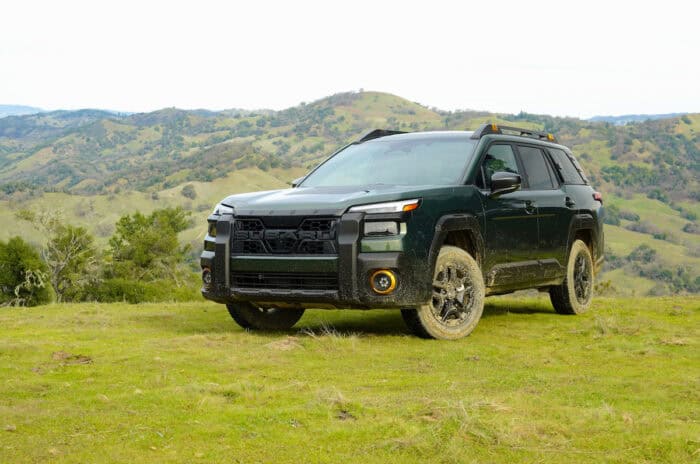
Pros
- Exceptional all-weather traction with standard AWD
- Comfortable ride and predictable handling
- Spacious cabin and highly usable cargo area
- Turbo engine option adds the needed power
Cons
- Aging powertrains and no hybrid option
- CVT remains loud under heavy throttle
- Some interior materials feel cheap
2026 Trailseeker
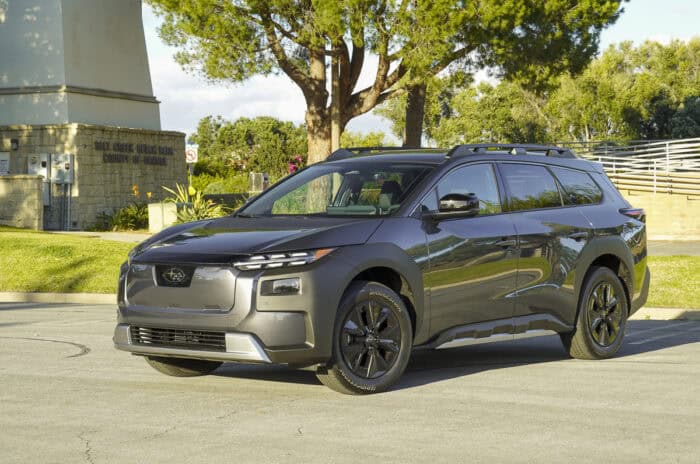
Pros
- The quickest Subaru in the lineup
- Smooth, uninterrupted acceleration with no turbo lag
- AWD traction evolved for the electric era
- Sleeker, more wagon-like proportions than the current Outback
Cons
- No Wilderness option yet
- No one-pedal drive
- Not eligible for government incentives
Performance & Drive Impressions
| Spec | 2026 Subaru Outback (Turbo) | 2026 Subaru Trailseeker EV |
|---|---|---|
| Powertrain | 2.4L Turbocharged Flat-Four | Dual-Motor Electric |
| Horsepower | 260 hp | 375 hp |
| Torque | 277 lb-ft | (EV instant torque) |
| Transmission | CVT | Single-Speed |
| Drivetrain | Symmetrical AWD | Dual-Motor AWD |
| 0–60 mph | ~6.1 sec (est.) | Mid-4-second range |
| Ground Clearance | 8.7–9.5 in (Wilderness higher) | TBD (expected lower than Outback) |
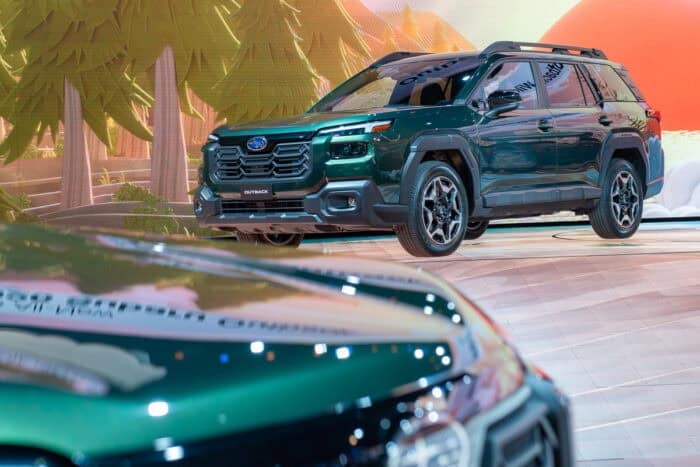
The Outback sticks to what it knows. Two flat-four engines return: a 180-hp naturally aspirated 2.5-litre boxer and a stronger 260-hp 2.4-litre turbocharged unit. The base engine is adequate, but we’d skip it entirely. The turbo is the one to get if you want confident passing power or just better overall performance. Both pair with a CVT and Subaru’s always-on AWD system.
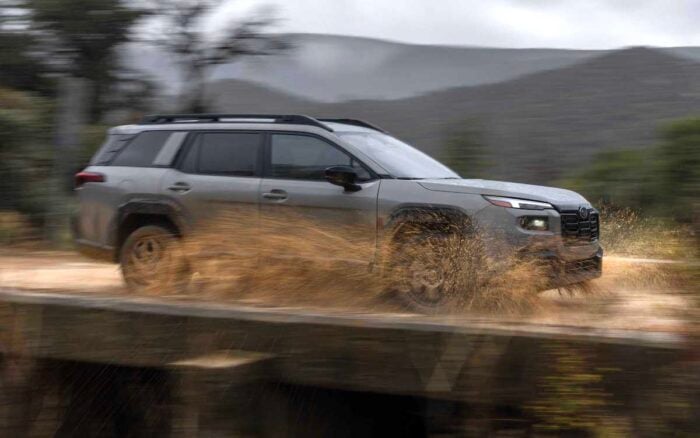
In real-world conditions, including heavy rain and slick gravel, the Outback remains secure and predictable. Grip is exceptional. Ride quality is composed. It still feels built for four seasons. But refinement hasn’t dramatically evolved, and fuel economy no longer stands out in a segment increasingly dominated by hybrids. The Outback Wilderness takes all this to another level.
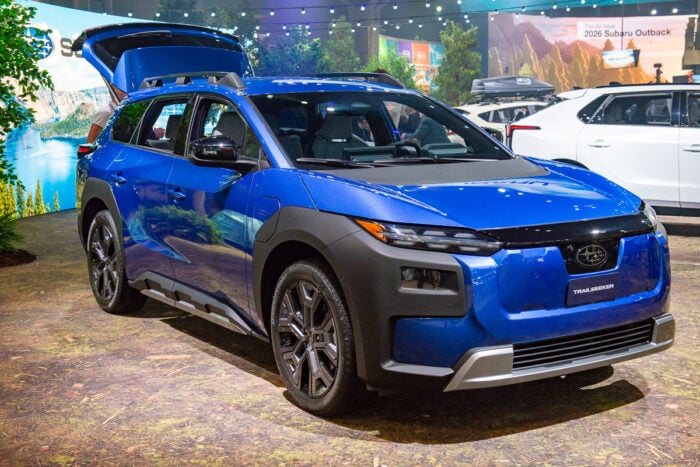
The Trailseeker approaches performance from a completely different angle. With 375 horsepower and dual-motor all-wheel drive, it delivers instant torque and a smooth, uninterrupted surge of acceleration. Subaru claims a mid-four-second sprint to 60 mph…territory well beyond the Outback, even in turbo form. Where the Outback builds momentum, the Trailseeker simply goes.
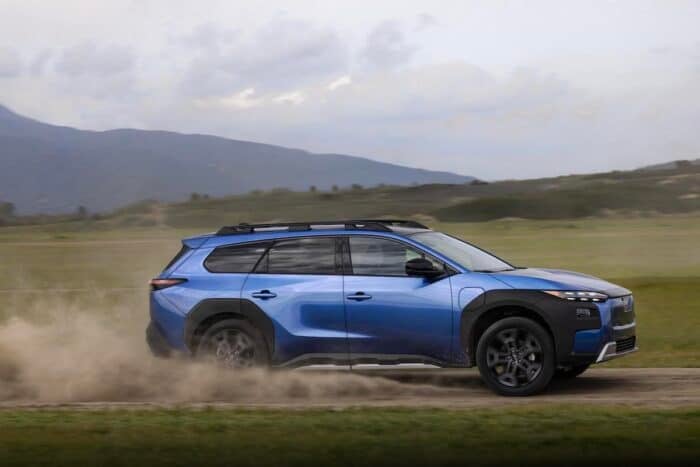
If your priority is traditional mechanical feel and long-distance refueling convenience, the Outback still makes sense. If you want immediate response and modern performance, the EV shifts the balance decisively.
Interior & Tech
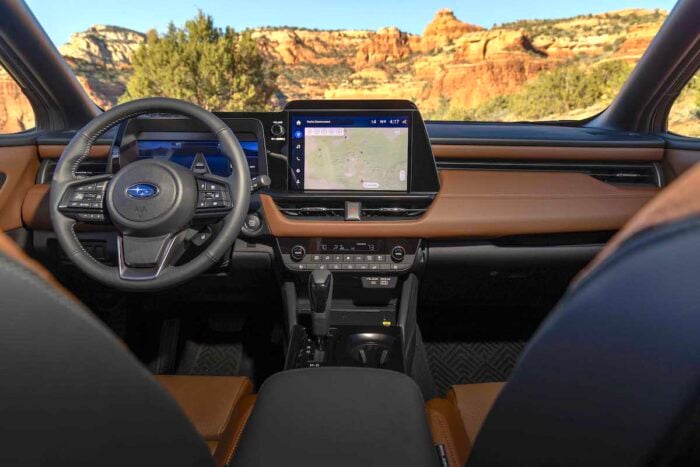
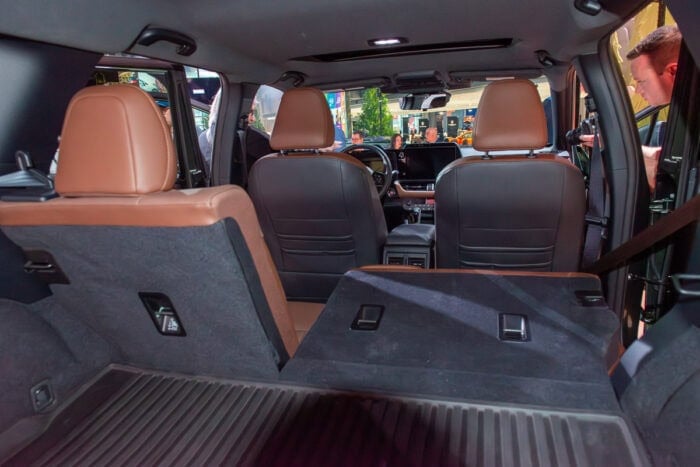
Subaru addressed one of the biggest criticisms of the previous Outback: the infotainment system. For 2026, it’s quicker and more driver-oriented, and physical HVAC controls return (a welcome move). Visibility remains excellent, seats are supportive, and cargo space is generous. Materials are durable rather than luxurious. That suits the Outback’s mission, but competitors are pushing harder on polish and design sophistication.
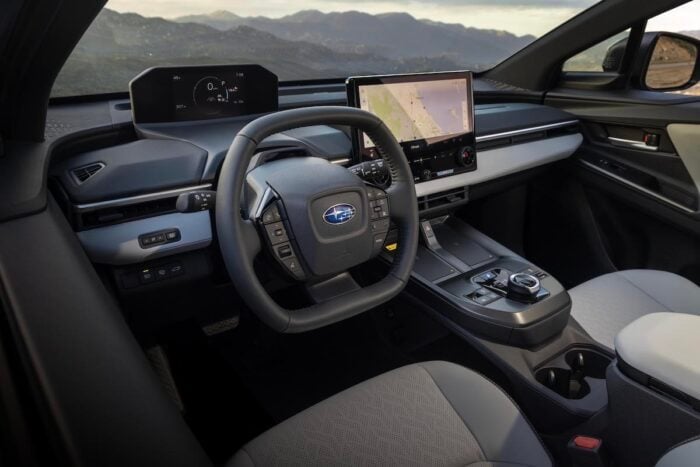
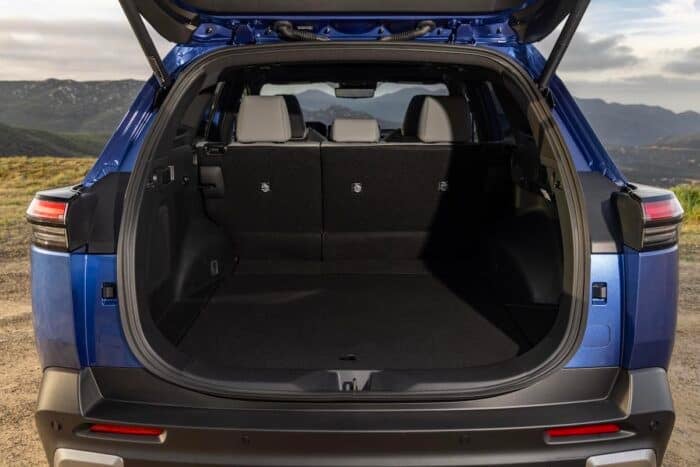
The Trailseeker represents more of a reset. As an EV platform, it leans into digital interfaces and a cleaner layout. It feels more contemporary, more tech-forward. The experience is quieter, calmer, and more modern overall.
If you prefer tactile simplicity and proven ergonomics, the Outback holds its ground. If you’re ready for a more digital-forward cabin and EV packaging advantages, the Trailseeker feels like the newer generation.
Styling
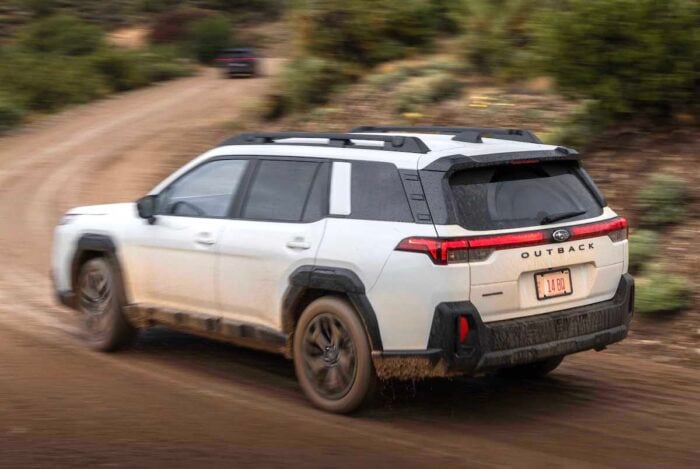
The Outback has gradually leaned harder into ruggedness. More cladding. More height. More SUV stance. Subaru says buyers want that tougher approach and it has delivered. But the silhouette is no longer the sleek wagon many longtime fans remember. Frankly, that’s our biggest issue with the next-gen Outback, which sheds that wagon look that gave it character in a sea of boxy sport utes.
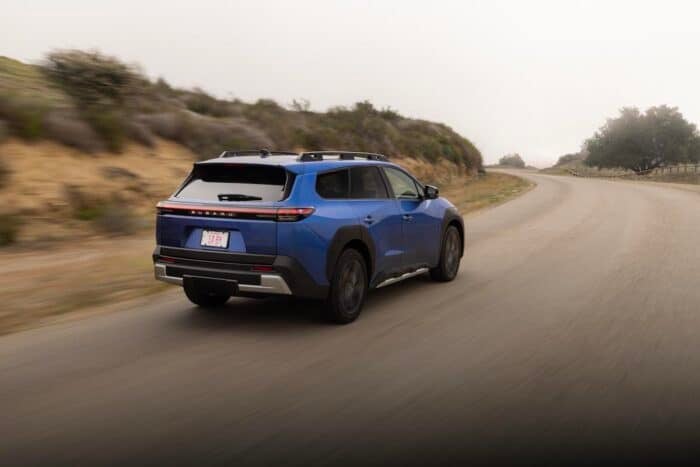
The Trailseeker, interestingly, feels more wagon-like in proportion. It appears lower and more athletic in stance, even if it’s technically a crossover. The design reads modern without shouting about off-road capability. If you want the traditional, high-riding adventure aesthetic, the Outback still owns it. If you’re drawn to a cleaner, more contemporary interpretation of Subaru utility, the Trailseeker may surprise you.
Takeaway
The 2026 Outback is the safer choice. It’s proven, familiar, and built for the kind of all-weather versatility Subaru owners have trusted for years. If you live far from charging infrastructure, regularly take long road trips, or simply prefer the predictability of a gas-powered drivetrain, the Outback remains a smart, pragmatic buy.
But the Trailseeker feels like the smarter long-term bet. It’s significantly quicker, more modern in its execution, and better aligned with where the segment is heading. Most Outback owners rarely exploit its off-road ceiling, but they will feel the benefit of instant torque and EV smoothness every single day.
The Outback defends its ground well. The Trailseeker moves it forward. For 2026, if charging access isn’t a concern and you’re not traversing mountains, the edge goes to the ‘new wagon’ Trailseeker.