
Pros:
- Legit off-road upgrades
- More durable, practical cabin
- Strong value versus rugged rivals
Cons:
- Not a major redesign (and that’s ok)
- X-MODE buried in the screen
- Still not quick or premium
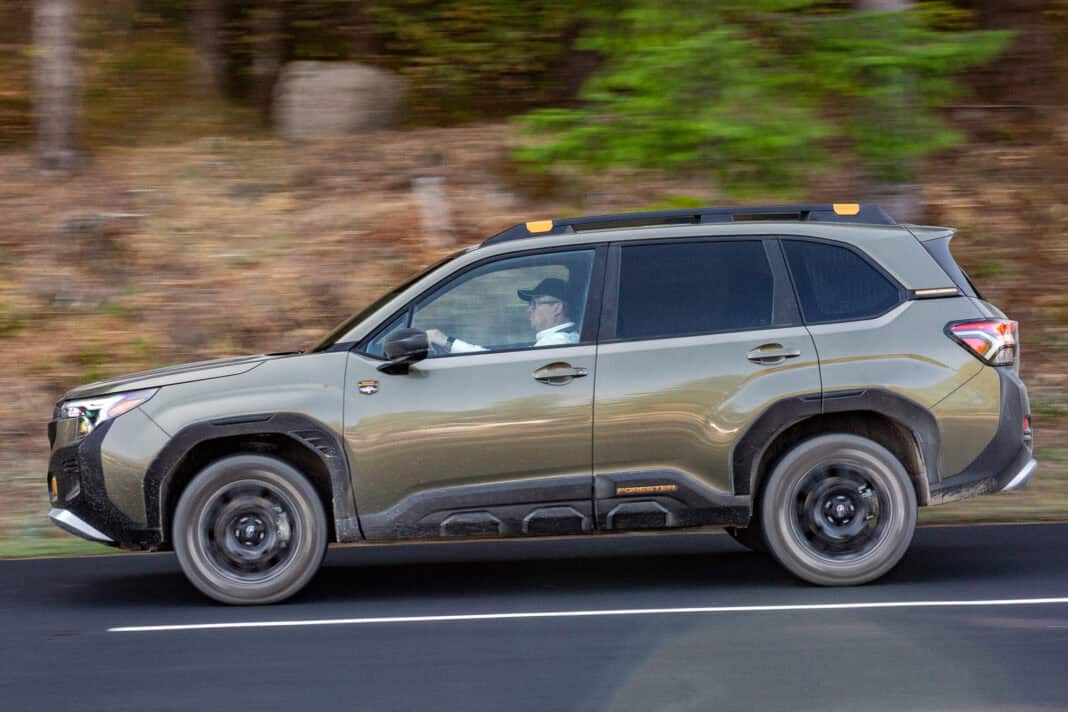
When Subaru rolled out the redesigned 2025 Forester, one familiar trim was noticeably absent: the Wilderness. A 2025 Forester Wilderness remained available, but only on the outgoing platform and in limited supply, leaving Subaru’s most adventure-focused compact SUV waiting for its proper next-gen update. That arrives with the 2026 model year, which keeps the rugged formula intact while sharpening the details: more off-road capability, added interior durability, and a bit more refinement for daily driving.
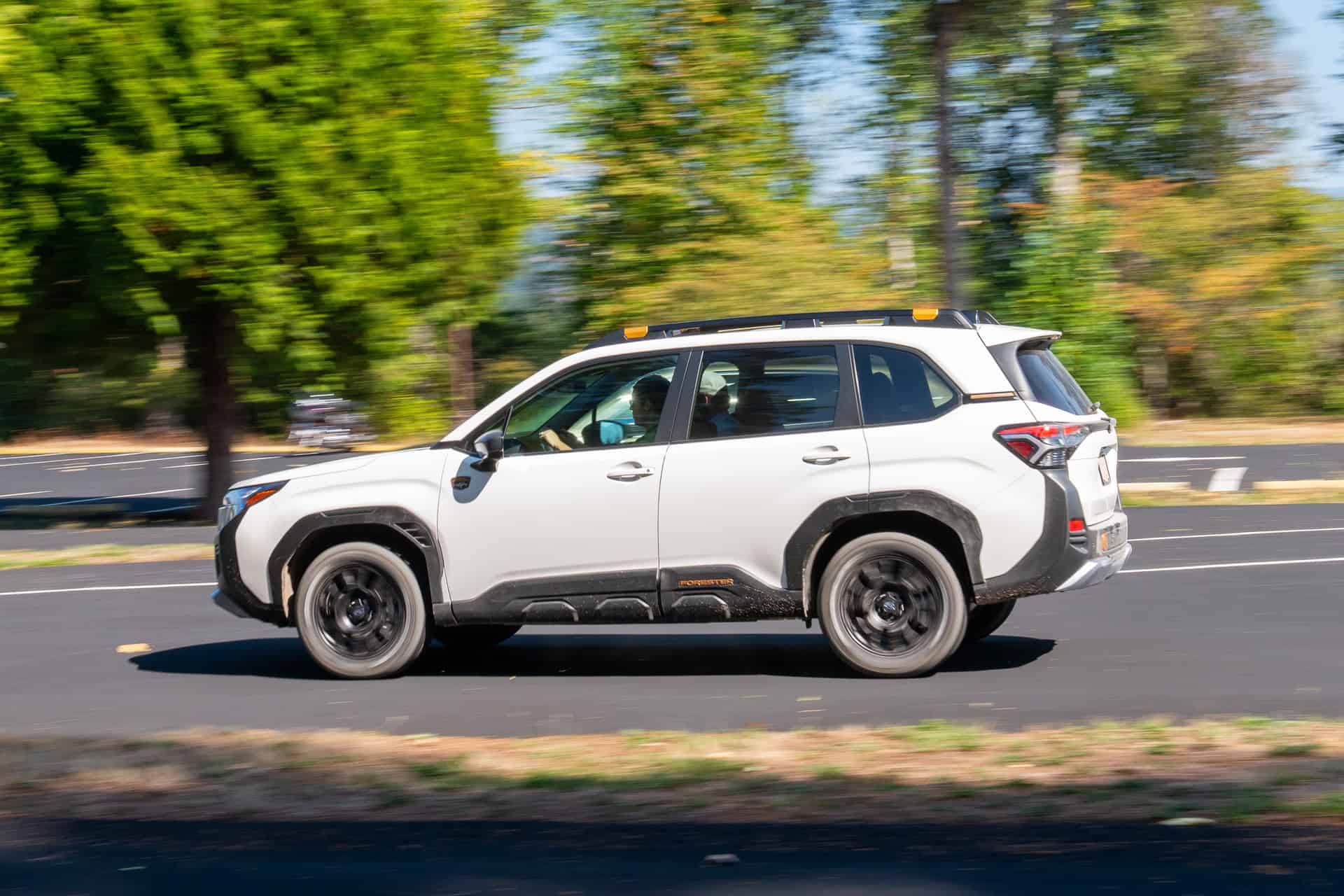
It’s not a radical reinvention of the previous Wilderness, and it doesn’t need to be. After spending time with it along Oregon’s Columbia River Gorge — including long highway stretches and proper off-road sections — it’s clear Subaru focused on making its top-selling compact SUV tougher, more polished, and better suited to the buyers who already loved the idea.
Related – Subaru SUV Models Up Close: Smallest to Biggest
What’s New: More Capable, But Still Familiar
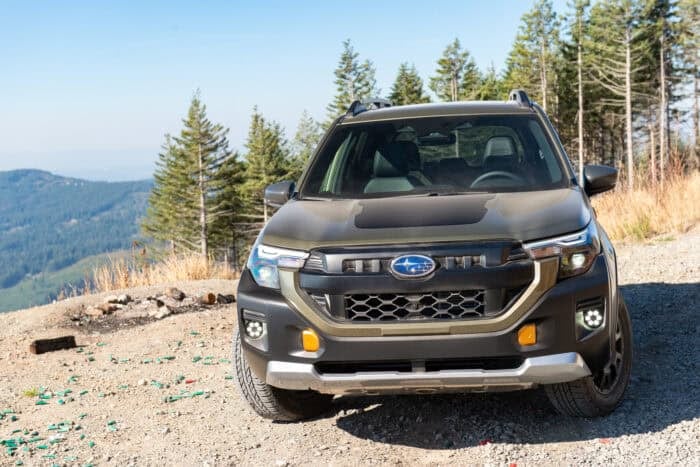
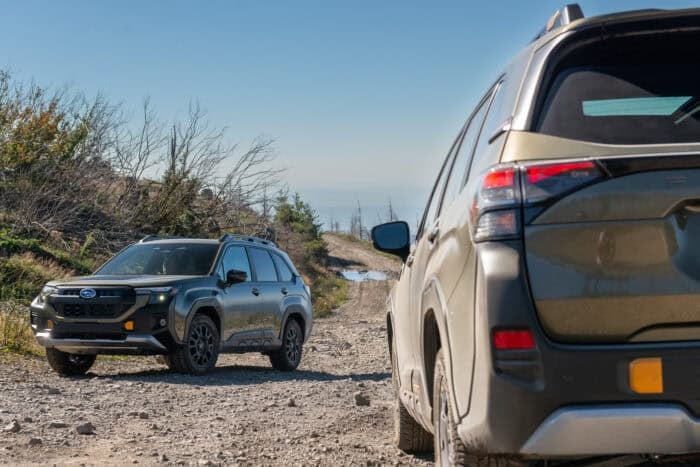
Out of the gate, the Forester’s new Subaru Global Platform adds improved rigidity, safety, and ride quality, along with advancements in welding. It’s the more mundane tweaks and changes that accompany a new architecture, and the new fifth-generation Forester takes full advantage of it all. But Wilderness dials it up for those hitting the unbeaten path, which, according to Subaru, is a good thing, as most Forester Wilderness customers over-index off-roading when compared to its rivals.
“It builds on an already exceptional off-road compact SUV with proven all-wheel drive, a bulletproof 2.5-liter engine, and all the tough add-ons families expect from a rugged adventure machine…going well beyond competitors.”
Frankly, that doesn’t surprise us when you look at the lack of real rivals like the RAV4 Woodland, CR-V TrailSport, Rogue Rock Creek, and Tucson XRT. Ford is the closest competitor, first with the current Bronco Sport Badlands, and now with the new 2026 Bronco Sport with Sasquatch Package. The latter of the two is by far the closest competitor, but it’ll cost you: about $3,000 more for the Sasquatch Package, ballooning the total to around $44K for Bronco Sport. Compare that to the Forester Wilderness’ $38K-ish price point.
Related – First Drive: 2019 Subaru Forester Review
Real Off-Road Upgrades, Not Just Wilderness Badges
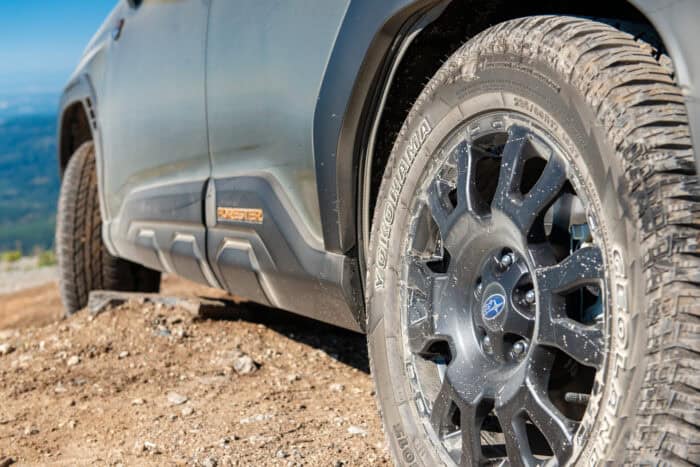
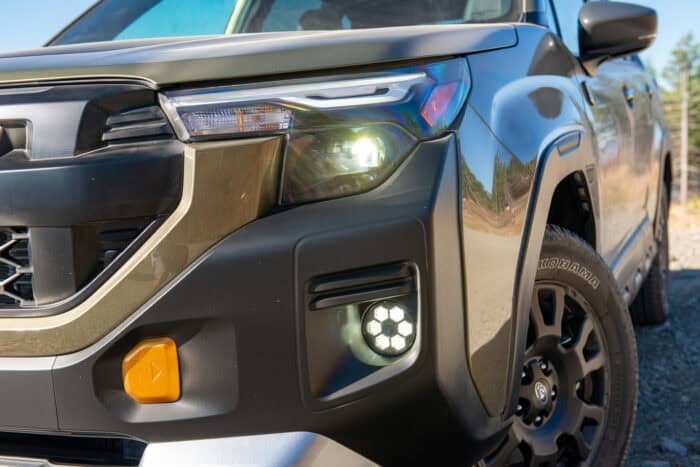
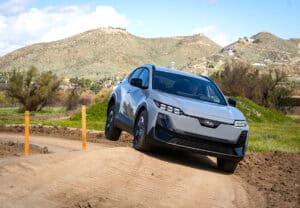
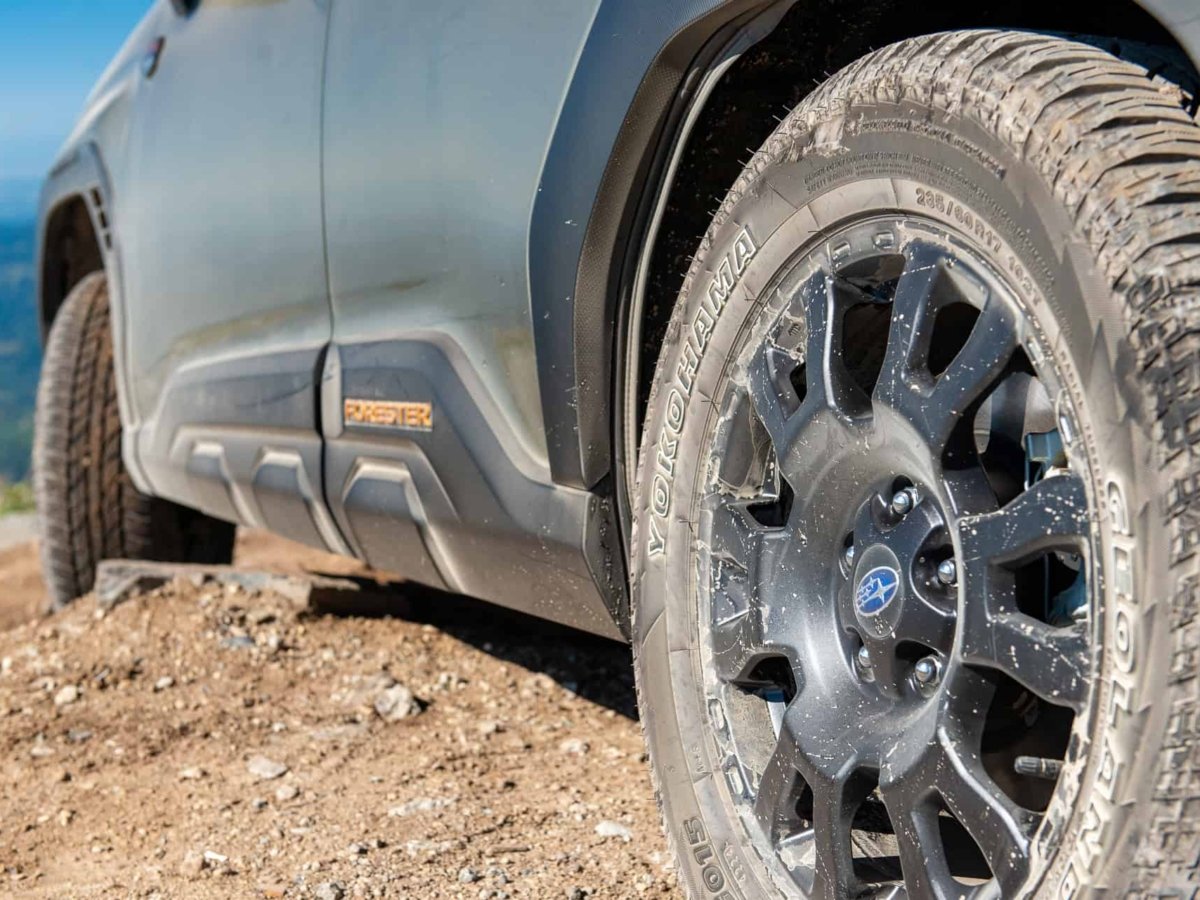
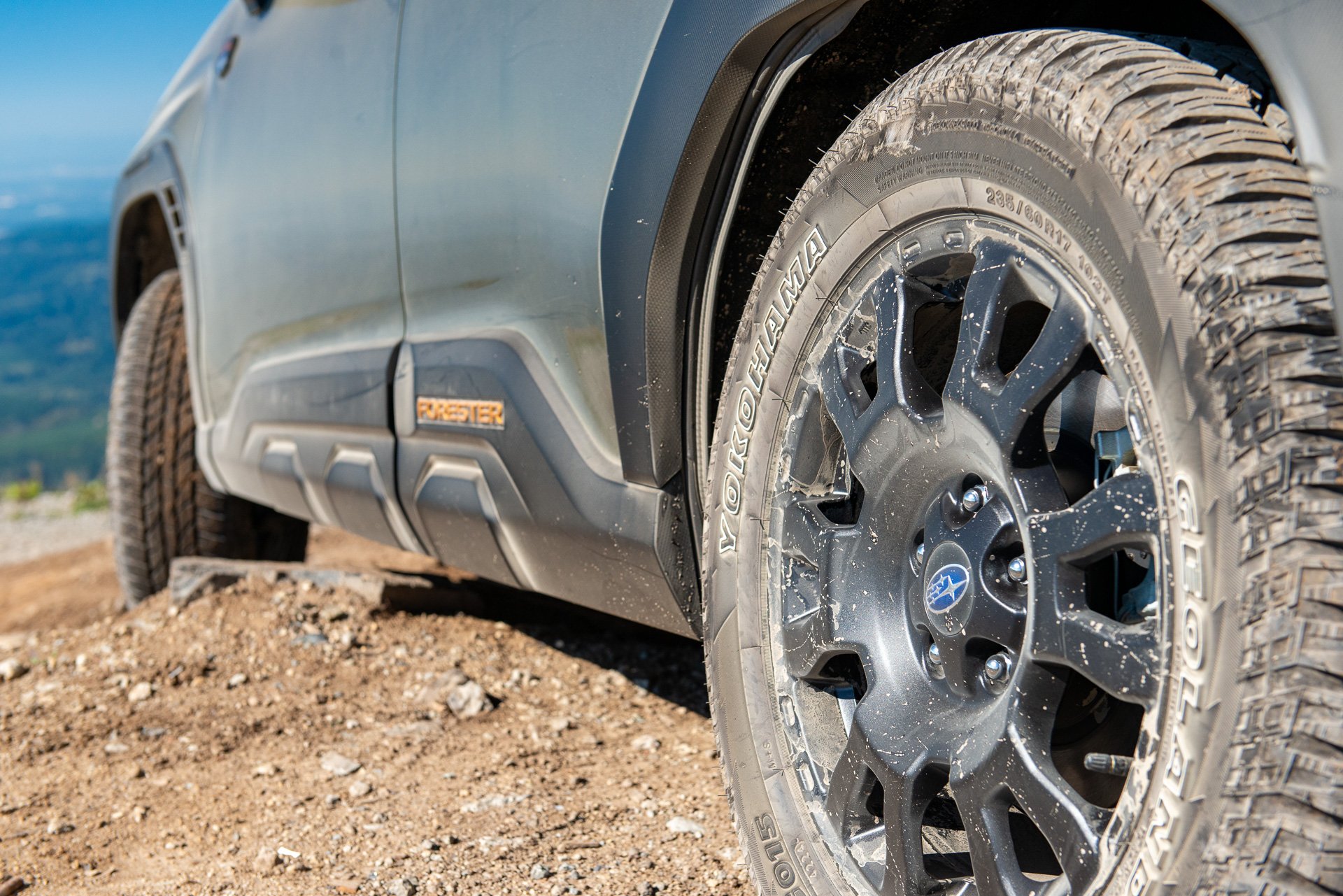
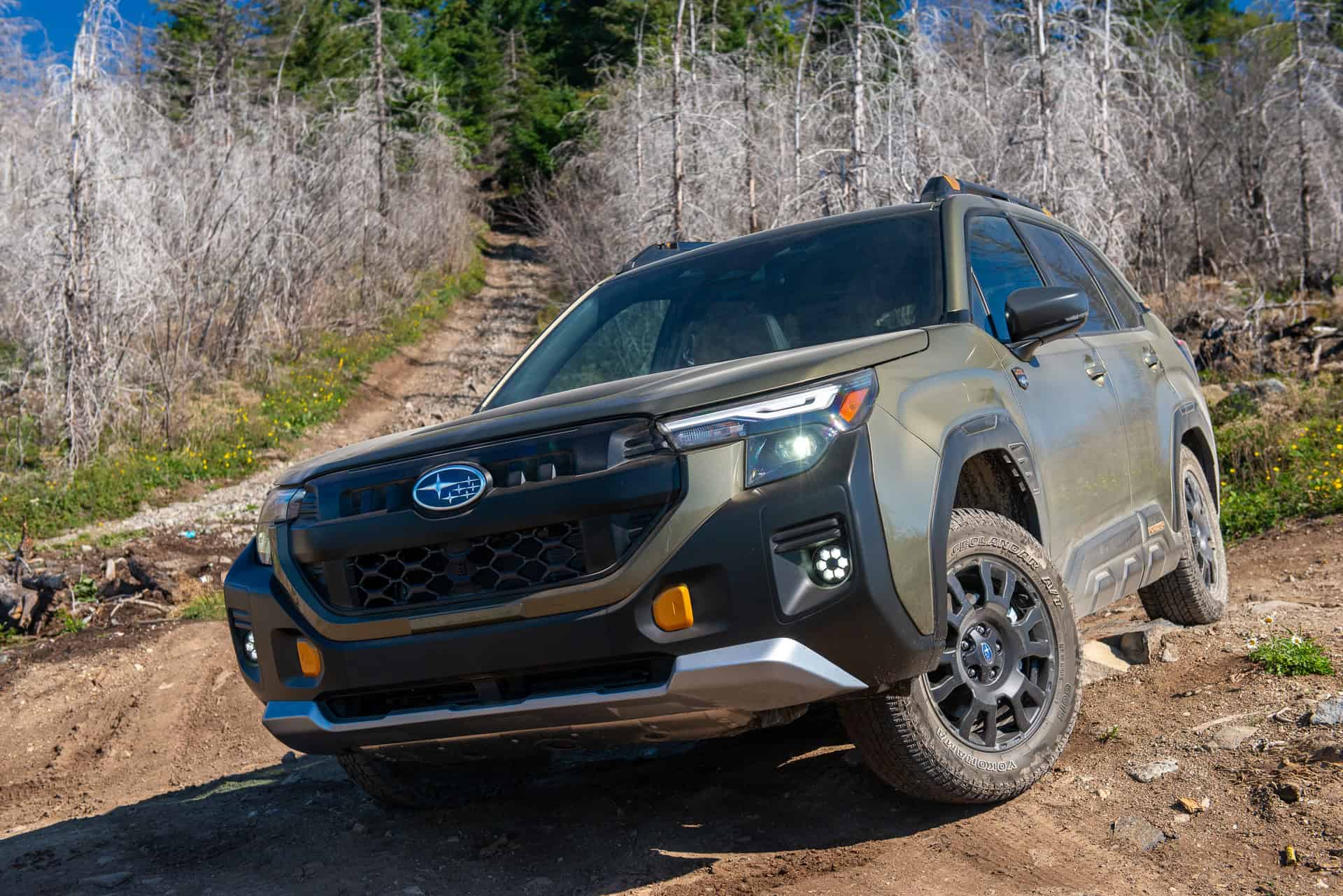
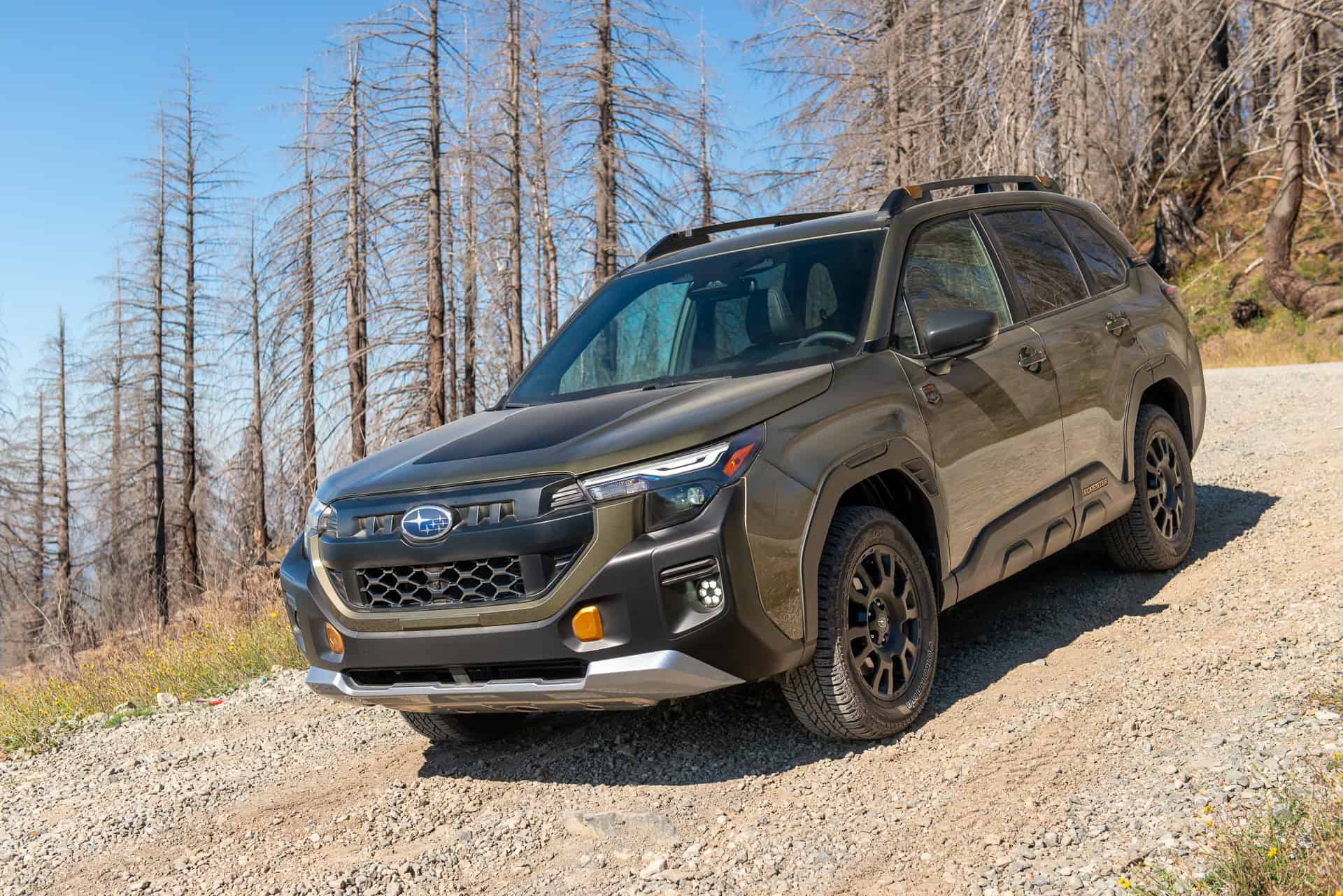
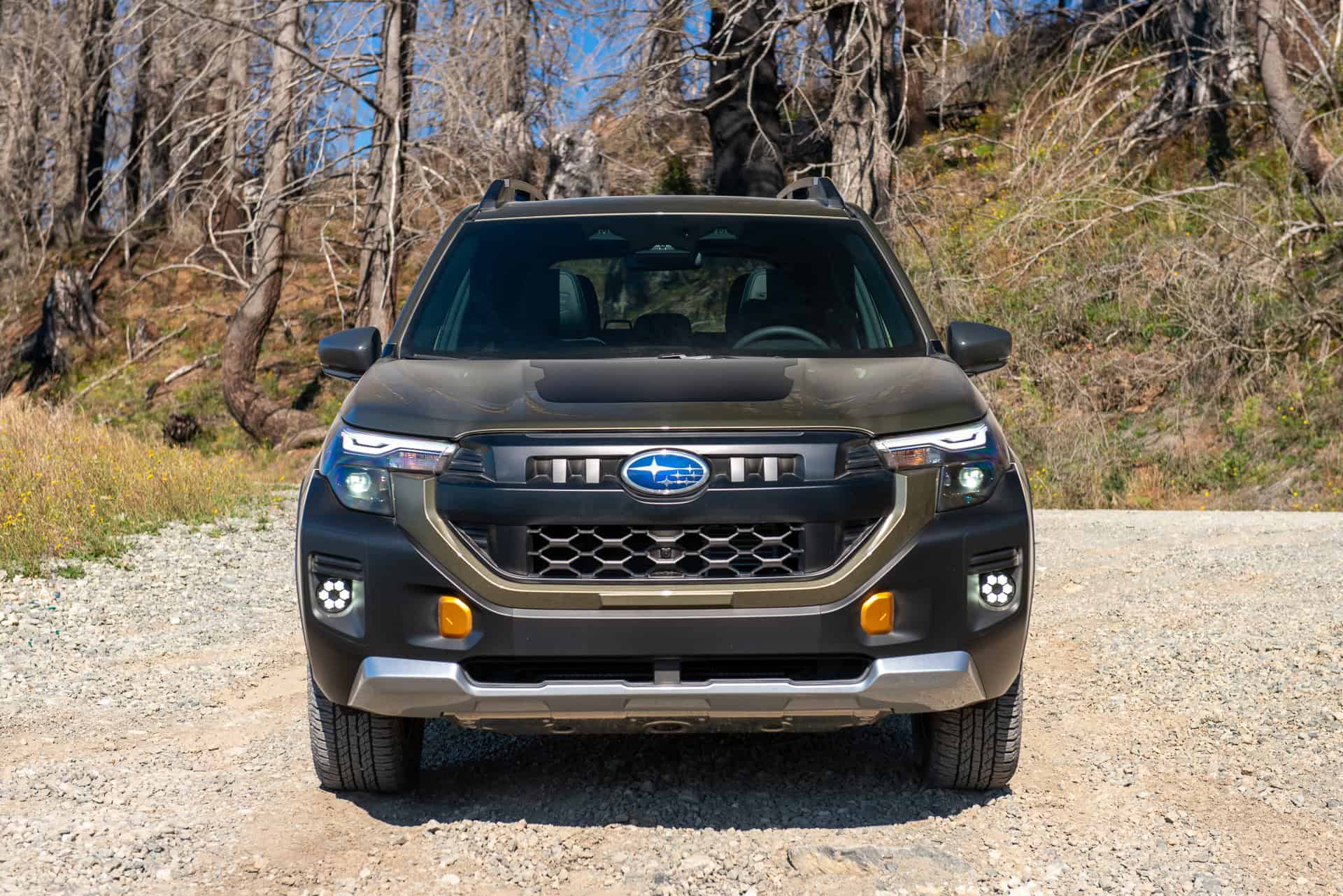
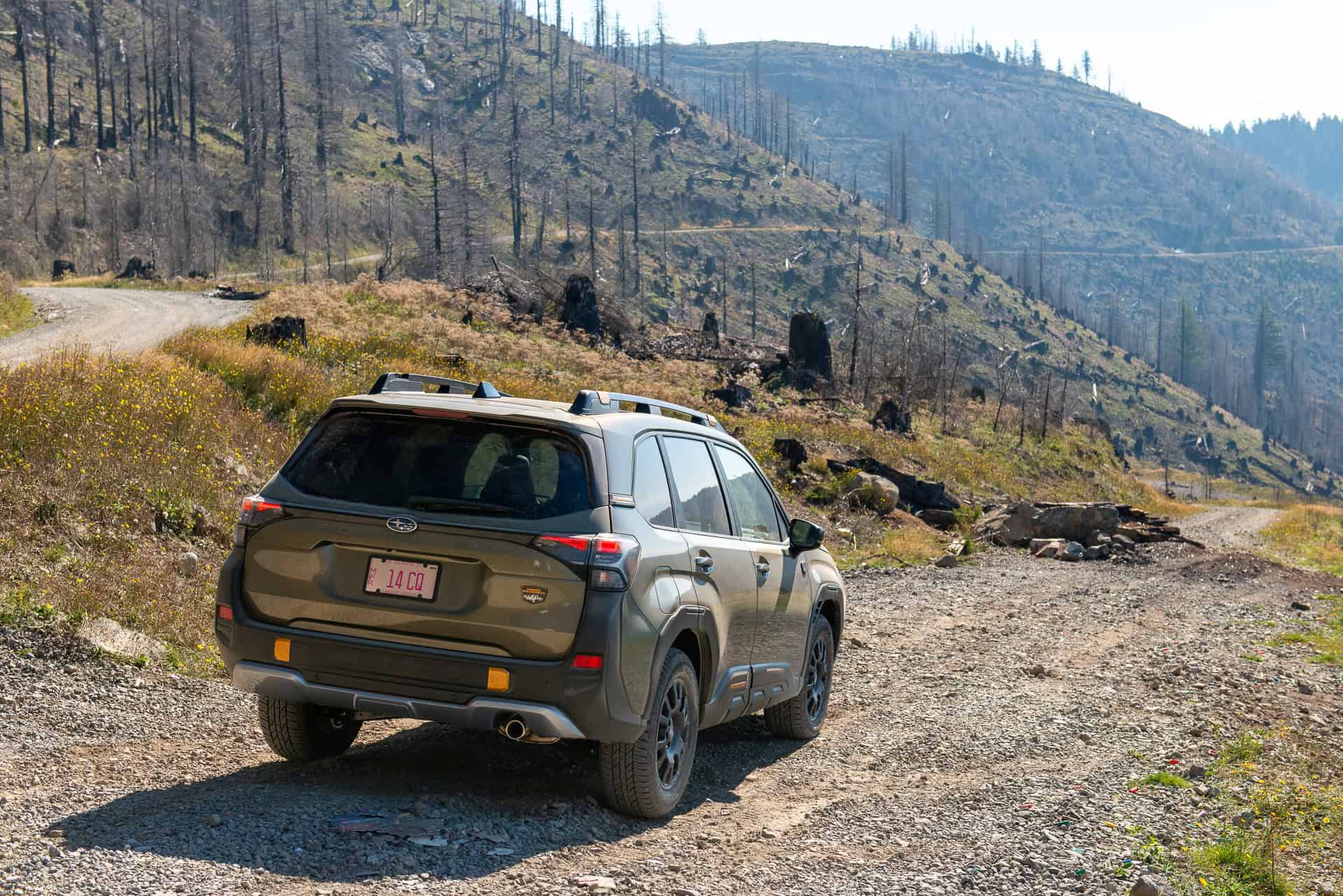
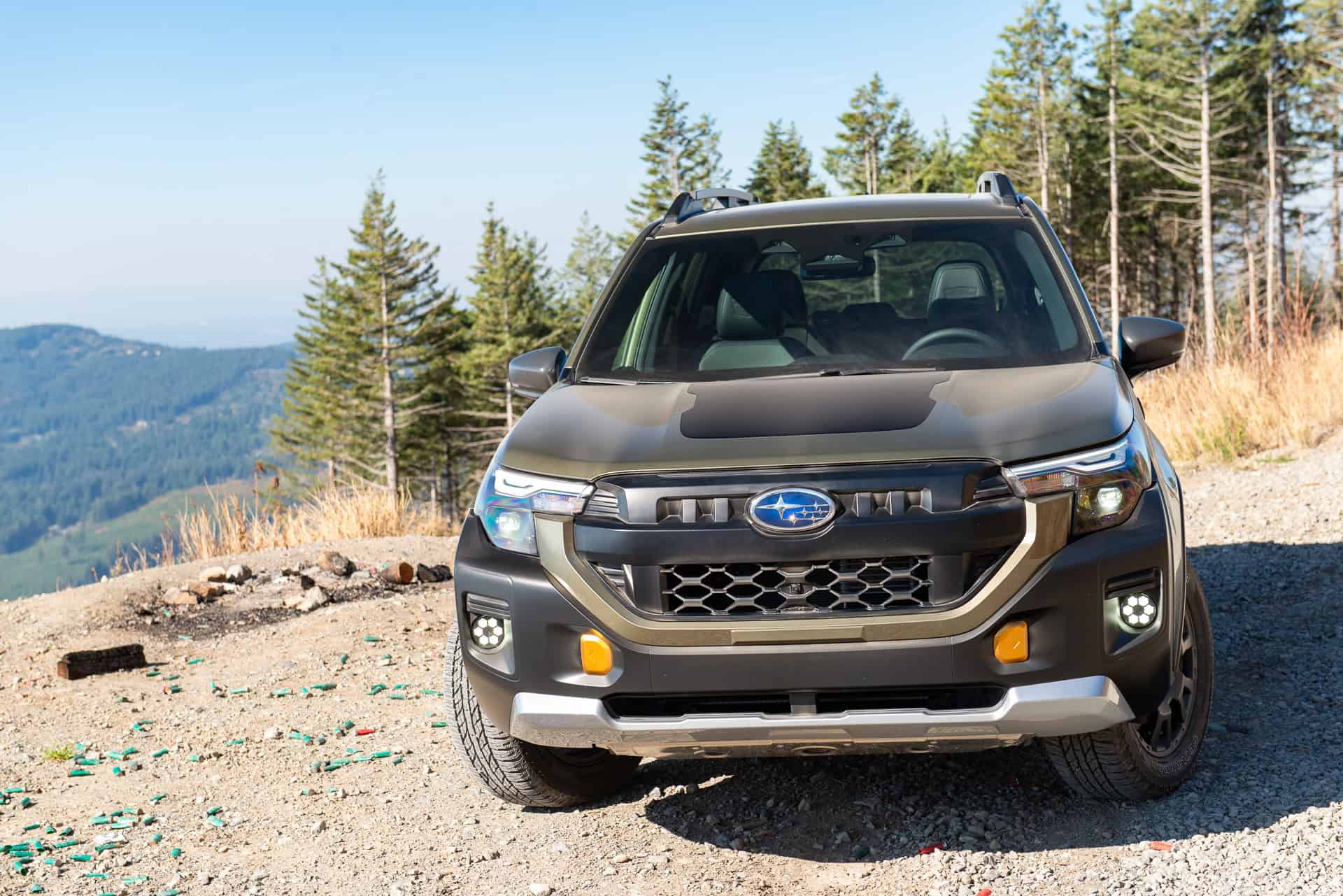
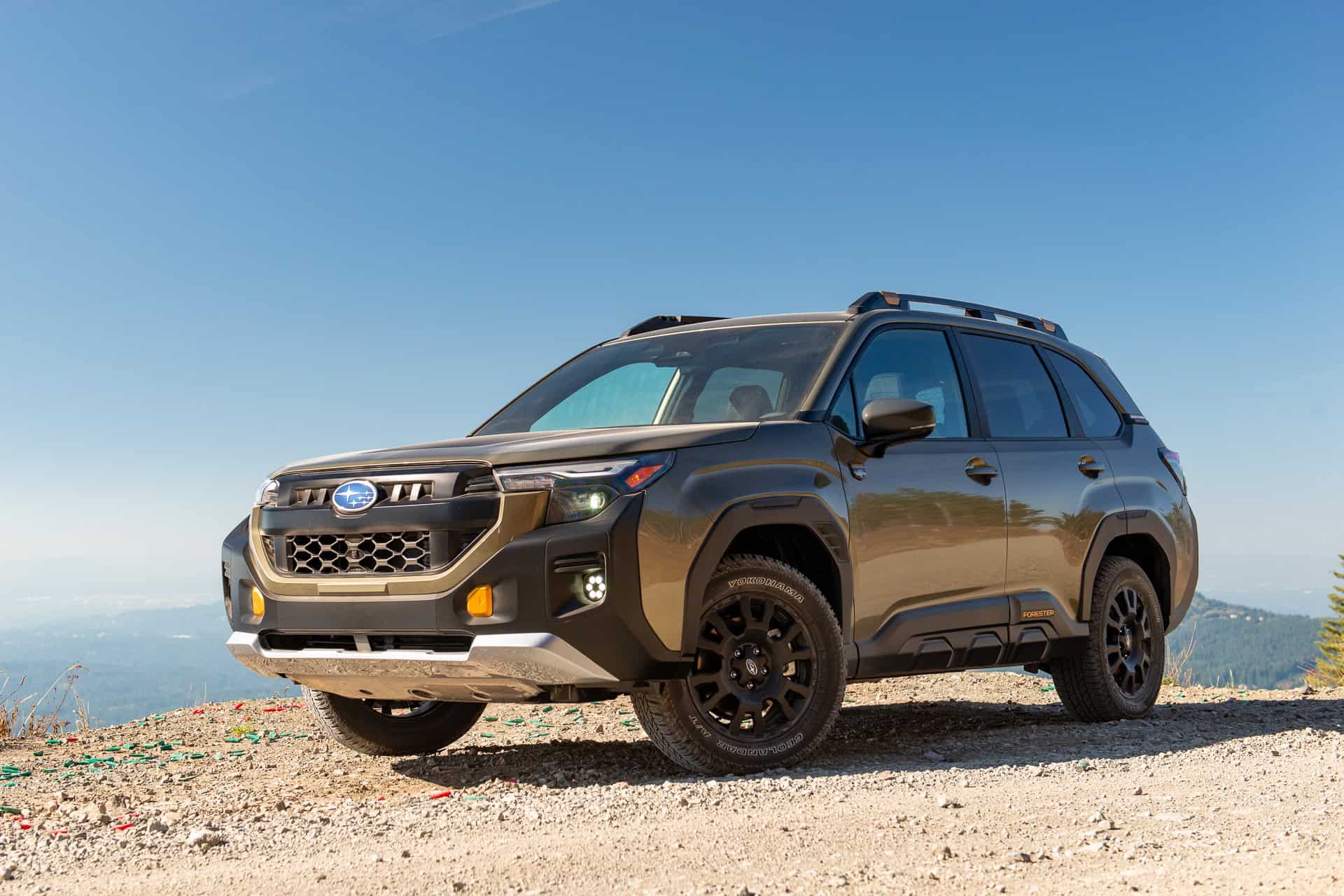
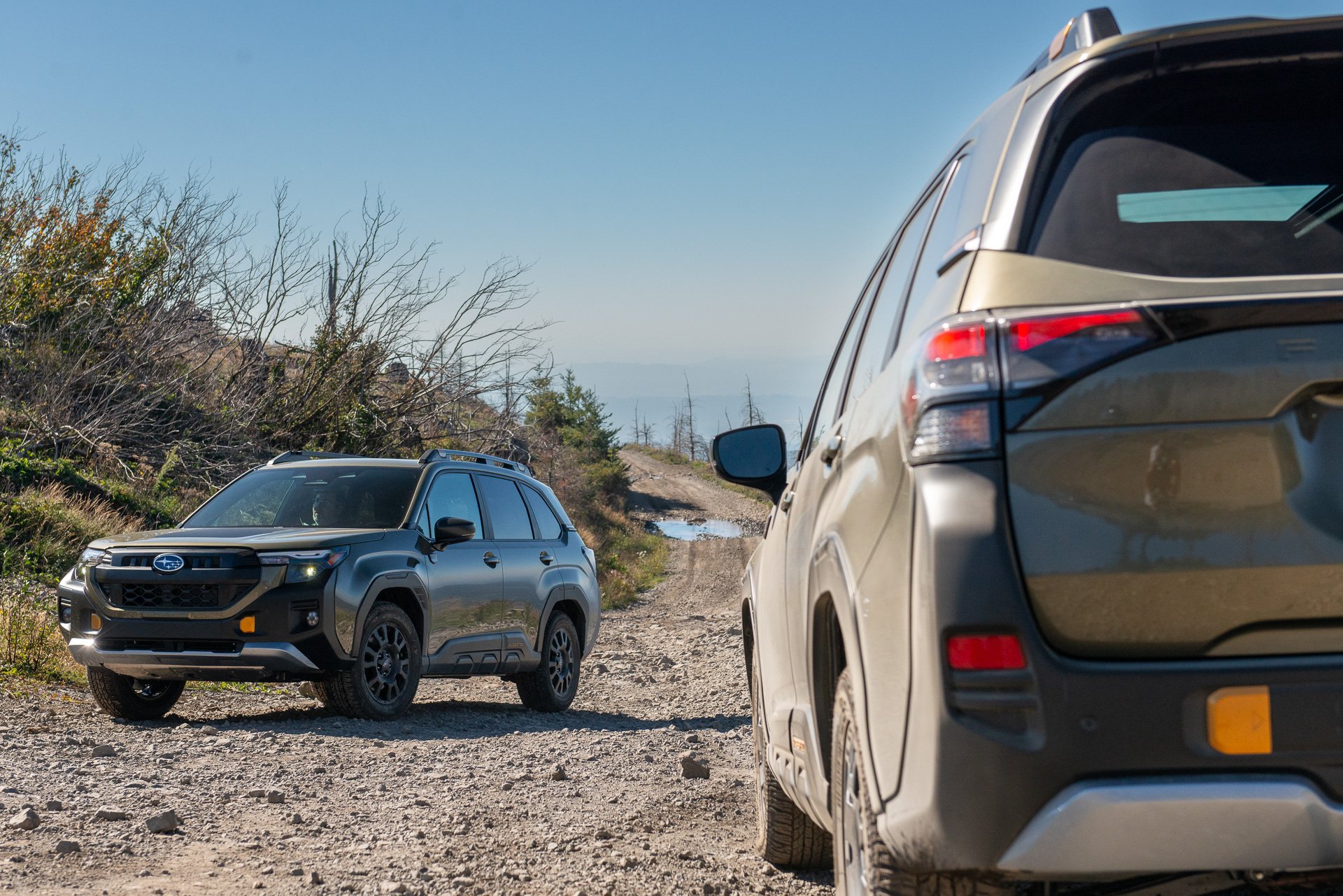
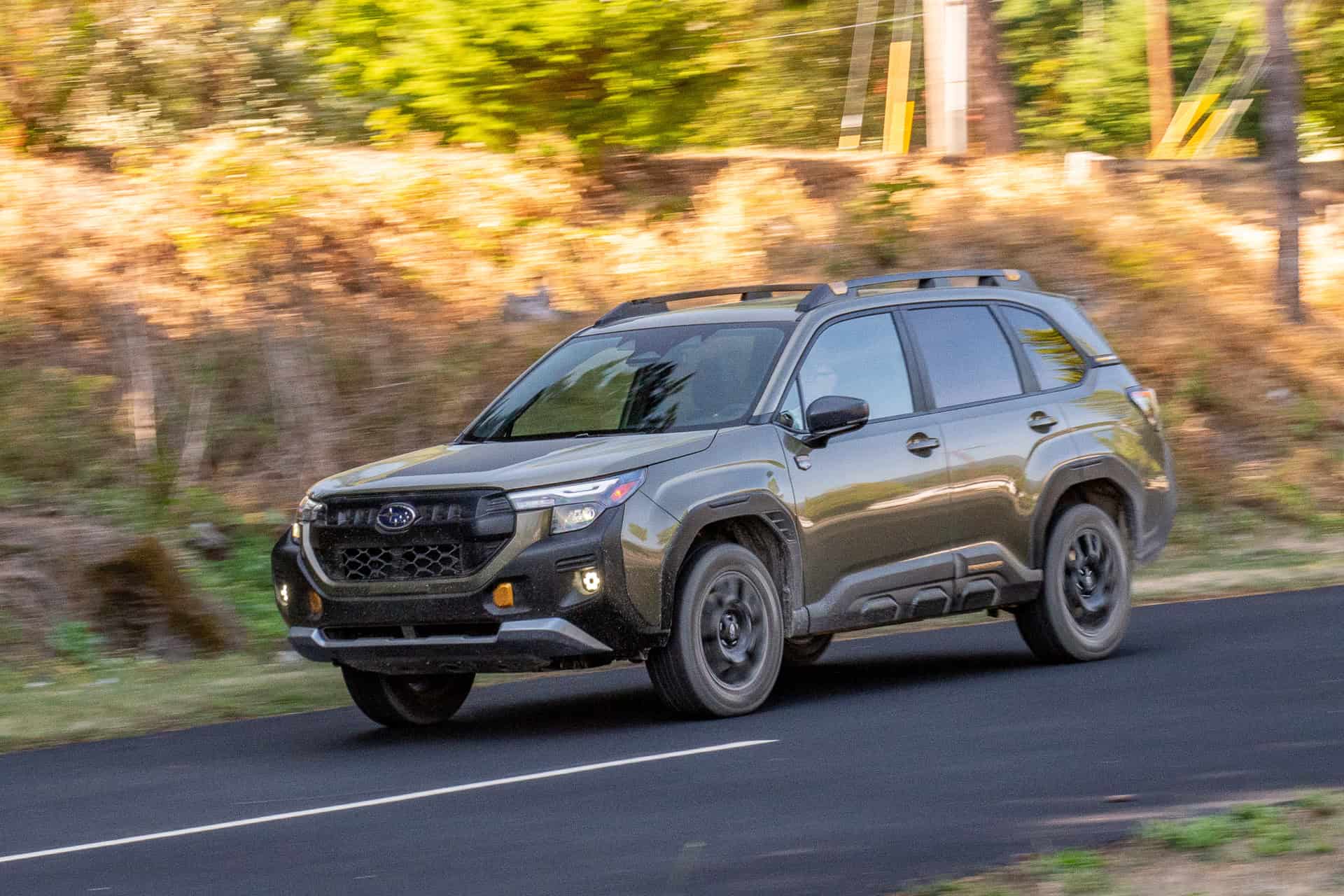
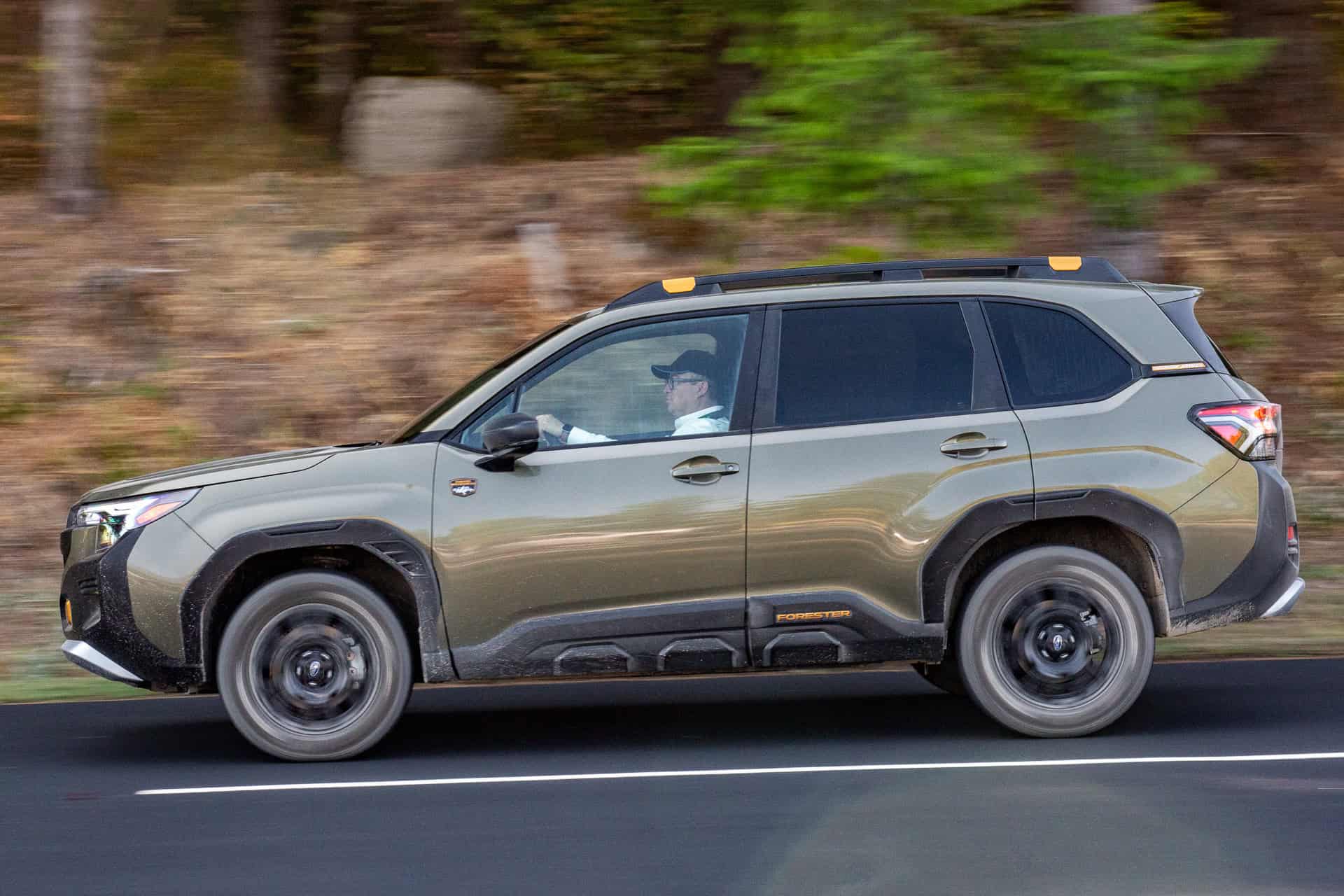
Ground clearance increases to 9.3 inches, up from 9.2 inches in the outgoing model. Coupled with improved approach/breakover/departure angles and wider 235mm all-terrain tires on 17-inch black matte wheels, this not-so-compact compact SUV builds on what was already, and arguably, the most capable adventure-going SUV on the market when it first launched for 2022. The off-road spare tire is a nice bonus.
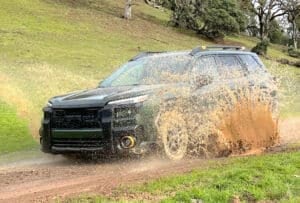
Subaru revised the all-wheel drive to deliver quicker center differential lockup and reduced wheelspin, making the Wilderness feel more planted and confident on loose surfaces. The CVT now features a shorter final-drive ratio for improved low-speed off-road control, which proved smoother and more confident on the steep, uneven trails we encountered.
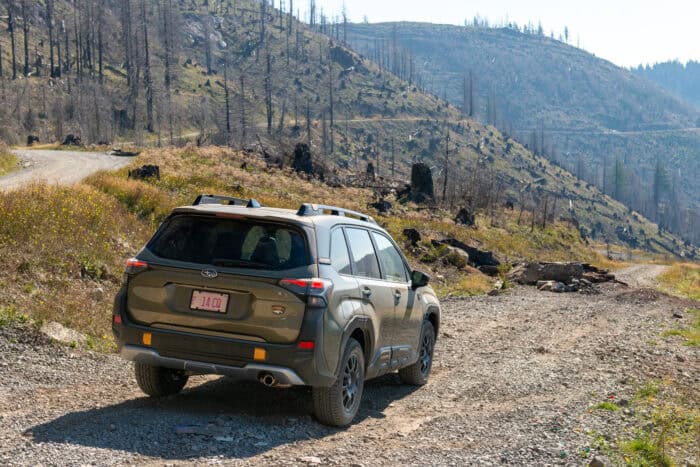
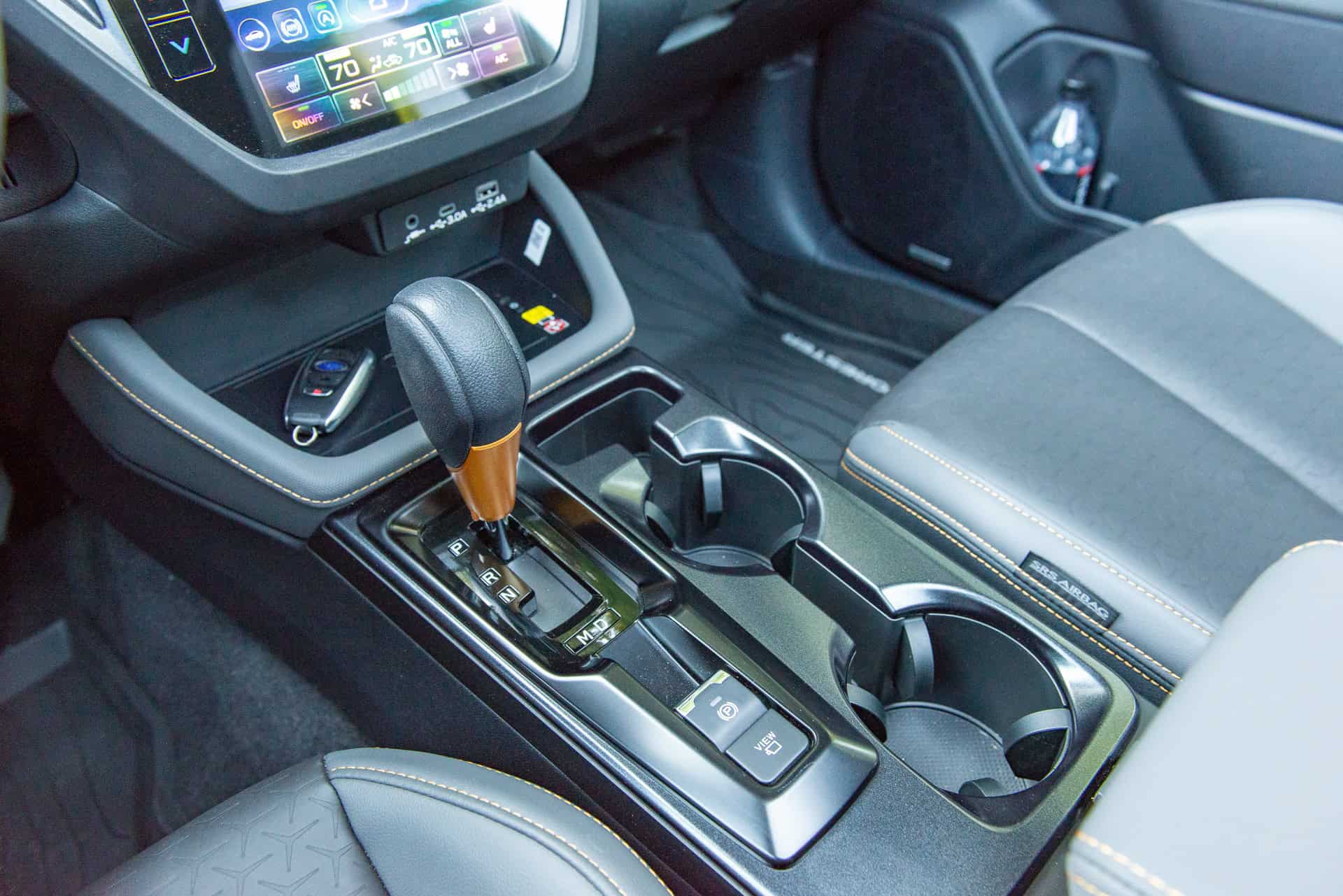
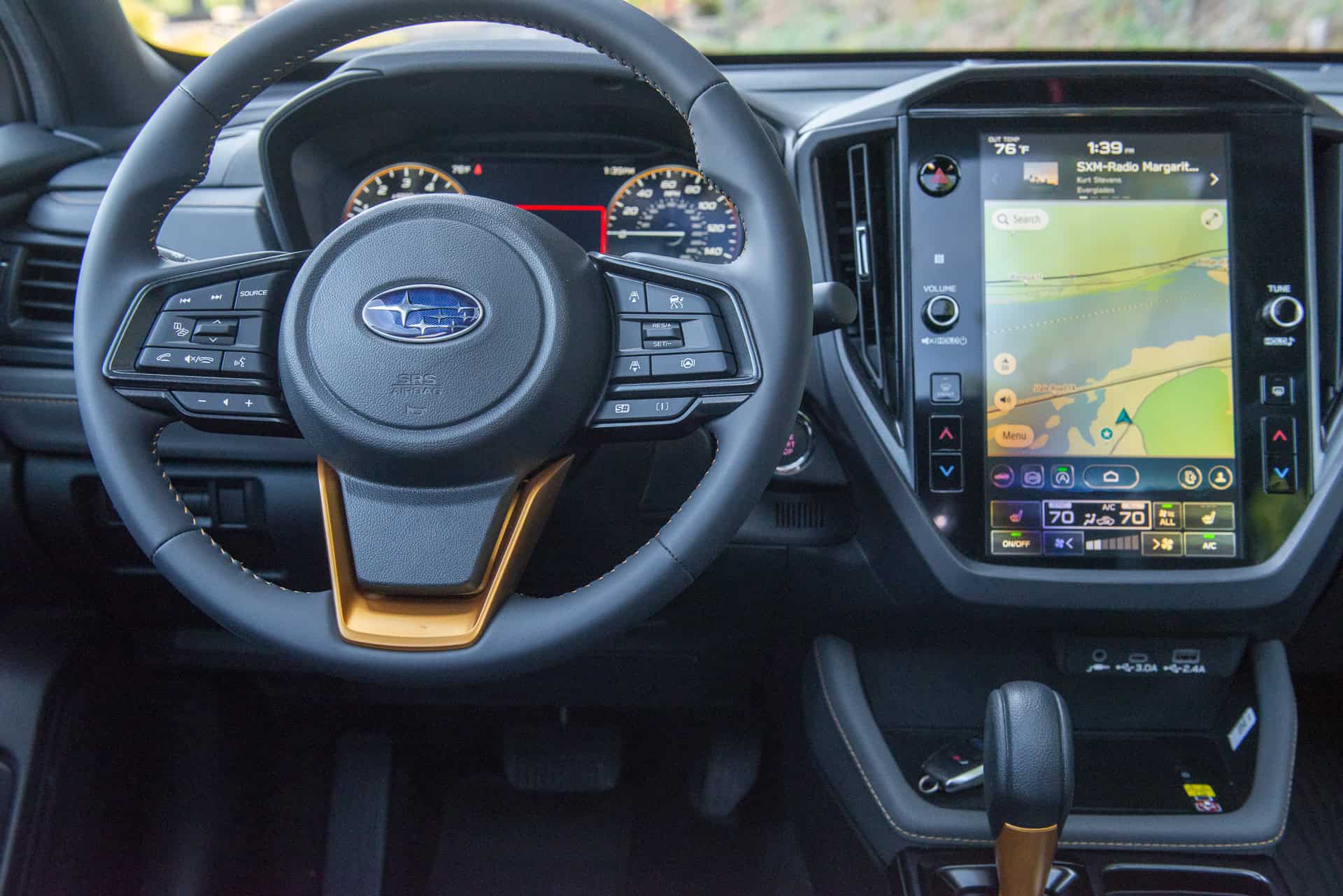
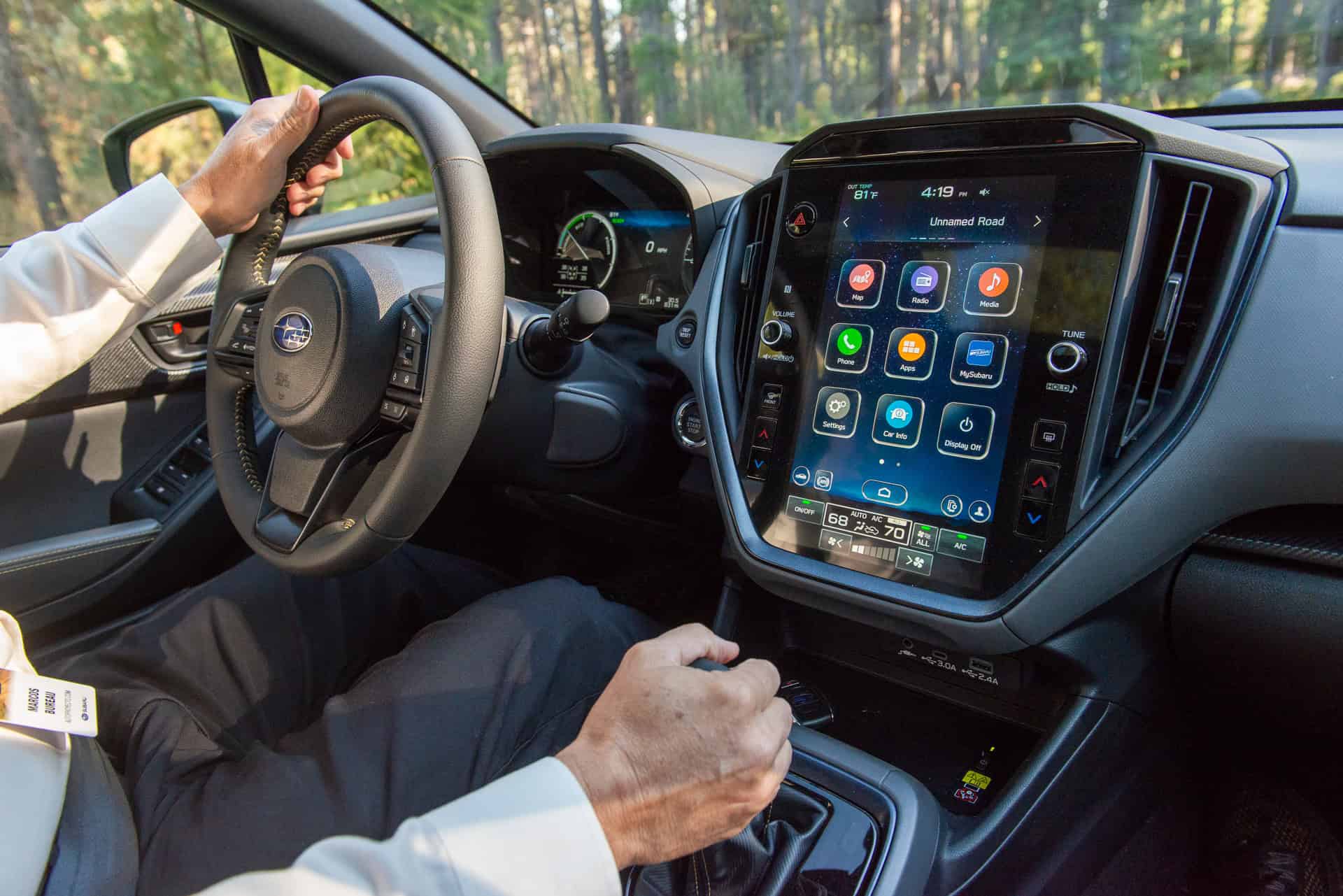
Hill Descent Assist isn’t new, and it works just as it did before; it automatically kicks in when X-MODE is activated. The Wilderness’ dual-function X-MODE system is exclusive to this rugged trim, and we appreciate that, but locating it within the menu is a challenge. In our view, Subaru should keep it a hard switch or button, the way it used to be. A new rear differential temperature sensor adds peace of mind on longer trail runs, letting you push without worrying about overheating. The upgraded transmission cooler lifts towing capacity to 3,500 pounds (the most ever for a Forester).
An Interior That Just Works Better
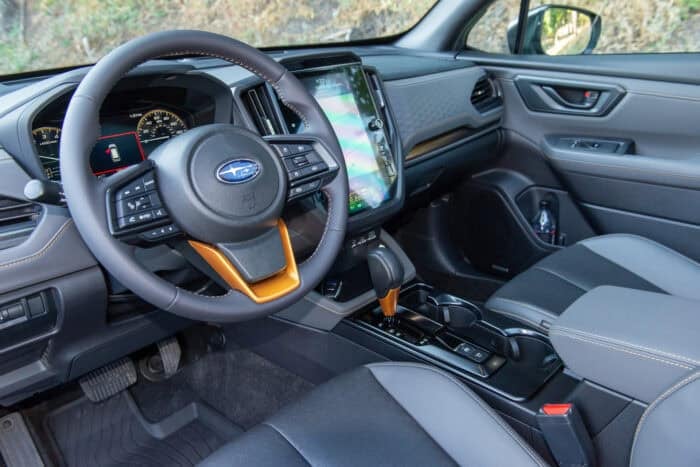
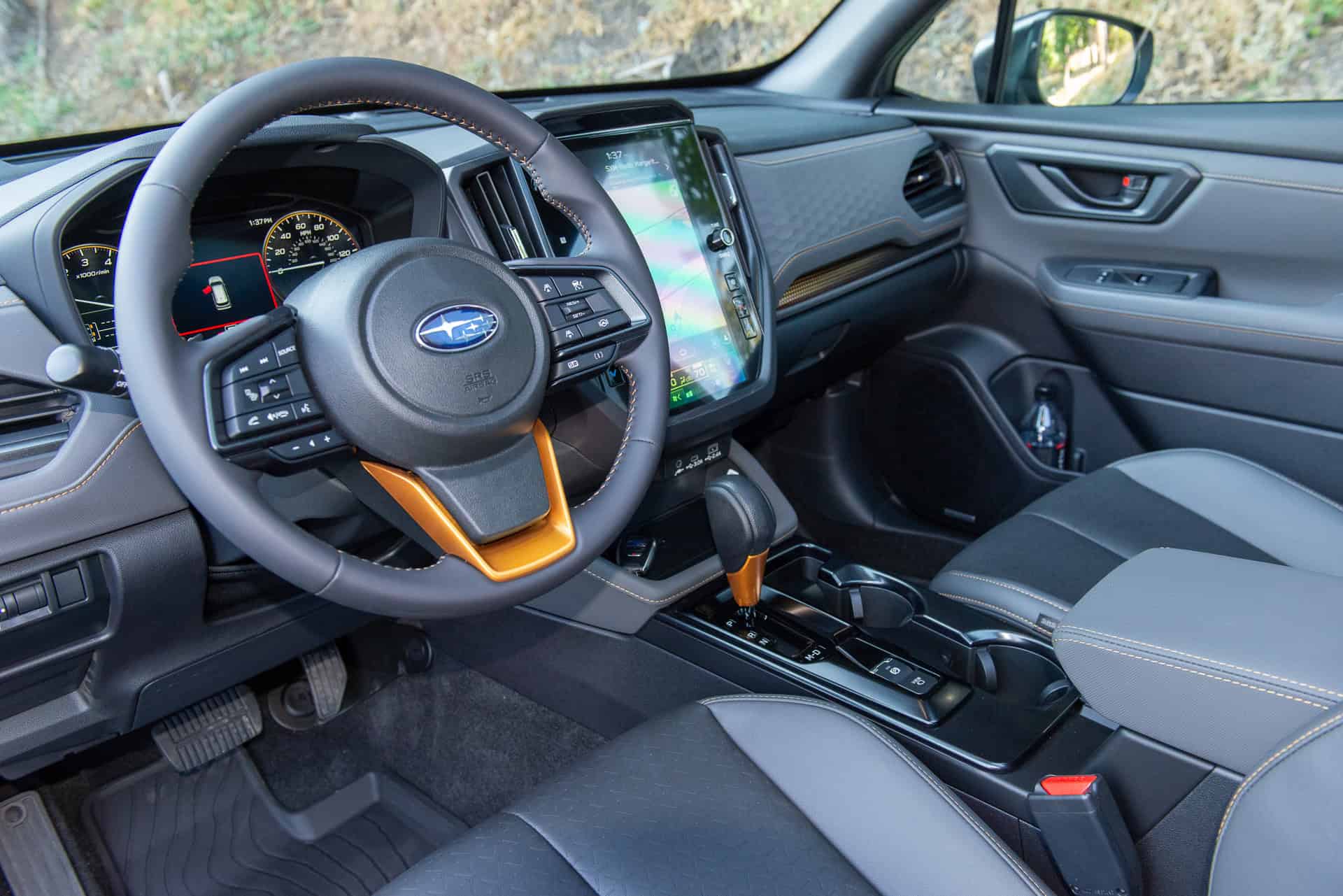
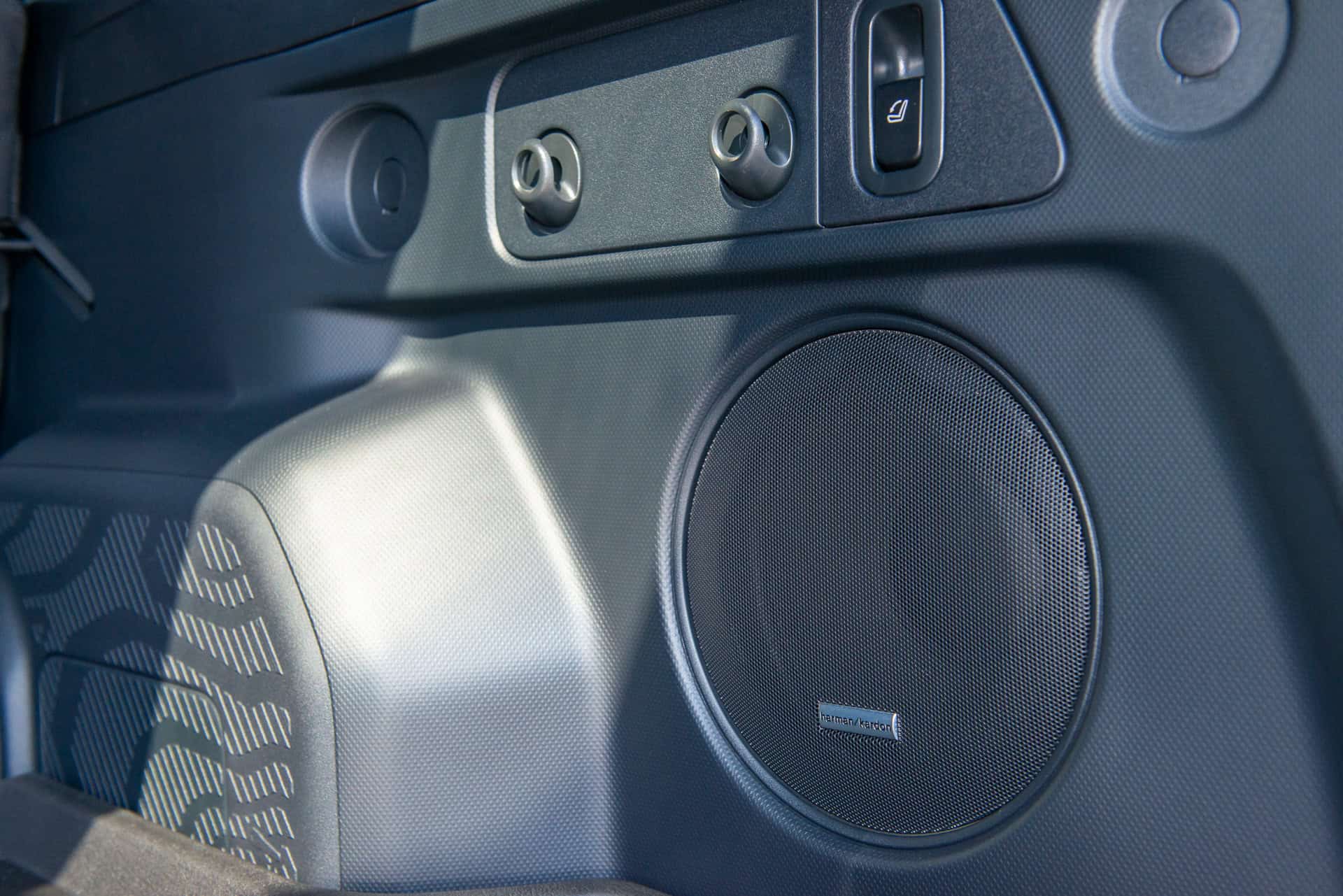
The 2024-2026 Forester’s interior is redesigned, and those comfort and tech upgrades carry over to this 2026 Forester Wilderness. For the first time, the Forester Wilderness offers a digital gauge cluster, adding a nice touch of tech. Measuring 12.3 inches, it comes standard on the first-ever Forester Hybrid and, as an option on Wilderness, adds swanky Wilderness-specific graphics to the startup screen. For an extra $2,200, the Options Package dials up some tech with a Harmon Kardon 11-speaker system and sub, TomTom navigation, and a power rear gate.
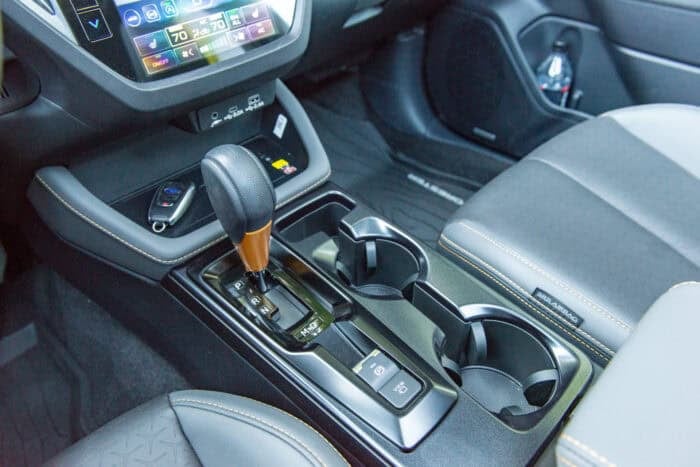
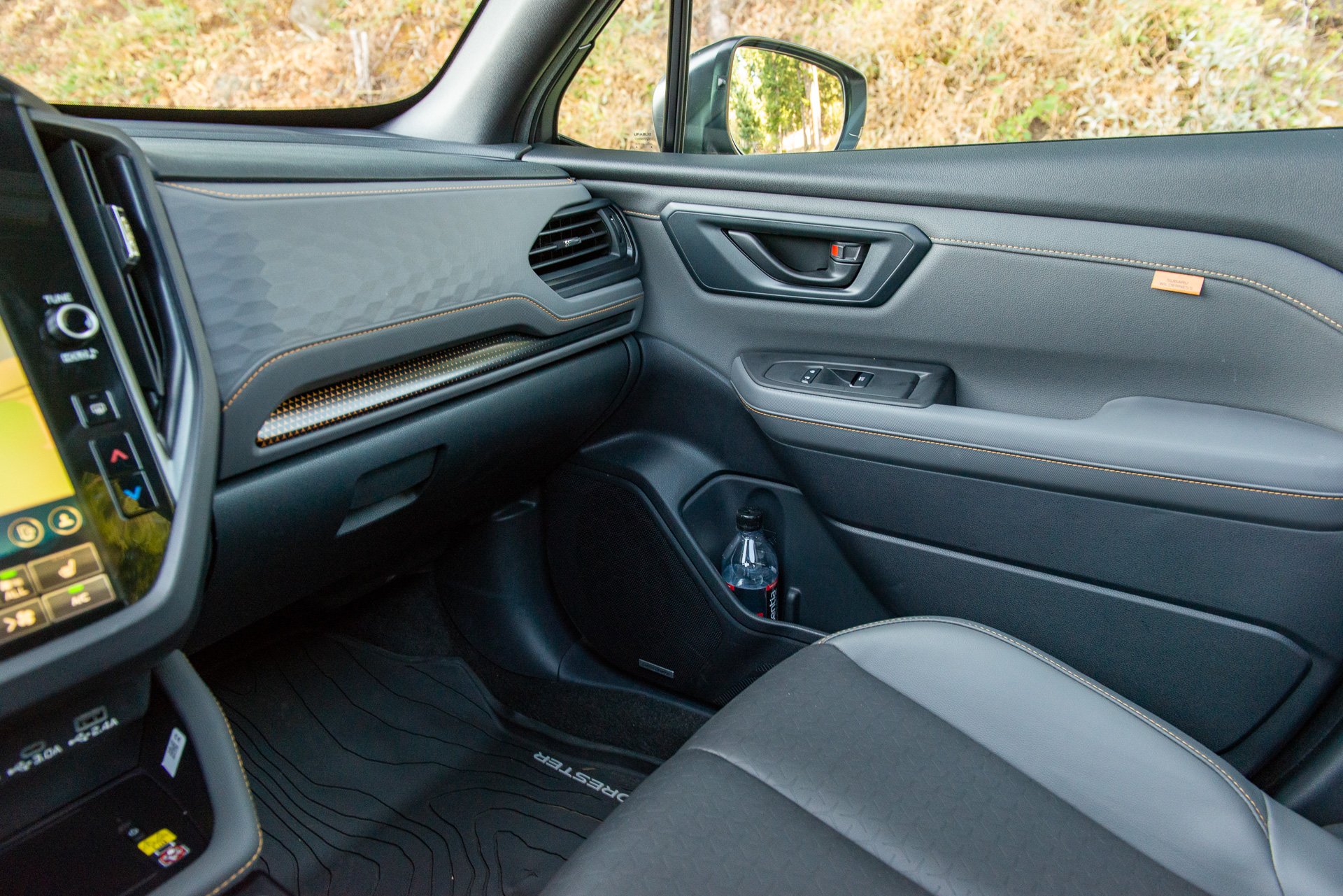
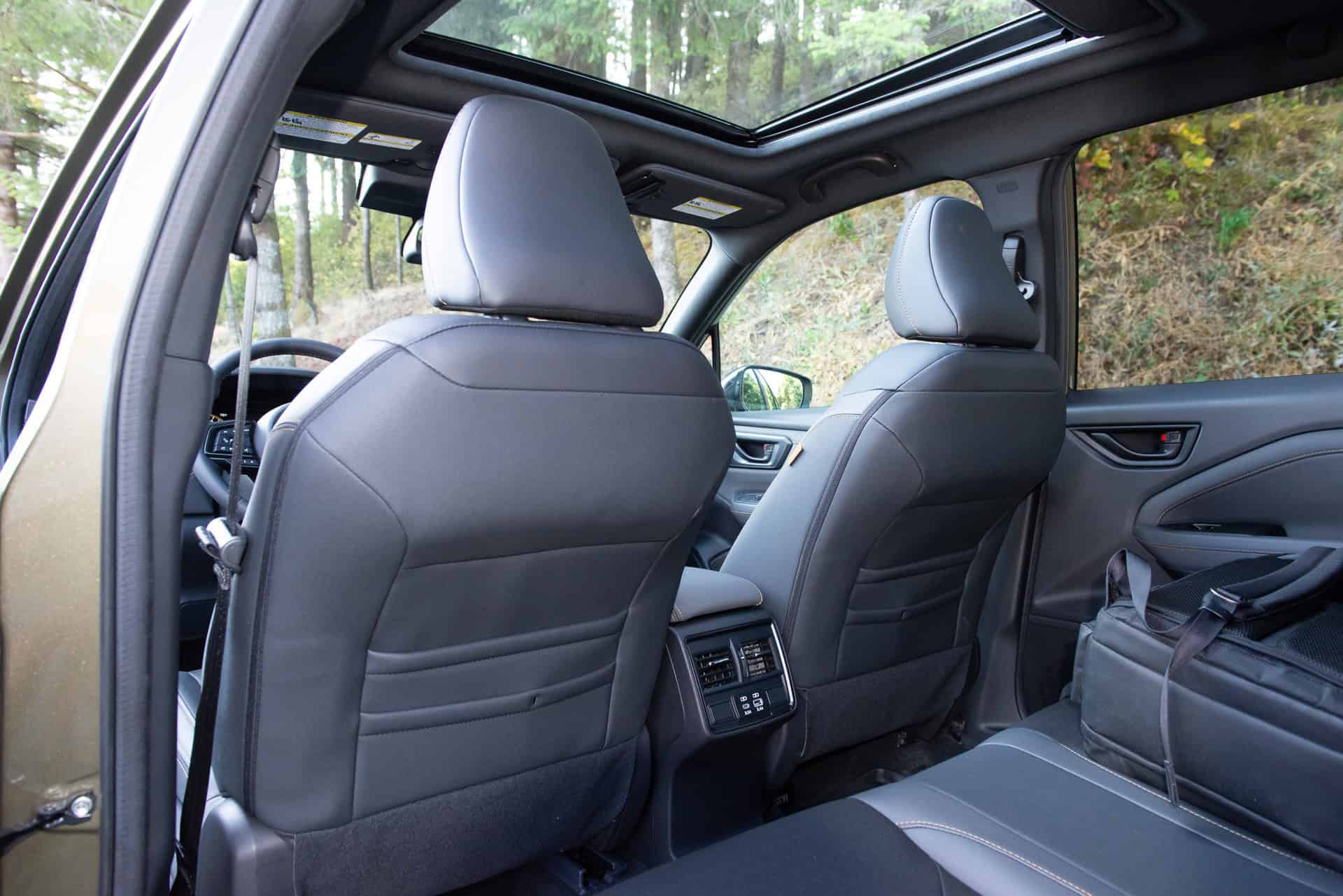
Good news for cupholder fans and Moms with gargantuan Stanley cups: the cupholders are now larger, nestled inside a new center console layout with even more space, a bigger cargo box, and longer armrest. Rear seatbelt routing and mounting have been improved for rear-seat occupant comfort and safety.
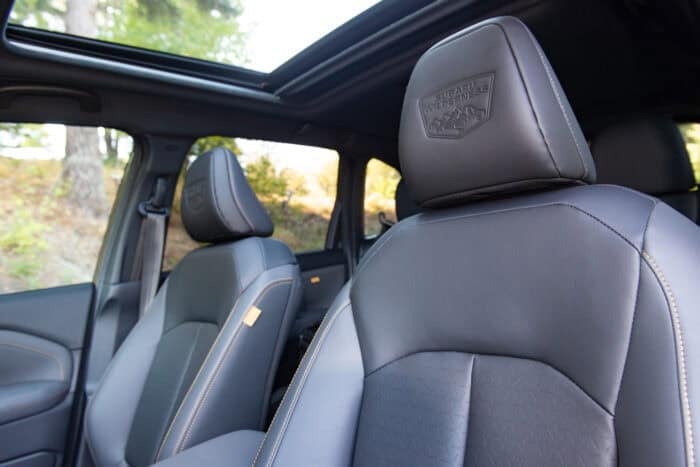
Built for Wet Gear, Dogs, Snowboards, and Real Life
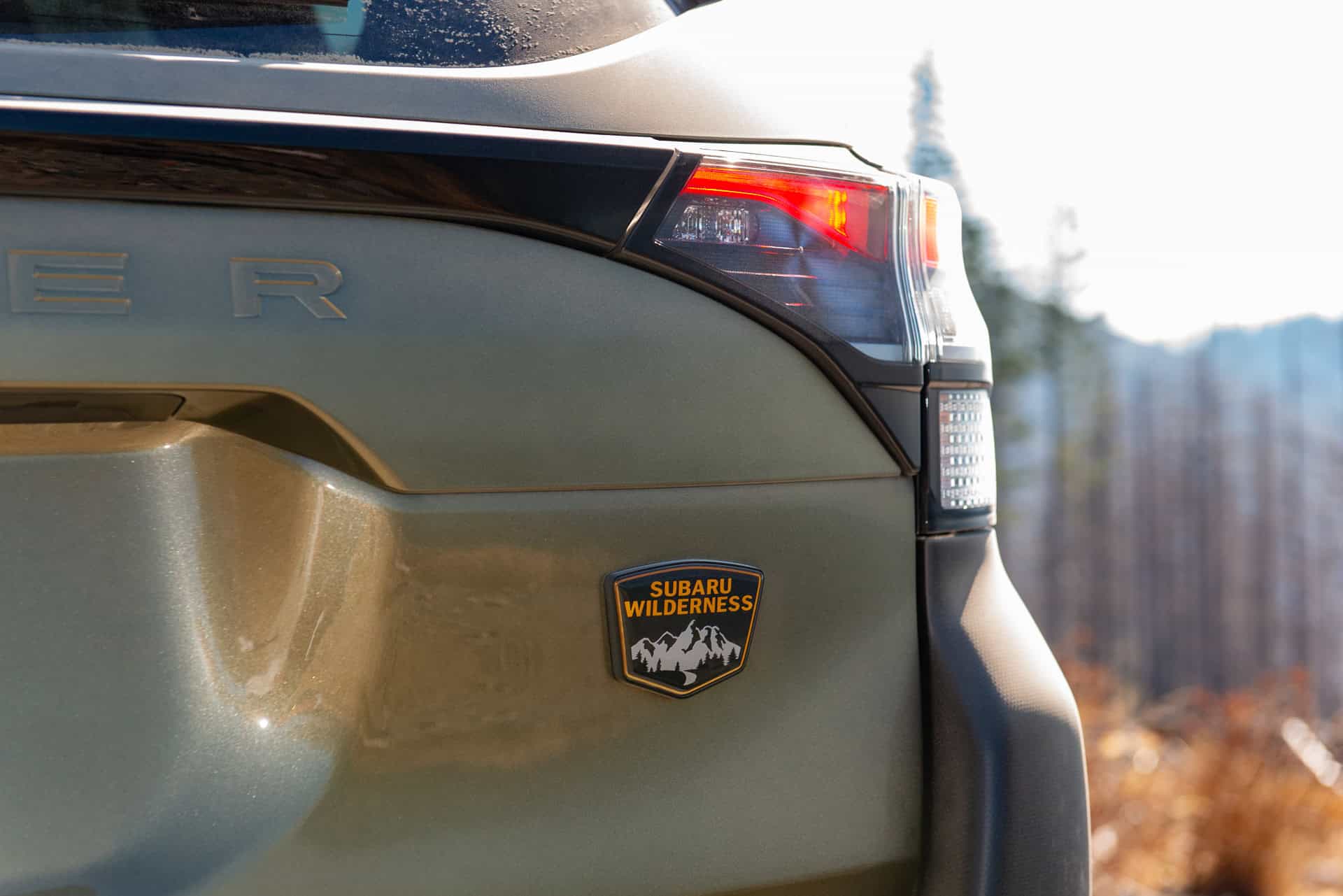
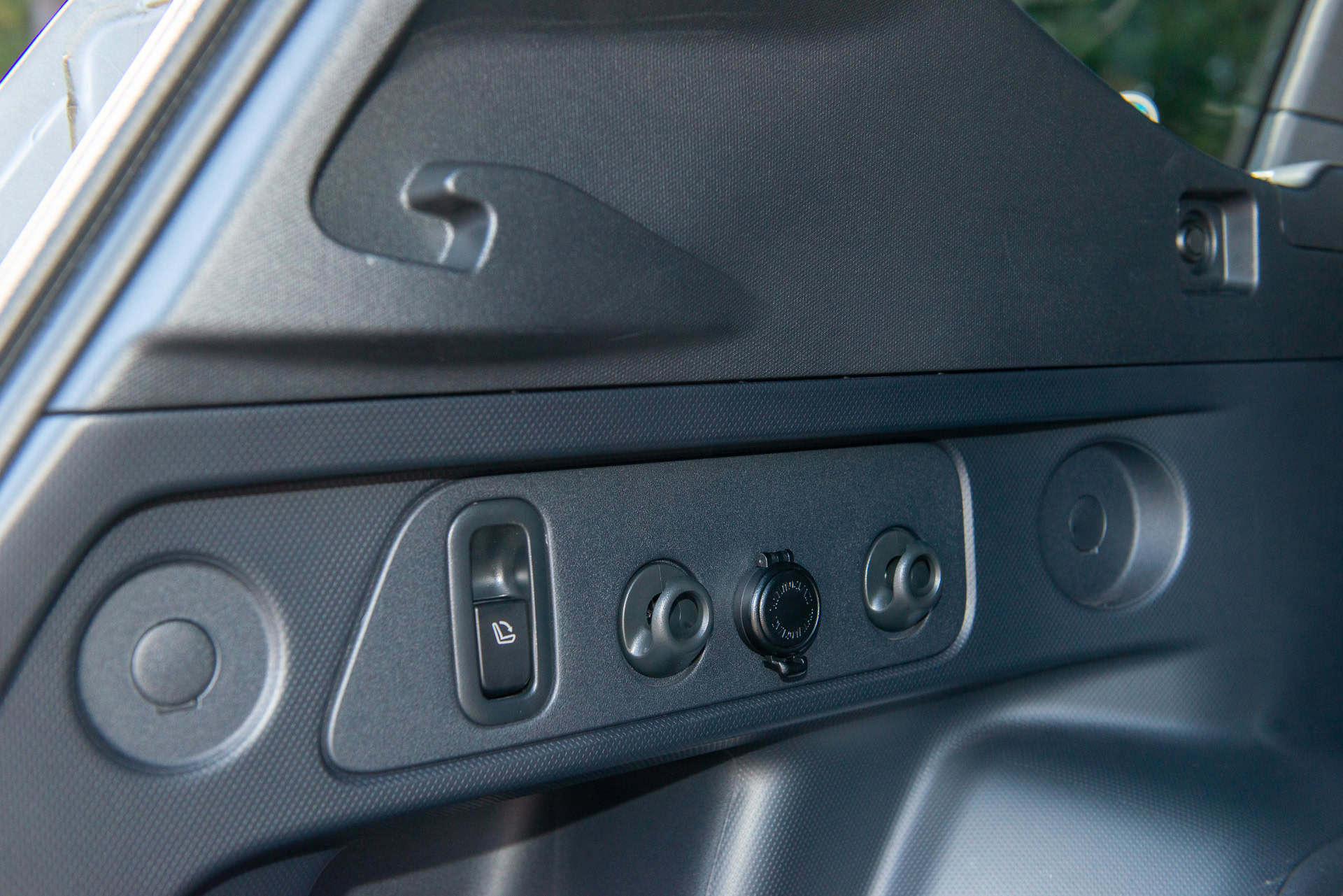
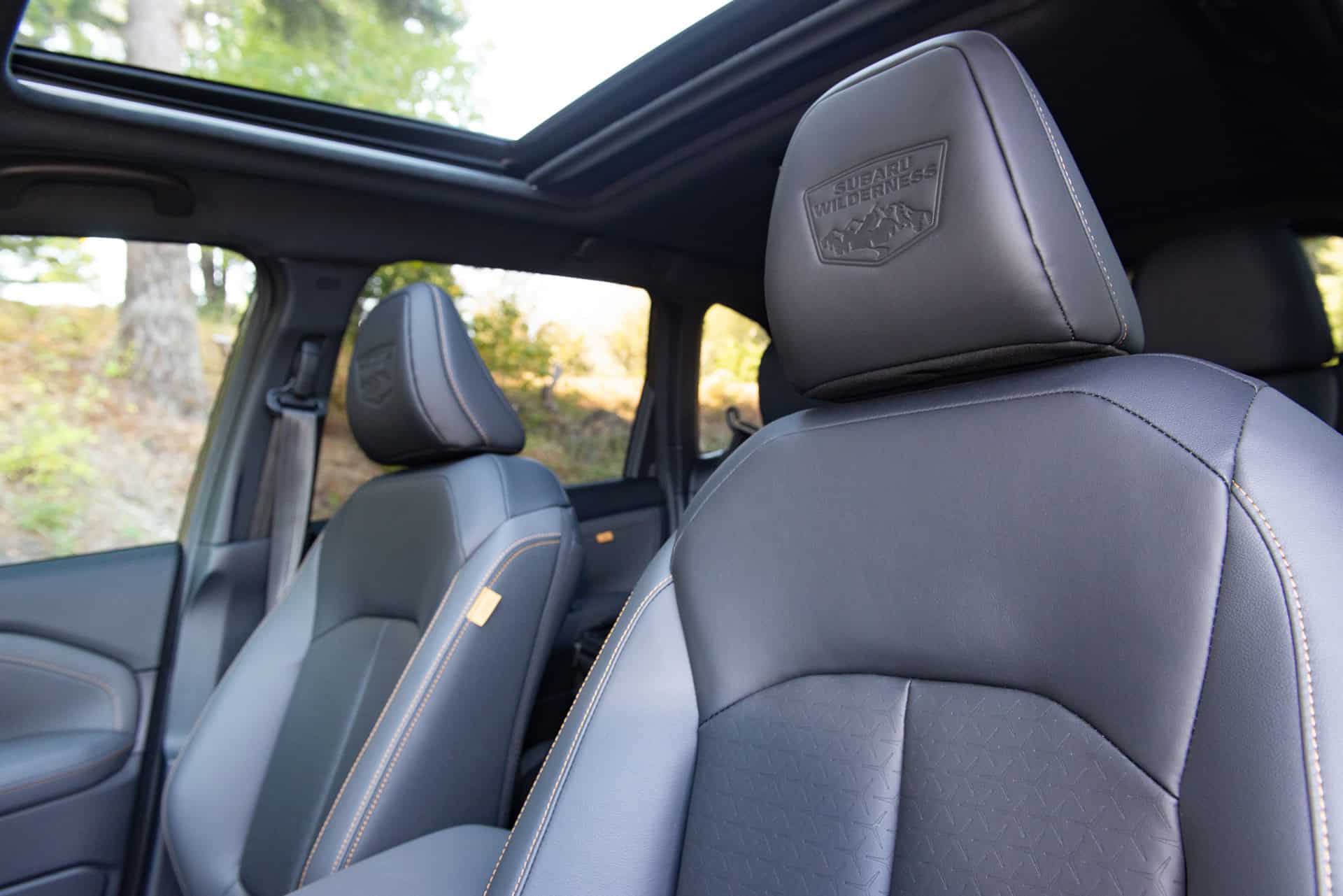
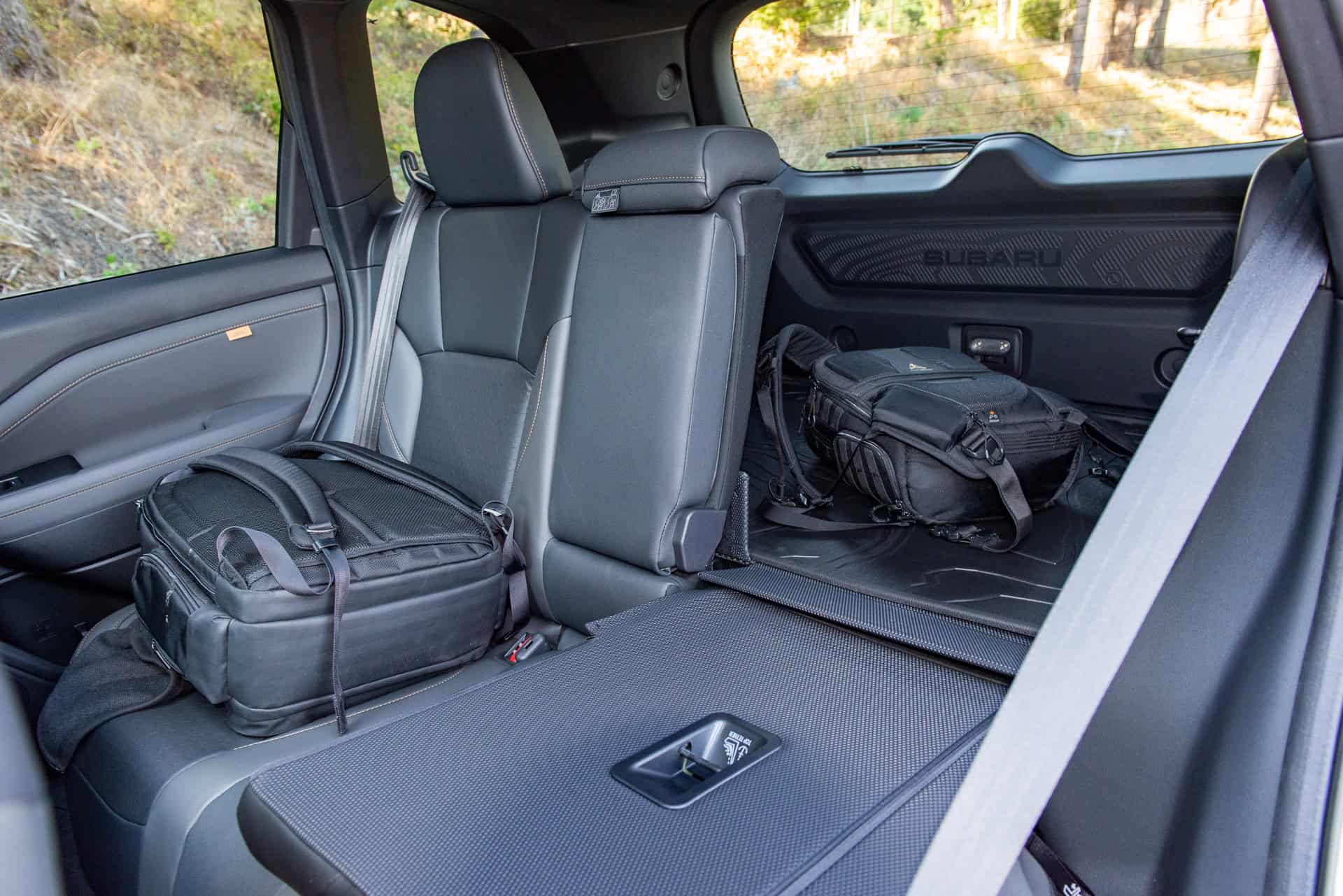
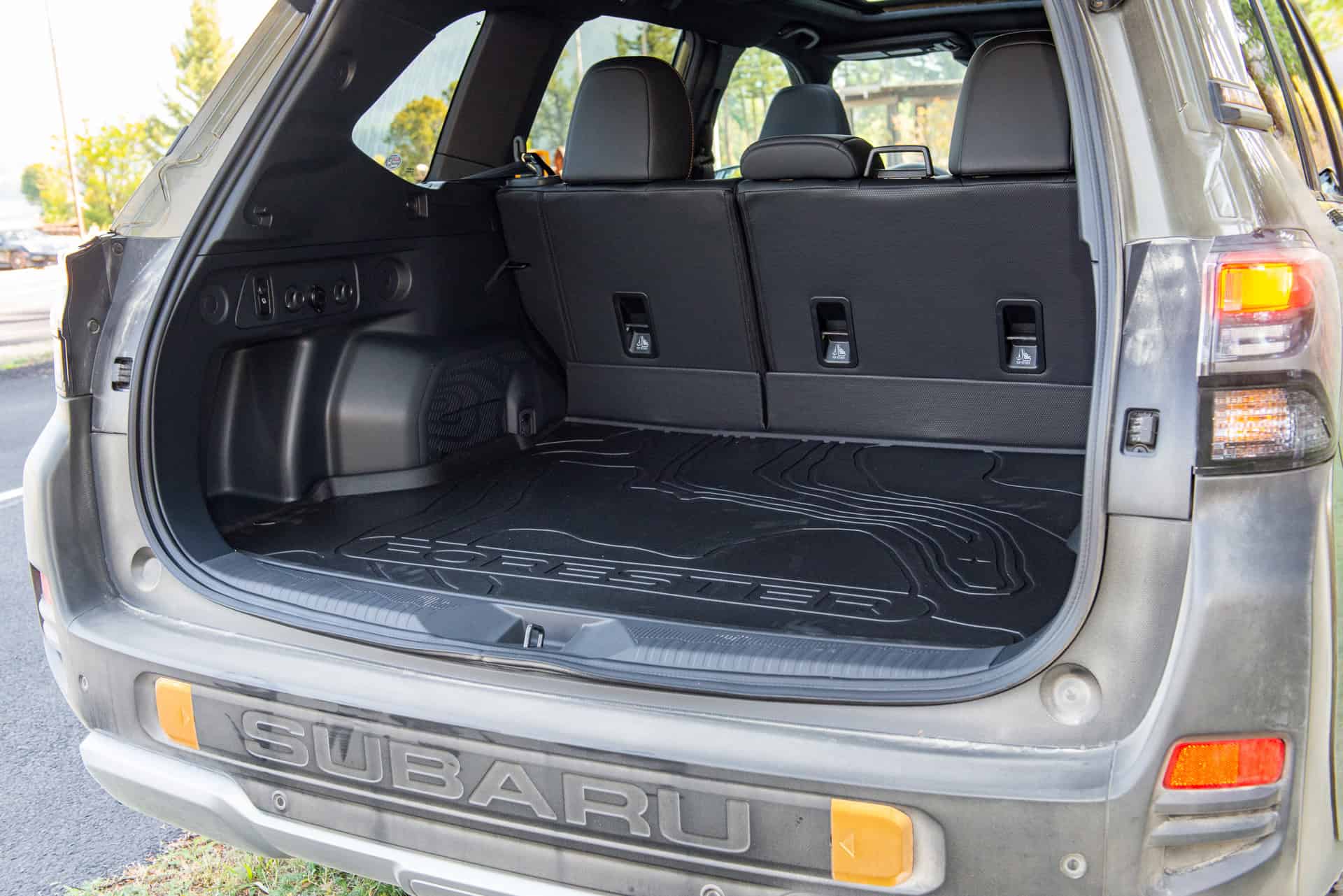
If there’s one thing Subaru does well and over and above the competitors, aside from all-wheel drive, it’s all the smart little features to protect the interior. In the 2026 model, the hinge points are more water-resistant than before, which is great for wet camping gear and for melting ice from skis and snowboards. The entire cabin is pretty much water-resistant, courtesy of the StarTex upholstery with a touch of copper stitching. Wilderness logos are found throughout the cabin, including the headrests.
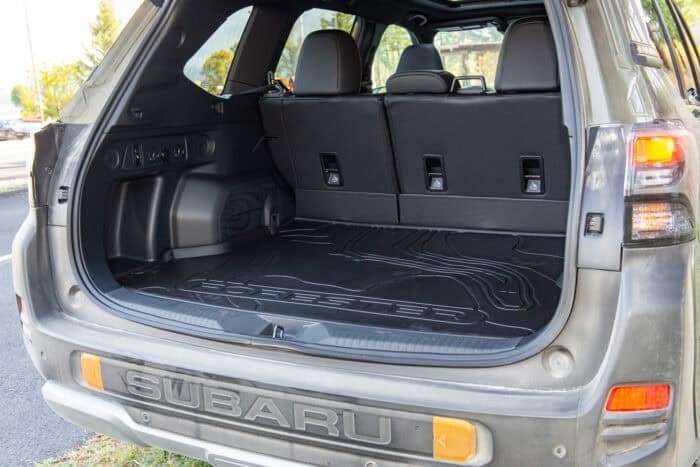
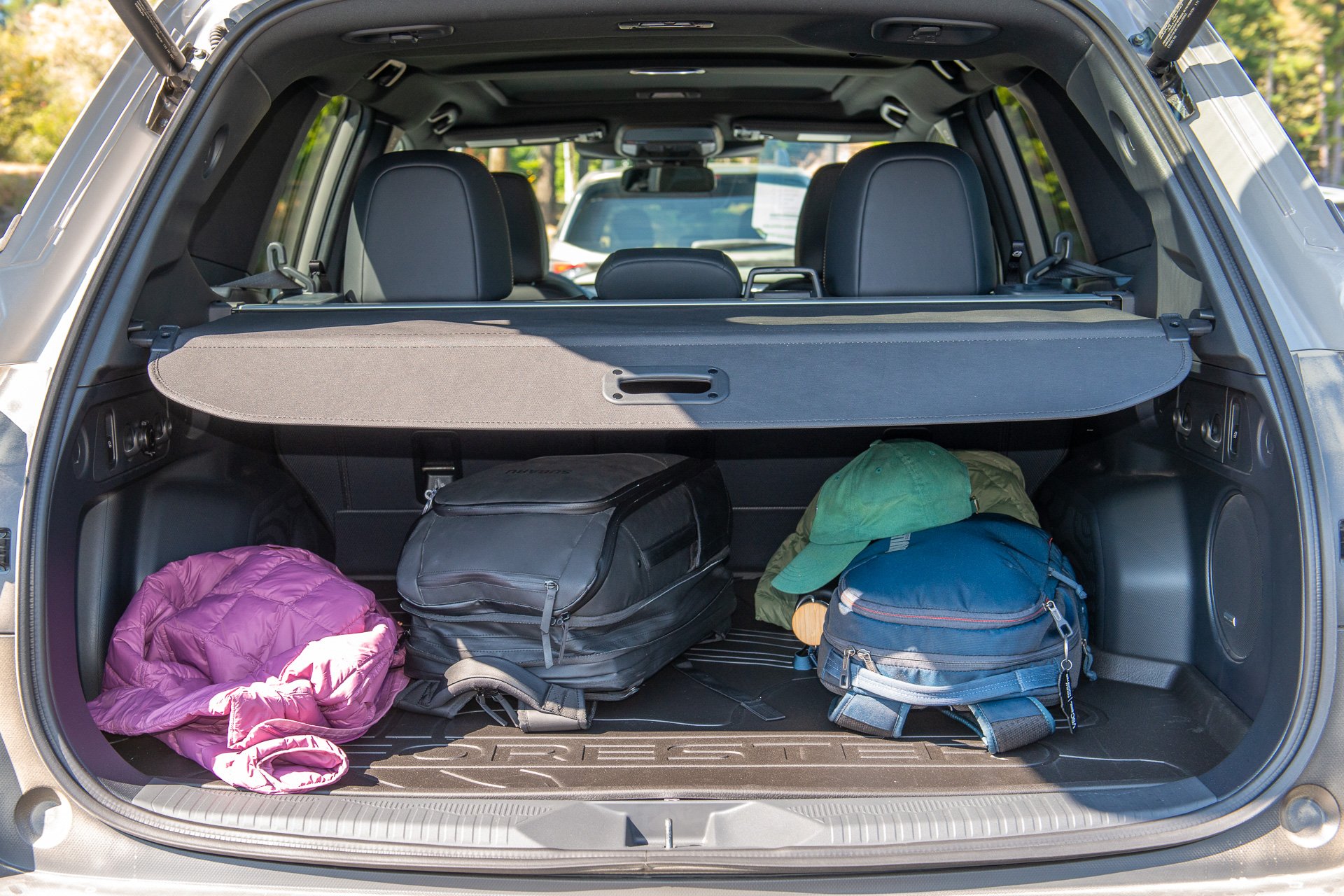
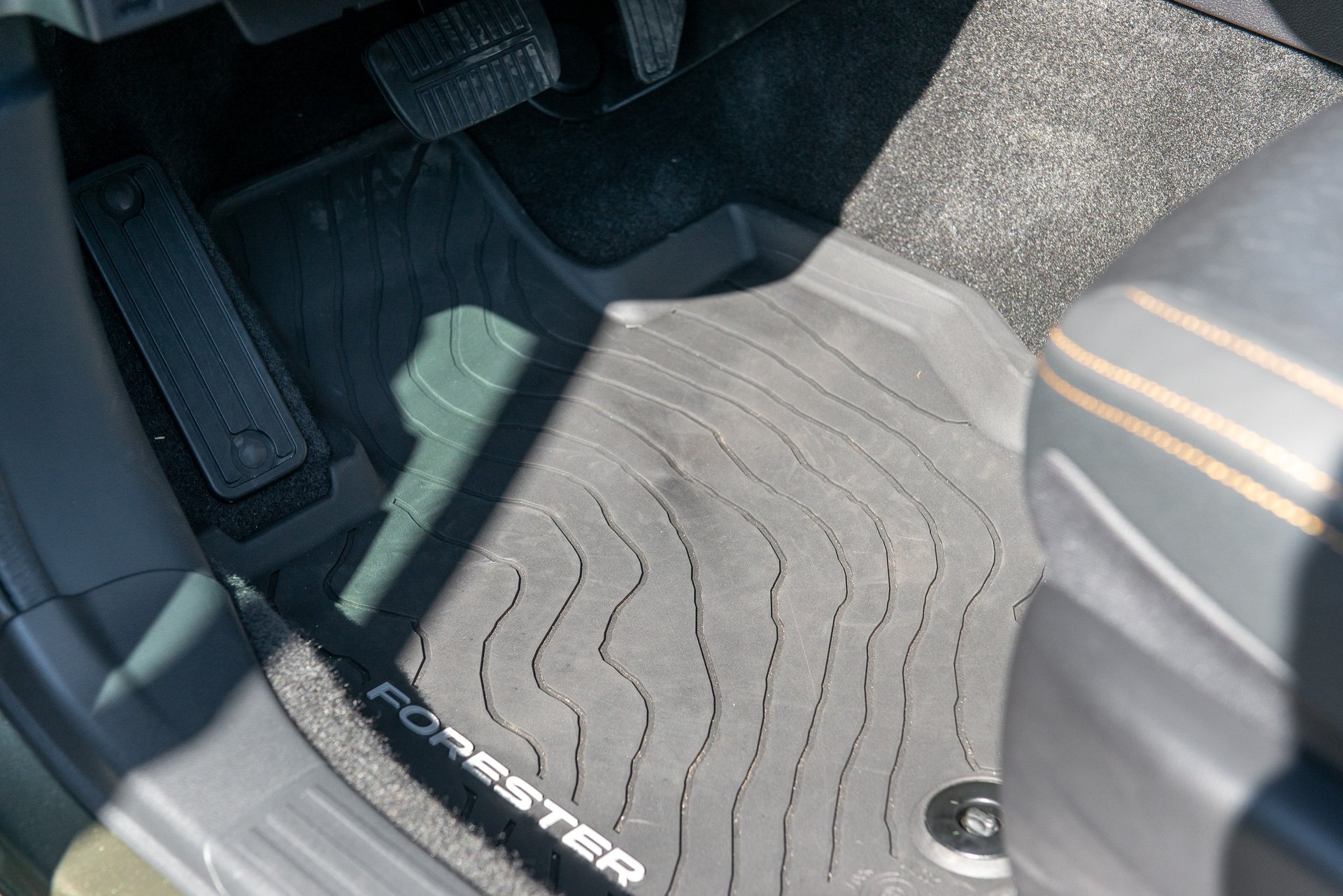
Overall, expect more cargo and utility space in this 2026 Forester Wilderness, along with standard all-weather floor mats and cargo trays for added durability and protection. A great addition, whether every Forester Wilderness customer needs it or not, is the standard All-Weather Package, which adds heated front seats, heated exterior mirrors, and a windshield wiper de-icer.
There’s a long list of other interior standard features. Some noteworthy ones include EyeSight Driver Assist (with a long list of features, including blind-spot monitoring, emergency lane-keep assist, automatic emergency steering, and more); wireless Apple CarPlay and Android Auto; the driver’s 10-way power seat with lumbar support; and Bluetooth hands-free phone and audio streaming.
The Wilderness Look Still Works
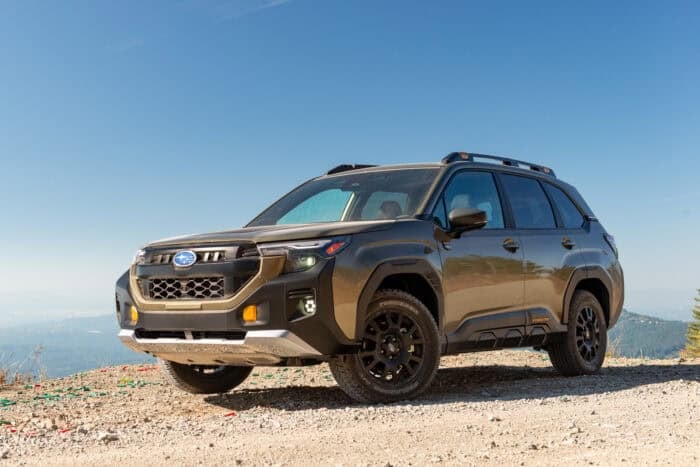
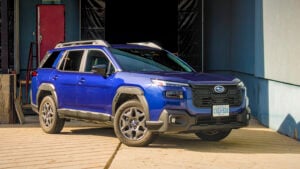
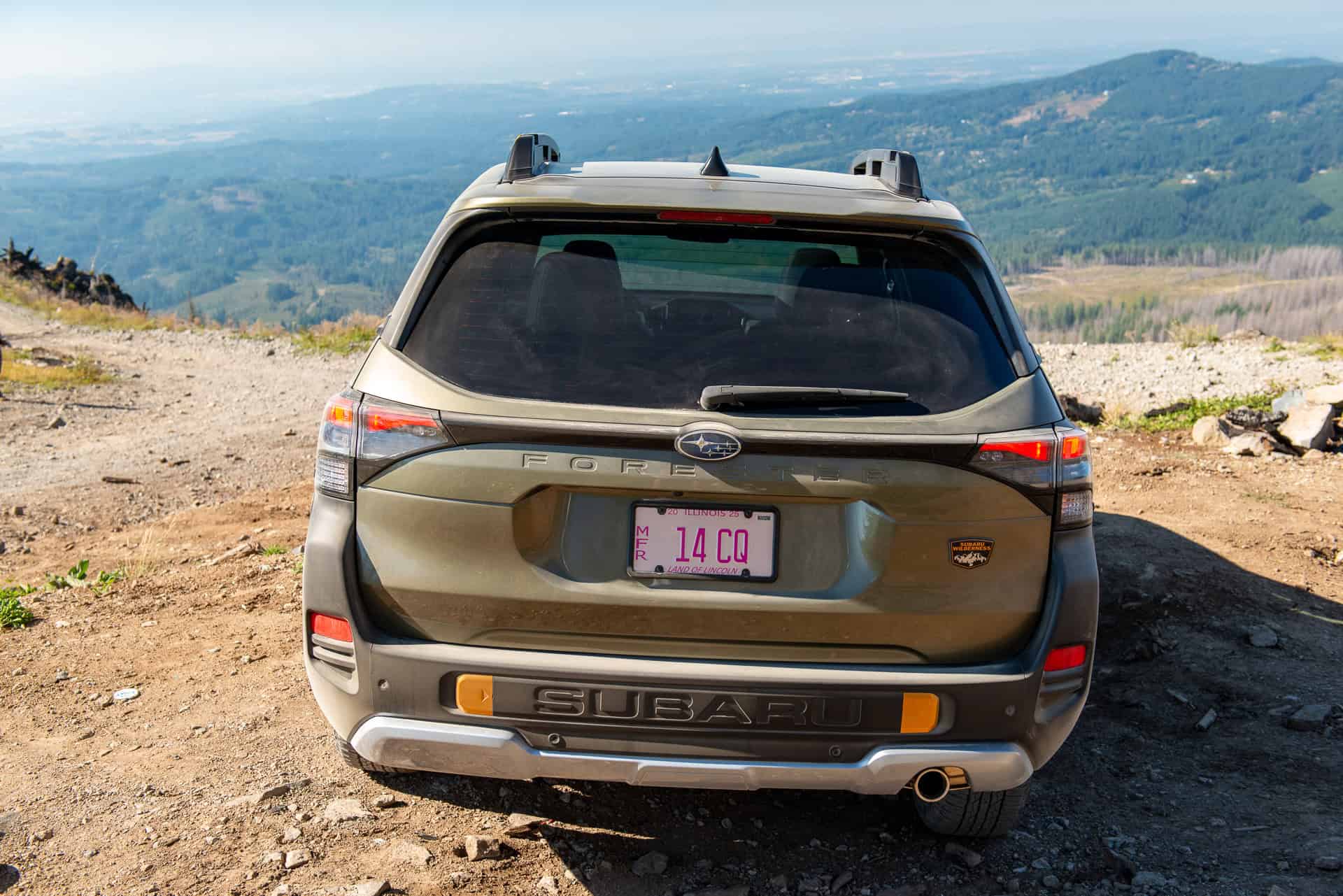
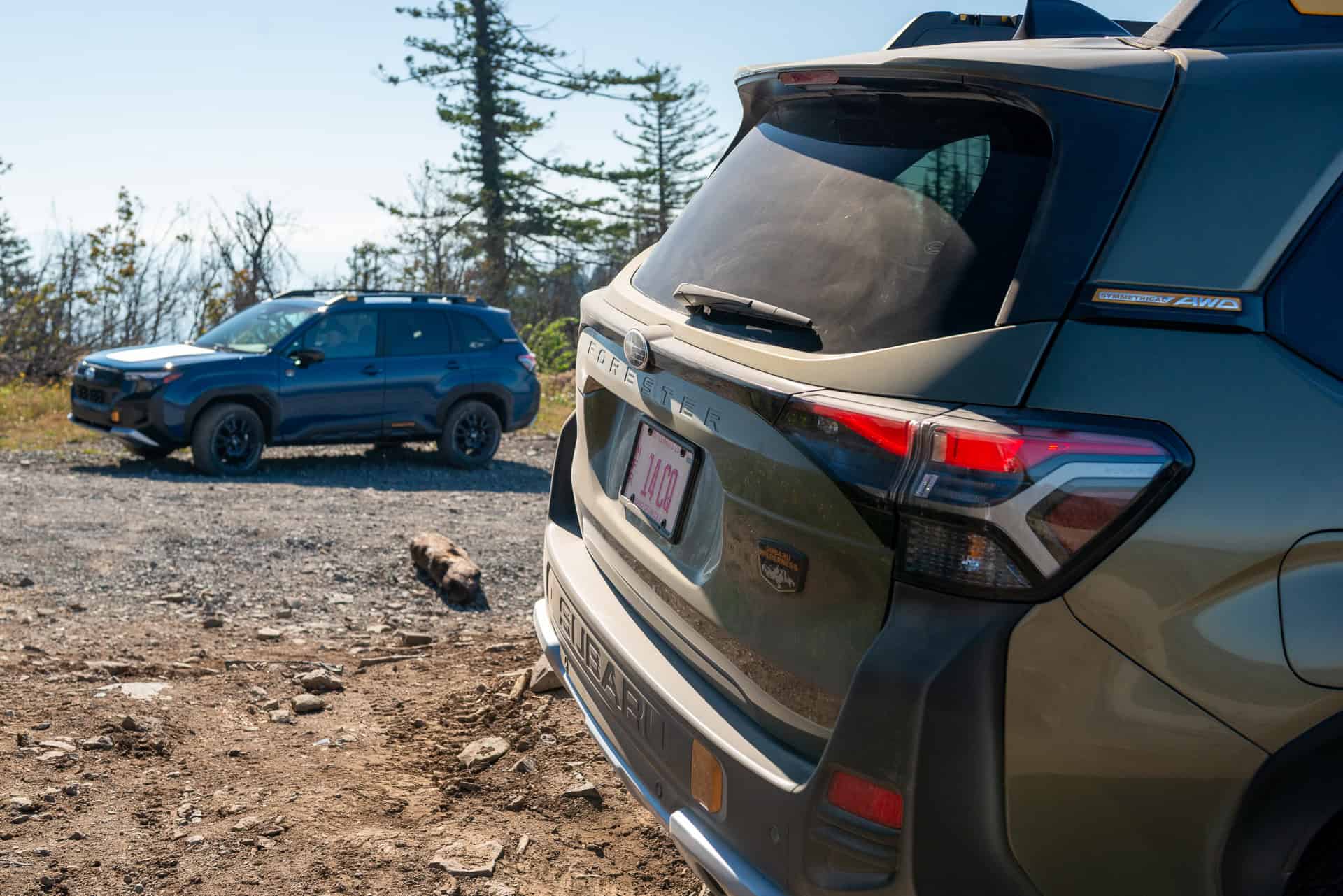
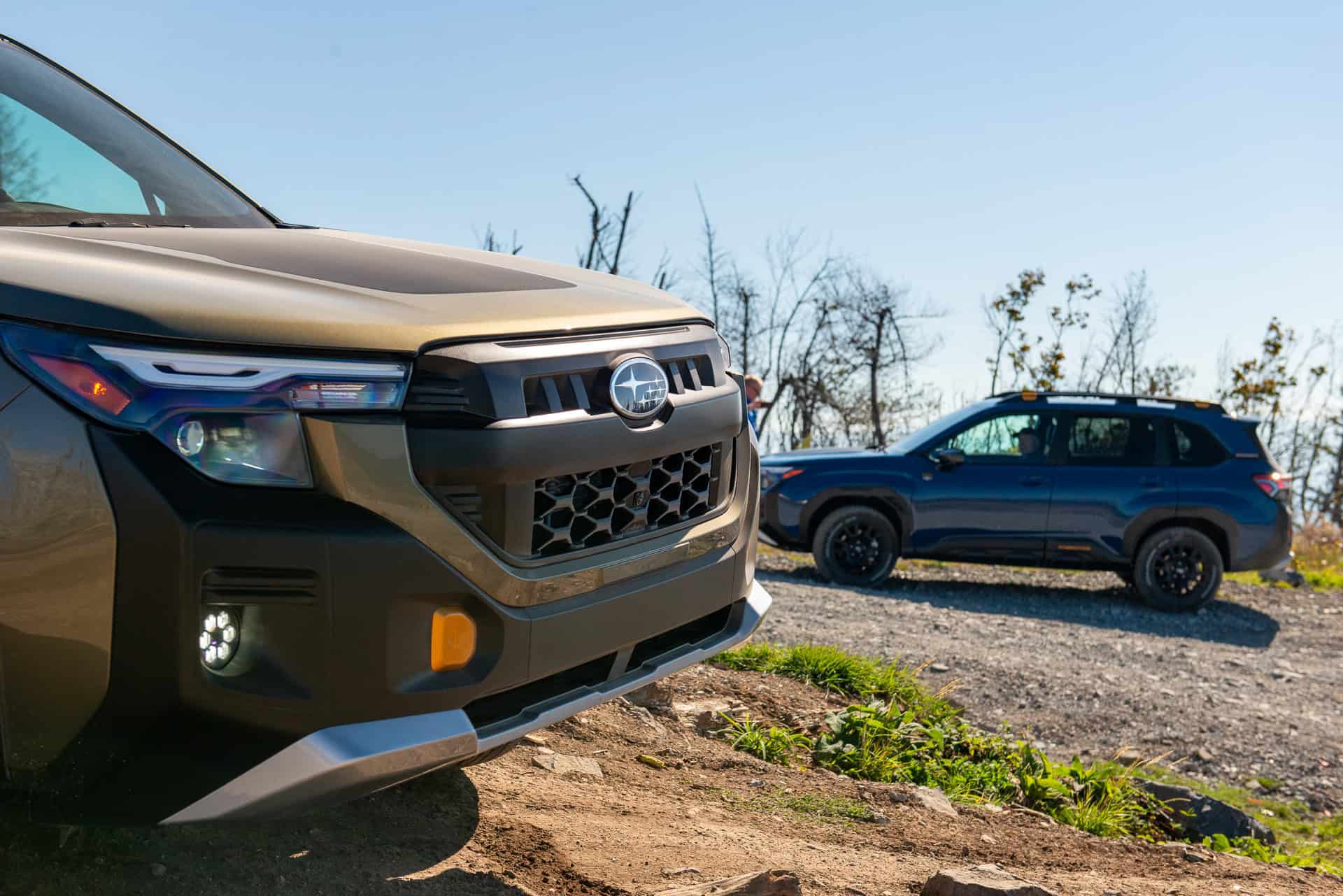
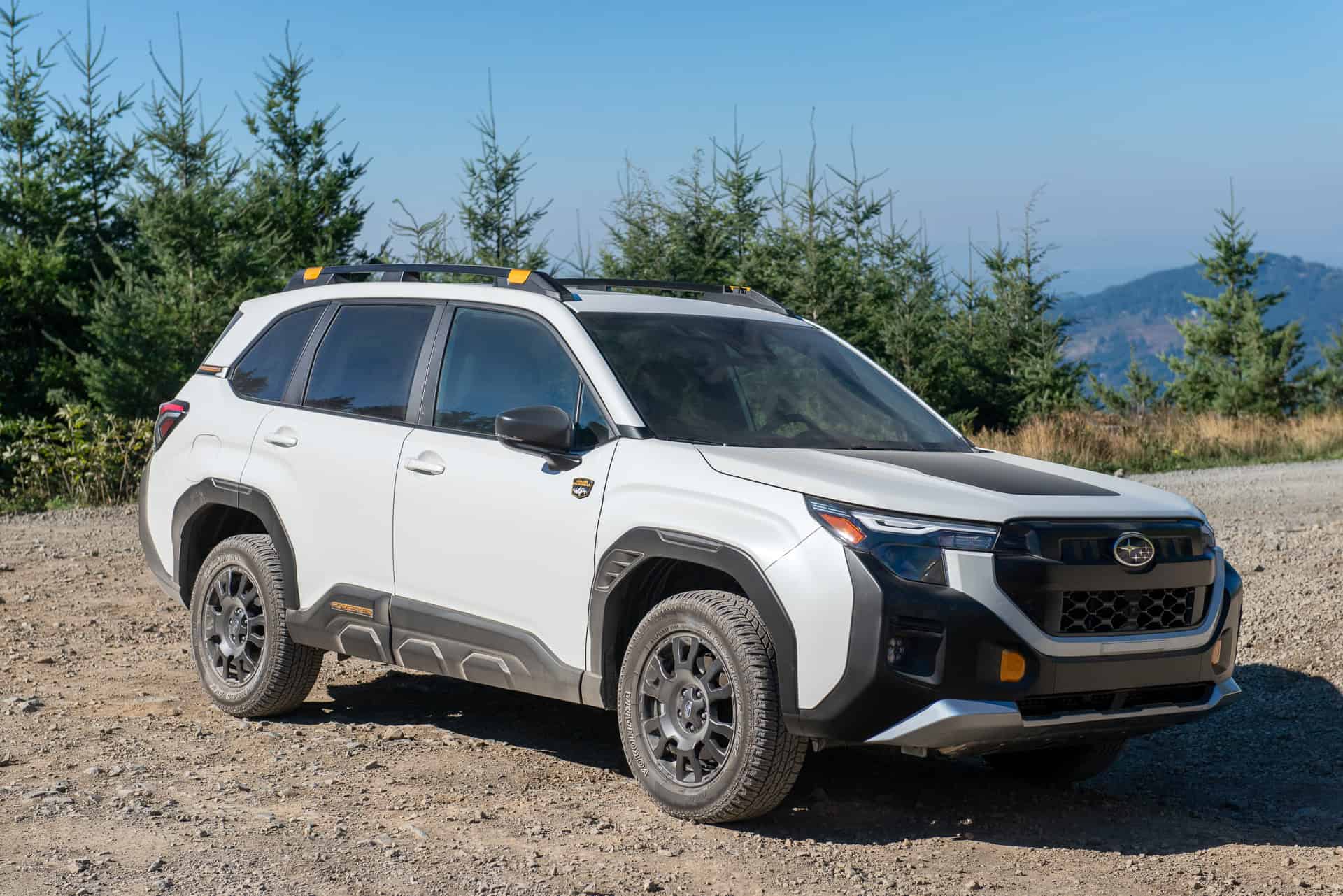
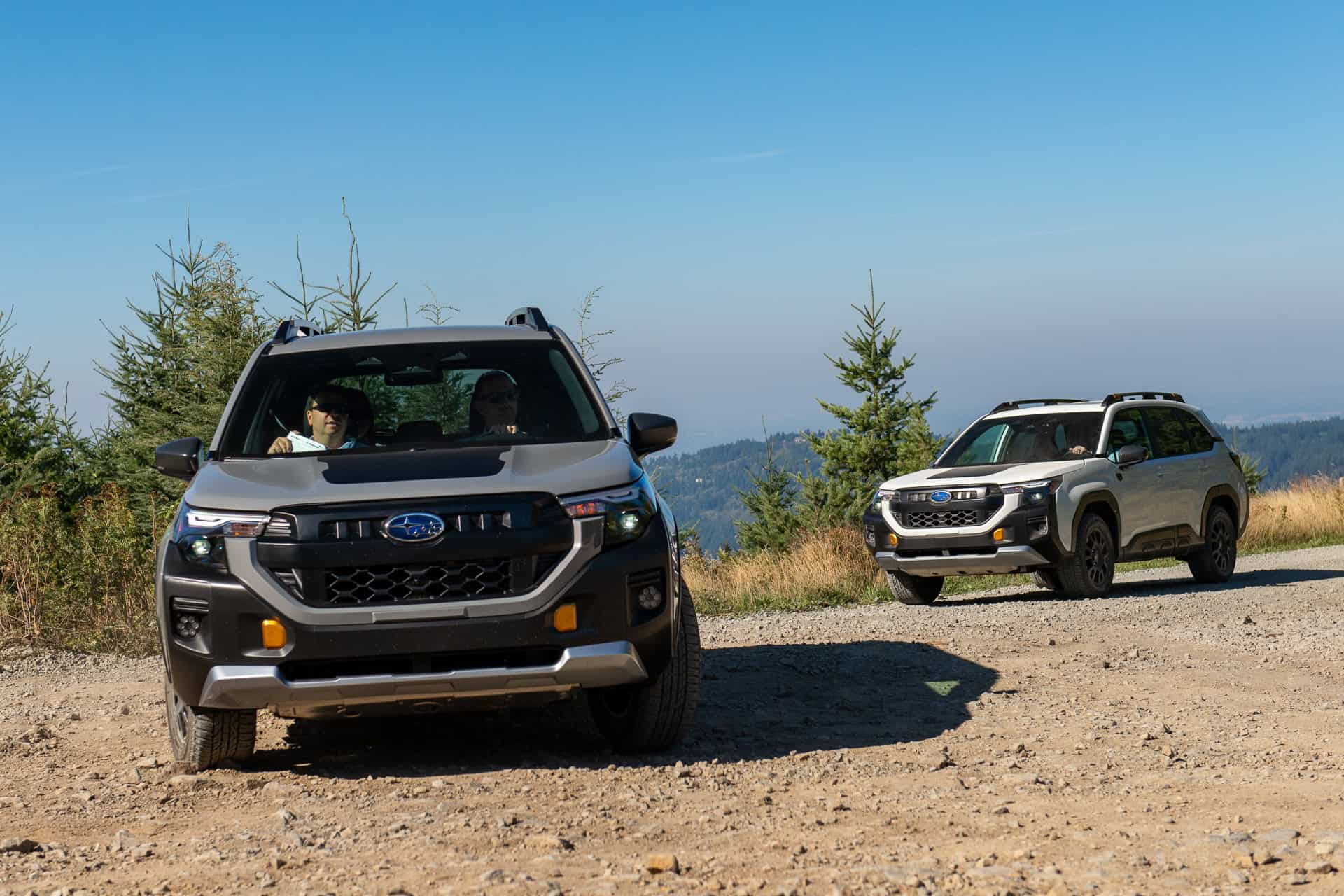
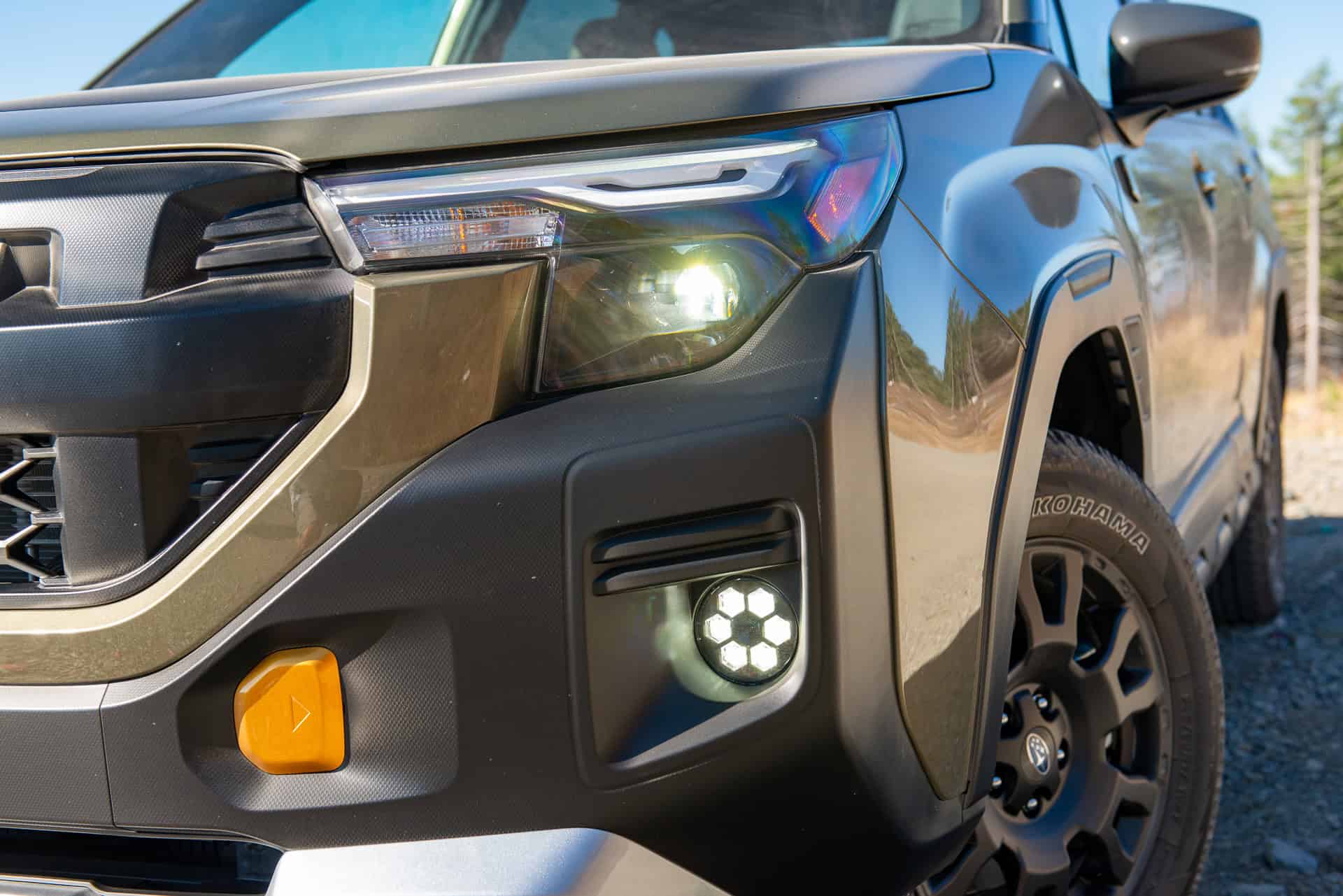
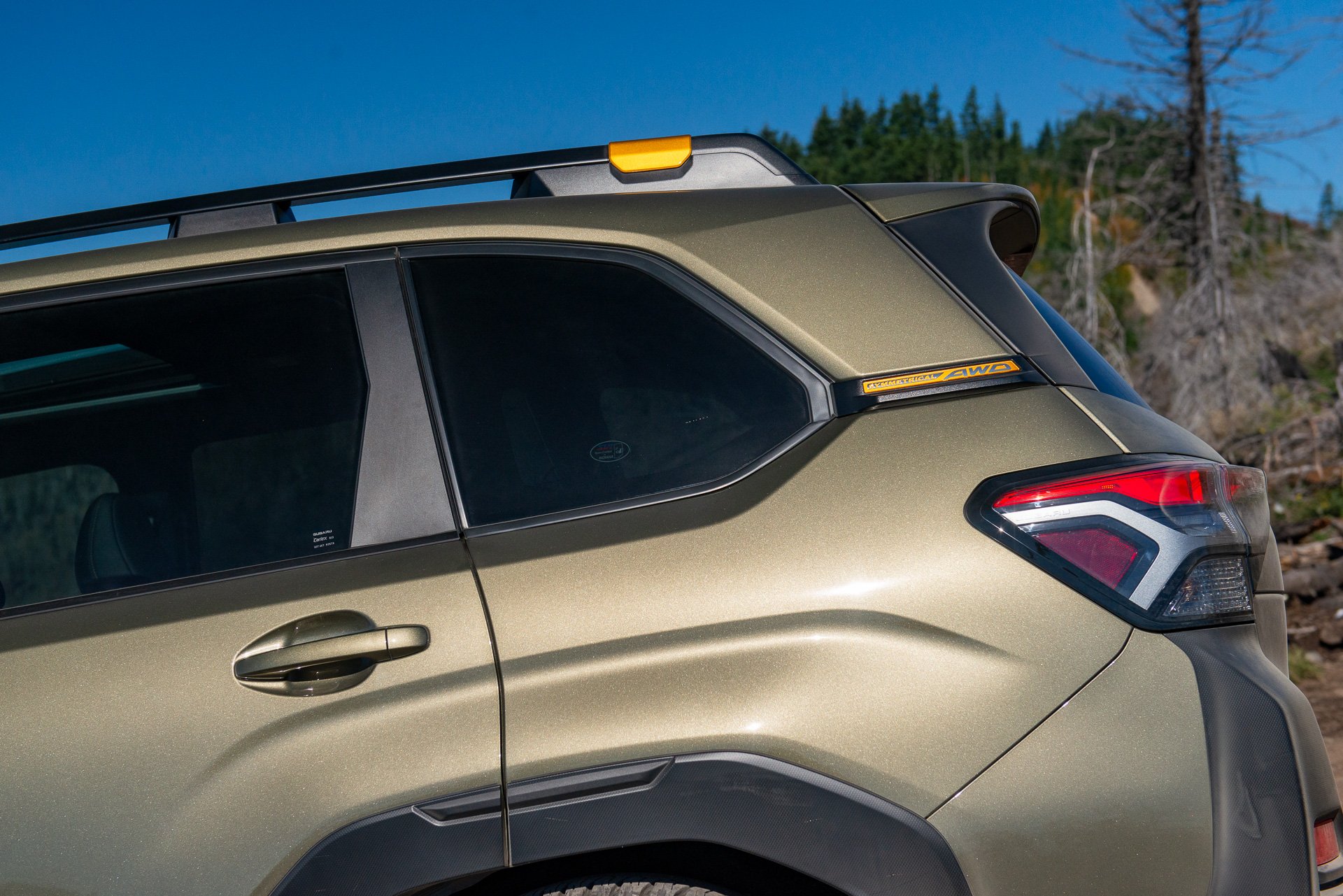
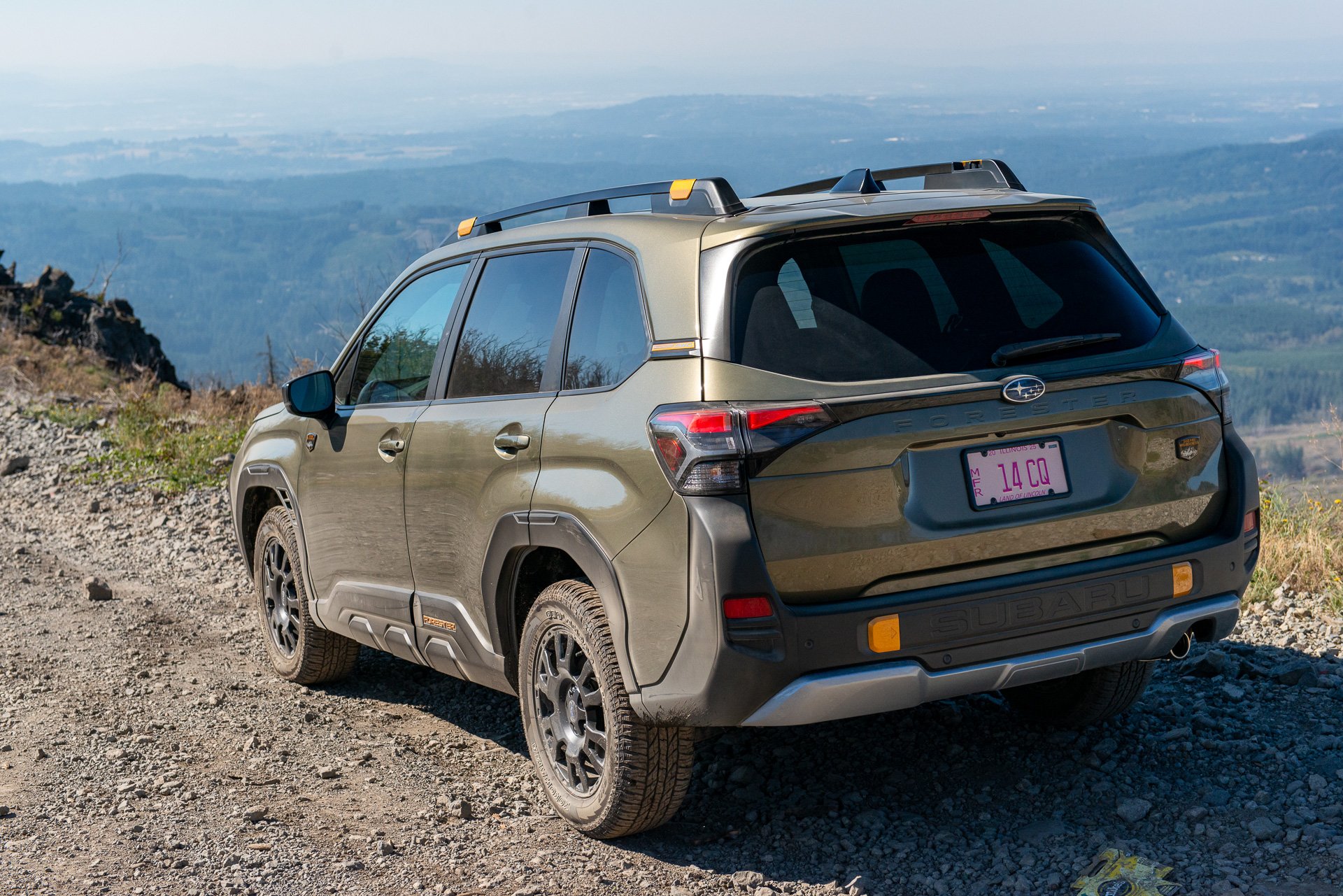
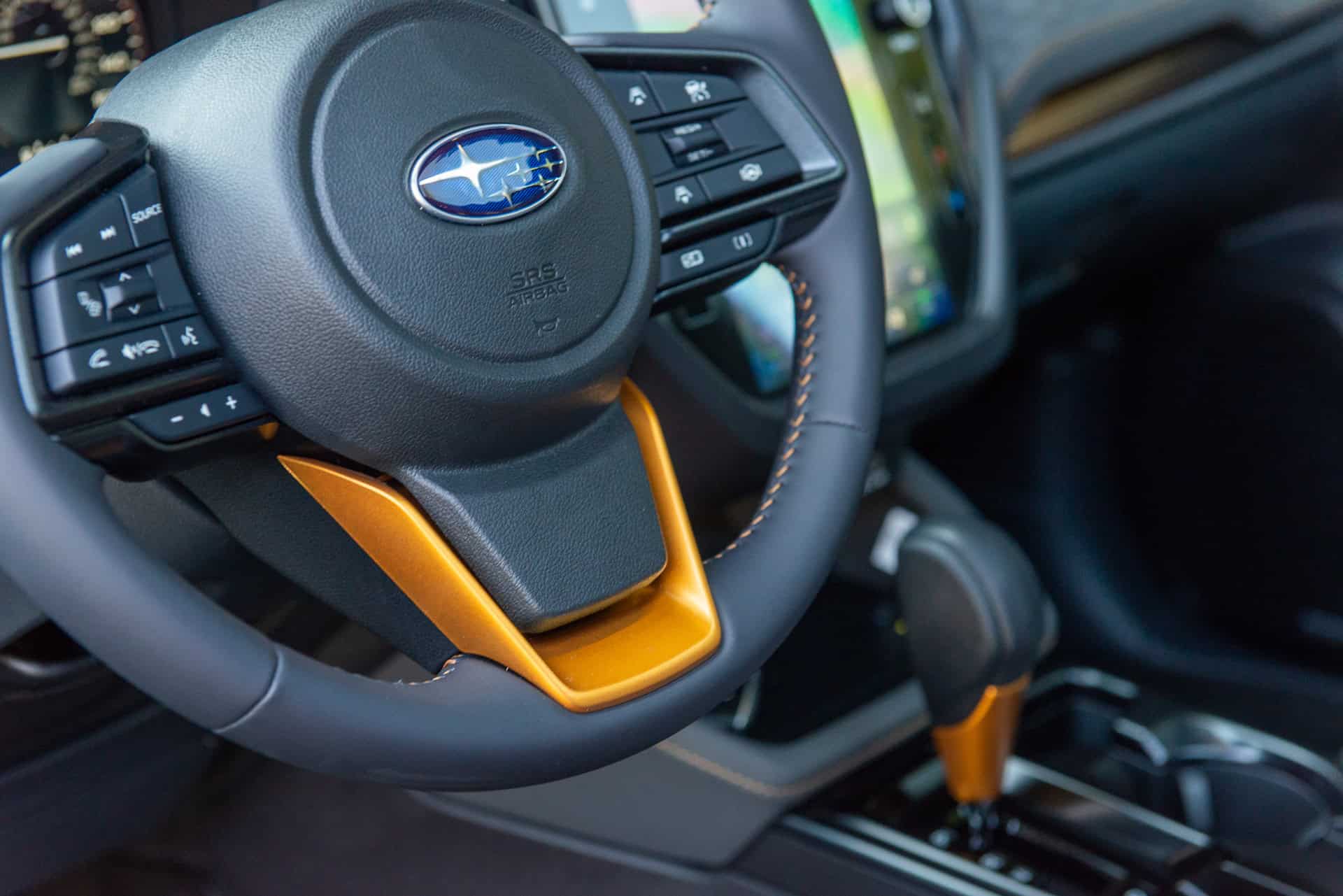
The quick giveaway you’re looking at a Subaru Wilderness model (Outback, Forester, or Crosstrek) is all those anodized copper accents scattered about, from the Wilderness-specific hexagonal grill to the raised ladder-type roof rails up top with an impressive 800-pound static load rating with Forester Wilderness. Other exterior specs include the Wilderness-specific bumper, dual front and rear tow points, and redesigned side rocker protection and exclusive rear bumper. The hexagonal LED lights up front look sharp.
Takeaway

Pros
- Legit off-road upgrades
- More durable, practical cabin
- Strong value versus rugged rivals
Cons
- Not a major redesign (and that’s ok)
- X-MODE buried in the screen
- Still not quick or premium
The 2026 Forester Wilderness doesn’t reinvent Subaru’s rugged compact SUV, and that’s the right call. The previous version already had the formula dialed in: proven all-wheel drive, useful trail hardware, real ground clearance, and everyday practicality that made it easy to live with. This update simply makes the Wilderness feel more complete.
The new platform adds refinement and rigidity, while the revised AWD system, shorter final-drive ratio, and upgraded transmission cooler improve off-road control and towing capability. Inside, Subaru made the smart stuff better too, with more durable materials, improved storage, available digital gauges, and weather-ready touches that matter when you’re hauling wet gear, kids, dogs, or all three. As a compact SUV built for both family duty and real off-pavement weekends, the Forester Wilderness remains one of the most convincing choices in the segment.