


For years, Lexus had a three-row problem. The old RX-L technically added extra seats, but it never felt like a true family-sized luxury SUV. The 2024 Lexus TX fixes that. Bigger, roomier, and built around actual third-row usability, the TX gives Lexus shoppers the spacious three-row crossover many had been waiting for.
Unlike the more rugged GX and LX, the TX rides on a unibody platform shared with the Toyota Grand Highlander. That makes it more urban, more comfortable, and better suited to families who want space, refinement, and easy daily usability rather than serious off-road ability. As the upscale cousin of the Toyota Grand Highlander, the TX brings more refinement and three powertrain choices: the gas-powered TX 350, the hybrid TX 500h, and the plug-in hybrid TX 550h+.
Related – Is a Lexus TX Worth More Than a High-Spec Toyota Grand Highlander?

In this 2024 Lexus TX review, we cover:
- Interior space and third-row comfort
- Cargo room with all seats in use
- TX 350, TX 500h, and TX 550h+ powertrains
- Fuel economy in mpg and L/100 km
- Pricing in the US and Canada
- Driving impressions
- Interior equipment and tech
- Pros, cons, and final takeaway
The TX Finally Gives Lexus a Proper Three-Row SUV
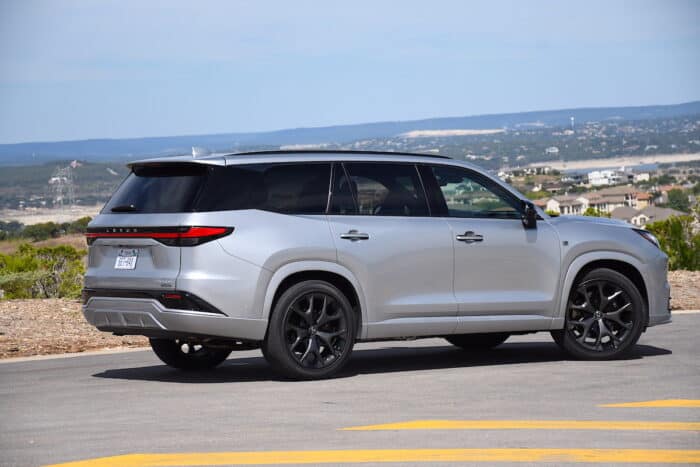
The most important thing to understand about the Lexus TX is that it is not trying to be another sporty luxury crossover. Its real job is simpler: give Lexus buyers a three-row SUV with genuine passenger space, real cargo room, and the comfort expected from the brand. That is why the TX feels like such an important addition. It effectively replaces the compromised RX-L, which never offered the kind of third-row room or cargo volume families expect from a vehicle this size. The TX is longer, more spacious, and far better suited to buyers who regularly use all three rows. The result is a Lexus that feels less like a stretched midsize crossover and more like a true luxury family hauler.
Exterior Styling: Distinctive Up Front, Cleaner Out Back

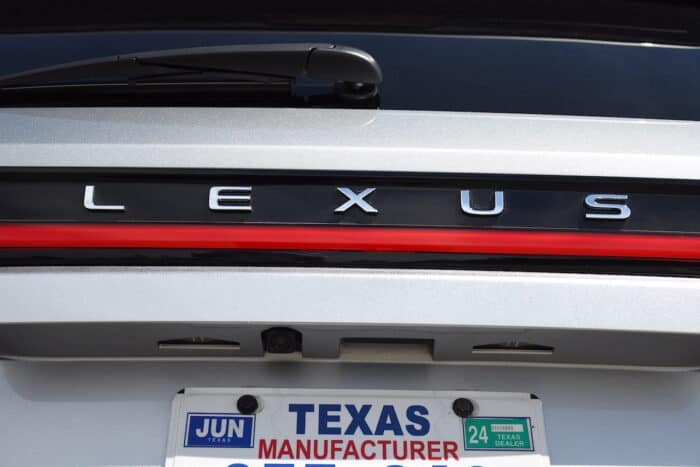
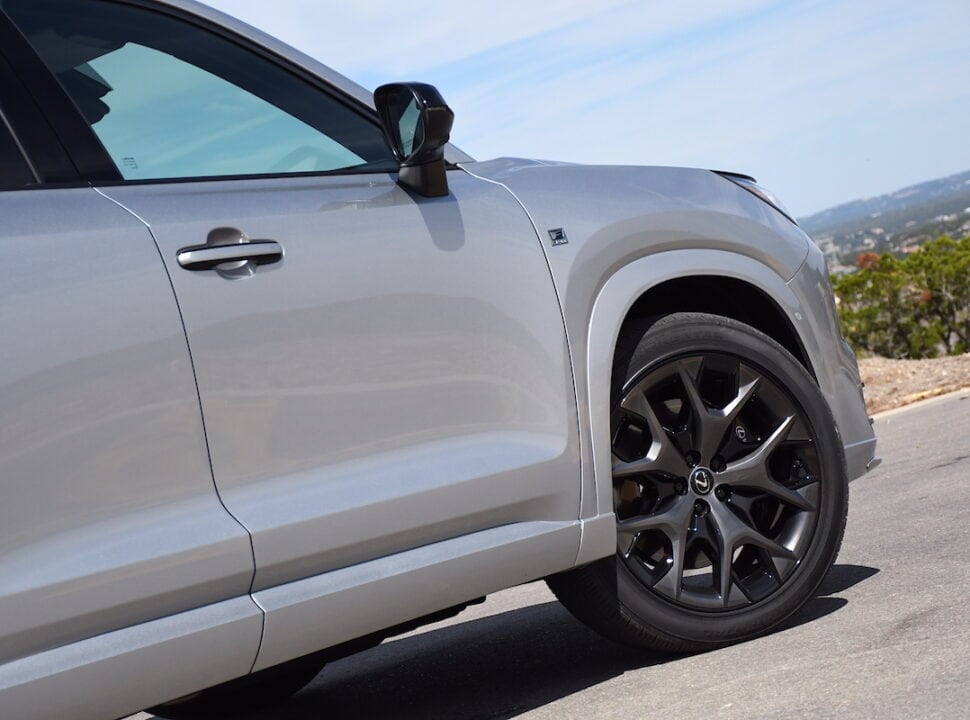
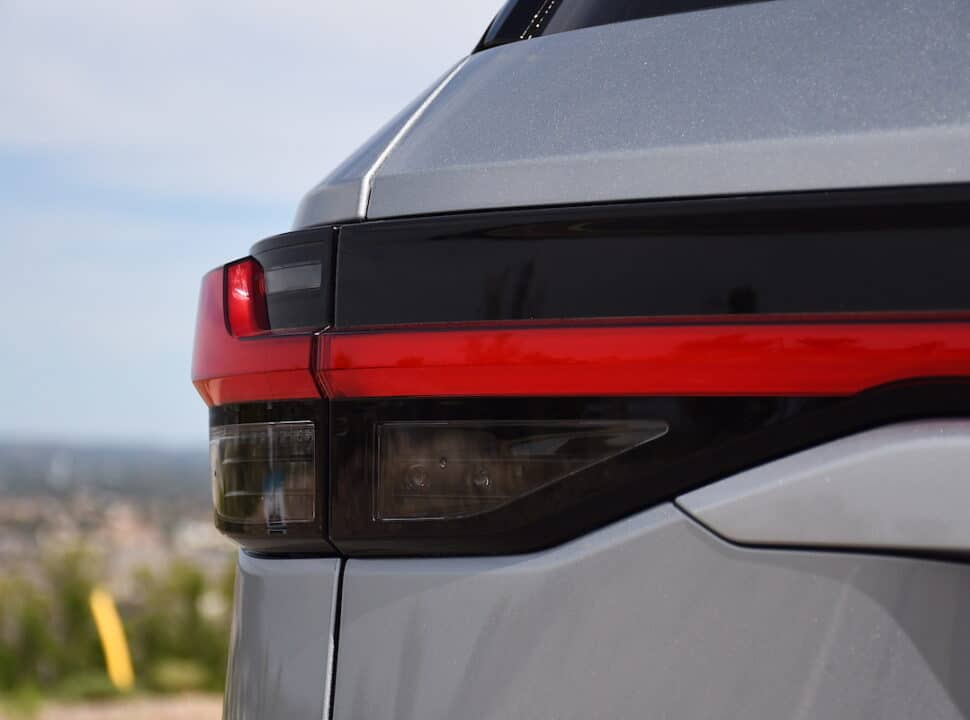
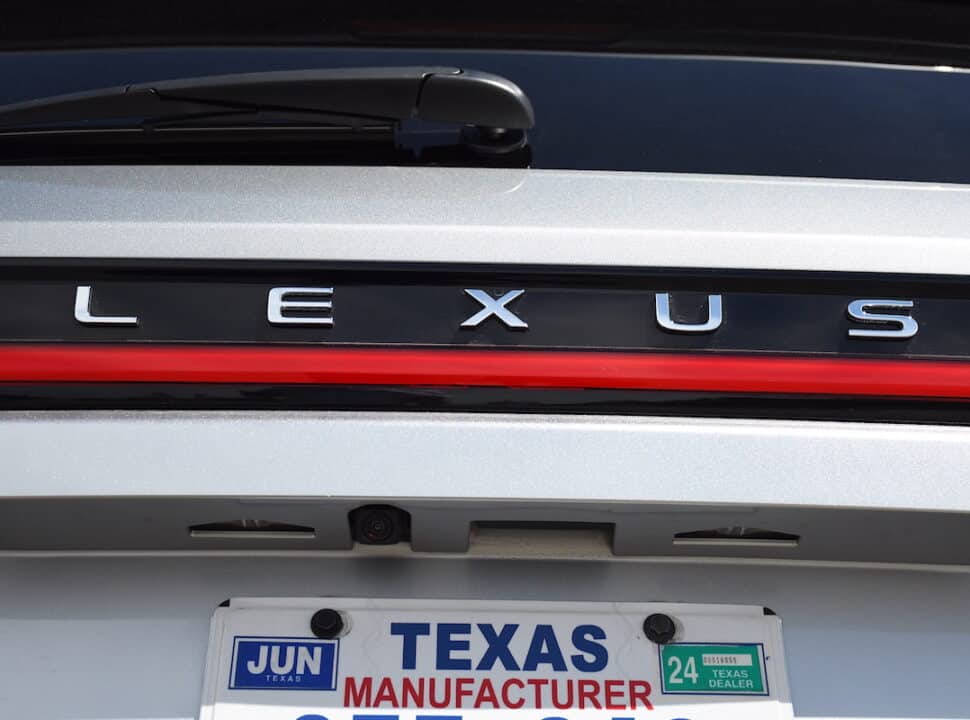
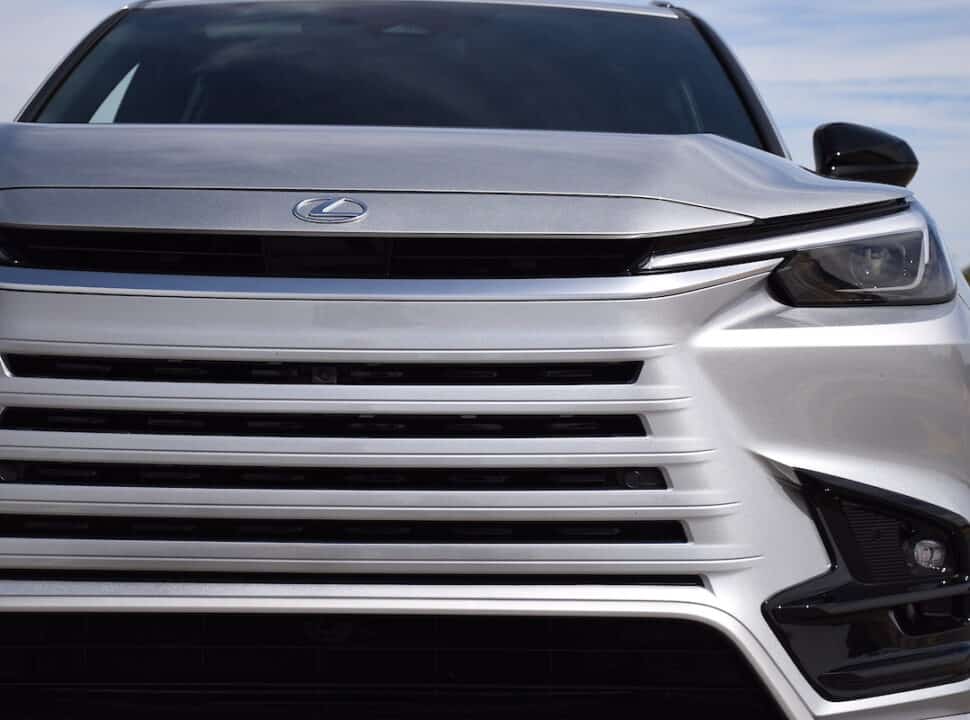
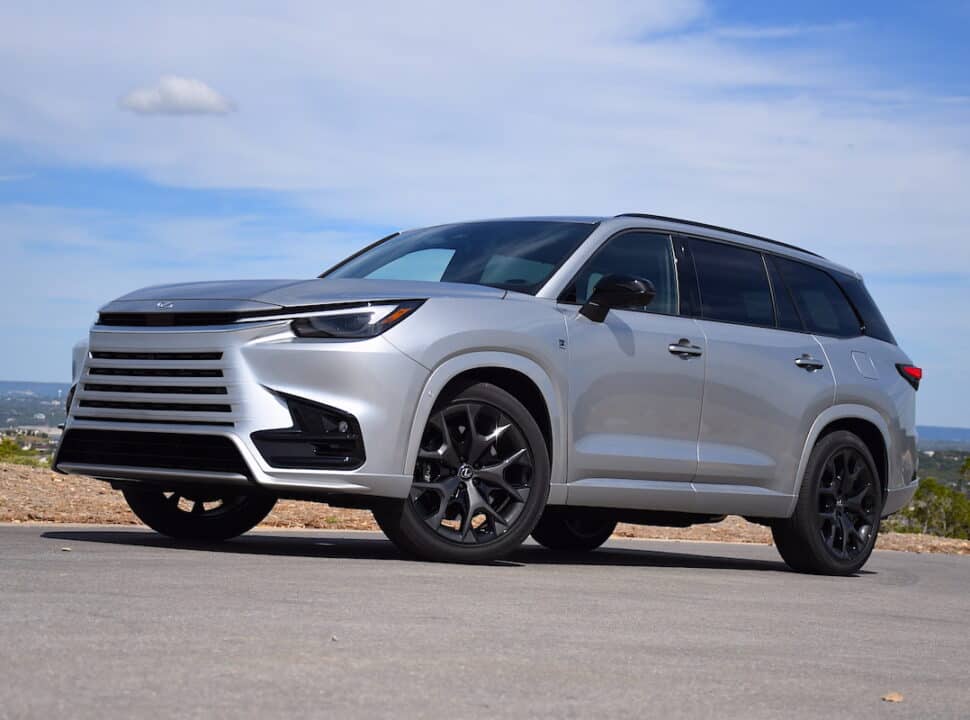
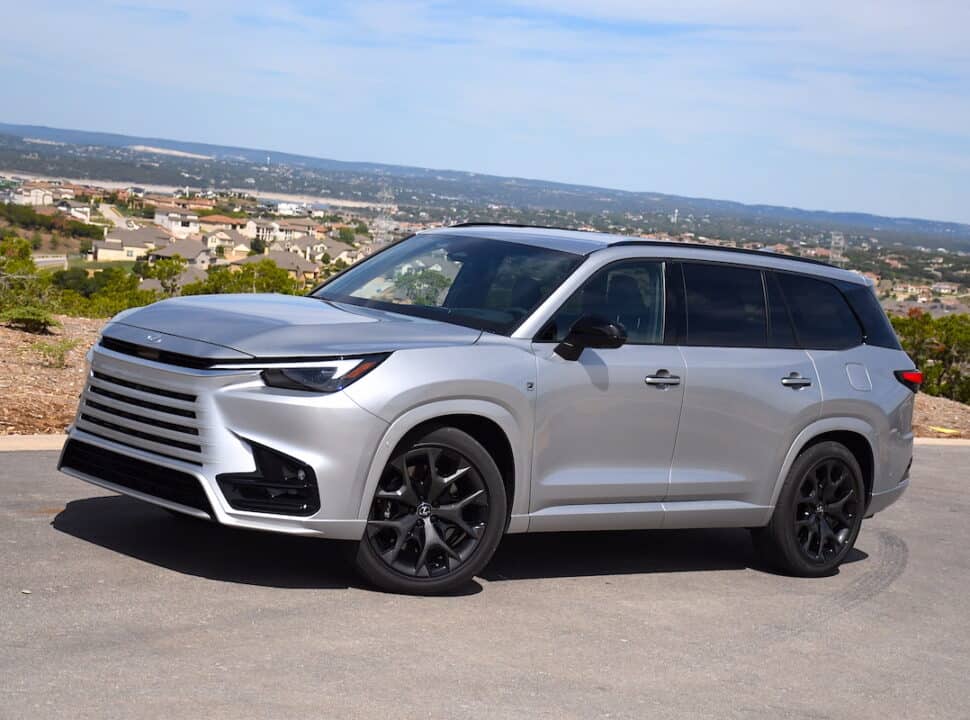
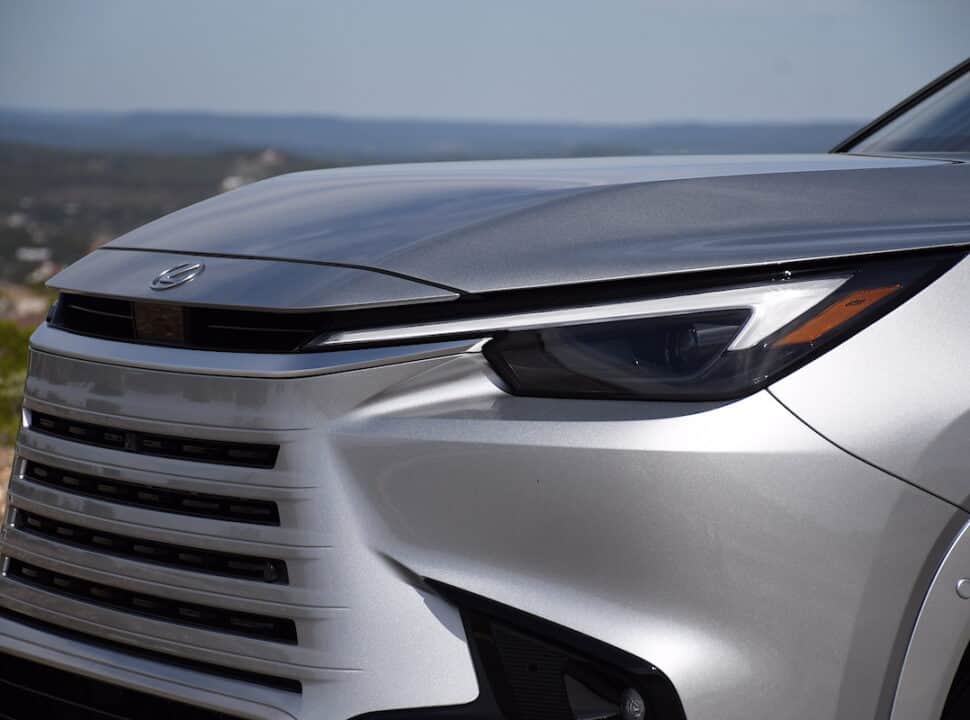
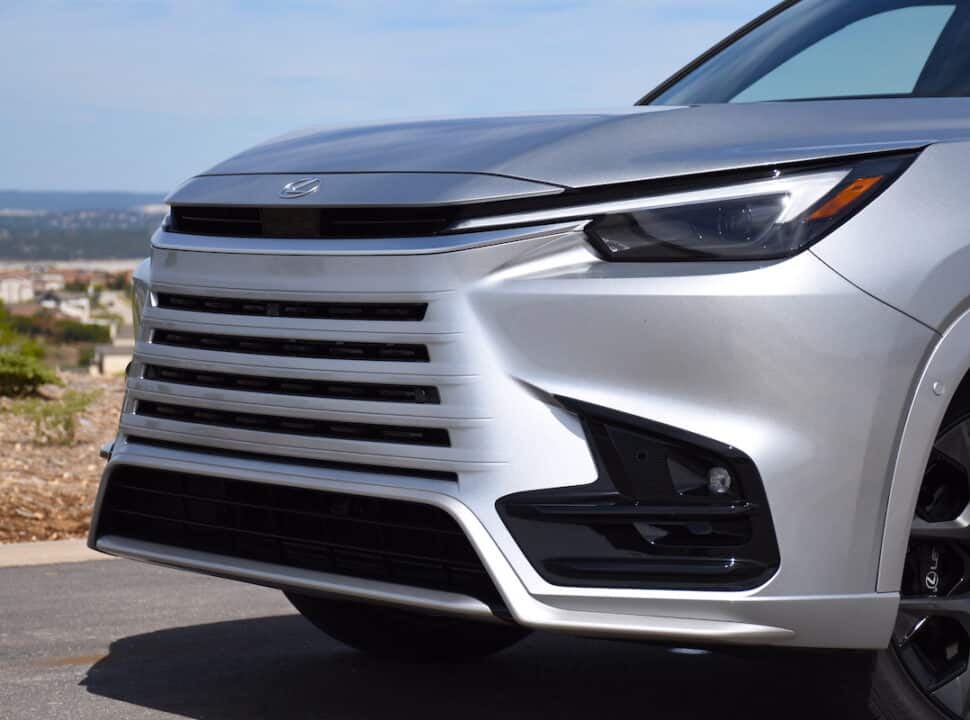
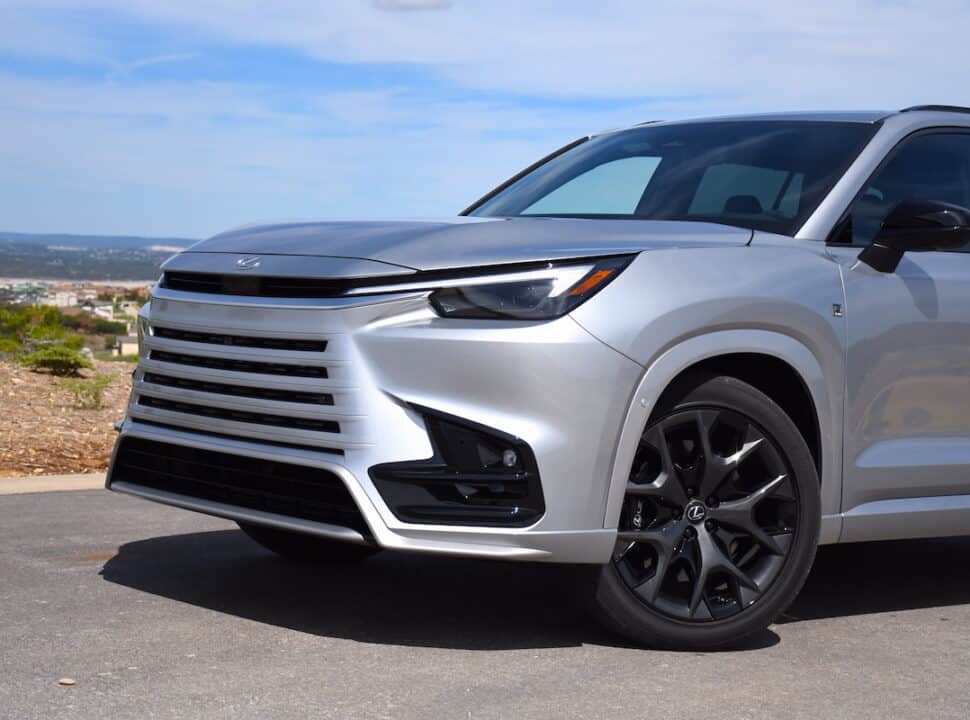
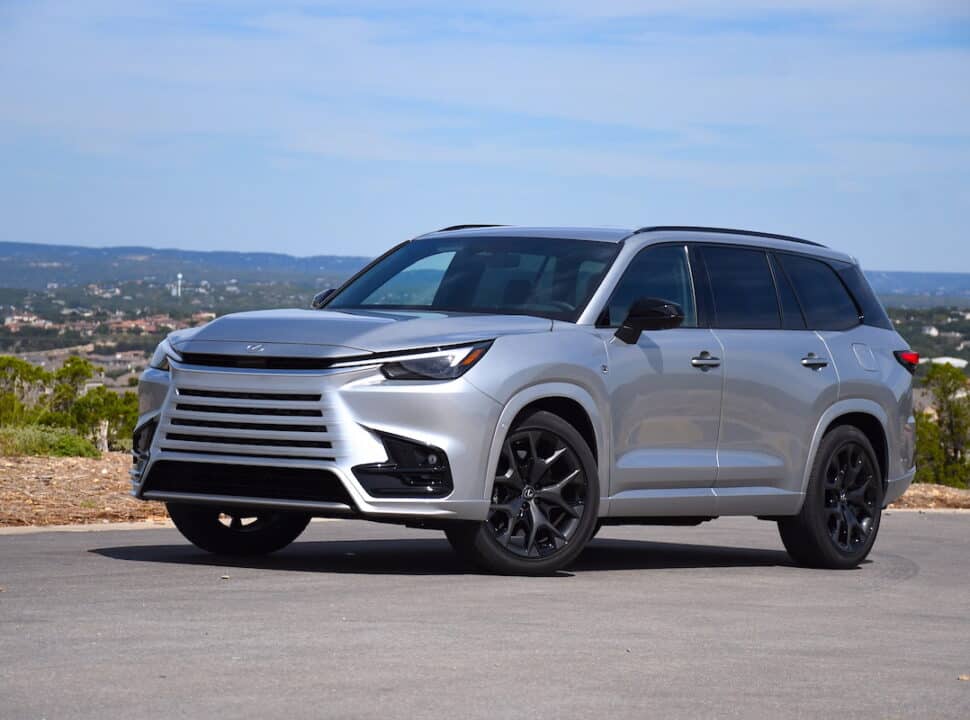
Recognizing the TX will not be difficult, mainly because of its front end. Lexus continues to reinterpret its spindle grille design, and on the TX it makes a bold first impression. It will not please everyone, but it does give the SUV a clear identity. The rest of the exterior is more traditional. The blacked-out D-pillar helps create a floating-roof effect, while the rear design is cleaner and arguably more attractive. The full-width taillights and Lexus lettering across the hatch add a polished touch, and the available 20- and 22-inch wheels help give the TX a more premium stance.
Related – Should You Buy the 2026 Buick Enclave Instead of a Lexus TX?
Interior Space Is the Real Luxury Here

The TX’s cabin is where this SUV starts to make the most sense. Lexus focused heavily on space and comfort, and that shows in the passenger layout. The TX offers a more spacious and easier-to-access third row than the old RX-L, making it a much better fit for families who actually need to carry six or seven people. The cabin also feels properly upscale, with high-quality materials, precise assembly, and the kind of quiet, comfortable environment Lexus buyers expect. It may not be the flashiest interior in the segment, but it delivers where it matters most: room, comfort, and usability.

Third Row and Cargo Space
Cargo room is another major TX strength. With all seats folded, Lexus claims 2,747 litres of cargo volume, which puts it ahead of direct rivals like the Acura MDX and Infiniti QX60. More importantly, the TX still offers useful space behind the third row, something many three-row SUVs struggle with.
| Spec | TX 350, TX 500h, TX 550h+ |
|---|---|
| Cargo space behind the third row | 20.1 cubic feet (569 L) |
| Cargo space with third row folded flat | 57.4 cubic feet (1,625 L) |
| Cargo space with second row folded flat | 97 cubic feet (2,747 L) |
Three Powertrains, From Practical to Plug-In Hybrid

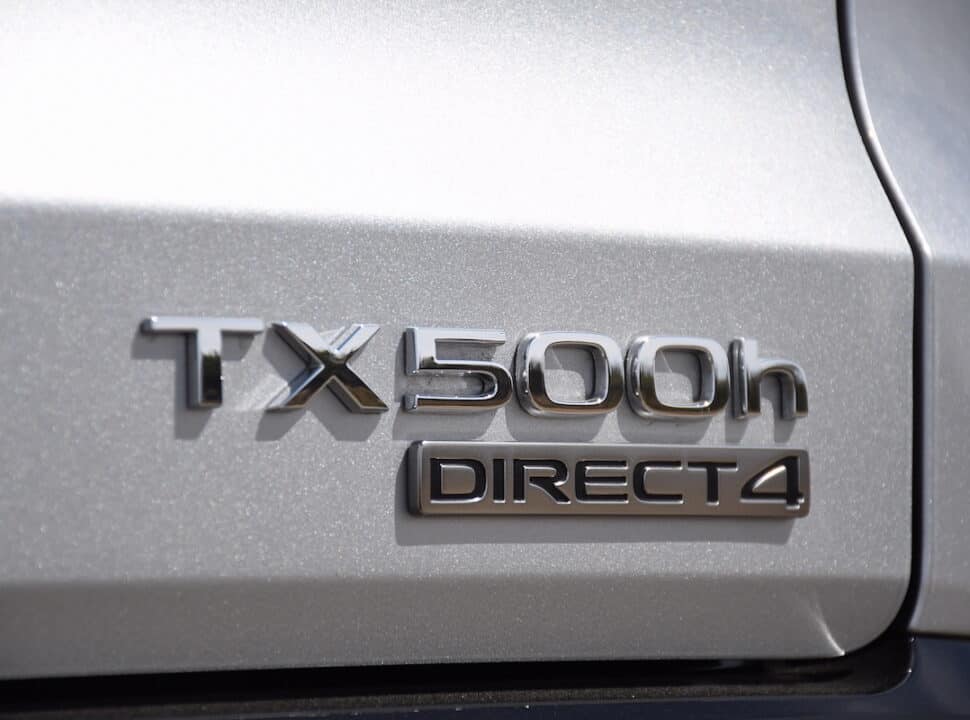
Lexus offers the TX with three different powertrains. The TX 350 uses a 2.4L turbocharged four-cylinder engine with 275 horsepower and 317 lb-ft of torque, paired with an 8-speed automatic transmission. The TX 500h uses the same basic engine but adds hybrid assistance from two electric motors. Total output rises to 366 horsepower and 409 lb-ft of torque. This version also gets a 6-speed automatic transmission and Lexus’s Direct4 all-wheel-drive system, which can vary torque distribution from 100:0 front/rear to 20:80.
The TX 550h+ plug-in hybrid sits at the top of the lineup. It uses a 3.5L V6 plug-in hybrid system with 406 horsepower and a manufacturer-estimated 53 km of electric driving range.
Lexus TX Powertrain Specs
| Model | Engine | Power | Torque | Transmission | Drivetrain |
|---|---|---|---|---|---|
| TX 350 | 2.4L Turbo Gas | 275 hp | 317 lb-ft | 8-speed automatic | FWD/AWD |
| TX 500h | 2.4L Turbo Hybrid | 366 hp | 409 lb-ft | 6-speed automatic | Direct4 AWD |
| TX 550h+ | 3.5L V6 Plug-In Hybrid | 406 hp | Not provided | CVT | Direct4 AWD |
Driving the TX: Comfort Comes First

I drove the TX 350 and TX 500h variants, though not the TX 550h+ due to scheduling constraints. In both versions, the TX delivers the qualities expected from a Lexus: a smooth ride, excellent soundproofing, strong comfort, and a reassuring driving experience. The TX 350 offers enough power for normal driving, but the TX 500h is the more satisfying choice overall. Its hybrid setup gives the big SUV stronger response, and the added output helps it feel better matched to the TX’s size and weight.
“The TX is not a sporty SUV, but it is a very good one when driven the way most families will actually use it.”
Push the TX too hard and its weight becomes obvious, especially in the hybrid version, which weighs nearly 5,000 pounds. This is not the kind of SUV that encourages aggressive driving. Instead, it feels best when driven smoothly, where its comfort, refinement, and quietness can shine. The TX 500h also benefits from rear-wheel steering, which helps make the vehicle feel more manageable at low speeds and in tight spaces. That matters in a three-row SUV likely to spend plenty of time in parking lots, school zones, and city traffic.
Related – SUV Comparo: The Toyota Grand Highlander Vs. Lexus TX
Lexus TX Fuel Economy
Fuel economy depends heavily on which TX model you choose. The TX 350 AWD is rated at 23 mpg combined, while the TX 500h improves that to 27 mpg combined. The TX 550h+ plug-in hybrid is rated at 29 mpg combined and offers an estimated 53 km of electric range.
TX 350 AWD Fuel Economy
| Spec | MPG | L/100 km |
|---|---|---|
| City | 20 mpg | 11.5 L/100 km |
| Highway | 26 mpg | 8.9 L/100 km |
| Combined | 23 mpg | 10.3 L/100 km |
TX 500h AWD Fuel Economy
| Spec | MPG | L/100 km |
|---|---|---|
| City | 27 mpg | 8.7 L/100 km |
| Highway | 28 mpg | 8.4 L/100 km |
| Combined | 27 mpg | 8.6 L/100 km |
TX 550h+ AWD Fuel Economy
| Spec | MPG | L/100 km |
|---|---|---|
| City | 29 mpg | 8.1 L/100 km |
| Highway | 28 mpg | 8.4 L/100 km |
| Combined | 29 mpg with 33 mi EV range | 8.1 L/100 km with 53 km EV range |
2024 Lexus TX Pricing in the US and Canada

At launch, the TX 350 started at $55,050 in the United States and $68,750 in Canada. The TX 500h F Sport started at $69,350 in the US, while Canadian TX 500h models were offered as F Sport Performance 2 and F Sport Performance 3 trims. The TX 550h+ plug-in hybrid was scheduled to arrive later in the model year, with final pricing announced closer to its dealer arrival.
US Pricing
| Model | Starting MSRP (USD) |
|---|---|
| TX 350 FWD | $55,050 |
| TX 350 Premium FWD | $58,450 |
| TX 350 Luxury FWD | $60,950 |
| TX 350 AWD | $56,650 |
| TX 350 Premium AWD | $60,050 |
| TX 350 Luxury AWD | $62,550 |
| TX 500h F Sport | $69,350 |
| TX 500h Performance Premium AWD | $72,650 |
| TX 500h Performance Luxury AWD | $78,500 |
Canada Pricing
| Model | Starting MSRP (CAD) |
|---|---|
| TX 350 Luxury | $68,750 |
| TX 350 Ultra Luxury | $71,500 |
| TX 350 Executive (7 passengers) | $79,500 |
| TX 350 Executive (6 passengers) | $80,250 |
| TX 500h F Sport Performance 2 | $84,200 |
| TX 500h F Sport Performance 3 | $90,200 |
Cabin Tech and Equipment
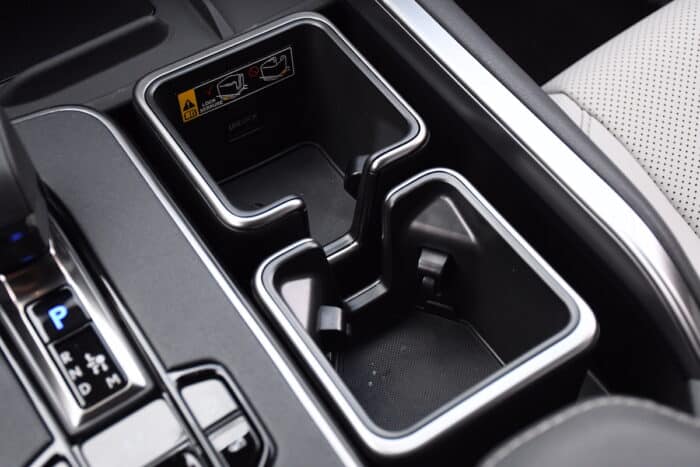

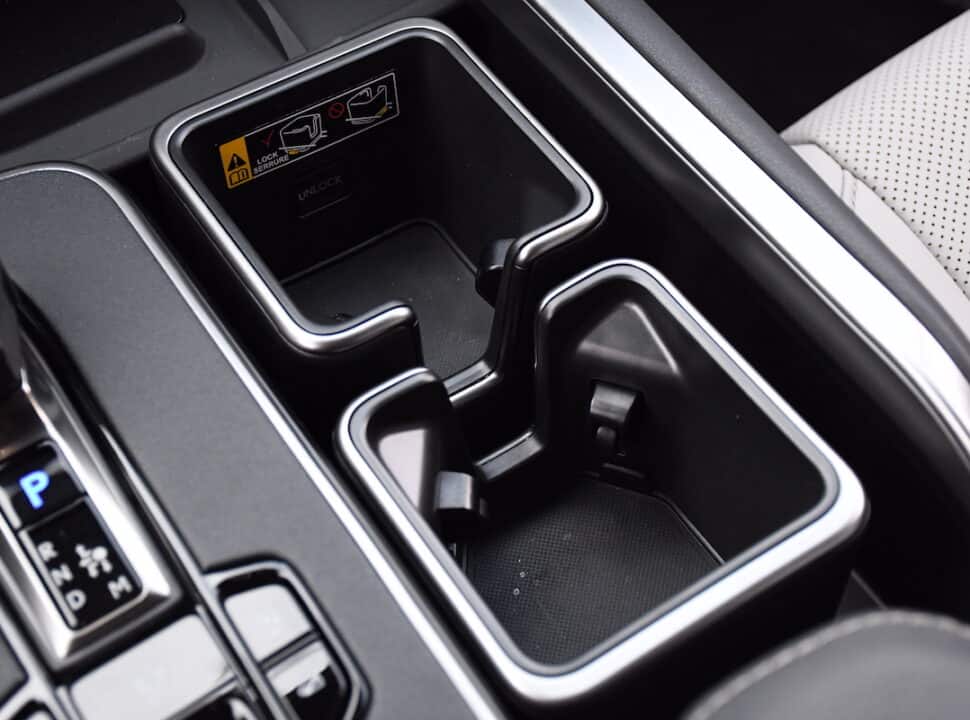
The TX offers a seven-seat layout in its base configuration and comes with a strong list of family-friendly luxury features. Depending on trim, equipment includes a 12-speaker audio system, panoramic roof, heated and ventilated front seats, heated second-row seats, and Lexus’s 14.4-inch multimedia screen.
The Ultra Luxury version adds a 12.7-inch driver information display and ambient lighting. Higher trims add features such as a Mark Levinson 21-speaker audio system, head-up display, and additional safety equipment. The Executive version can also be configured with six seats, including heated and ventilated second-row captain’s chairs. That setup feels more premium, but it also means giving up the seven-passenger configuration.
One key limitation is with the TX 500h. The hybrid F Sport model gets unique styling, adaptive variable suspension, and rear-wheel steering, but it is only available with a six-seat interior. That may be a drawback for families who need the extra seating position.
Takeaway: The TX Is the Lexus Three-Row SUV Families Needed
















Pros
- Excellent ride comfort and cabin refinement
- Real third-row space and useful cargo room
- Three powertrain choices, including hybrid and plug-in hybrid options
Cons
- TX 500h is only available with six seats
- Front-end styling will not appeal to everyone
- Pricing climbs quickly on higher trims
The 2024 Lexus TX is not the most exciting SUV in the segment, and it is not trying to be. Its strength is that it finally gives Lexus a proper three-row family SUV with real passenger space, useful cargo room, strong comfort, and multiple powertrain choices. The TX 350 makes the most sense for buyers who want a comfortable luxury family hauler, while the TX 500h adds stronger performance and a more interesting driving feel. The TX 550h+ brings plug-in hybrid capability for shoppers who want electric range without giving up three-row practicality.
For buyers who liked the idea of the RX-L but needed more space, the TX is the answer. It is bigger, more useful, and better aligned with what families expect from a modern three-row luxury SUV.