
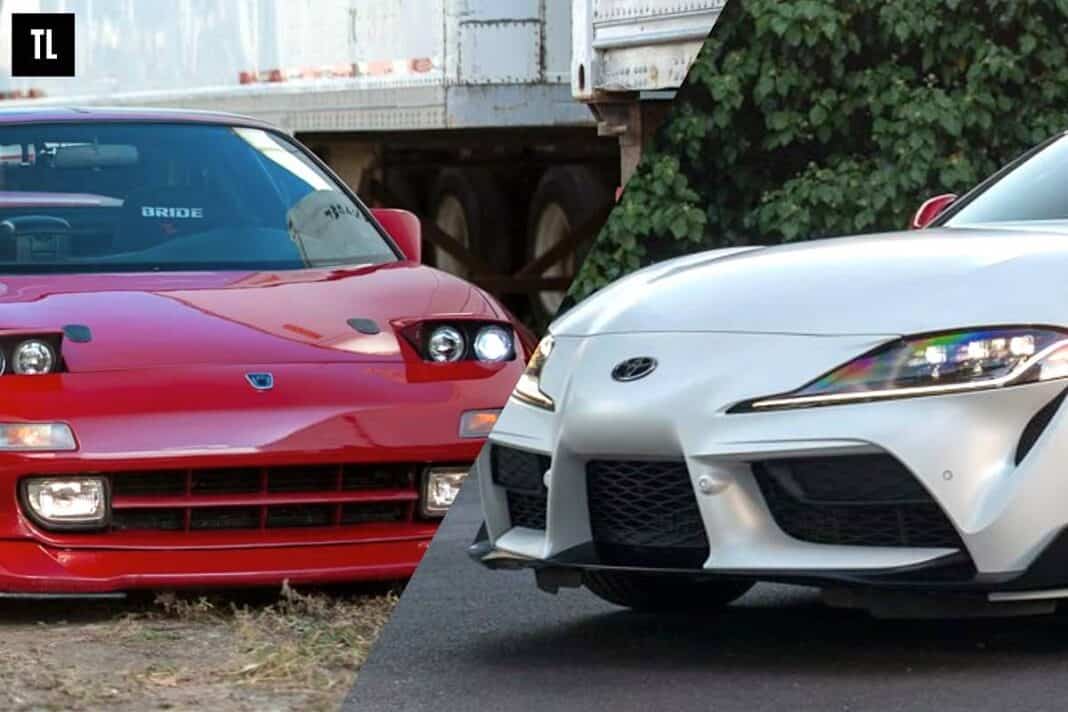
In 2017, when Akio Toyoda declared “no more boring cars” he actually meant it. The new breed of Toyotas didn’t just look good, they were fun to drive. No longer just appliances but real desirable objects bought with the heart and not just the brain. The Corolla hatchback remains one of the best-looking Corollas to have ever turned a wheel, and Toyota’s entire GR line is one of the best attainable sports cars you can buy today.
Toyota’s transformation was swift and efficient, but we shouldn’t forget that they’ve always made great sports cars. To remind you, we’ve compiled a list of some of the old legends, but to start, we’ll run you through the epic GR Toyotas.
The GR Era: Toyota’s New Sports Cars
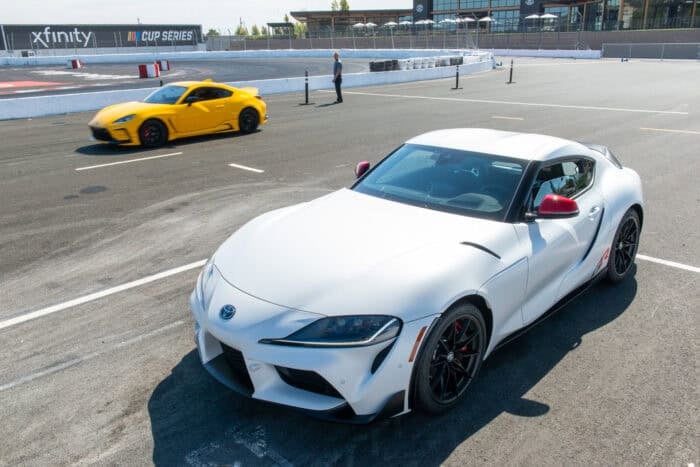
Toyota’s modern sports cars are built under the GR badge: faster, sharper, and developed with a clear focus on driving feel. Here’s what defines the current era.
Toyota GR Supra
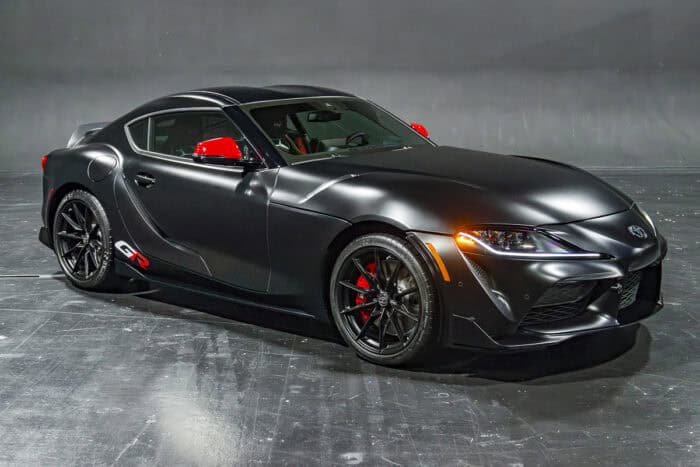
A controversial comeback that delivered
Not without a large dose of controversy, the GR Supra’s reception when it launched was anything but smooth thanks to its collaboration with BMW, which supplied the chassis, the mechanicals, and basically anything that wasn’t the body. There are excellent reasons for why Toyota went about it this way but we’re not going to get into that here.
Just know that the GR Supra is fantastic to drive. Twitchy, nervous, and blazing quick on straights or in the corners, its BMW-sourced B-58 3-litre inline-6 makes 382 hp and 369 lb-ft of torque and can be had with an 8-speed automatic or a 6-speed manual. It’s a beast of an engine in one hell of a sports car. There’s also a four-cylinder Supra, and it’s also good, but the full-meat Supra is the one we’d pick.
With production now winding down, Toyota has marked the end of this generation with a limited Final Edition we experienced at Sonoma…a reminder that even this controversial Supra has become something worth celebrating.
Toyota GR86
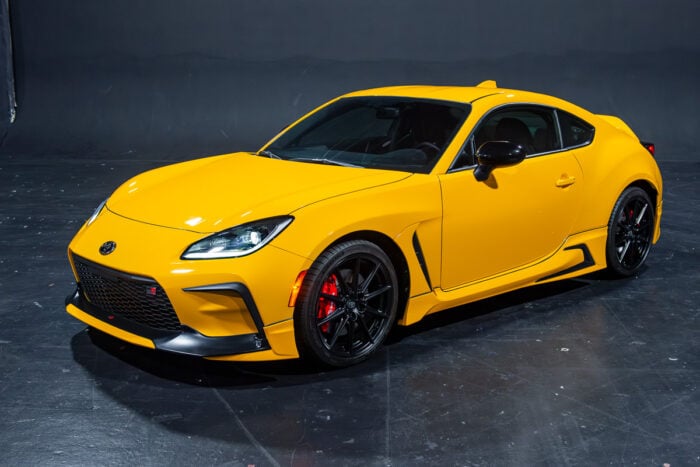
Pure driving, nothing else
Quite possibly one of the best sports cars at any price point, the second-generation GR86 shows the world that fun-to-drive cars can be affordable. The new Yuzu Edition takes it further. The GR86 is a tiny rear-wheel drive car, weighing in at just 1275 kg with the 6-speed manual. There’s an automatic option, but this car was designed to be driven with a manual, so we won’t talk about it.
Because it’s so light, the GR86 doesn’t need a lot of power. Its 2.4-litre boxer engine makes 228 hp and 184 lb-ft of torque, significant improvements over the last generation. The GR86 is blessed with perfect steering, a great manual gearbox, and beautifully balanced handling. Starting at around $30K, it’s also a bargain.
Related – Subaru BRZ Vs. Toyota GR86: What Exactly Sets Them Apart?
Toyota GR Corolla
Rally DNA, everyday package
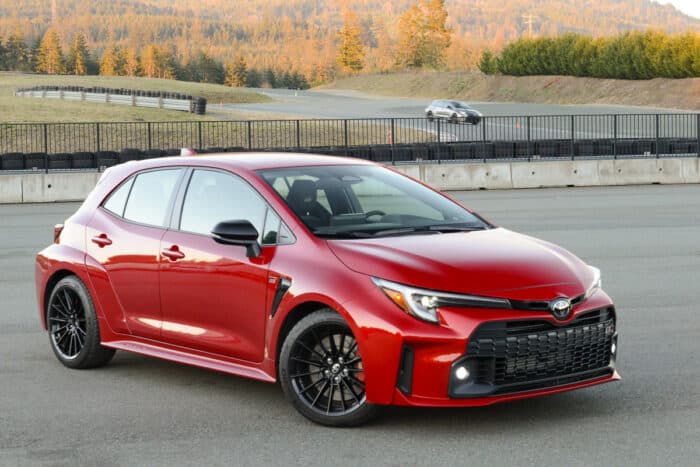
A consolation prize for North Americans, the GR Corolla, exists because we don’t get the rally-bred GR Yaris. It might be bigger and heavier than the Yaris, but it has more power. For Canadians, in particular, the GR Corolla Core trim gets more standard equipment, too. The GR Corolla makes a healthy 300 hp from a 1.6-L turbo 3-cylinder, and it has a unique all-wheel drive system with driver-selectable torque-split and front and rear Torsen limited-slip differentials.
This is a true bulldog of a Corolla with a punchy motor and loads of grip from its trick all-wheel drive system. A Circuit edition adds forged BBS wheels, a carbon-fibre roof, and a host of other sporty trim bits. A super-limited GR Corolla Morizo edition got even more torque (295 lb-ft), special shocks, shorter gearing, and the deletion of its rear seats in the name of weight savings. This track special is even fitted with wider Michelin Pilot Sport Cup 2 tires—serious rubber for a serious car. Since its launch, Toyota has refined the GR Corolla lineup and availability, but it remains one of the most focused hot hatches you can buy.
Related – 2023 Toyota GR Corolla Core Review
Toyota GR Yaris
The one we don’t get
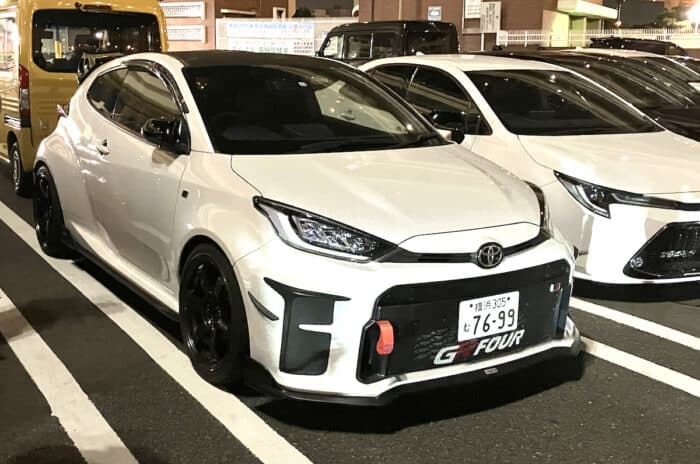
The GR Yaris was a true homologation rally special based on the sub-compact Yaris we no longer get here. This special Yaris was heavily modified and essentially a completely different car than what it was based on. It’s got the same engine as the GR Corolla but makes 257 hp and not 300. It’s lighter and smaller, and it has the same GR-Four all-wheel drive system as the Corolla. It’s a shame we don’t get it here, but the GR Corolla more than makes up for it.
The JDM Icons That Built Toyota’s Reputation
Before GR, Toyota built its reputation on lightweight, driver-focused cars that became legends in their own right. These are the icons that shaped everything that came after (and, frankly, we models scoop up today if we had a chance.)
Toyota MR2
Mid-engine magic on a budget
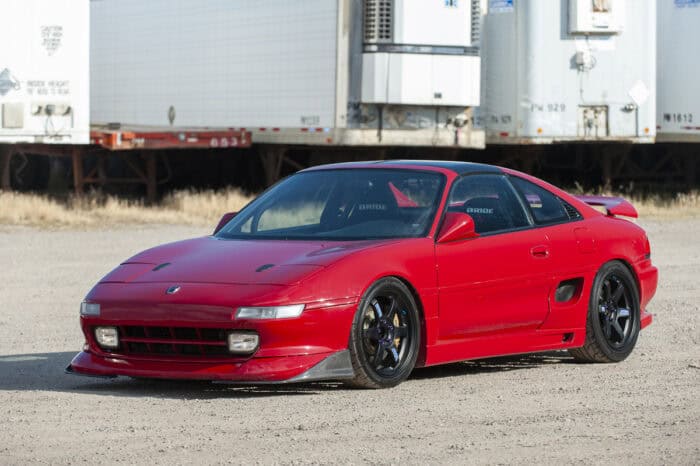
The MR2, launched in 1984, was a small mid-engine, two-seat sports car that was fun to drive but also economical to run and buy. The MR2 was produced through three successive generations before it was discontinued in 2007. The first generation was a product of its era, with popup headlights and a distinctive wedge shape that made it appear like a mini supercar.
It was made with existing Toyota parts to keep costs down and was Toyota’s first mid-engine vehicle. The 4A-GE 1.6-litre 4-cylinder made 122 hp and was enough to propel the little sports car to a top speed of 125 mph. Second-generation MR2s featured streamlined styling, more power, and a turbo version with 200 hp. The third-generation MR2 Spyder was convertible only and tried to take on the Miata but ultimately failed.
Related – Lost and Found: A Slammed 1991 Toyota MR2 Turbo
Toyota Soarer
Luxury meets performance
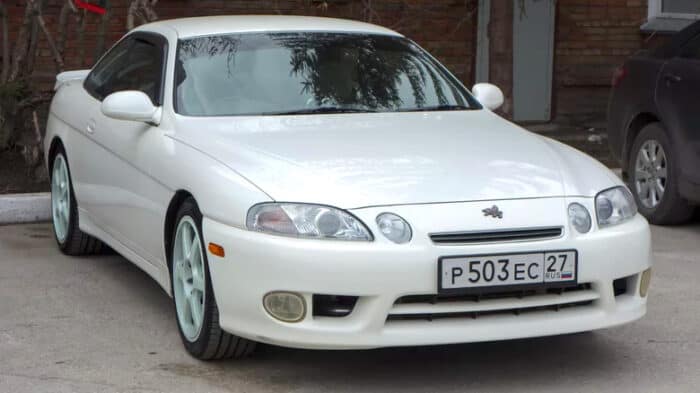
While we didn’t get the first two generations of the Toyota Soarer, a large grand touring-style coupe, we saw the third in the Lexus SC. Think of the Soarer as a luxury-focused version of the Toyota Supra, which it was based on. The Lexus SC 300 that we got in 1991 was even powered by the famous 2JZ engine from the Supra. The Soarers were highly advanced luxury coupes with sophisticated powertrains and suspension systems and debuted the world’s first electronically controlled air suspension.
Related – 2017 Lexus RC F Review: A Modern Japanese Muscle Car
Toyota Mk4 Supra
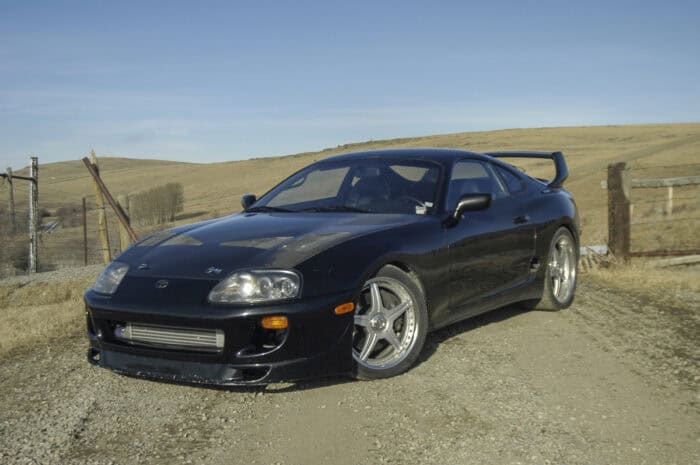
The legend that won’t fade
Quite possibly the most famous Toyota on this list, the Mk4 Supra gained even more notoriety after becoming the 9-second star in the first Fast and Furious movie. The original Supra sports car was based on the Toyota Celica but was longer and was equipped with a larger inline-6 engine instead of a 4-cylinder. Initially called the Celica Supra, the models would go their separate ways after the third-generation Supra was unveiled.
The Mk4 Supra Turbo was the most powerful, using the famous 2JZ twin-turbo straight-six and making 320 hp. It offered astounding performance for the time and could be considered a Japanese supercar. Values for the Mk4 Supra have skyrocketed over the years, and the car is a true JDM legend.
Toyota Celica
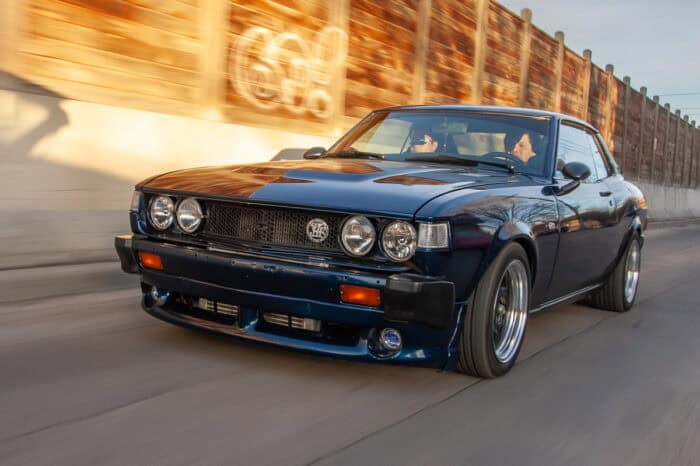
Toyota’s original sports coupe
The Celica first arrived in North America for the 1971 model year and was Japan’s response to the Ford Mustang. Like the Mustang the original Celica was a rear-wheel drive body-on-frame coupe. It was not until the fourth generation that the modern front-wheel drive interpretation was born and it marks the same time that the Celica and Supra diverged. The final generation of Celica was sold from 1999-2006 and wore radically different styling than its predecessors. The Celica GT-S was powered by the 2ZZ 4-cylinder that made 180 hp and went head-to-head with the Acura Integra GS-R.
Related – The Art of Boost: A Vintage Toyota Celica Done Right
Toyota AE86 Corolla Levin and Sprinter Trueno

The car that started it all
The legendary AE86 spirit still lives on in the Toyota GR86. The AE86 was a compact rear-wheel-drive coupe sold in Japan from 1983. If you were an Anime fan, you might remember Takumi Fujiwara using his father’s AE86 Sprinter Trueno to make tofu deliveries in the mountains and also use it for some intense downhill races. The AE86 was a lightweight, rear-wheel-drive coupe with an easy-to-modify 4-cylinder engine and was used by Keiichi Tsuchiya to popularize the now-ubiquitous sport of drifting. The AE86 is still one of the most popular cars in drifting circles today.