

Not every car ages well, but some just keep delivering. After spending time behind the wheel of these models across multiple years and trims, a clear pattern emerges: they’re easy to live with, rarely cause headaches, and continue to make sense long after the warranty is gone. So ditch the used crossover SUV for one of these cars that still make sense today.
Honda Civic (2016–2022)
10th Generation

The Good:
- Strong balance of reliability, efficiency, and everyday usability
- Turbo engines offer usable low-end torque without needing to rev
- Refined ride and interior that age well over time
The Bad:
- Early 1.5L turbo models had oil dilution concerns in certain conditions
- CVT models can feel dull compared with the manual-equipped trims
- Some infotainment systems can be laggy or frustrating to use
The Smart All-Rounder
The Civic has long been the easy answer in this segment, but this generation is where it starts to feel like more than just the safe choice. Across the everyday Touring sedan, the classic Si, and even the full-on Type R, the Civic balances maturity with just enough personality. The turbocharged engines deliver strong low-end torque that makes daily driving effortless, while the chassis still feels light and composed, with quick turn-in and a surprisingly engaging feel when pushed. Even in regular trims, the Civic feels more refined than you’d expect, with a quieter cabin and a more upscale interior that holds up over time. It’s not perfect (some models have quirks like rev hang or infotainment annoyances), but as a complete package, the Civic remains one of those rare compact cars that’s easy to live with long term and still enjoyable to drive.
Our Reviews:
- 2022 Honda Civic Hatchback Sport Touring (Manual) Review
- 2018 Honda Civic Type R Performance Review
- 2018 Honda Civic Si Coupe Review
- 2016 Honda Civic Touring Review
Toyota Camry (2015–2022)
7th & 8th Generation

The Good:
- Proven powertrains with a long track record of durability
- Comfortable, quiet ride that makes daily driving effortless
- Available V6 and hybrid options cover both performance and efficiency needs
The Bad:
- Still leans more comfort-first than genuinely sporty
- Four-cylinder models can feel sluggish compared with V6 and hybrid versions
- Older infotainment systems feel dated next to newer rivals
The No-Drama Midsize Sedan
From our time with multiple Camry generations—from the refined 2015 redesign to the more expressive 2018 model and even the surprising TRD variant pictured in our hero shot above in red—what stands out is how consistently easy this sedan is to live with. Likely why your mom and dad bought one…and still hitting up the local Walmart in it today. The focus has always been on comfort and composure, with a smooth, quiet ride that feels almost Lexus-like in hybrid form, while newer models bring a more planted chassis and improved handling without losing that core refinement. Powertrains are a big part of the appeal, whether it’s the efficient hybrid setup with strong low-end response or the 301-hp V6 that finally adds some real punch to the driving experience. It’s still not a true sport sedan (and doesn’t try to be), but over time, the Camry has evolved into a far more well-rounded car without sacrificing the reliability and low-drama ownership that made it a default choice in the first place. Plus, with all new 2025 Camrys going full-on hybrid, this is your chance to get a gas-powered version.
Our Reviews:
- First Drive: 2020 Toyota Camry TRD Review
- 2018 Toyota Camry SE Review
- 2018 Toyota Camry Hybrid SE Review
- 2015 Toyota Camry XSE Review
- First Drive: 2015 Toyota Camry Review
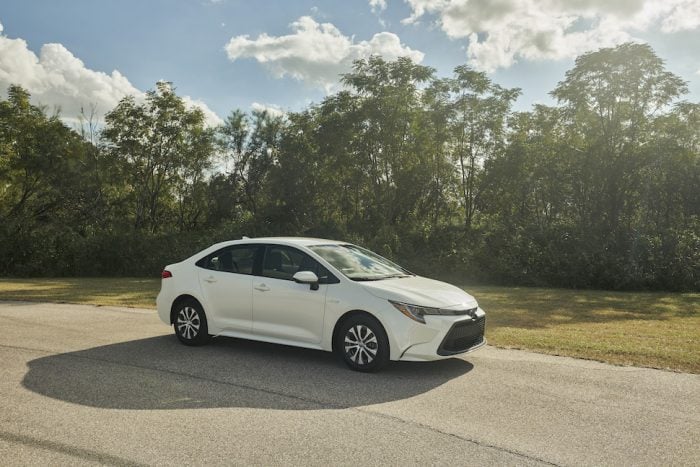
Toyota Corolla (2014–2022)
11th & 12th Generation
The Good:
- Simple, proven powertrains built for long-term durability
- Excellent fuel economy, especially in hybrid models
- Easy, no-fuss ownership experience
The Bad:
- Underpowered in non-hybrid trims, especially when merging or passing
- CVT can feel dull and unresponsive when pushed
- Interior quality in older models trails newer competitors
The Safe Bet Small Sedan That Delivers
The Corolla has never been about standing out, and that’s exactly why it works so well. And why Toyota turned it into a crossover. Across the sedan, hatchback, and hybrid versions, the focus stays on consistency and ease of ownership, delivering a driving experience that feels predictable in the best way. It’s the kind of car that just gets on with the job: smooth, efficient, and rarely demanding attention. Even as newer models brought sharper styling and improved tech, the core formula hasn’t changed: simple controls, light steering, and a relaxed nature that makes it easy to live with day to day. It’s not exciting, and it doesn’t try to be, but for buyers who want something dependable with minimal risk, the Corolla remains one of the safest bets in this entire list.
Our Reviews:
Honda Accord (2016–2021)
9th & 10th Generation

The Good:
- Spacious, refined cabin that feels a class above
- Strong turbocharged engines with excellent real-world torque
- Well-balanced ride and handling for daily driving
The Bad:
- Push-button shifter can feel unintuitive at first
- Infotainment system can be glitchy or slow in some trims
- Early 1.5L turbo engines have had reported long-term concerns
The Grown-Up Upgrade
The Accord feels like the step up you didn’t realize you needed until you spend time in it. It’s larger, quieter, and more refined than most midsize sedans, yet it still manages to feel composed and confident on the road. Whether it’s the efficient hybrid, the balanced 1.5T, or the more powerful 2.0T, there’s a sense that everything has been dialed in for everyday usability: smooth power delivery, a comfortable ride, and a cabin that simply works. Over time, this generation evolved into one of the most complete packages in the segment. It’s not flashy, but it delivers a level of polish and ease that makes it very easy to recommend.
Our Reviews:
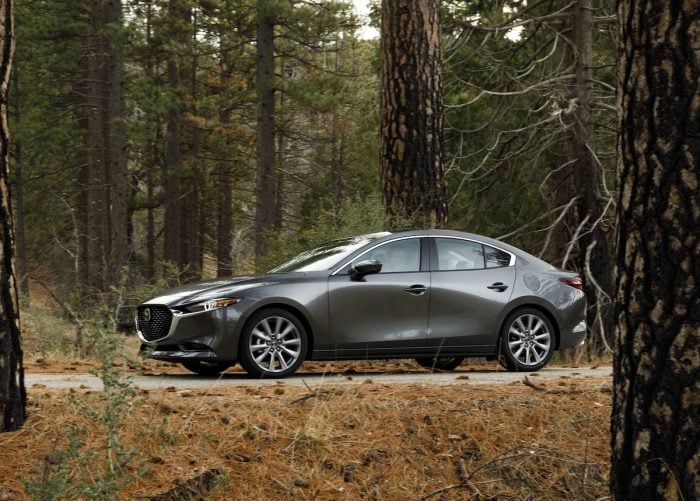
Mazda3 (2014–2021)
3rd & 4th Generation
The Good:
- Engaging steering and handling that stand out in the segment
- Upscale interior design and materials, especially in newer models
- Available AWD and turbocharged engine add real depth to the lineup
The Bad:
- Rear seat space is tighter than most competitors
- Ride can feel firm over rough roads
- Infotainment system relies on rotary control, which takes time to get used to
The Driver’s Compact Car
The Mazda3 immediately feels different from the typical compact sedan, and that’s intentional. Instead of chasing pure practicality, it leans into driving feel, with steering that’s more connected and a chassis that feels composed even when pushed. Over time, Mazda also pushed the interior upmarket, giving later models a cleaner design and better materials that edge closer to entry-level luxury than mainstream rivals. It’s not the most spacious option, and it asks you to accept a slightly firmer ride, but in return, it delivers something most cars in this segment don’t anymore: a sense that driving still matters.
Our Reviews:
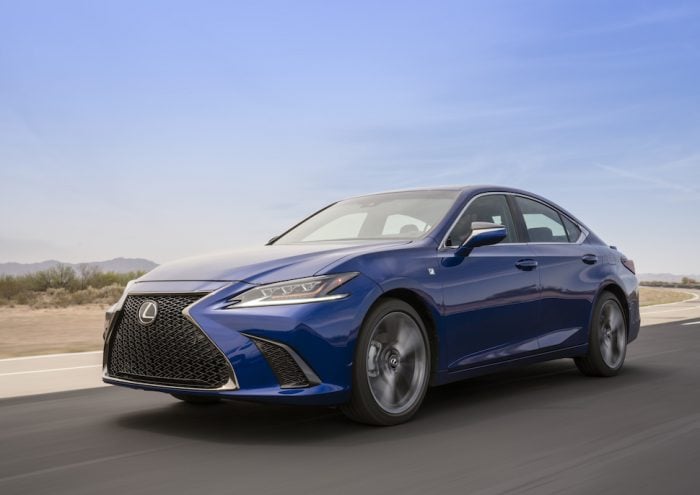
Lexus ES (2013–2020)
6th & 7th Generation
The Good:
- Exceptionally smooth and quiet ride quality
- Proven V6 and hybrid powertrains with strong long-term reliability
- Comfortable, well-built interior designed for long-distance driving
The Bad:
- Not engaging to drive compared to rivals
- Front-wheel-drive layout limits performance feel
- Older infotainment systems can feel clunky and dated
The Quiet Luxury Car Play
The ES takes a very different approach from most cars in this list, prioritizing comfort above everything else. It’s built to isolate you from the road, with a soft ride, quiet cabin, and a powertrain that delivers its performance in a smooth, almost effortless way. Commuting or spending hours on the highway, it’s the kind of car that reduces fatigue rather than adding to it. It’s not meant to be sporty, and it doesn’t pretend to be, but that’s part of the appeal. For buyers who want something dependable, refined, and easy to live with long term, the ES delivers a near-luxury experience without unnecessary complexity.
Review: 2019 Lexus ES 350 Review
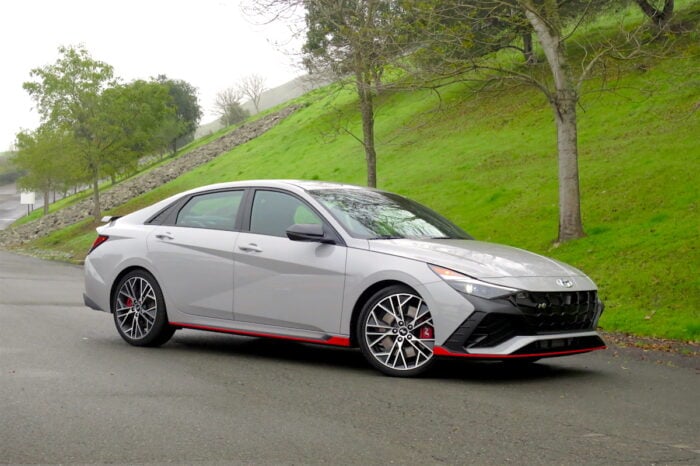
Hyundai Elantra (2017–2022)
6th & 7th Generation
The Good:
- Strong value with generous features and modern tech
- Noticeable improvement in refinement and build quality over time
- Available Sport and N variants add real performance and personality
The Bad:
- Base engines can feel underpowered compared to rivals
- Driving feel isn’t as engaging as class leaders
- Long-term durability perception still trails Honda and Toyota
The Value Pick That Makes Sense
The Elantra is one of those cars that quietly got much better over time. Earlier models leaned heavily on value, but this generation adds a more refined ride, better materials, and a noticeable step forward in overall quality. It still delivers on features and usability, often giving you more equipment for the price than competitors, but now it feels like a more complete package rather than just a budget choice. With the addition of Sport trims and the more aggressive Elantra N (bravo, Hyundai), there’s also a side of this car that goes beyond basic transportation. It may not match the consistency of long-time segment leaders, but it’s far more compelling than it used to be.
Our Reviews:
- 2024 Hyundai Elantra Gains Styling, Tech and Performance Upgrades
- 2022 Hyundai Elantra N First Drive Review
- 2018 Hyundai Elantra GT Sport Hatchback Review
- 2017 Hyundai Elantra Sport First Drive Review
- First Drive: 2017 Hyundai Elantra Review
- 2013 Hyundai Elantra GT Review
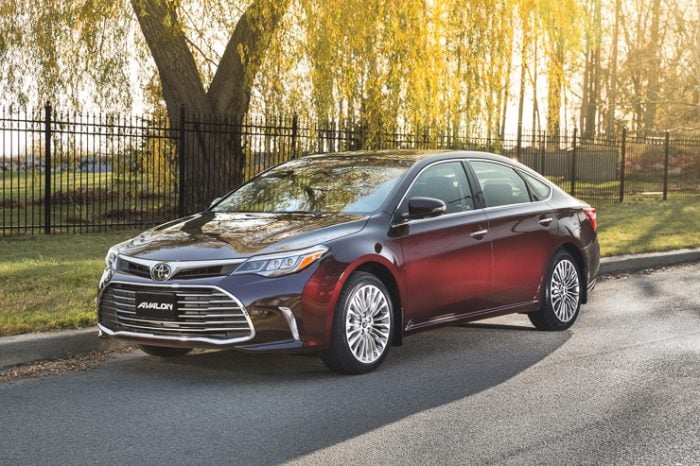
Toyota Avalon (2013–2020)
4th Generation
The Good:
- Smooth, proven V6 with effortless power delivery
- Spacious, comfortable cabin with near-luxury ride quality
- Quiet, relaxed driving experience ideal for long distances
The Bad:
- Large size makes it less nimble in tight spaces
- Not engaging to drive, clearly comfort-focused
- Older models have dated infotainment and tech
The Underrated Upgrade
The Avalon sits in that space between mainstream and luxury, and that’s exactly where it makes sense. Built on the same foundation as the Camry but stretched and refined, it delivers a noticeably smoother and quieter experience that feels closer to a Lexus than most people expect. The V6 is a highlight, offering easy, effortless power for highway driving, while the suspension leans fully into comfort. It’s not designed to be sporty, and that’s obvious from our first drive, but that’s part of its appeal. For buyers who want something larger, more relaxed, and just a bit more upscale without stepping into full luxury territory, the Avalon is an easy upgrade.
Review: First Drive: 2016 Toyota Avalon Review [Limited Model]
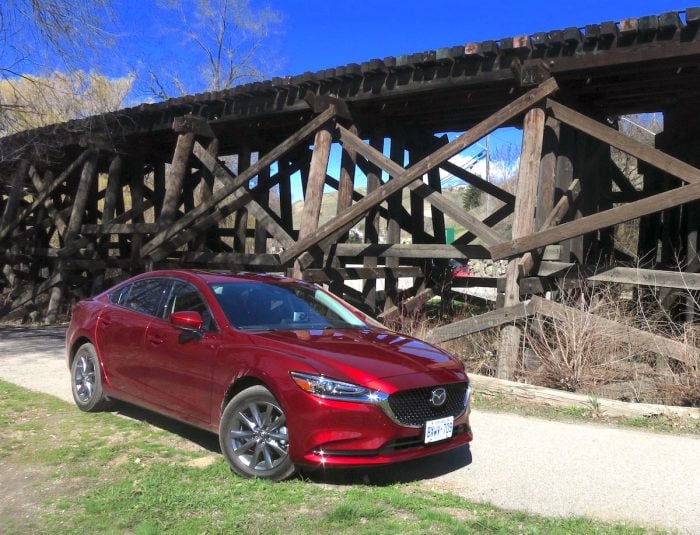
Mazda6 (2014–2021)
3rd Generation
The Good:
- Engaging handling and steering that stand out in the segment
- Upscale interior design and materials, especially in later models
- Turbocharged engine adds strong low-end torque for everyday driving
The Bad:
- Rear seat space is tighter than most midsize rivals
- Less outright power than V6 competitors
- Discontinued, so long-term support and parts may become less convenient
The One You’ll Miss When It’s Gone
The Mazda6 stands apart because it never really followed the midsize sedan playbook. Instead of focusing purely on comfort or efficiency, it kept a sense of connection to the road that’s largely disappeared in this segment. Steering feels direct, the chassis stays composed, and even in everyday driving, there’s a bit more involvement than you’d expect. Later updates brought a more premium interior and the addition of a turbocharged engine, giving it stronger low-end punch without losing that balanced feel. It’s not the most spacious or the most powerful option here, but that’s not the point. This is the sedan you pick because it still feels like a car you want to drive, and that’s exactly why it’s the one you’ll miss when it’s gone.
Our Reviews:
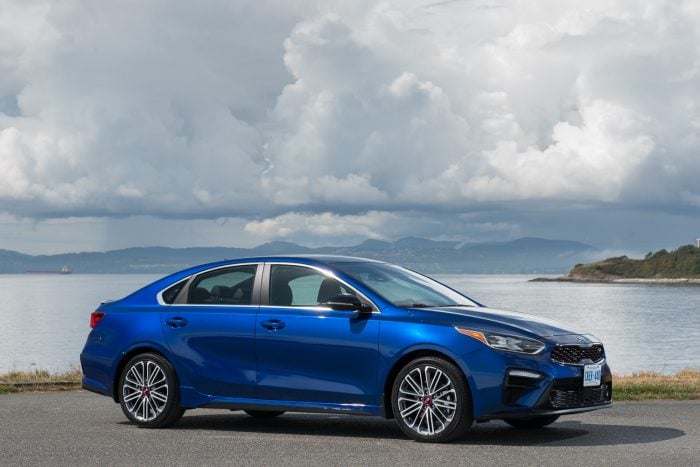
Kia Forte (2019–2023)
3rd Generation
The Good:
- Strong value with generous features and modern tech
- Improved refinement and interior quality over previous generations
- Available GT models add real performance and personality
The Bad:
- Not as engaging to drive as class leaders like the Mazda3
- Ride quality can feel basic over rough roads
- Brand perception still trails more established rivals
The Value Car Overachiever
The Forte is one of those cars that quietly does more than you expect. The 2019 redesign marked a real turning point, bringing a more refined driving experience, a cleaner and more modern interior, and a level of standard equipment that makes even base models feel well-equipped. It’s easy to live with day to day, offering smooth driving manners and solid fuel efficiency, but it also has some depth in the lineup. GT models, in particular, add a noticeable boost in performance and give the car a bit more character without losing its core practicality. It may not have the same long-standing reputation as some competitors, but as a modern, well-rounded compact, the Forte makes a very strong case for itself.
Our Reviews:
- First Drive: 2020 Kia Forte GT Review
- First Drive: 2020 Kia Forte5 Hatchback Review
- First Drive: 2019 Kia Forte Review
- 2014 Kia Forte SX Review
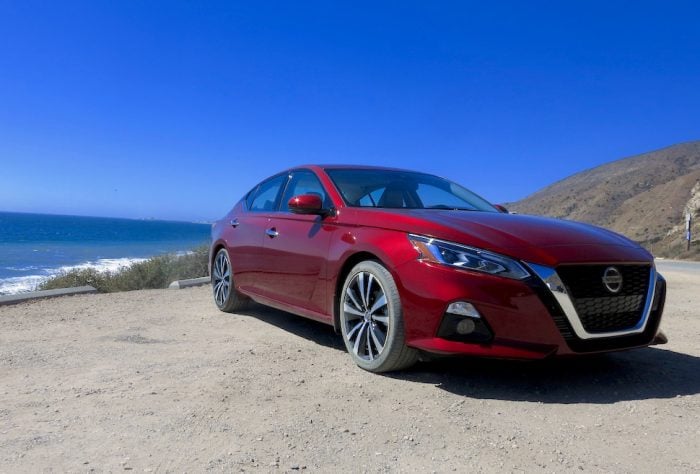
Nissan Altima (2019–2022)
6th Generation
The Good:
- Available all-wheel drive adds real-world versatility
- Comfortable ride with a spacious, well-equipped cabin
- Strong value in the used market
The Bad:
- CVT transmission remains the biggest long-term concern
- Driving experience leans more toward comfort than engagement
- Interior quality is solid but not class-leading
The Practical Sedan With AWD
The Altima stands out for one simple reason: it offers something most sedans in this segment don’t—available all-wheel drive. That alone makes it worth considering for buyers who want sedan comfort without giving up year-round usability. The 2019 redesign brought a more modern look, a more rigid platform, and a noticeable improvement in ride quality, making it a comfortable and composed daily driver. All things long overdue, frankly. It’s not particularly engaging behind the wheel, and the CVT remains a key consideration for long-term ownership, but it delivers where it matters most for many buyers. If you’re after a practical sedan with added confidence in all conditions and solid value on the used market, the Altima fills a very specific role in this list.
Our Reviews:
- 2019 Nissan Altima AWD Review: 7 Key Highlights That Set It Apart
- First Drive: 2019 Nissan Altima Review
- 2016 Nissan Altima 2.5 SR Review
- 2013 Nissan Altima 2.5 SL Review: The Efficient Family Sedan
There’s no shortage of good cars out there, but the ones on this list stand out for how consistently they deliver over time. Whether it’s reliability, comfort, or just ease of ownership, these are the models that continue to make sense long after the first drive. Explore more of our sedan reviews here.
Also worth considering:
- Subaru Legacy (2015–2022)
- Volkswagen Jetta (2015–2021)
- Toyota Prius (2016–2022)
- Honda Fit (2015–2020)